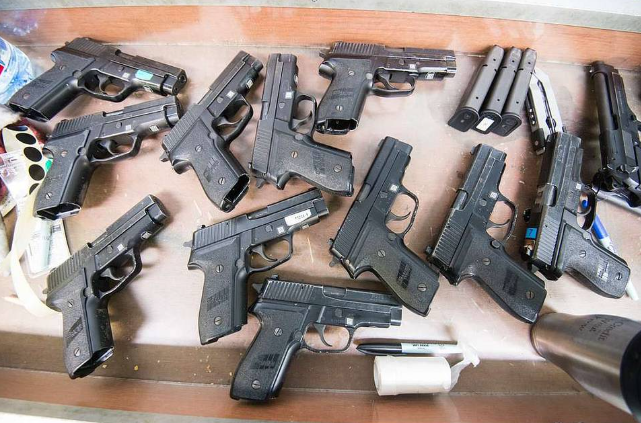
“A gun that doesn’t do its job when you need it most is not only frustrating it is dangerous,” and this has become an adage in the firearms community for many years now, perpetuated through various anecdotes of jams, firing accidents, and design faux pas that have circulated in gun ranges and within the ranks of CCW permit holders. Function is truly the essence of a weapon’s usefulness, be it a pocket pistol or a sidearm.
Over the past few years, there have been a few pistols which have gained recognition for reasons other than innovative design and shooting prowess, but rather because of the maddening and sometimes dangerous flaws they exhibited. Some of these pisols were innovative masterpieces hastily put out before they were tested. There were others which were cheap firearms whose low price tag masked a very high cost. For gun enthusiasts, these historical anecdotes can be much more than trivialities.
What is set forth here is a list of ten pistols where the actual shooting results were not live up to expectation. In every case, the mechanical failure, questionable design choice, or poor design will be examined, giving insight on what to not look for when picking a gun.

1. Remington R51 – A Promising Revolver Revival Gone Wrong
It was introduced in 2014, designed and made as a more modern version of John Pedersen’s 1917 design, the Model 51, using the hesitation-lock mechanism scaled down for 9mm use. It was initially well-received for its slim design and low bore axis, but it soon proved to be prone to serious problems such as malfunction, light strikes, and, worryingly, firing in an unsecured manner.
Engineers had warned against its production and release, but the gun was made. The model in 2016 Gen 2 had dealt with safety issues but had ongoing issues related to the magazine while cycling. By the time it made a comeback, Glock’s single stack 9mm had made the market their monopoly, and the reputation of the R51 is irreparable. It was discontinued in 2018. It is a classic example of a design going to waste.
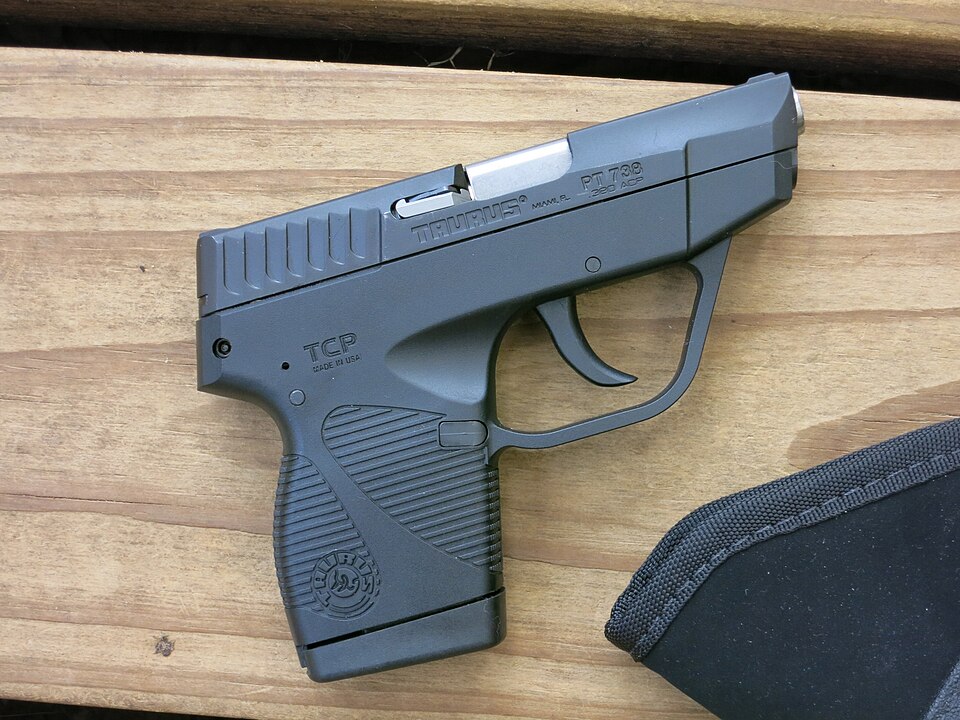
2. Taurus PT738 TCP – Ultra-Compact, Unreliable
The PT738 TCP was also marketed as an ultra-lightweight .380 ACP carry handgun. The PT738 TCP was appealing to those who considered concealability a primary concern. Problems associated with light primer strikes and ejections, particularly with less expensive cartridges, were prevalent among PT738 TCP users. Although some of these problems may have been alleviated after break-in, there was still an unwelcome frequency of jamming.
“For a defensive handgun, this kind of ammunition sensitivity is simply unacceptable.” For a concealed carry handgun, “the weapon must be able to operate effectively with various loads.” While the portability of the PT738 MS is a “plus,” “its operating experience casts a host of doubts in regard to reliability.”
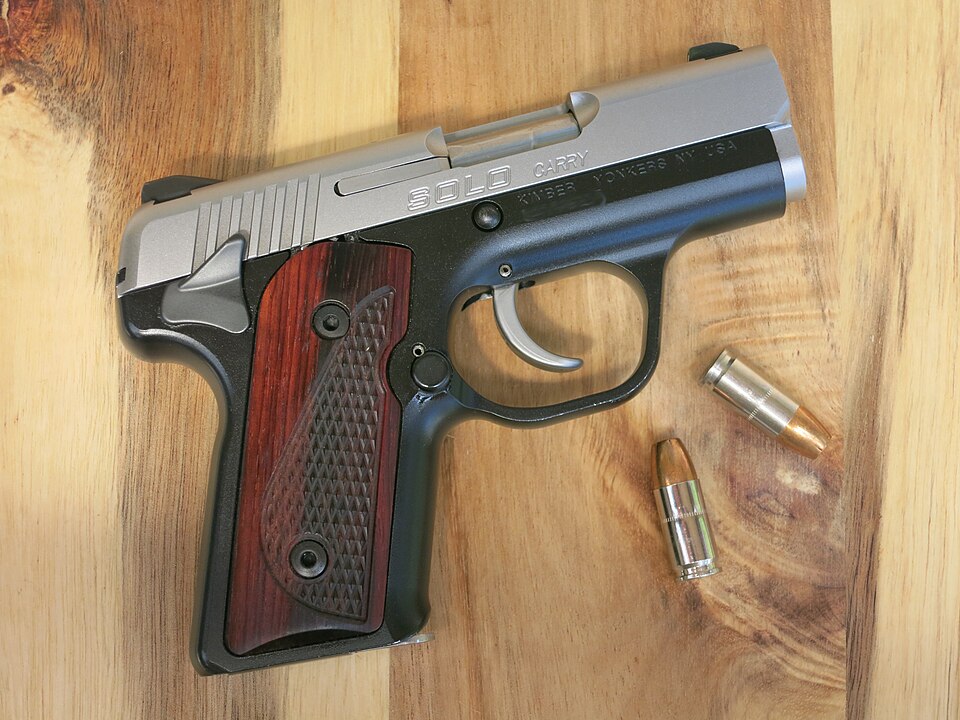
3. Kimber Solo Carry – Premium Build, Narrow Performance
With Kimber’s reputation for quality behind them, the Solo Carry pistols brought a fashionable and high-quality choice to the market of concealed carry handguns.
Unfortunately, they were usable only with high-quality +P rounds of ammo because regular ammo could produce misfires or failures to cycle. This selectivity with ammunition use resulted in higher costs of operation and operability.
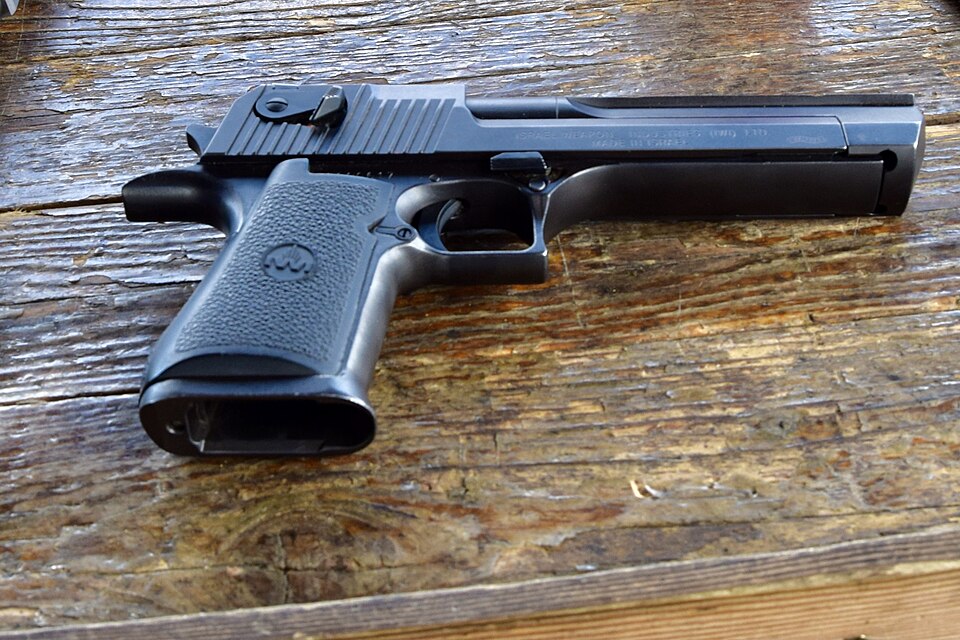
4. Desert Eagle .50 AE – Iconic Power, Conditional Reliability
The Desert Eagle is a legendary handgun because of the sheer size of the gun and the calibers such as .50 AE that were introduced with the platform. However, the action required for the gun is rather finicky.
Its need for uniform ammo and proper handling demonstrates that it would make a better range piece than it would for home defense or duty use. Although its design is impressive, its operational restrictions make it less than ideal for most gunners.

5. Kel-Tec PF-9 – Slim Carry with Persistent Malfunctions
Initially, the PF-9 offered a slim profile that made it amongst the shortest and lightest 9mm handguns on the market, which made it attractive to persons interested in concealed carrying. Unfortunately, it has been observed that it suffers considerably from feeding and extraction issues.
In addition to its acceptable concealability, its harsh recoil may have been a concern for many. The PF-9 is one such pistol where extreme compactness had compromised strength and reliability.
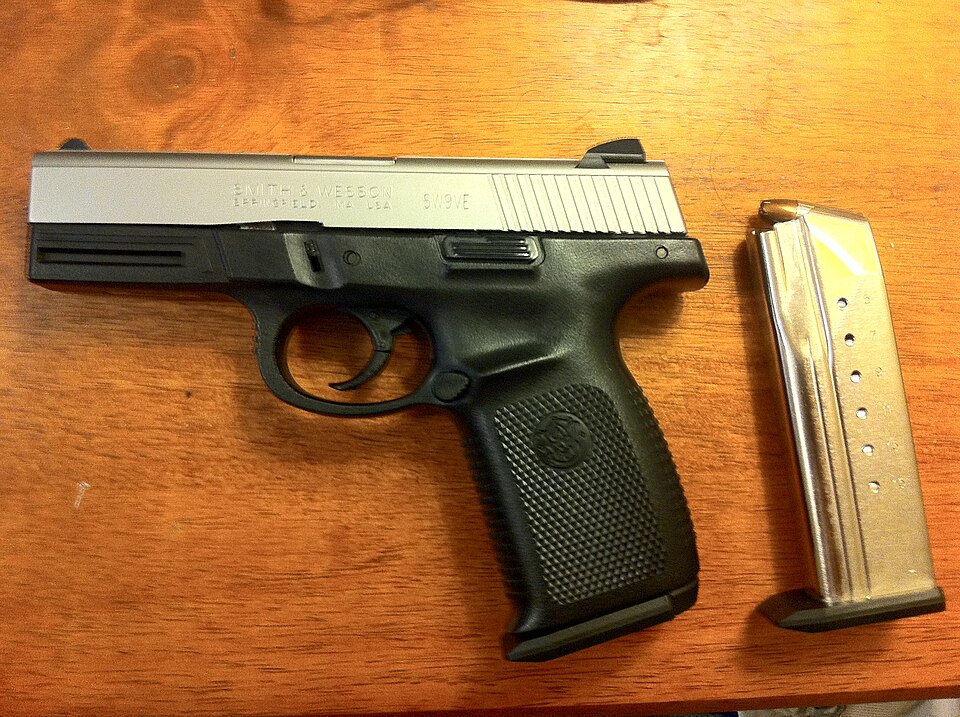
6. Smith & Wesson Sigma Series – Early Polymer Missteps
The first polymerguns of Smith & Wesson’s Sigma lines exhibited gritty triggers and inconsistent internal tolerances. One of these inconsistencies was that of misfiring and feeding.
In succeeding models, problems were corrected. However, they never shook off completely the negative association stemming from early issues with their reliability. Many shooters preferred to exchange their Sigmas rather than take the time and trouble of tracing down reasons why they perpetually malfunctioned.
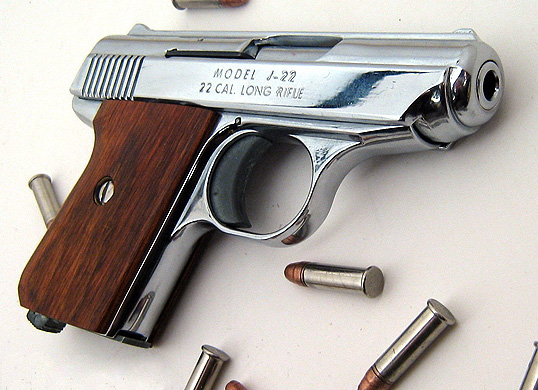
7. Jennings J-22 – Budget Rimfire with Safety Questions
Introduced in 1978 as a budget-priced .22LR pocket gun, the infamous Jennings J-22 earned a quick reputation for stovepiping, double feeds, and ejection malfunctions. The small ejection port and weak extractor contributed to these issues. However, the potential for an unintentional discharge when dropped proved more alarming and led to the recommendation in the manual to keep the chamber empty.
While shooting range accuracy might be acceptable, its high failure rate and safety with regard to dropping it make it unsuitable for use in defense purposes. Its low price might be attractive to customers, but it is best used to practice conversations or drill practice exercises.
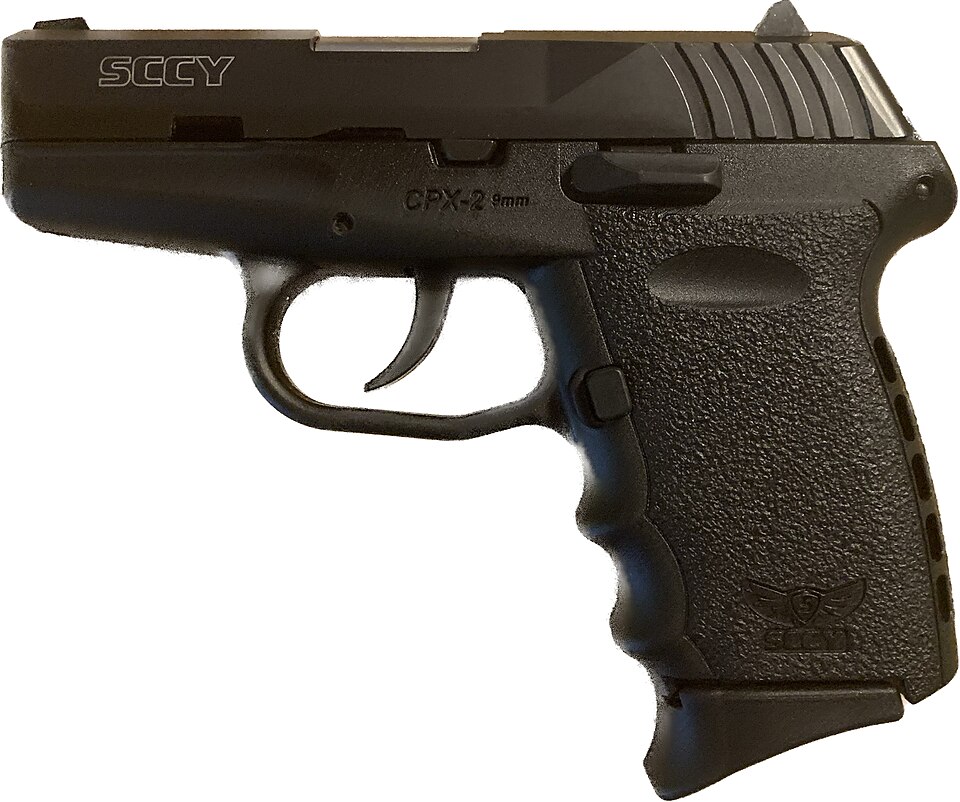
8. SCCY CPX-2 – Affordable but Inconsistent
The CPX-2’s low cost and full warranty garnered interest, but its reliability has been spotty. Owners have reported issues with feeding and light strikes, especially from low-cost ammo. A few have seen an improvement through polishing and breaking in their pistols, but some have never managed to create dependable performance.
As a carry pistol, having this unpredictability is a major negative. Reliability is key, but having a sporadic record like the CPX-2’s is enough to dissuade people from relying on it under duress.
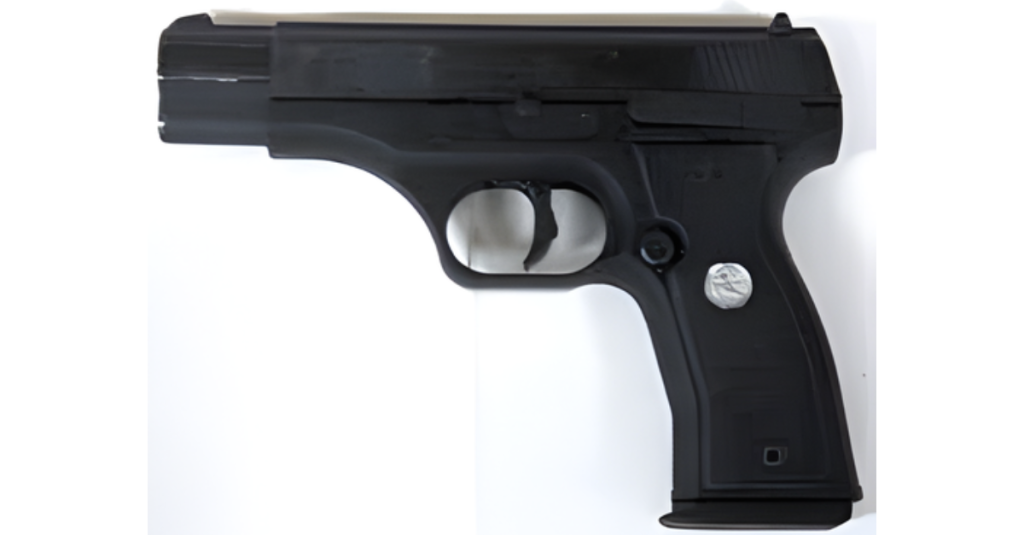
9. Colt All American 2000 – Legendary Designers, Faulty Implementation
Manufactured by Reed Knight and Eugene Stoner, for Colt, the All American 2000 had an unconventional rotary barrel and roller bearing trigger system. This protAype showed lots of innovation, but Colt’s changes to make it, including linking the triggers to pull 12 pounds and placing the loose front sight mount on the two-piece slide, undermined its execution.
Accuracy problems, reliability, and a product recall because of a drop fire safety defect were but a few of the difficulties of the pistol, which, according to historian Rick Sapp, is considered one of the “most embarrassing product failures in company history.” Only 20,000 of it were produced before it was discontinued.
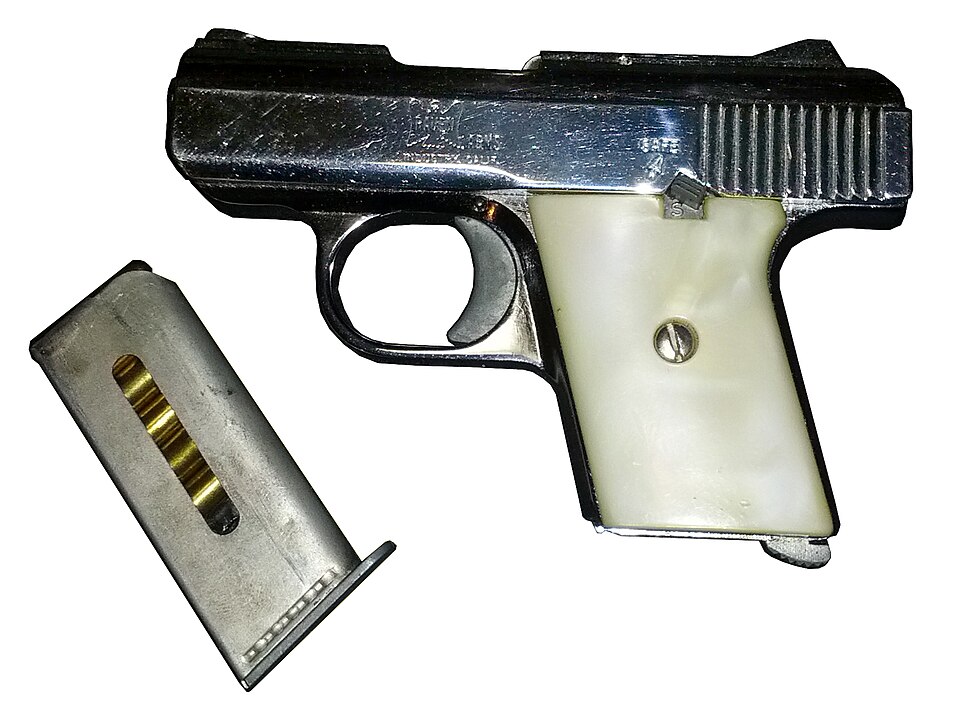
10. Raven MP-25 – Mass-Market Mediocrity
Produced in large numbers prior to the closing of its manufacturing plant in 1991, the Raven MP-25 was a zinc alloy blowback handgun that fired in .25 ACP. Although it was a decent design, reliability was sometimes an issue, and there was no slide lock. The limited ballistics and poor ammunition make it an unreliable choice for defenses. While suitable for private shooting, it does not offer the level of reliability and quality required for actual usage.
Reliability is not an optional feature it is what makes any given firearm valuable. These ten handguns show just how production schedules, economies of scale, or poor design can undermine reliability. The message is simple for anyone who is a firearms enthusiast or someone who uses them regularly: base your choice on reliability demonstrated among real-world conditions because when you need it to work, there is no alternative.


