What keeps a weapon system in service long enough to become a lasting presence instead of a temporary fix?
The answer seldom relies on a single groundbreaking feature. Systems that endure usually blend mechanical durability with consistent upgrades. They gain trust because they are available when needed, easy to maintain by real crews, and flexible with new sensors, networks, and munitions. In other words, they stay useful even after the original conflict they were designed for has ended.
There is also a quieter factor: sustainment. Long-serving platforms typically benefit from well-established parts supplies, standardized training, and a maintenance culture that knows exactly where the issues lie. In a 1969 reliability essay later reposted online, GEN F.J. Chesarek warned that “reliability, maintainability, and human engineering have, all too often, been sacrificed,” arguing that this trade can lead to equipment that looks impressive but underperforms in real conditions.
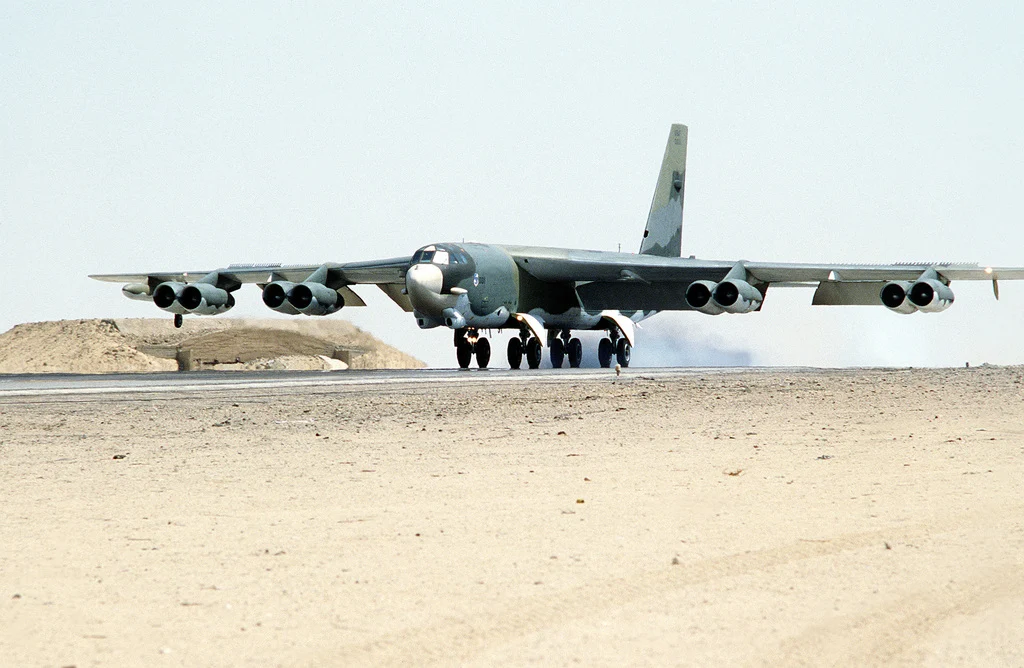
1. B-52 Stratofortress
The B-52’s longevity is not mere luck; it results from a design that accepts large-scale modernization while still delivering a mission set that is difficult to replicate with something newer and smaller. The aircraft remains in service because its core values range, payload, and flexibility still apply, especially when paired with modern sensors and weapons. One telling example is the radar update now in progress. A B-52 recently completed a flight after getting a new AESA radar that replaces an increasingly fragile legacy system. This aims for improved all-weather navigation and targeting. The Air Force has described the modernization plan as extending service life through 2050 and potentially longer, with additional upgrades for engines, avionics, crew stations, and communications. The pattern is clear: keep the airframe, improve what matters, and avoid the cost of developing a completely new replacement that may not offer more usable capability per dollar.
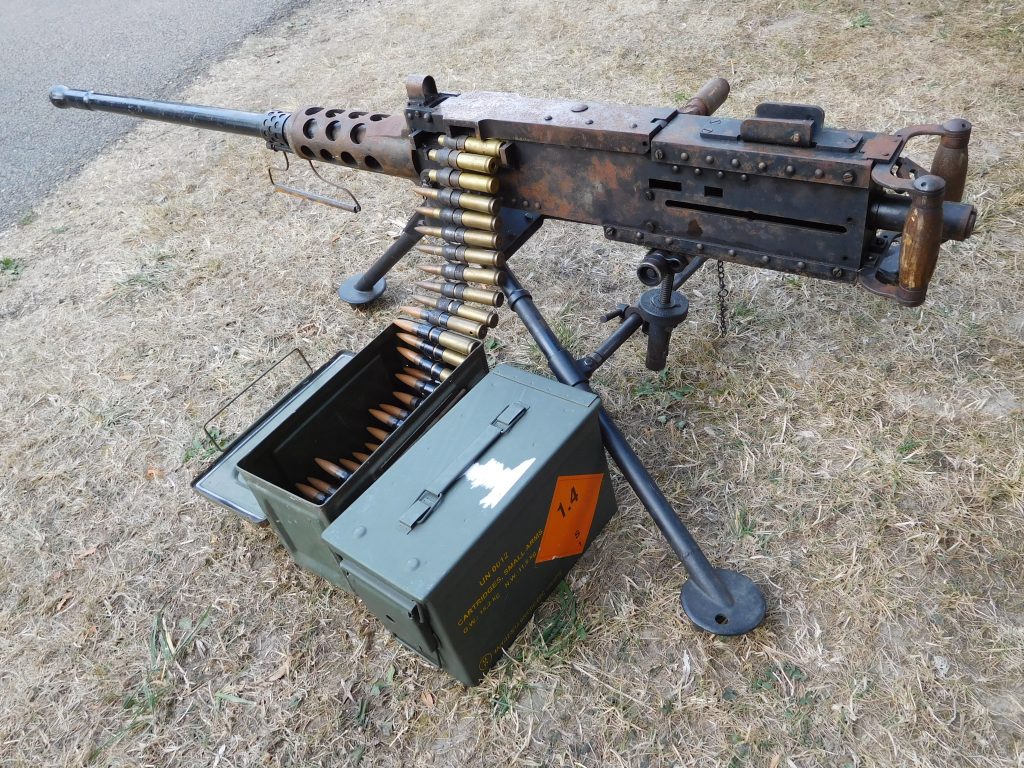
2. M2 Browning Heavy Machine Gun
Introduced in 1918, the M2 Browning’s century-long service is a success story in mechanical reliability. It endures because it strikes a balance of power, dependability, and mounting options better than most substitutes. The weapon is used on vehicles, aircraft mounts, naval platforms, and ground tripods because its basic system is tough enough for hard use and easy to keep operational. Upgrades have focused on the parts of the ecosystem that change most quickly mounts, optics integration, and ammunition while keeping the core mechanism unchanged. This division of labor is typical for “survivor” systems: stabilize the proven core and modernize everything around it.
3. C-130 Hercules
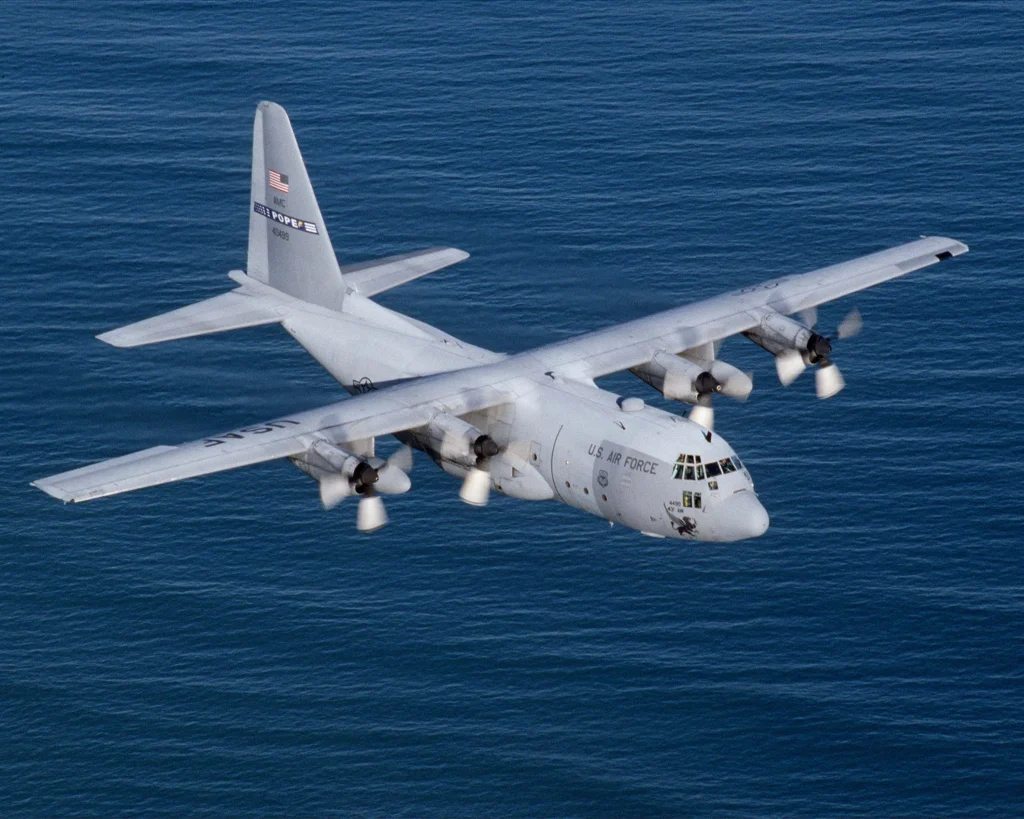
The C-130 continues to thrive because logistics may not be glamorous, but it is crucial. The aircraft’s ongoing relevance stems from its ability to operate from basic runways, support dispersed missions, and accept various role-specific kits. This results in a platform family that can be transport today, special-mission tomorrow, and something else again with the next upgrade. Its long service life also highlights an engineering truth: airframes that are easy to maintain and can handle rough-field operations build organizational loyalty. Once a fleet becomes a reliable “truck,” replacing it requires more than just better performance on paper; it requires the same day-to-day dependability on a global scale.
4. M1 Abrams
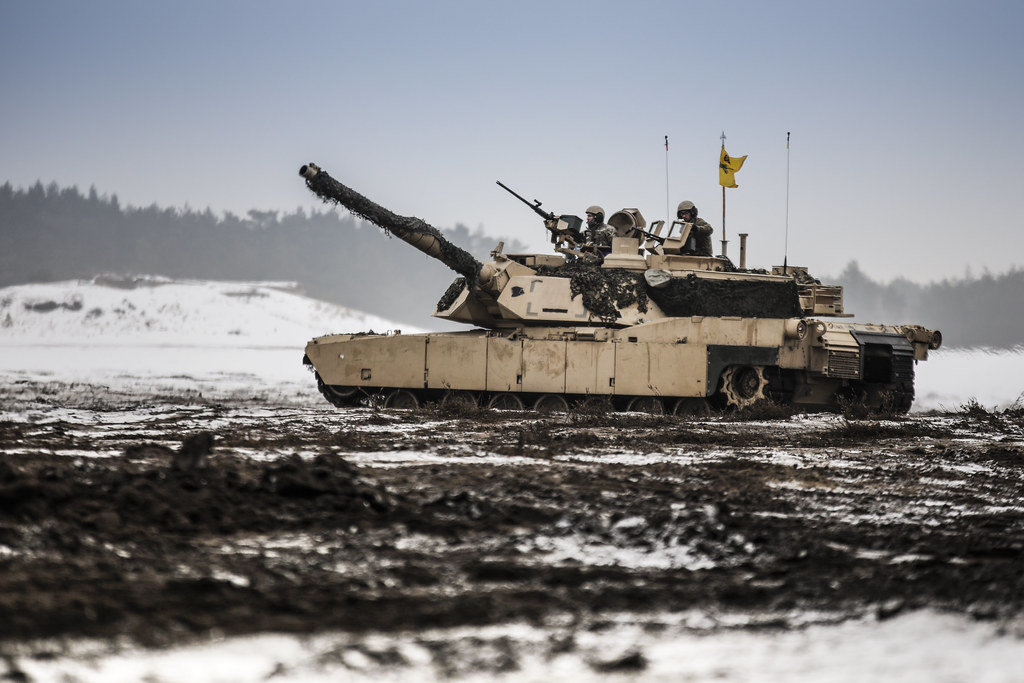
The Abrams prevails because its modernization path is ongoing and adaptable enough to meet changing battlefield needs. Instead of being “one tank,” it acts as a modular system for armor, electronics, sensors, and survivability features. This makes it a prime example of how heavy platforms can exceed initial expectations when the upgrade process remains viable. Over the decades, the Abrams’ longevity has relied on continuous improvements in protection and onboard systems, along with the understanding that replacing an entire armored fleet is expensive and slow. Incremental modernization becomes the practical approach when the base platform still has room for growth.
5. Patriot Air Defense System
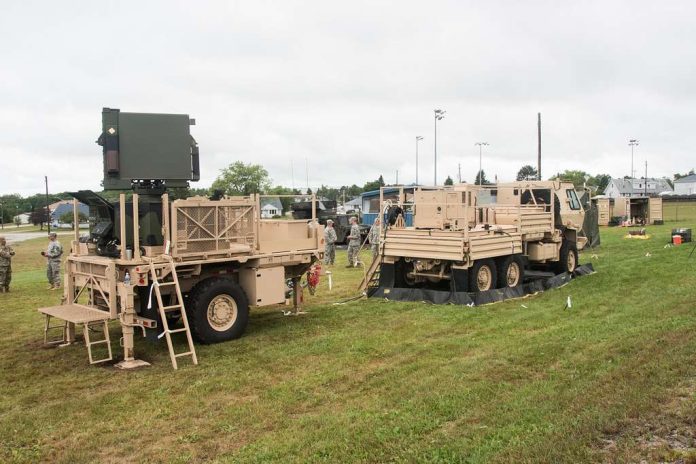
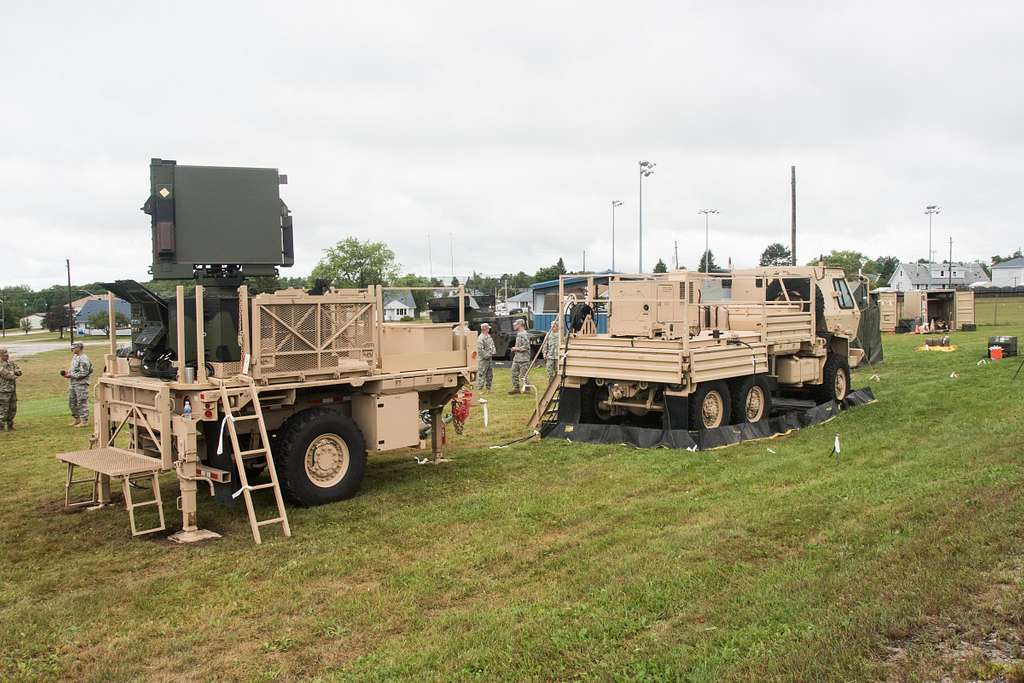
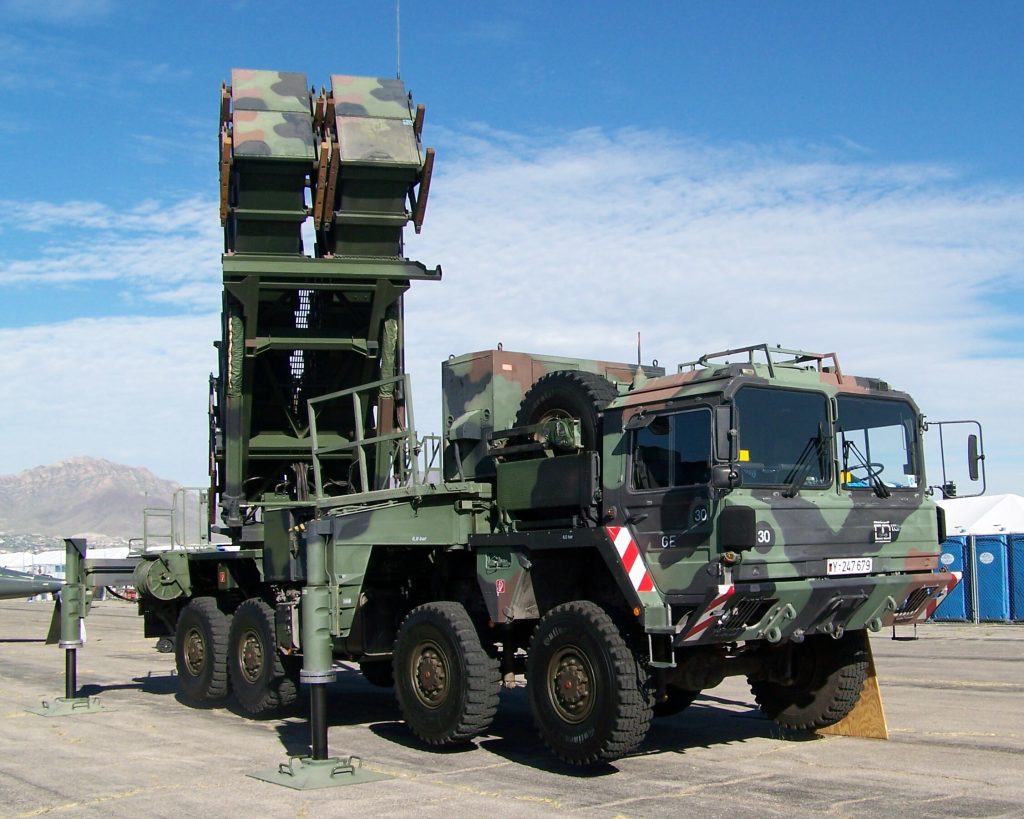
Patriot remains a frontline system largely because the threat landscape shifts faster than complete replacement cycles. Air defense is especially unforgiving: radar performance, interceptor capabilities, and launcher configurations must constantly evolve. Modernization often focuses on launcher and interceptor compatibility. One example mentioned in recent sustainment discussions is the modernization of launchers toward the M903 configuration, linked to broader missile compatibility and greater flexibility in loadouts. The engineering lesson is clear: systems that can accept new interceptors, software, and support equipment stay relevant because they adapt to the evolving threat.
6. Tomahawk Cruise Missile
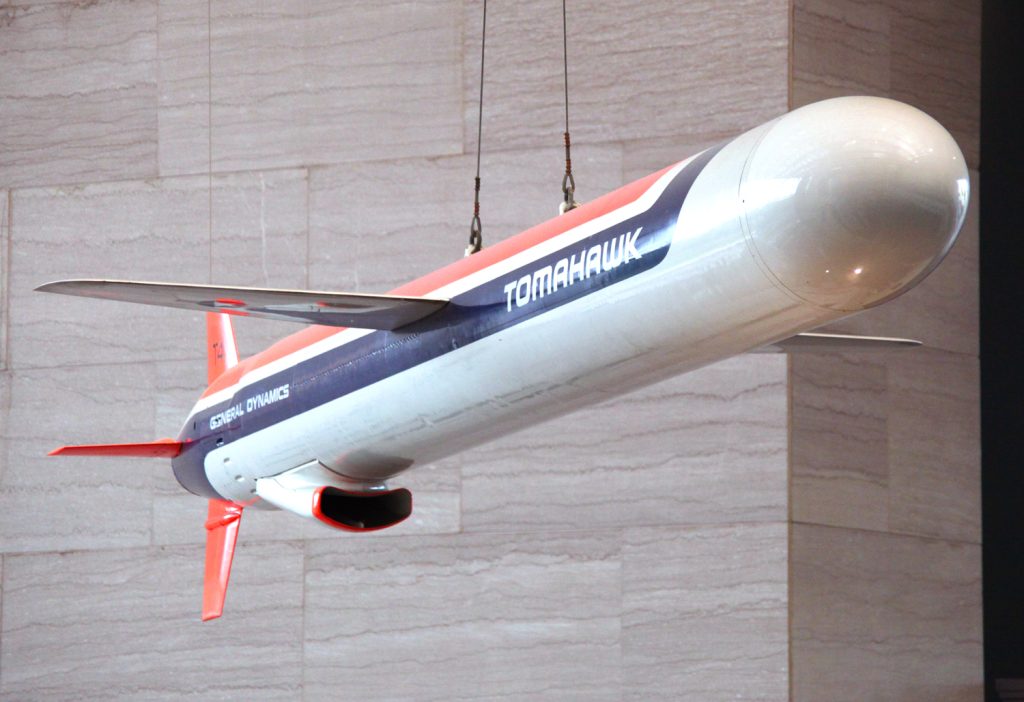
The Tomahawk’s longevity as a program stems from a simple advantage: long-range precision strikes are always needed, and the missile’s design allows for periodic upgrades without disrupting the logistics model. When a weapon’s task stays the same but its targets and defenses change, improvements in software, navigation, and guidance systems can extend its service life. The missile’s ongoing presence also underscores a broader procurement lesson: replacing a mature, widely used munition is trickier than it seems. The new version must fit into ships, mission planning systems, training programs, storage conditions, and budgets all at once.
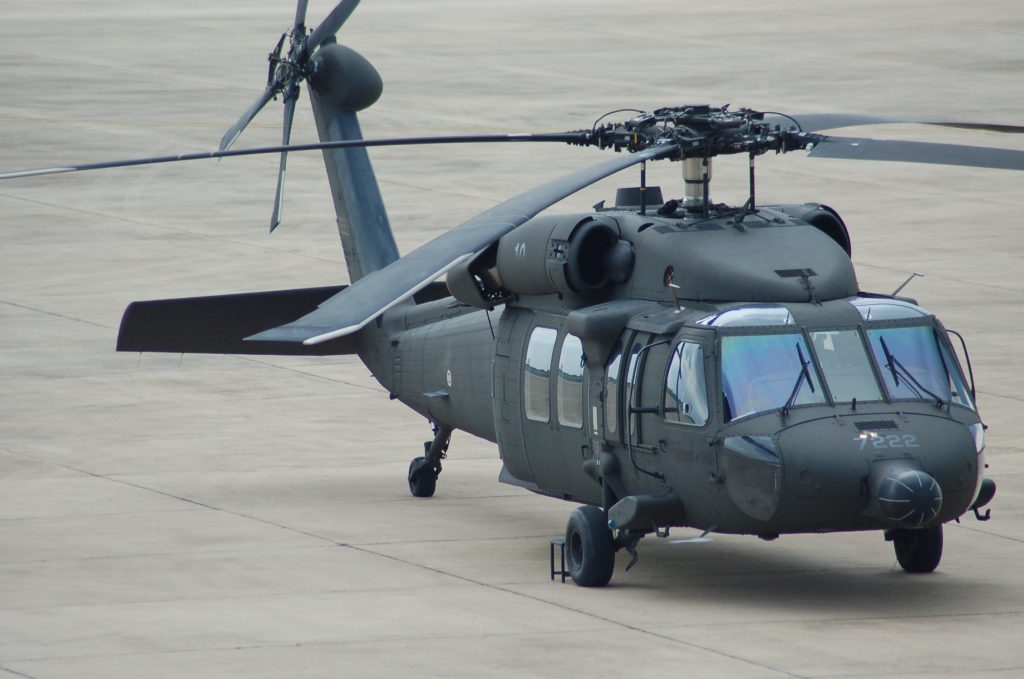
7. UH-60 Black Hawk
The Black Hawk stays relevant because utility helicopters are assessed more on their reliability, ease of maintenance, and versatility than on peak performance. The platform’s main value is its ability to perform many tasks transport, medevac, assault support without needing specialized infrastructure. Upgrades have consistently refreshed engines, avionics, and mission equipment while avoiding drastic changes. That upgrade pattern aligns with a key aspect of sustainment: when a system is used daily, reliability and parts availability become just as crucial as aerodynamic performance.
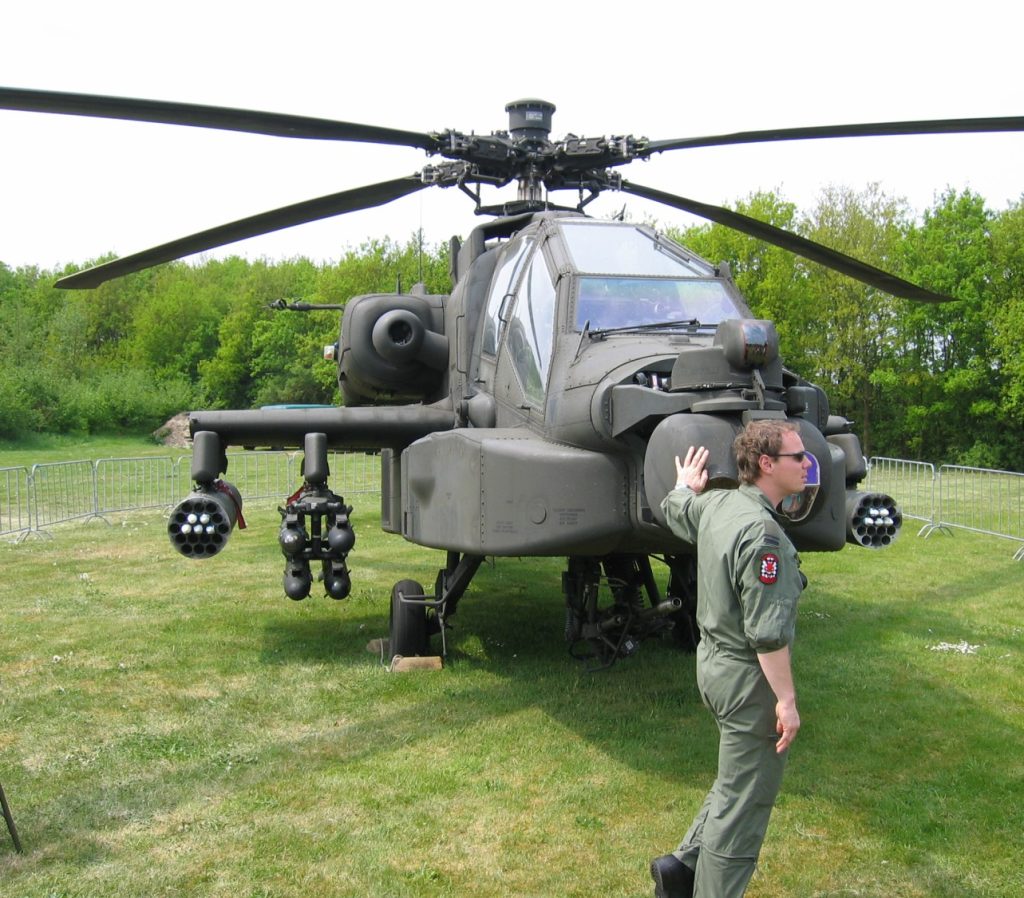
8. AH-64 Apache
The Apache’s enduring success is linked to its survivability and sensor-driven lethality two areas where upgrades can yield significant improvements without redesigning the aircraft. Over time, enhancements to targeting systems, networking, and weapon integration have effectively “re-centered” the helicopter around improved information and stand-off options. Its longevity also reflects a practical limitation: attack helicopter replacements are costly, complex, and slow to implement. If the current platform can accommodate new sensors and weapons while remaining supportable, it buys time and maintains its position.
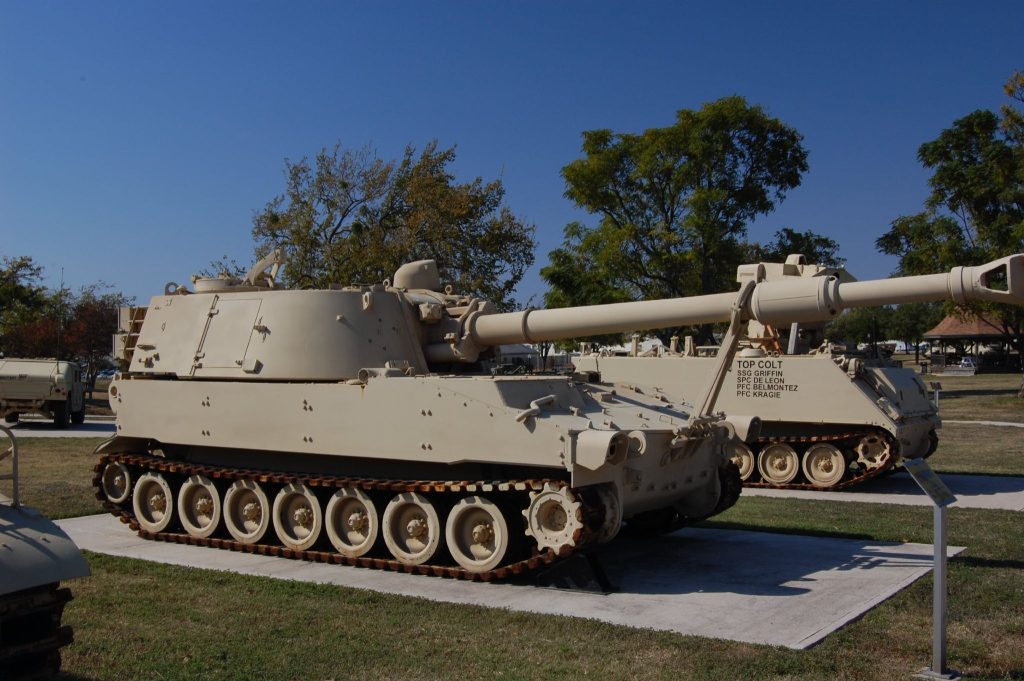
9. M109 Self-Propelled Howitzer
The M109’s longevity is less due to nostalgia and more about its design: tracked mobility combined with an artillery system that has enough internal space and electrical capacity to accept new fire control, ammunition, and navigation systems. Many armies have found that modernizing the “brain” and ammunition provides substantial capability without requiring an entirely new vehicle. It also highlights what Chesarek’s era of sustainment thinking emphasized: tough environments can punish equipment. Systems that last decades tend to be those that can be maintained by the available people and tools, even under less-than-ideal conditions.
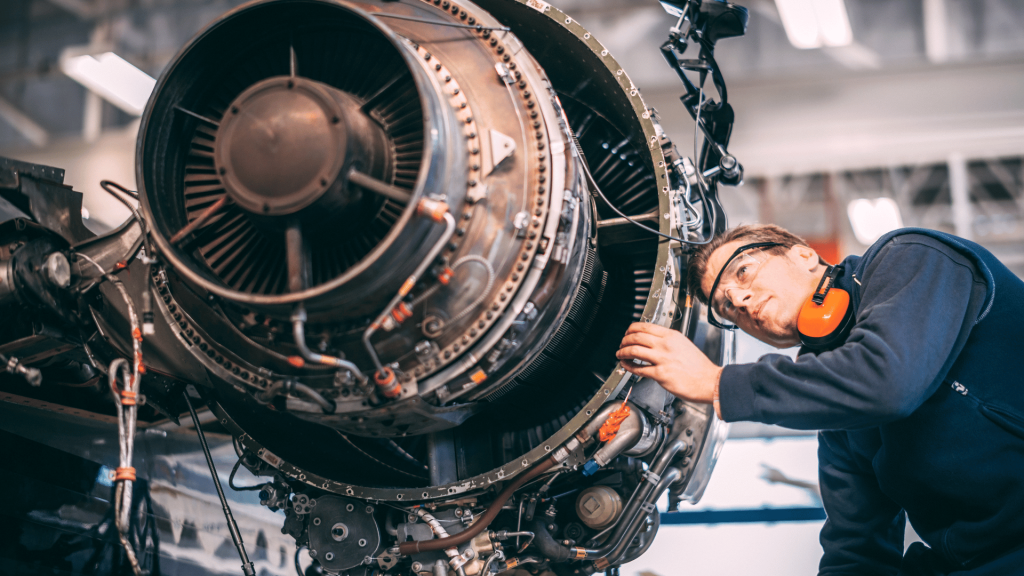
10. AI-Enabled Predictive Maintenance for Aging Fleets
Not every long-lasting “weapon” is a platform. Sometimes, it’s the support layer that makes old hardware feel new by increasing availability and reducing the time a system sits idle waiting for a diagnosis or a part. The U.S. Air Force has outlined efforts to use AI for predictive maintenance, monitoring components and forecasting failures. The PANDA suite tracks maintenance signals across thousands of aircraft. This program monitors over 3,000 aircraft on 16 platforms and helps predict hundreds of failures before they happen. From an engineering view, this is a straightforward way to extend useful life: improve reliability without altering the airframe by reducing unexpected downtime and aligning parts supply with real failure risks.
These enduring systems share a common thread: they remain supportable while incorporating upgrades where it counts sensors, software, munitions, and maintenance ease. In this way, “outliving multiple wars” is more about engineering flexibility, logistics efficiency, and the capacity to modernize without disrupting what already works. The practical lesson is not that older systems are automatically better. It is that a platform designed with reliability in mind and maintained with consistent attention can stay relevant much longer than its creators anticipated.


