“The forced transfer of a sitting head of state to face US criminal charges is a legal story, but it is also an engineering-and-systems story. The operation described by US officials combined long-range aviation, electronic attack, intelligence fusion, and rapid custody transfer-then immediately rippled into aviation routing, energy logistics, and sanctions compliance.
The more interesting question, for a technology-oriented audience, is how one “capture-and-transfer” mission changes the playbook in terms of airspace control and infrastructure recovery planning and how those changes impact the design of multinational guardrails.

1. A capture mission built around air dominance and air-defense suppression
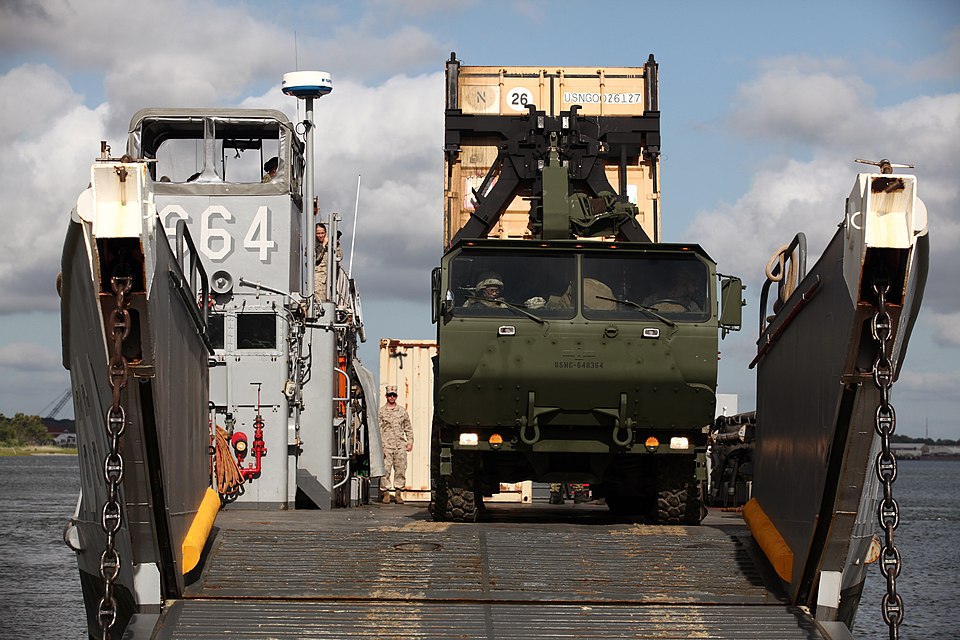
US officials said the mission to seize Nicolás Maduro relied on a large air component designed to open a corridor for low-flying helicopters and an extraction force. The aircraft count cited publicly exceeded 150, with platforms spanning fighters, bombers, electronic attack, early warning, and drones, assembled under “Operation Absolute Resolve.” The operational description emphasized an air tasking approach typically associated with high-end strike packages: degrade air defenses, protect the ingress route, and isolate the target area long enough for a short ground action.
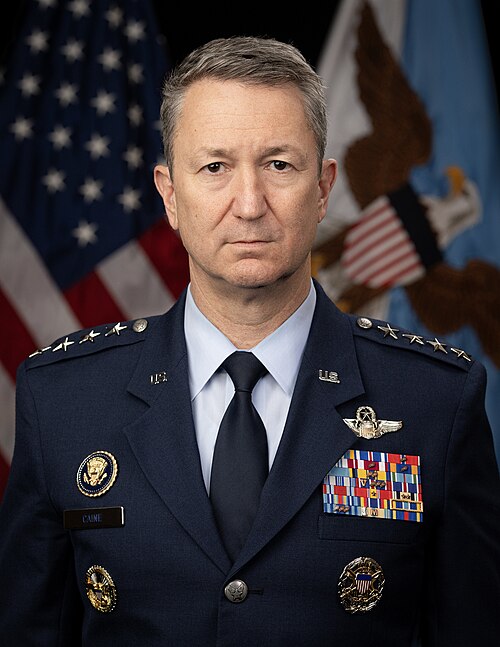
In the telling by Joint Chiefs Chairman Gen. Dan Caine, the air component “dismantling and disabling the air defense systems” was framed as the enabling condition for helicopters that approached at very low altitude. That architecture – air superiority plus suppression of air defenses – matters beyond the event itself because it signals that “law enforcement support” can be packaged with the same airborne scaffolding used for contested-entry military operations.

2. Power interruption as operational tool and a city-scale vulnerability test
Several reports pointed out that, throughout the operation, electricity was blacked out in Caracas. The implications are perhaps profound: technically, grid reliability and telecom resilience lie at the center of modern coercive capability since the effects of a blackout degrade command-and-control, reduce sensor coverage, and complicate civilian situational awareness even when intent is narrowly defined to enable a short extraction.
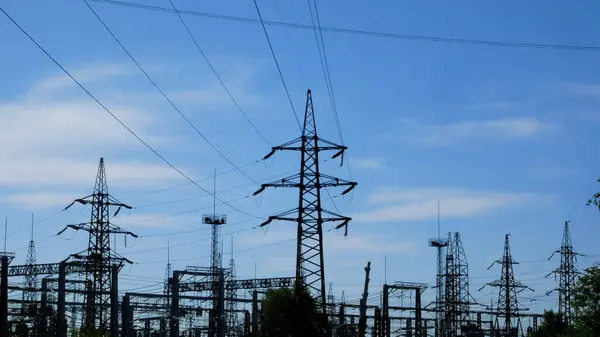
The sticking question for infrastructure planners is less about motive than mechanics. Any episode that shows the viability of targeted disruption rightly puts pressure on utilities and telecommunications providers to harden substations, diversify backhaul, and enhance rapid restoration protocols. It also presents new questions for critical facilities such as airports, hospitals, and water systems, whose backup power strategies are often designed to handle storms and equipment failures rather than to handle coordinated, multi-domain interference.
3. Airspace restrictions became the first immediate systems ripple
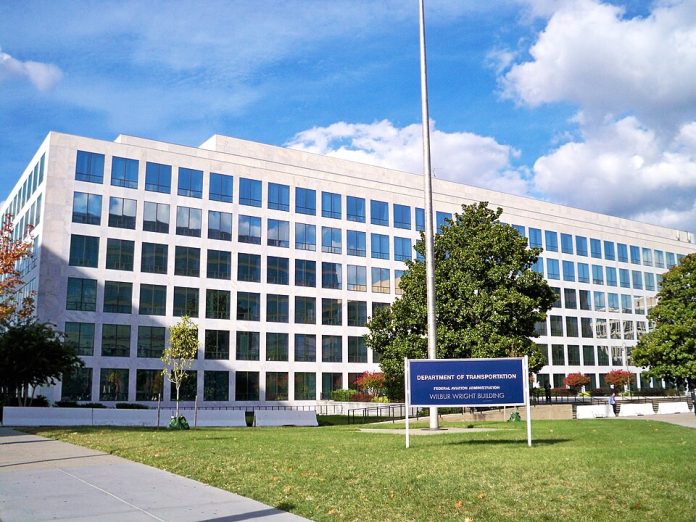
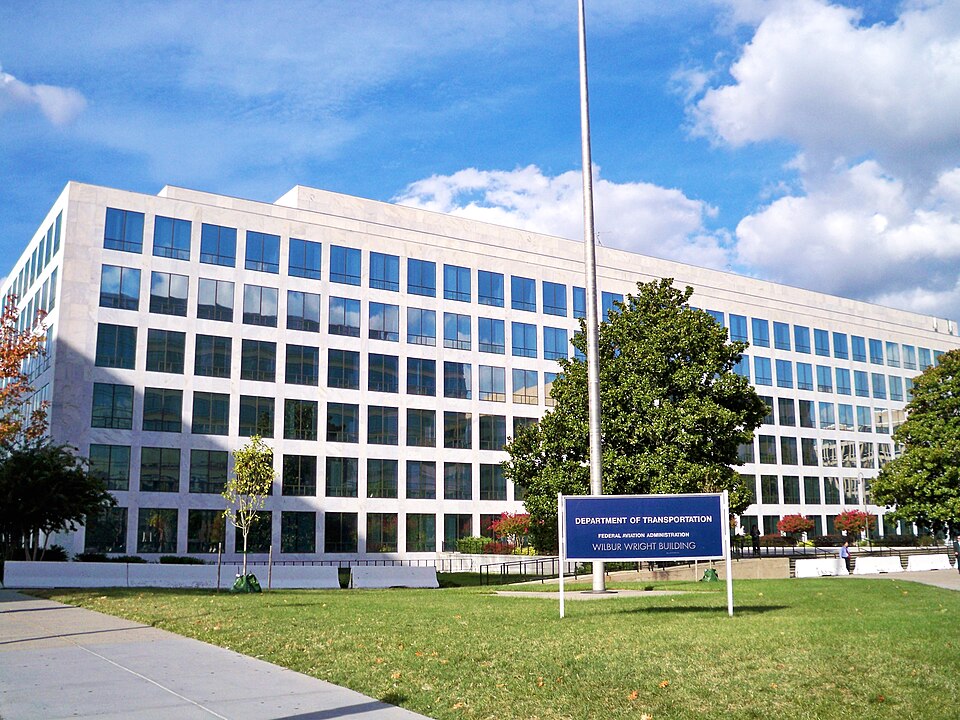
The impacts of aviation arrived quickly because safety-of-flight decisions can be implemented in hours and felt in minutes. The U.S. Federal Aviation Administration restricted operations over Venezuela and parts of the Caribbean, triggering widespread cancellations and forcing carriers to rebuild schedules and reposition aircraft and crews. That is a reminder that airspace management is a form of rapid risk-control infrastructure, not merely regulation.
Aviation analysts noted that restoring “normal” service is not an exercise in flipping a switch; instead, it is a network reset. Even after the FAA advised that the curbs would expire and flights could resume, airlines had to deal with a backlog of displaced passengers and aircraft out of rotation. The operational summary in the FAA’s language of “safety-of-flight risks” shows how rapidly an overseas security event can reshape commercial capacity across a region and expose the brittleness in peak-season schedules.

4. Intelligence fusion and “inside access” became an explicit dependency
Official accounts described months of planning supported by an intelligence stack that included overhead collection, signals intelligence, and human sourcing inside the target’s environment. That combination–human placement plus technical collection–underscores a recurring engineering point: precision operations depend on reducing uncertainty about location, movement, and communications, and the hardest uncertainty to solve is often human, not technical.
When a mission narrative highlights inside access, it also highlights a risk surface. Counterintelligence crackdowns, communications compartmentalization, and tighter physical security are predictable second-order reactions, each of which can drive adversaries toward lower-tech but harder-to-detect methods. The net effect is an escalation in the “sensor-versus-signature” cycle that typically pushes organizations to invest more heavily in stealthy transport, encrypted communications, and deception.
5. “Terrorist” designations function as financial plumbing, not just rhetoric
The sanctions language of the U.S. Treasury around Cartel de los Soles and its related groups shows how designations translate into enforceable constraints on banks, insurers, shippers, and vendors. The stated effect is asset blocking and transaction prohibition, but the practical effect can be a compliance perimeter that chills regular commerce when ownership, counterparties, or state-linked entities are implicated.
OFAC’s action described Cartel de los Soles as a “Specially Designated Global Terrorist” entity, triggering strict liability exposure for sanctioned dealings and expanding the due-diligence burden for firms that touch energy services, port operations, maritime logistics, or industrial maintenance. For engineering contractors and equipment suppliers, that can become a gating factor: even available technical capacity may not translate into deployable projects if payment rails and risk underwriting are constrained.
6. Realities of Oil Infrastructure Collide with “Fast Reboot” Expectations
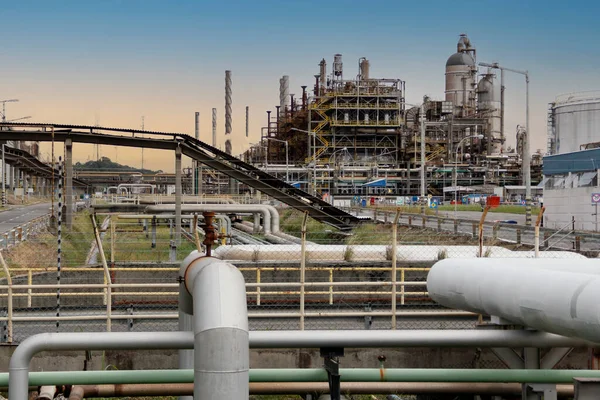
Venezuela has the world’s largest reserves of proved crude-approximately 303 billion barrels-but production is constrained by deteriorated facilities, limited access to capital, and uncertainty over contract enforceability. Current output was estimated at around 1.1 mb/d, with a number of more optimistic scenarios indicating a potential doubling or tripling over time, while scenarios that indicated an increase to several million over a longer horizon involved investments of around $100 billion over a ten-year period.
Those figures are important because they reframed “take control and rebuild” as a multi-year industrial program: drilling services, heavy crude upgraders, power supply reliability, pipelines, storage integrity, and export terminals. Chevron’s reported production footprint of about 250,000 barrels per day through joint ventures also underscores a pragmatic limit: incumbents with in-country operating knowledge can become unavoidable hubs for any near-term ramp, regardless of political intent. As energy academics and market analysts underlined, production gains depend less on reserves than on the stability needed to sign, insure, and execute long-duration projects.

7. Courts, sovereignty disputes, and operational precedent all feed back into design choices
International-law experts and U.N.-oriented reporting underlined that means of capture and rendition would surely be a target of litigation as an issue of sovereignty and use of force. On the U.S. domestic side, the doctrine has long been that prosecutions may go forward regardless of how the defendant comes before the court, a position which tends to minimize friction in the courts while heightening tension abroad. For systems thinkers, the key point is how precedent changes future design requirements. If the perceived threshold for cross-border “extraction” operations shifts, then governments and large organizations will adjust security architecture: hardened mobility patterns, redundant executive protection layers, anti-drone measures, and tighter control of communications signatures.
In parallel, the aviation and energy sectors will build more contingency playbooks around sudden airspace closures and sanctions shocks. The mission’s technical footprint-mass aviation support, low-altitude insertion, and rapid custody transfer-becomes a template that other actors must now plan against, whether in infrastructure resilience, corporate risk, or regional transport continuity. The technical aftereffects are already visible: air routes rewired, compliance burdens recalculated, and oil-sector timelines pulled into sharper relief. In that sense, the operation’s most lasting impact may be less about personalities and more about how quickly modern state capacity can reconfigure the systems that power travel, trade, and industrial recovery.


