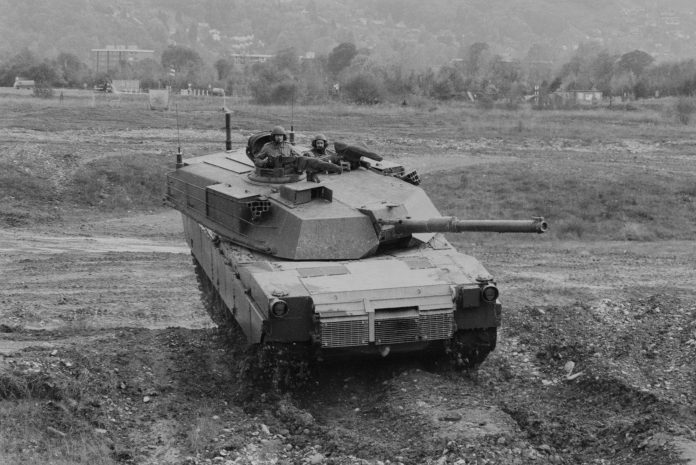
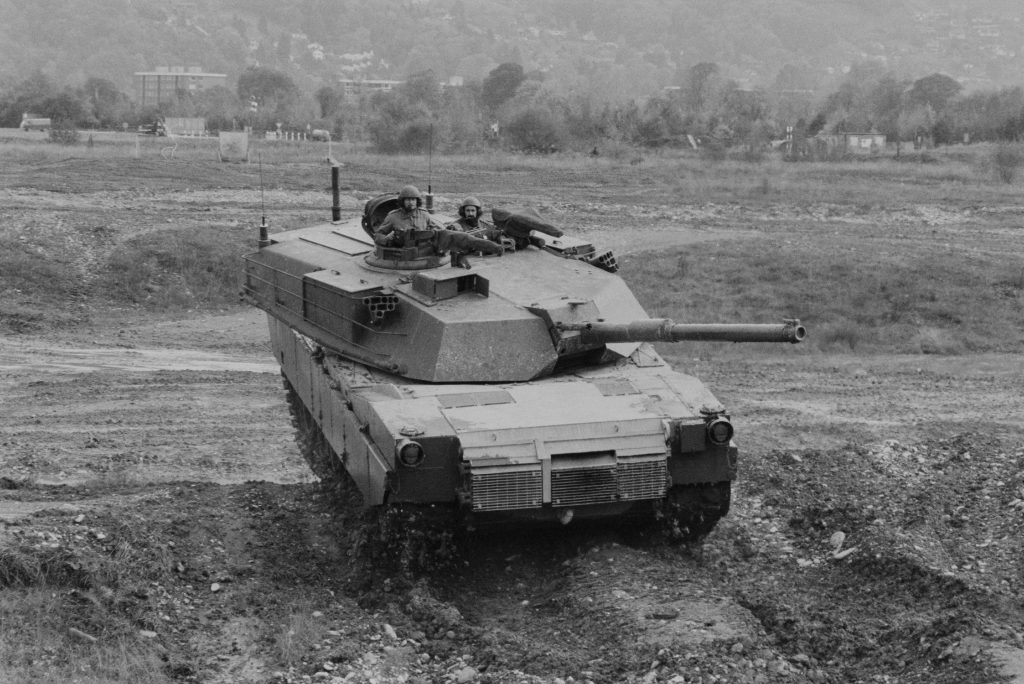
“Last year, even before Donald Trump returned as president, we warned the Australians that sending these Abrams tanks would be complicated, and once they finally get to the battlefield, the Ukrainians will find them difficult to sustain,” an American official told the Australian Broadcasting Corporation, speaking on the condition of anonymity.
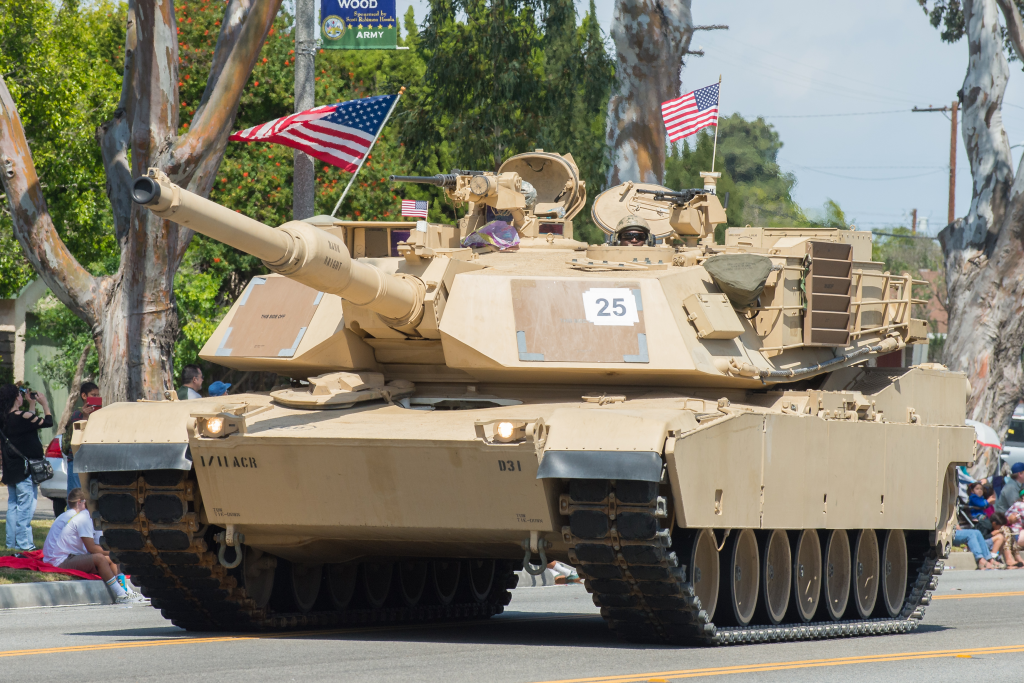
The friction around Ukraine’s growing M1A1 Abrams inventory is less about whether the tank can fight and more about whether it can be kept fighting. As Australia’s deliveries are completed, so too does Ukraine’s Abrams story become one of a stress test for modern armored warfare in conditions of persistent overhead observation, precision fires, and thin sustainment margins. What follows are the primary engineering-and-logistics reasons the Abrams “headline number” matters less than the ecosystem required to sustain it.
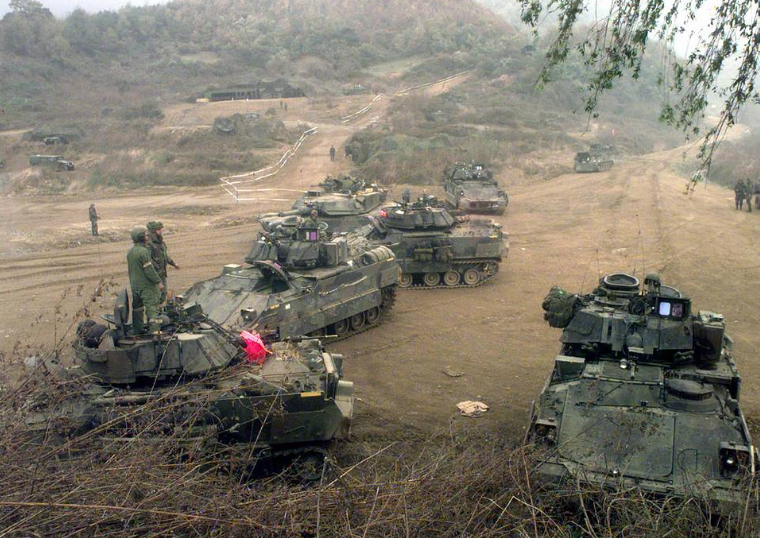
1. The Abrams fleet is now as much a sustainment project as a combat asset
With Australia’s fulfillment, Ukraine’s Abrams total comes to about 111 M1A1s, a mix that adds more hulls but also multiplies the tail: tools, trained maintainers, recovery vehicles, spare powerpack modules, and a steady stream of repair parts. The Abrams is maintenance-intensive in any environment; in a high-tempo setting, the pace of wear quickly becomes the pacing factor for availability.
The concern voiced privately to Canberra hinged on exactly that: once tanks arrive at the front, the hard part starts-keeping them operational without a predictable pipeline. Modern armies mitigate this with robust retrograde, moving damaged systems and reparables back to repair nodes, condition monitoring, and deep parts stocks. Ukraine’s challenge is completing those loops while operating under constant aerial surveillance and contested mobility corridors.
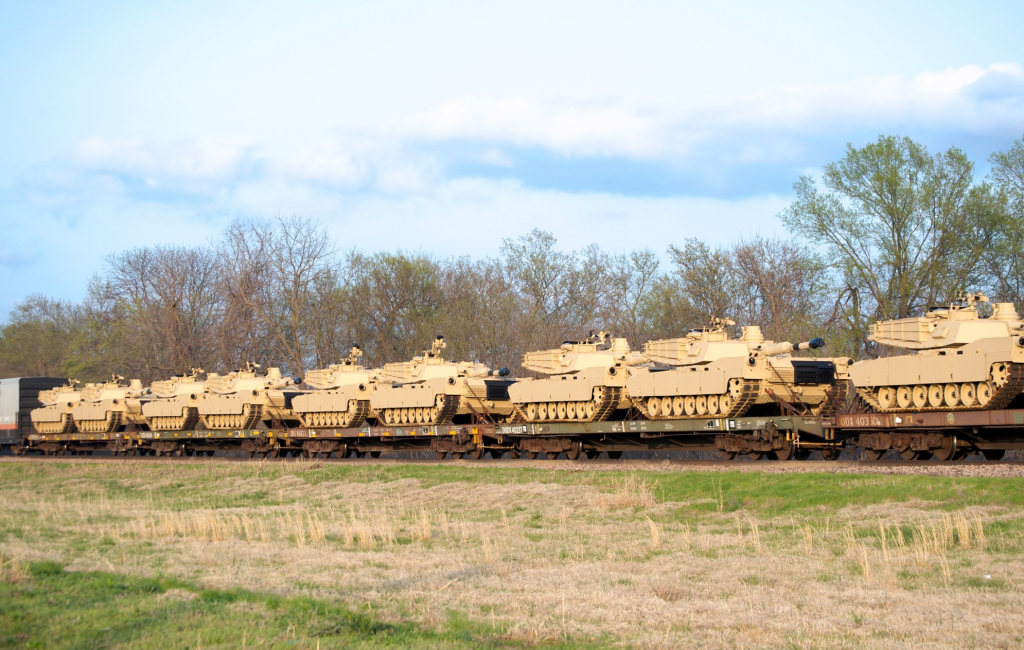
2. Shifting 60-ton vehicles is a campaign all its own
Australia’s transfer illustrates what “delivery” really means for heavy armor. The final tranche involved weeks at sea, onward movement into Europe, and a forward maintenance effort to make the vehicles service-ready before handover. According to the ABC, the last shipment included 55 days at sea, plus a concentrated push to check turrets, optics, tracks, and onboard systems at a makeshift facility.
That pre-handover work reduces immediate failures, but it does not erase the larger constraint: every mile of rail, road, and bridge capacity becomes part of the tank’s “combat radius.” Heavy armor depends on infrastructure, and on engineer capacity, to keep routes open, bypass obstacles, and recover immobilized vehicles quickly enough that they don’t become permanent losses.
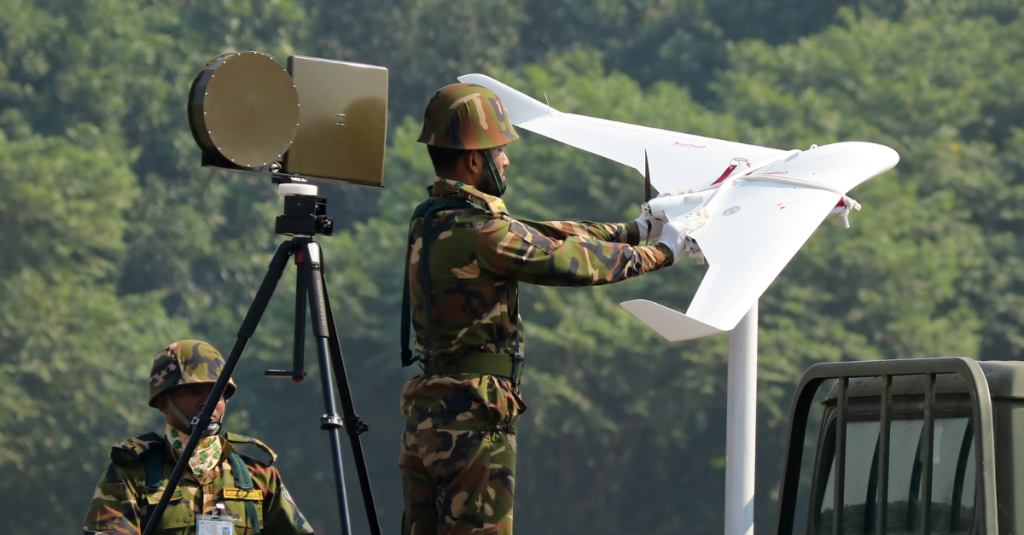
3. The top-attack and close-in drone threats have rewritten the Abrams’ protection problem
The Abrams that have appeared in Ukraine sport homemade cages, netting slung between side skirts, and explosive reactive armor-a dead giveaway that the threat set is now dominated by short-range loitering and first-person-view drones that hunt for roof shots and soft angles. Protective add-ons are not cosmetic; they seek to force early detonation, degrade fuzing, or spoil an approach path.
Some of the most significant adaptations have moved beyond ad hoc field welding. Ukraine’s steel producer Metinvest said it had supplied production-standard screens and that more than 25 additional protection systems had been delivered, including units intended for Abrams. Metinvest also stated, “The total weight of the screen structure is up to 430 kg [approximately 948 pounds].” That weight matters: it affects turret dynamics, maintenance access, and the practical ability to rapidly service hatches, sights, and external components under field conditions.
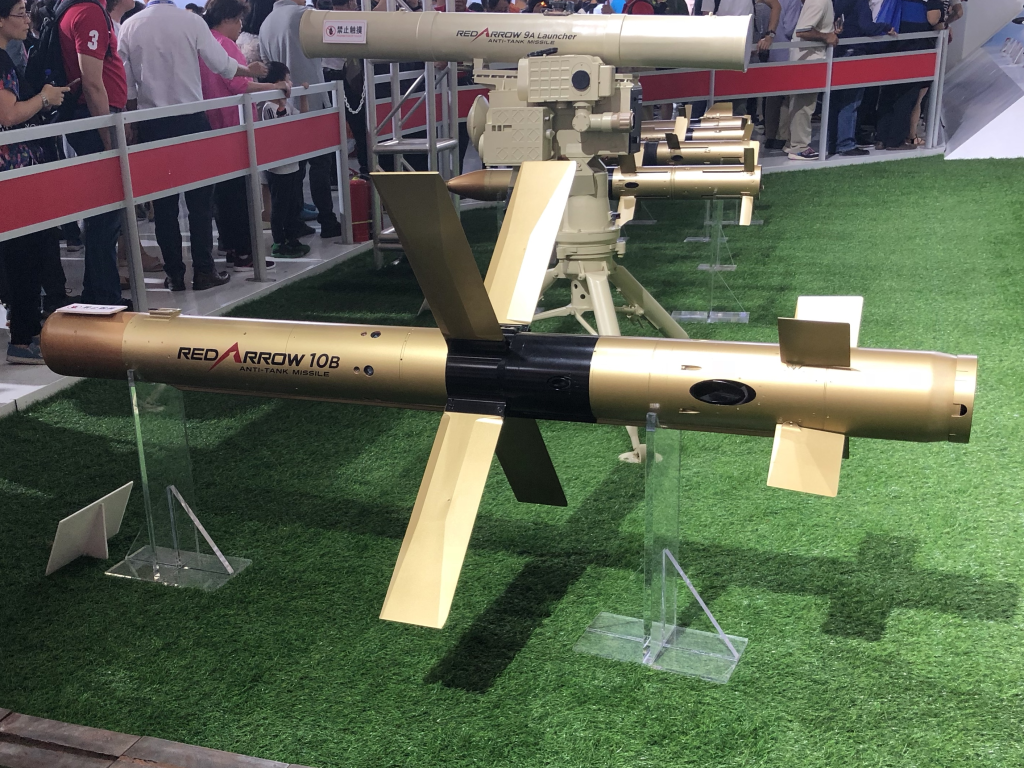
4. Most of the disabling is still done by anti-tank guided missiles and mines
While drones are the flashy worry, the Abrams’ vulnerability to legacy killers remains central. Open-source assessments of Ukrainian Abrams losses have emphasized anti-tank guided missiles striking flanks and sides, and minefields that immobilize a vehicle long enough for follow-on attacks. This is a familiar failure chain in modern armor fights: first the track or running gear is damaged, then precision fires finish the job.
That pattern puts strain on recovery and engineer support. If immobilized tanks cannot be quickly extracted, a “mobility kill” becomes a total loss. In practice, battlefield recovery capacity and the availability of safe corridors for towing can be more decisive than armor thickness.
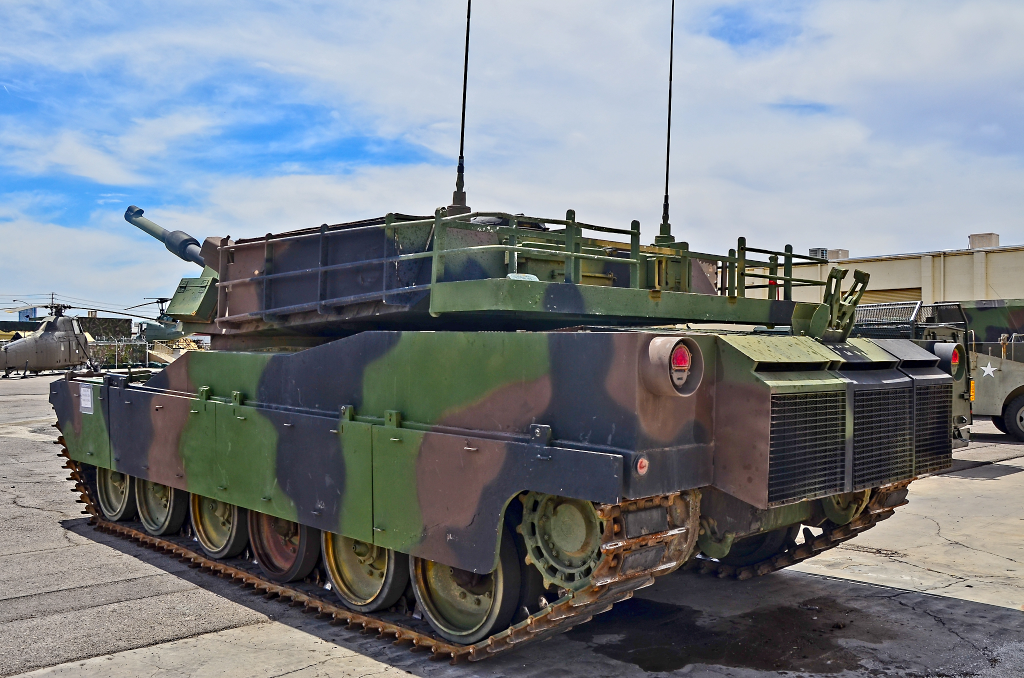
5. The Abrams was built for combined-arms conditions Ukraine cannot guarantee
The Abrams’ design assumptions are not mysterious: layered protection and crew survivability features, heavy direct fire punch, and high mobility paired with infantry screens, engineers to defeat obstacles, and air cover to suppress threats and reduce observation. When those elements are missing or intermittent, even top-end armor becomes a high contrast target that opponents can surveil, fix, and strike.
This is not a platform-specific flaw; it is a systems-of-systems reality. The modern battlefield punishes isolated armor with rapid sensor-to-shooter cycles. Tanks still matter, but their freedom of maneuver depends on orchestration around them-especially engineers for breaching and route maintenance, and short-range air defenses to keep overhead threats from operating with impunity.
6. “Keeping it running” is now a digital logistics problem, not just a wrench-turning one
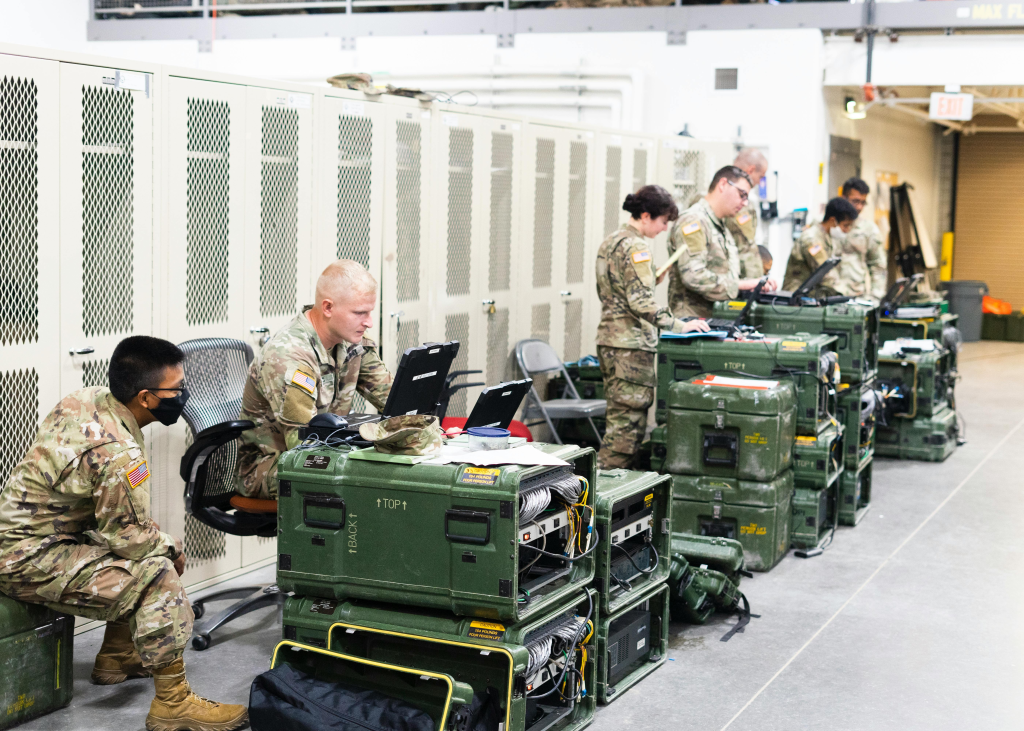
In mature fleets, readiness is increasingly tied to how quickly a unit can forecast failures, order parts, and move reparables through repair loops. The U.S. defense logistics community has pushed condition-based maintenance and digital supply concepts to reduce downtime and avoid stocking mountains of spares forward. A National Academies review describes how CBM and tighter integration within supply chains can cut costs and improve availability by anticipating rather than reacting to failures.
The practical implication for a mixed and externally supported fleet-the kind Ukraine operates-is plain: even proficient crews cannot keep readiness from collapsing when parts visibility is poor, repair queues are long, or key components cannot be moved back to a repair node. The Abrams’ battlefield value thus tangles with data flow, parts authorization, transport capacity, and repair throughput.
7. The “111 tanks” headline can mask the real constraint: recovery, repair capacity, spares
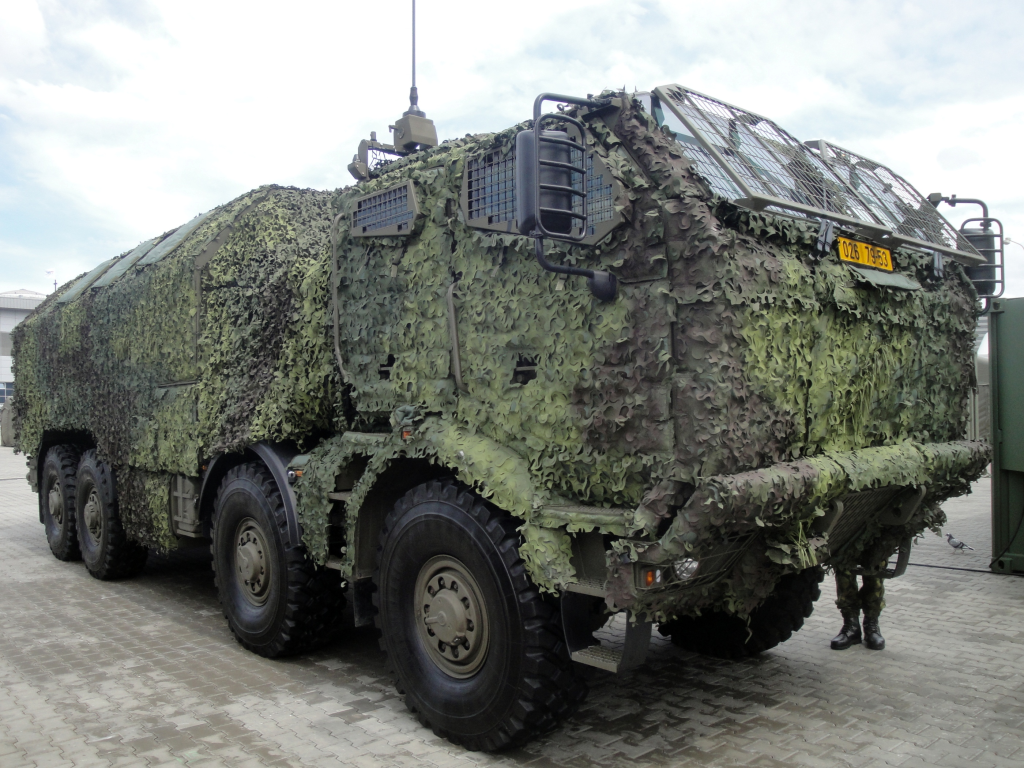
Adding more Abrams increases local mass and replaces vehicles that are written off; however, the effective fleet strength will depend on the numbers that can be fueled, serviced, recovered, and put back into action. In a high-threat environment, tanks that cannot be recovered quickly become sources of attrition, intelligence loss, and morale shock-particularly when distinctive vehicles are filmed and circulated. The U.S. hesitation about Australia’s transfer was rooted in that math.
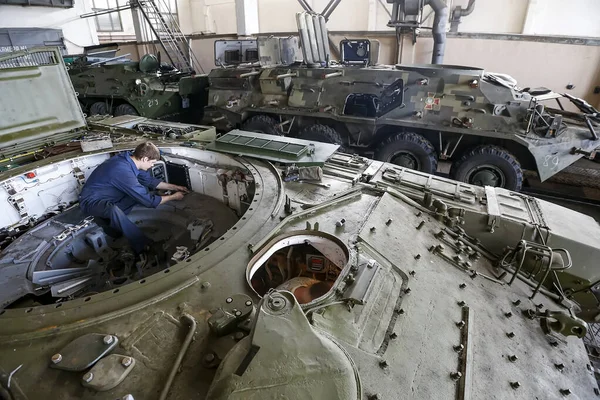
More hulls do not automatically equal more combat power if the sustaining architecture cannot scale with them-particularly when external support policies fluctuate, and when the threat environment forces repair work to be dispersed, concealed, and repeated under pressure. The Abrams experience of Ukraine, especially now that Australian vehicles have entered the mix, underscores one lasting engineering reality: heavy armor is not a capability-it’s a moving industrial system that has to survive contact not only with enemy weapons but also with time, wear, and with the logistics network which either keeps the fleet alive or quietly determines how fast it disappears from the order of battle.


