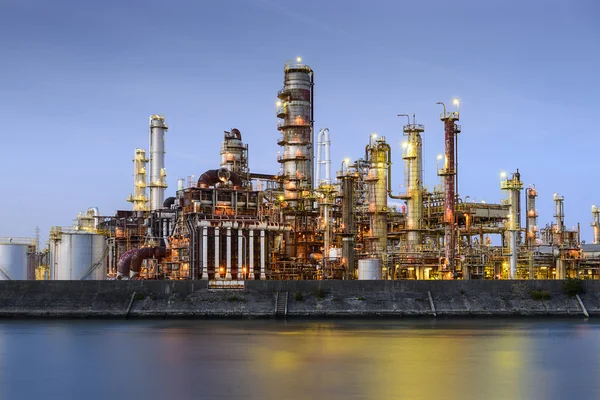
One gallon per day is not the throughput expected from a refinery. It is, however, the claimed pace of a new class of compact machines that try to make gasoline without starting from petroleum by treating air, water and electricity as the feedstock.
That ambition sits inside a broader industrial category often called e-fuels: liquid fuels synthesized from basic molecules such as CO2 and hydrogen. The appeal is straightforward for engines that are hard to swap out in a hurry-especially in applications that still demand energy-dense liquids-while the engineering reality is more nuanced, since the carbon and energy accounting depends heavily on process details and power sources.
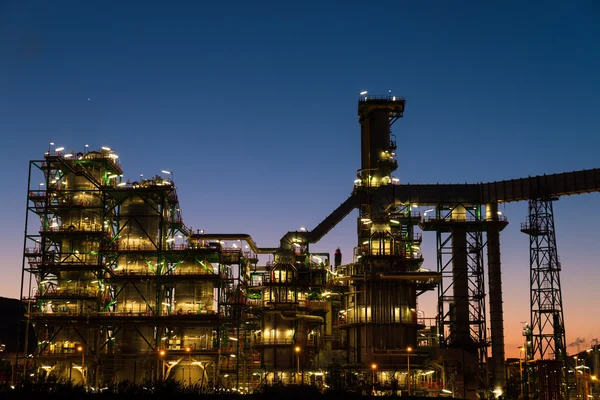
Below are a few of the numerous non-petroleum pathways and technologies now shaping what gas alternative can mean, from rooftop-scale synthesis to industrial direct air capture systems, and the hydrogen hardware supplying them.
1. Rooftop Air-to-Gasoline Microplants
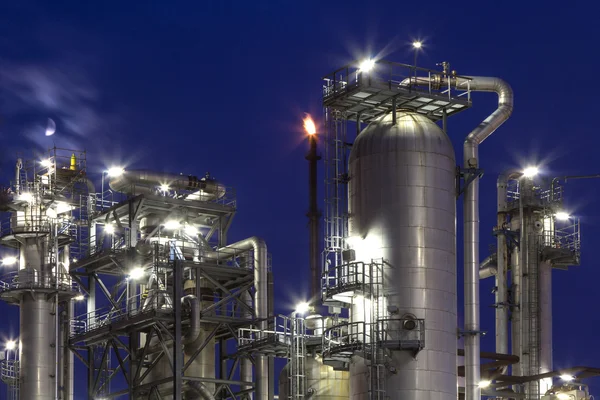
Aircela denotes an apparatus that captures CO2 from the ambient air by means of a water-based solution containing potassium hydroxide, KOH; generates hydrogen by electrolysis; and subsequently synthesizes methanol and upgrades it into gasoline by means of methanol-to-gasoline catalysis. The most attention-grabbing attribute is its size-to-output ratio: up to one gallon of gasoline per day, presented as small enough for homes or small commercial sites. In engineering parlance, this is a tightly integrated chemical plant compressed into an appliance-like footprint. The unit operations-Co2 capture, hydrogen production, and fuel synthesis-are each independently fairly well understood, but it’s tough to integrate them at a small scale without forcing tradeoffs in heat management, catalyst longevity, and maintenance cycles.
The carbon capture step in the machine relies on familiar base chemistry, while the hydrogen step inherits the dominant constraint of this entire category: electricity demand. Air-to-fuel only gets meaningfully low-carbon when powered with low-carbon electricity, since the electrolysis and capture steps both translate directly into kilowatt-hours. The key difference for readers following practicality, however, is not if the fuel can run in existing engines-but it can, in principle-whether distributed systems can be reliable enough for routine use, with predictable consumables, safe storage, and serviceability that matches expectations for everyday equipment.
2. E-Fuels for Hard-to-Electrify Engines
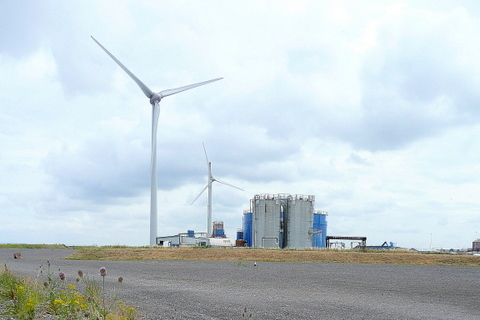
In the framing of e-fuels, the alternative to gasoline is not always a new vehicle platform but a new production pathway. Aircela places its device within the broader category of e-fuels described as fuels usable in conventional engines and built from components such as CO2 and hydrogen, rather than refined from crude. That positioning aligns with the persistent challenge in transport decarbonization: large swaths of the sector, including aviation and long-haul duty cycles, still lack simple replacements for energy-dense liquid fuels.
What matters technically is that e-fuels move most climate leverage upstream into power generation and process efficiency. If clean electricity supplies the hydrogen and plant energy, the fuel’s lifecycle footprint can drop sharply; if not, the benefit erodes quickly. Cost remains the binding constraint, and scaling typically demands early markets that tolerate premiums while hardware improves.
3. Direct Air Capture Plants Which Feed Synthetic Fuels
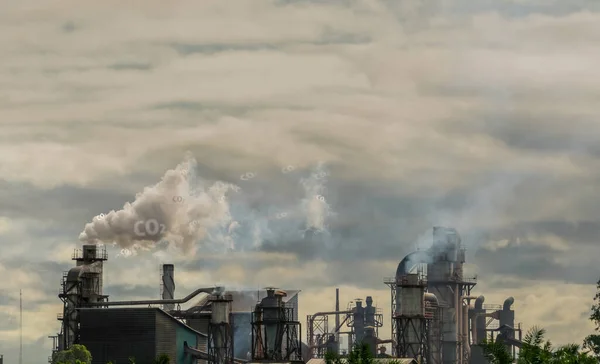
Direct air capture is more often thought of in terms of climate infrastructure, though it also serves as a source of CO2 for synthetic fuels. In each, DAC systems draw CO2 from ambient air using liquid solvents or solid sorbents before releasing a purified stream into storage or use. The key selling point for fuel-makers is that DAC affords geographic flexibility: It can be sited where clean power and handling of CO2 are possible-not necessarily where the concentrated emissions happen to exist.
Deployment is no longer purely conceptual: as of early 2025, about three dozen DAC plants were in operation, with many more in development, and named projects have publicized capacities from tens to hundreds of thousands of tonnes of CO2 per year. Those volumes are still small relative to global fuel demand, but they establish the industrial learning curve synthetic fuels depend on: lower fan power, better sorbents, and improved regeneration schemes.
4. The Lifecycle Math that Determines Whether a Fuel is Clean
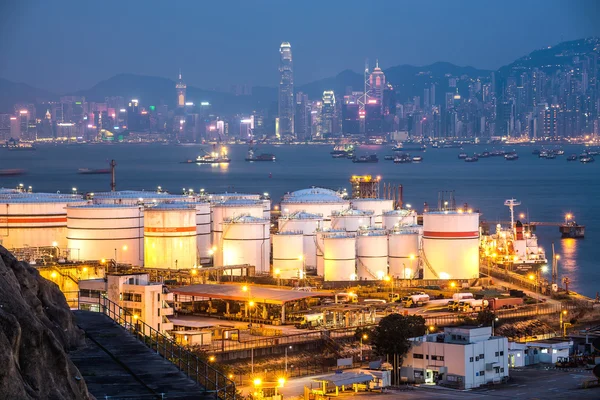
For any non-petroleum gasoline replacement, the question of tailpipe compatibility is secondary; it is lifecycle impact. More often, regulatory and technical frameworks assess fuels by means of well-to-wheel or lifecycle analysis, which considers feedstocks, processing energy, distribution, and use-phase emissions. In the U.S., this is usually codified into methodologies such as EPA’s lifecycle analysis, which unmistakably encompasses emissions related to fuel production and electricity inputs, in addition to combustion.
This matters because synthetic gasoline still emits CO2 when burned. The climate case rests on whether that CO2 was recently captured from the air (or another biogenic source) and whether production avoided significant emissions. Because of this, identical gallons can carry very different carbon intensities depending on grid mix, electrolyzer efficiency, capture energy, and plant integration. LCA also brings tradeoffs into view that are hard to appreciate when putting a new product through its paces: water consumption, land footprint for renewables, and the embedded impacts of materials and catalysts.
5. Electrolyzers: the Hidden Engine Inside Most Fuel Alternatives
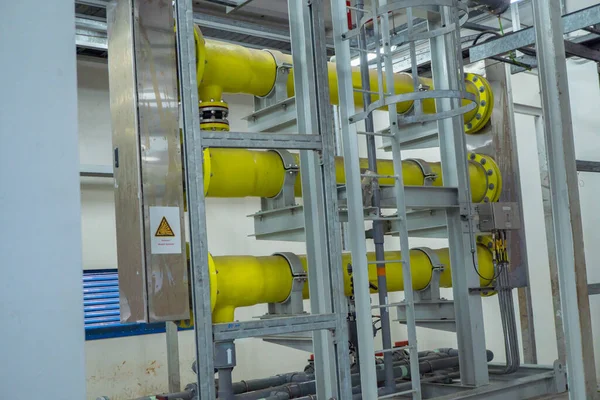
Hydrogen production sits at the center of most e-fuel pathways, with the electrolyzers determining a large share of system efficiency and cost. Designs vary, including polymer electrolyte membrane (PEM), alkaline, and solid oxide; each has different operating conditions, a different materials stack, and different integration constraints. PEM systems run at the low-temperature end of the spectrum, while solid oxide units operate at high temperatures and can utilize heat to reduce electrical demand in the process.
The practical takeaway is that synthetic gasoline is often electrolyzer-limited. When electricity is expensive or carbon-intensive, the fuel inherits those disadvantages directly. When electricity is abundant and low-carbon, electrolyzers become a tool for converting variable power into storable chemical energy one reason electrolysis is frequently discussed alongside renewables integration and grid balancing rather than only as a fuel component.
6. CO2 Utilisation Pathways Beyond Gasoline
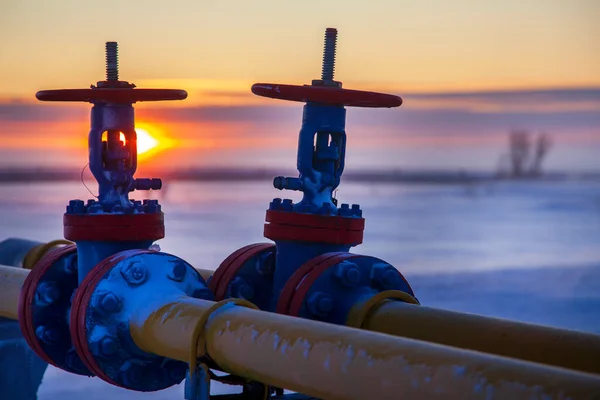
Turning CO2 into a usable product does not have to stop at gasoline-range hydrocarbons. Research and pilot-scale development spans chemicals and alternative liquid carriers, including pathways positioning certain products as hydrogen carriers or feedstocks for other synthesis routes. Engineering motivation is partly economic: utilization can create revenue streams that offset capture costs, even when permanent storage is the more direct route for atmospheric drawdown.
From a systems perspective, this expands the design space for gas alternatives. Some approaches aim at drop-in fuels; others aim at molecules that fit different infrastructure constraints, such as easier storage, safer handling, or different end-use devices. The common dependency remains the same: clean energy and credible lifecycle accounting.
7. The Scaling Constraint: Clean Electricity, Water and Heat
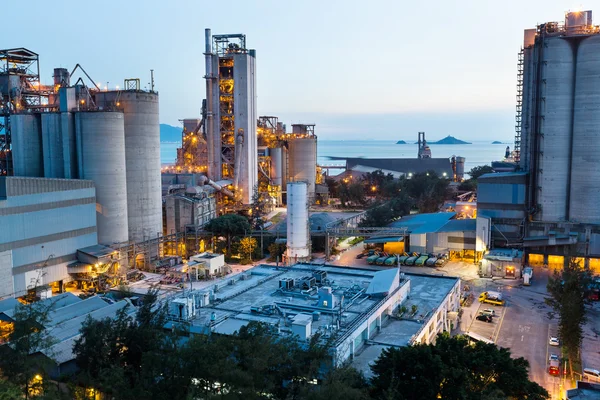
Air-to-fuel technologies often seem deceptively simple at the block-diagram level – capture carbon, add hydrogen, synthesize fuel – but scaling reveals hard resource coupling. DAC itself can be highly energy-intensive, and published assessments show resource demands that vary widely by design. One 2025 review of DAC with storage reported water consumption ranging from 1 to 12 tons per ton of CO2 captured and net greenhouse gas reductions that depend strongly on system choice and operating context.
For compact fuel-synthesis appliances, those become siting questions: where the electricity comes from, whether heat can be recovered, and whether water sourcing is straightforward. For industrial plants, they become infrastructure questions: additional renewables buildout, transmission, CO2 handling, and long-term operations. Either way, the engineering challenge is the same: to make the full chain efficient enough that the fuel is not only technically compatible but resource-credible at scale.
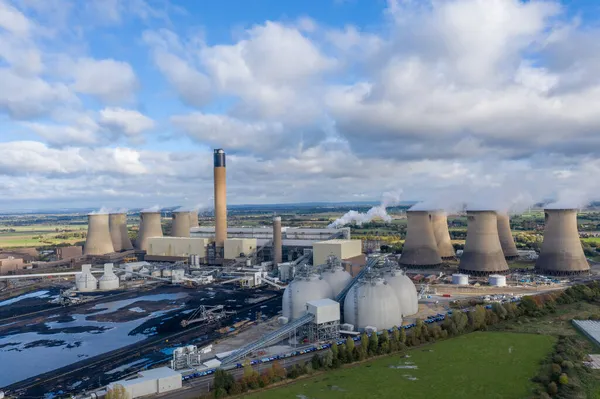
Across these, the most durable theme is not a single breakthrough chemistry but the convergence of three maturing toolkits: CO2 capture, electrolysis, and catalytic upgrading. Different combinations produce very different gas alternatives, even when the end product looks similar at the pump. For modern engines and legacy fleets alike, the move away from petroleum gasoline is increasingly defined by upstream engineering-how molecules are sourced, how energy is supplied, and how lifecycle impacts are measured-rather than what happens inside the cylinder.


