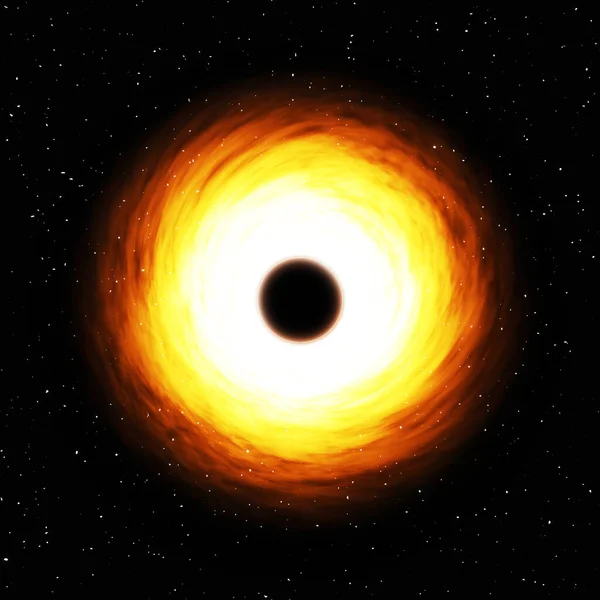
Will the film’s black hole that transported Cooper through the galaxies in Interstellar be ever one day charted as accurately as the black holes taking shape today? That query will fuse Hollywood artistry with the labor of astrophysics research and scientists are in a race to fulfill it with technological advancement that stretches the boundaries of observation and computation.

1. From Screen to Science
By the time Christopher Nolan released his film, Interstellar the wormhole was not only a visual spectacle but was based on the equations and ray-tracing created by a physicist, Kip Thorne and the visual effects team of Double Negative. Astrophysicist Erin Macdonald has observed the impact of the treatment of space-time in the film on scientists, providing the general population with one of the few chances to see the geometry of relativity with cinema-clarity. The model of the Dneg wormhole that was utilized in the movie took into account the adjustable parameters of the throat radius, length and the width of the lensing such that the team could experiment with the universe and find out how the gravitational lensing would bend the stars fields at the end of the wormhole.
2. Wormholes in Theory and Experiment
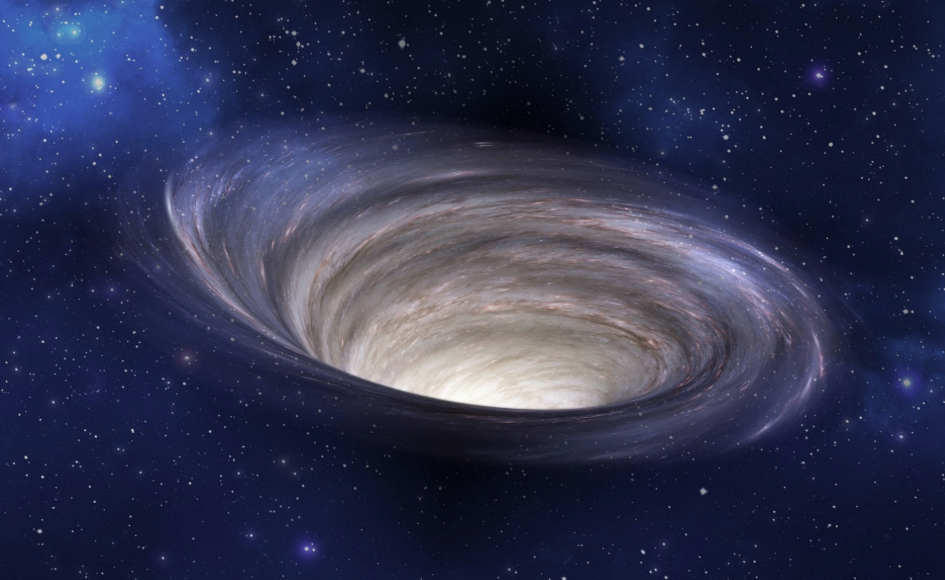
Real wormholes remain speculative. Solutions to Einstein’s field equations permit them, but stability would require “negative energies” far beyond what is currently achievable. Some researchers, like Daniel Jafferis, have demonstrated traversable wormholes in laboratory analogues using quantum systems such as Google’s Sycamore chip, implementing holographic principles (ER = EPR) that link entanglement to wormhole geometry. These experiments operate in simplified anti-de Sitter space, but they offer tangible models for how information might traverse such a bridge.
3. The Breakthroughs of Event Horizon Telescopes
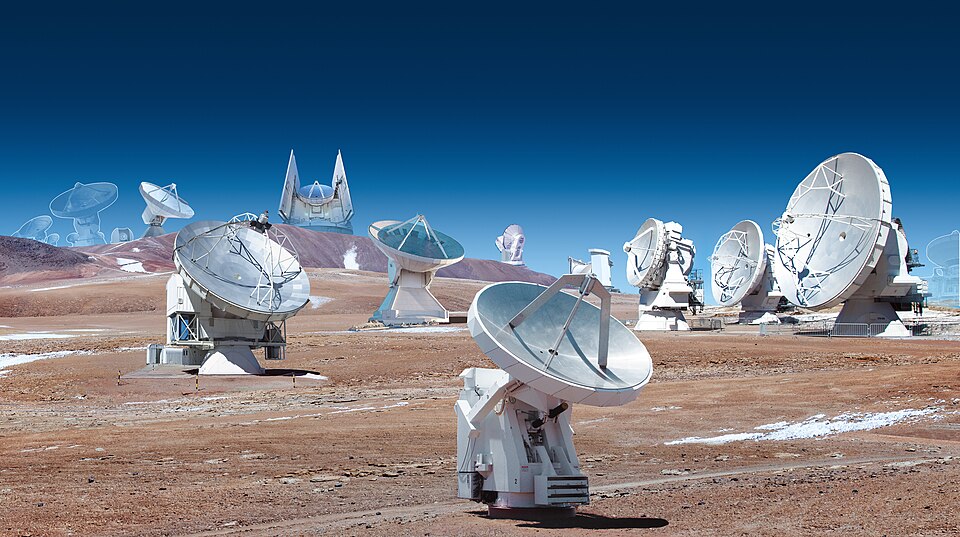
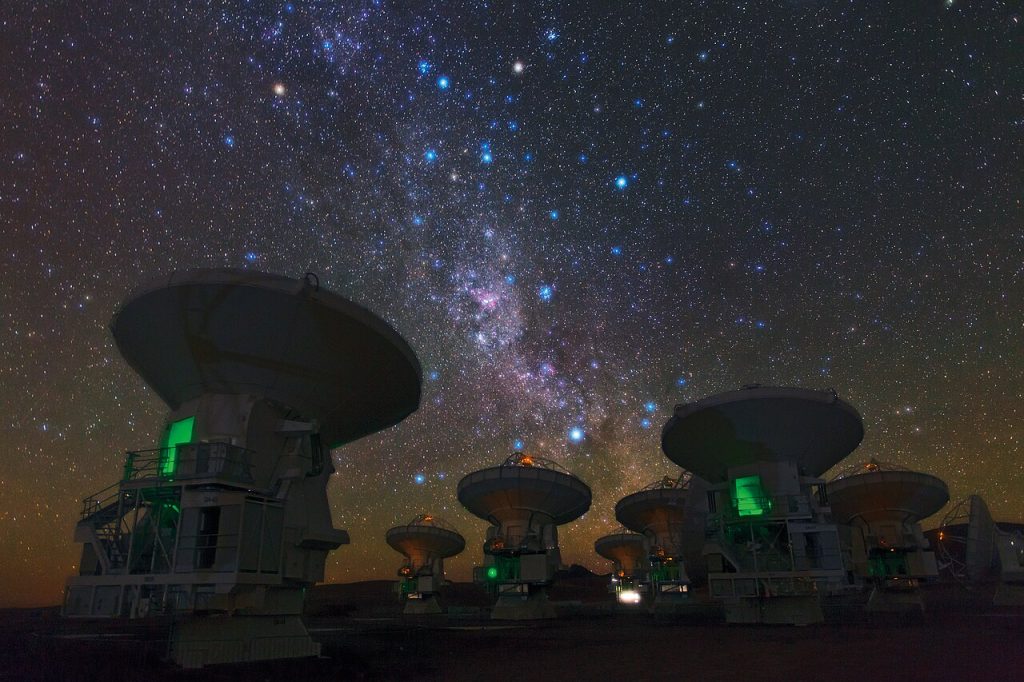
In the same year that Interstellar was made it is in the same year that the Event Horizon Telescope (EHT) was building a virtual Earth-sized array with very-long-baseline interferometry (VLBI). As of 2024 the EHT has been extended to 345 GHz, with a resolution of 19 microarcseconds. The result of this jump is images of black holes that are half sharper than those at 230 GHz, allowing multi-color images of the photon ring, which is the light that is bent around the event horizon in a bright halo by the effect of gravity.

4. Dynamic Gravitational Tomography
The original black hole imaging team was headed by Dr. Kazunori Akiyama, but he is currently leading a team of 12 at Heriot-Watt University on the TomoGrav project, a £4 million project. They want to turn two-dimensional pictures into 3-D time lapse movies of a plasma and magnetic field swirling around the black holes. They are trying to solve the question of how the black hole spin is the cause of the development of jets stretching up to thousands of light years by complementing the world-class VLBI data with superior AI reconstruction algorithms.
5. Simulations of Gravitational Lensing
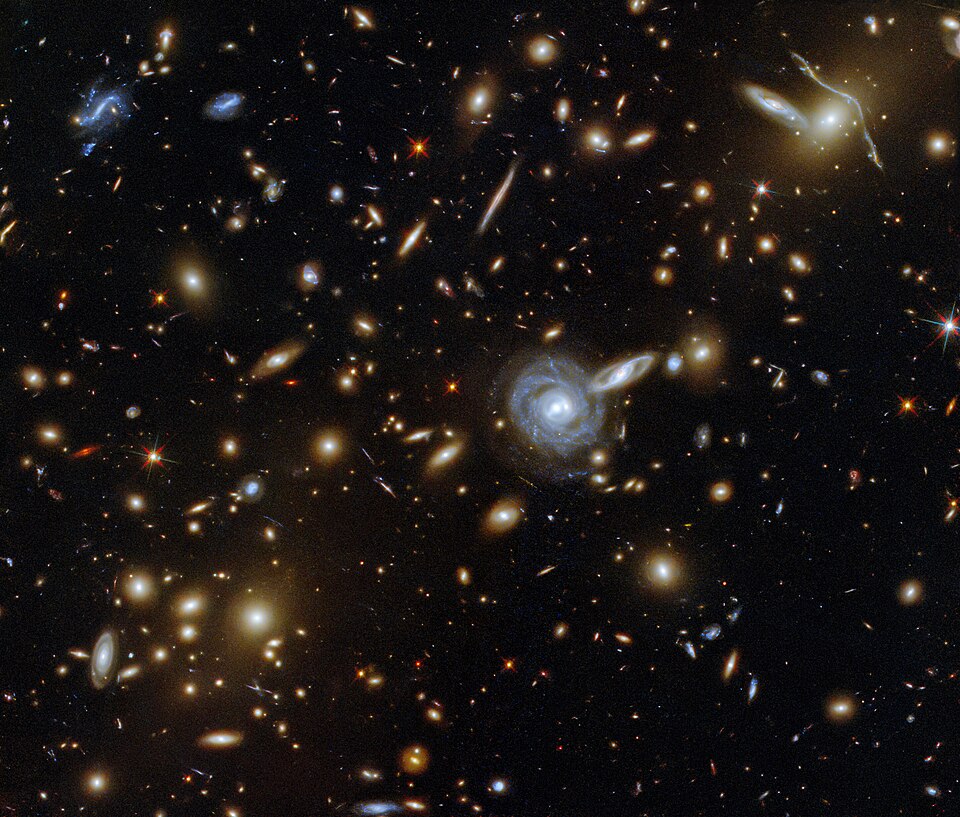
Proper visualization of extreme space time demands simulation of gravitational lensing- the bending of light by massive objects. Methods include educational 3D-printed models of dark matter halos, advanced 3D Bayesian models of relics of lensed galaxies, which decode the mass distribution of the lens, and the space-resolved spectral data of the source simultaneously. These techniques reduce beam-smearing and bring out fine velocity structures that would otherwise be lost in traditional imaging.
6. Photon rings and Space missions.
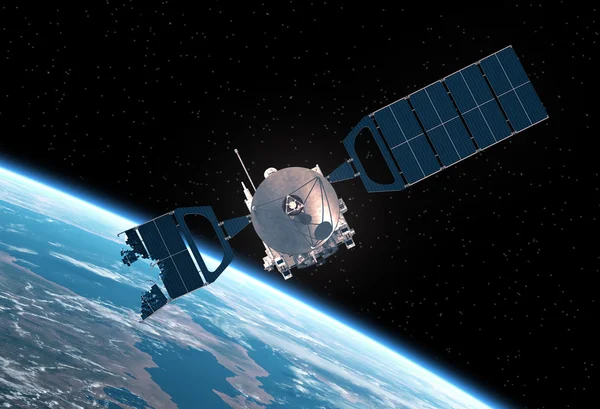
Future projects, such as the Black Hole Explorer (BHEX) intend to take the EHT into space to map photon rings more precisely, the light that has left a black hole on more than one orbit. These tests would test the general relativity of Einstein in the most extreme fashion, providing a severe test of the theory, and possibly deviations that would point to new physics.
7. The Films of the Factual Brand
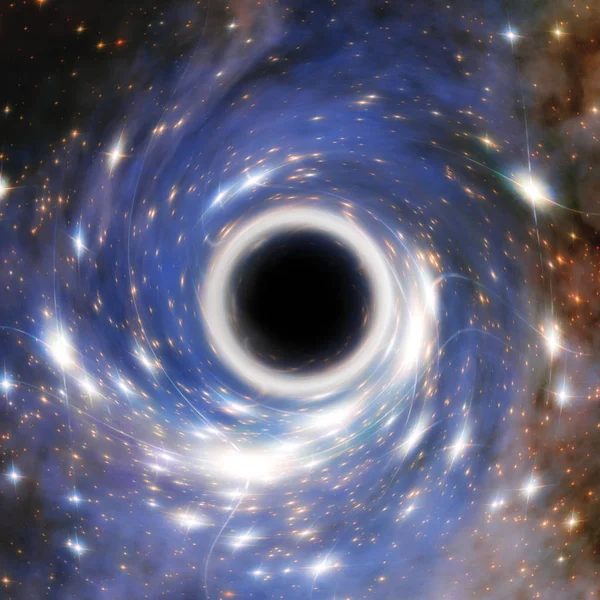
According to the ray-tracing code DNGR, which was written to simulate spheres of light on each side of a wormhole in the sky of a camera, the light of two spheres would be projected onto a camera. The same concept, which is to trace light rays in curved space, is the basis of real black hole imaging. In each scenario, fidelity of the image is determined by geodesic knowledge, the lensing distortions and the interaction of gravity and light.
8. One Step toward a Unified Visualization Framework
Combining visualization tools of the cinematographic perspective with the observational data streams, scientists see the possibility of making a future where a scientifically accurate 3D image showing a black hole environment will dynamically change in real-time in front of the people. This is becoming a possibility due to advances in AI-driven reconstruction, high-frequency VLBI, and lensing simulation, which is transforming what was previously a speculative fiction into a field of empirical study.
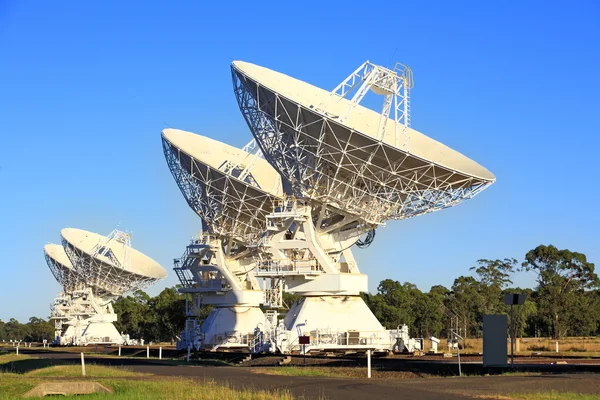
Competition to map these phenomena of the universe is equally about the optimization of tools to do it such as telescopes, algorithms, and theoretical models as much as it is about the discoveries. By combining art and science, researchers are opening the universe to more perspective of humanity, as well as adding more layers to the story of how we perceive it.


