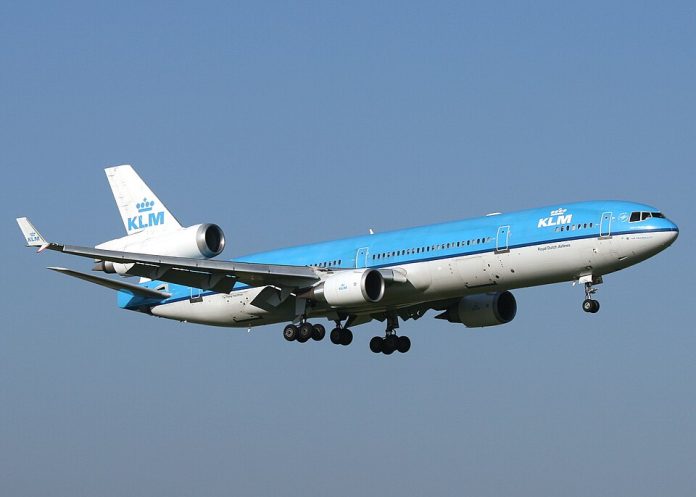
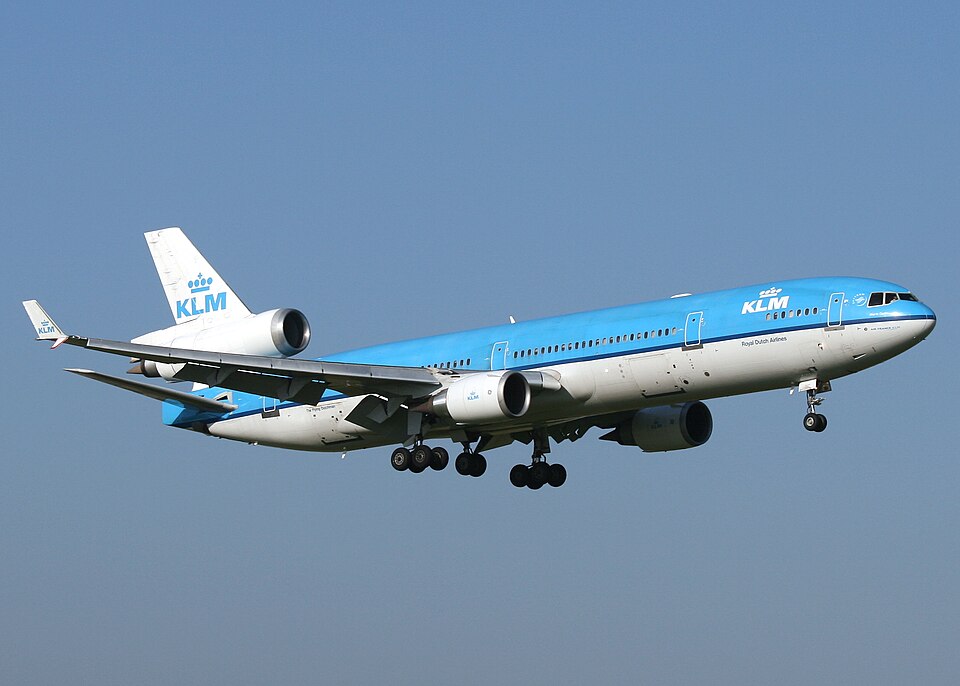
“Is it possible that a single engine that is detached will crash a huge cargo aircraft into the ground? This is the question behind one of the tragedies that have rocked the aviation and logistics industry. In November 2025, the fatal accident of a UPS McDonnell Douglas MD-11 that took place just outside the Muhammad Ali International Airport in Louisville resulted in the death of 14 people, property damage, and created a series of operational and regulatory effects.
Since then, investigators, regulators and industry leaders have been picking together what occurred and the impact it will have on air cargo operations. The story is being played on many fronts, specifically, technical discoveries on fatigue cracks, a nationwide fleet grounding, or even the concern of holiday delivery. These are the top ten developments that have taken place.
1. Separation of engines during takeoff
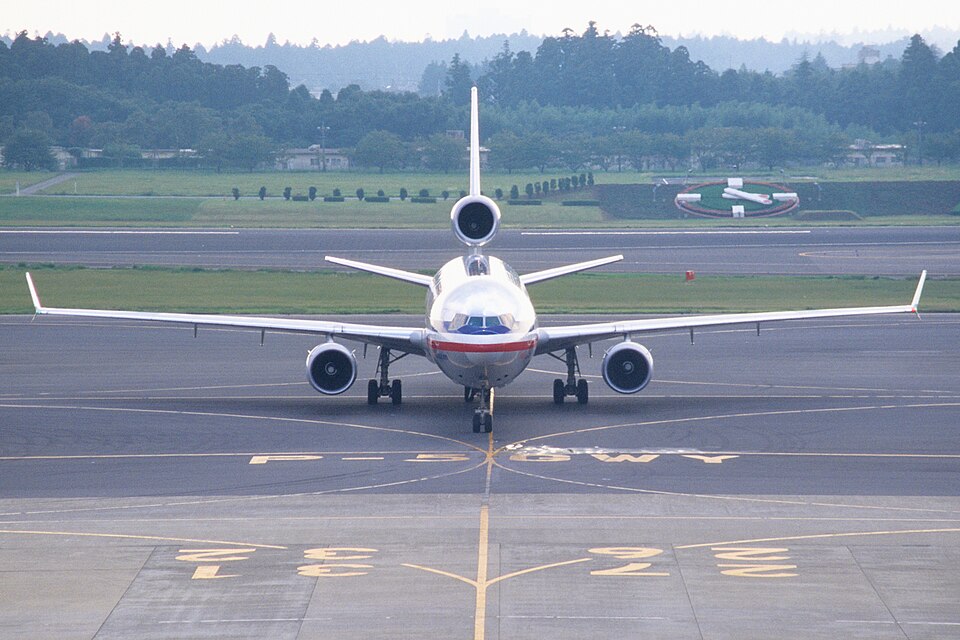
Video footage of the airport showed that the left engine of the UPS MD-11 has been detached during takeoff which started a fire almost instantly. NTSB member Todd Inman stressed that the state and the place of the engine are key points of investigation. Aviation analyst Mary Schiavo pointed out that this kind of break probably damaged the wing fuel tank, taking away control of the plane. This debris field was half a mile long and investigators found several parts of the engine fan blades and the larger part of the engine. This disastrous mechanical failure came at a time when the aircraft had not yet gone higher than 30 feet, which stresses the harshness of the circumstance.
2. Structural Failures NTSB Preliminary Findings
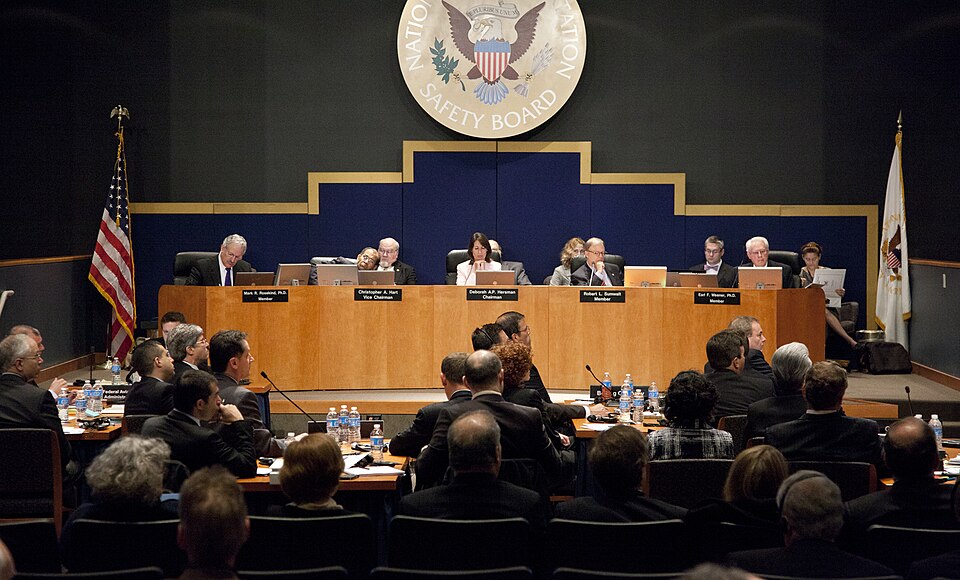
The original report prepared by NTSB disclosed that the left pylon aft mount lugs had cracks of fatigue in the aft mount and the aft spherical bearing race was also broken. There were also overstress failures. The pylon that attaches the engine to the wing was the last component that had been thoroughly visually inspected in 2021.The aircraft had almost 93, 000 flight hours and more than 21, 000 cycles and at the time the crash happened, the airplane was about to undergo its next scheduled inspection. These results suggest that long-term structural degradation might be one of the causes.
3. Black Box Data Recovery
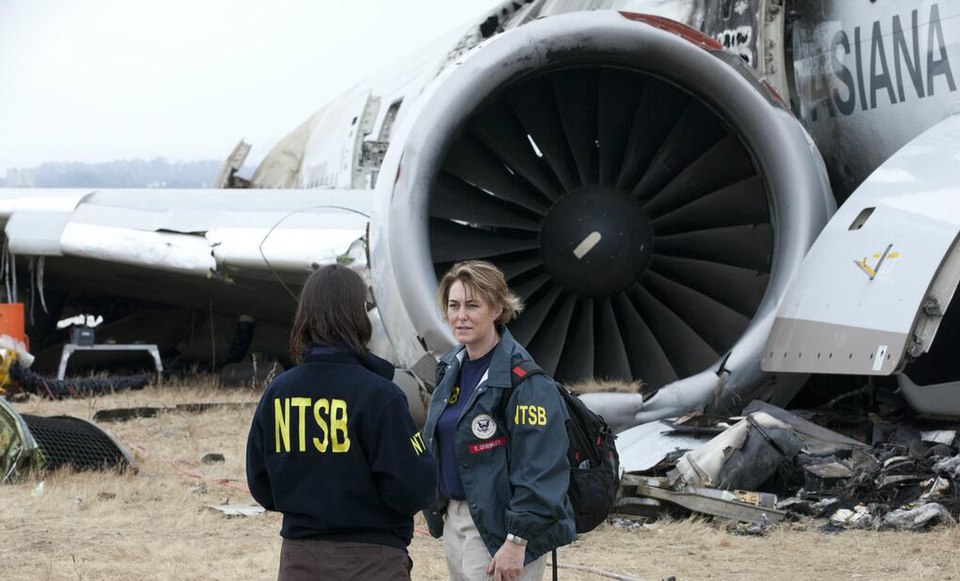
The cockpit voice recorder and the flight data recorder were retrieved and both yielded 63 hours of flight data and two hours of audio to investigators. The devices were not damaged even after exposure to heat. As NTSB member Chihoon Shin said, these tapes might give important information on the last-minute communication with pilots and their planes. Scholars emphasize that the key aspect in the analysis of black box is determining whether the crash was caused by the failure of the mechanical system itself or there were other factors at work.

4. MD-11 Aircraft Fleet Grounding
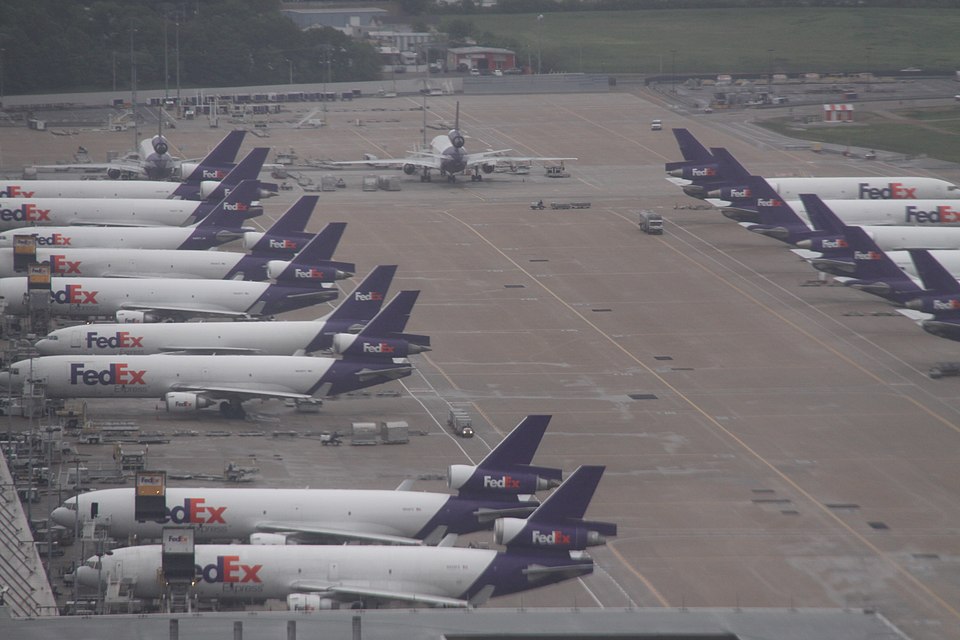
After the crash, FAA issued an emergency order that grounded all MD-11 and MD-11F cargo airplanes awaiting the inspection and the corrective action. In the question of caution, Boeing advised halting the operations. This was applicable to other aircraft that had engine-pylon designs.There are 26 MD-11s of UPS in over 500 planes, and 28 of FedEx in over 700. It is not clear when the grounding will end, as Boeing and the FAA are trying to work out inspection procedures.
5. Delivery Disruptions on Holidays
As the MD-11 that can hold 20 000 packages is grounded, the issue of shipping packages on holidays has also been raised. According to logistics professional, delays may affect the supposedly 2.3 billion packages to be delivered during the season once the process takes more than two weeks. The contingency plans of both UPS and FedEx include transfer of cargo to passenger aircrafts, trains as well as trucks. Nevertheless, these aircraft are crucial to the business since peak season demand implies that every inch of capacity counts, and their absence represents a major operational issue.

6. Financial Impact on FedEx
The MD-11 grounding hit FedEx CFO John Dietrich by an estimated 175 million to adjusted operating income, of which 25 million was realized in November. The charges in the month of December will be high since the company will be obtaining third-party air cargo capacity. Before mitigation, President Raj Subramaniam observed that the grounding eliminated approximately 4% of the FedEx world cargo capacity. Cross functional teams are busy at all times to ensure that the disruption of services is reduced at the busiest shipping season.
7. Air Traffic Control Staffing Crisis
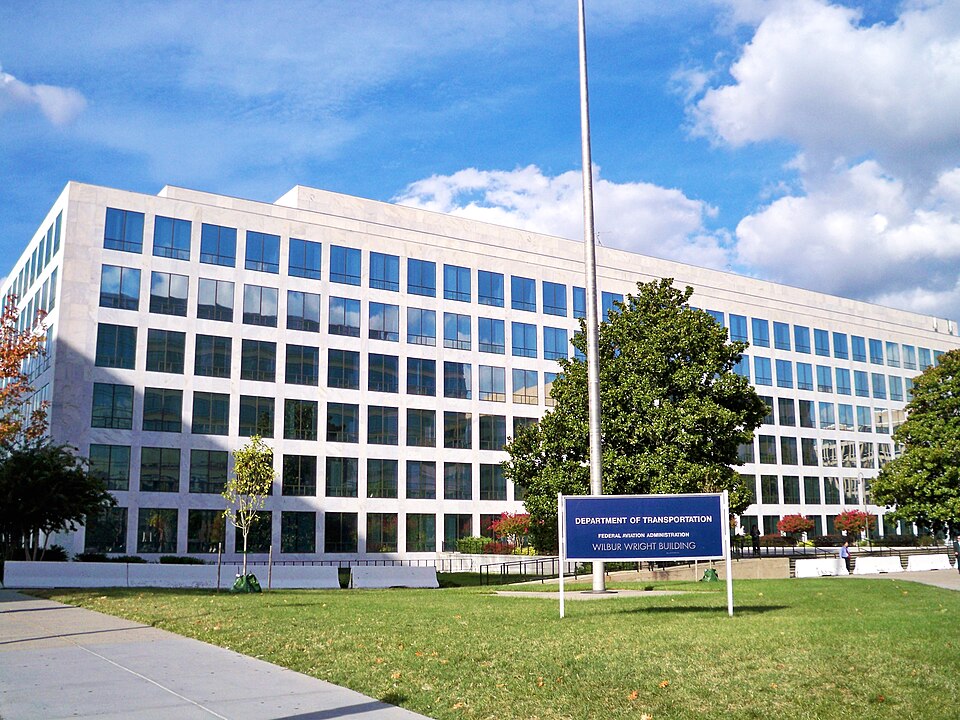
To worsen the case, the country is faced with a shortage of air traffic controllers nationwide which is compounded by the current government shutdown. The FAA has ordered to reduce flights gradually at 40 large airports by 4 and 10 percent.Transportation Secretary, Sean Duffy, issued a threat that reductions might be up to 20 percent in case the absenteeism persists. Although the integration of nighttime operations into the cargo carriers system exerts less pressure, the overall impact on the airspace system complicates recovery operations.
8. Under Maintenance History Scrutiny
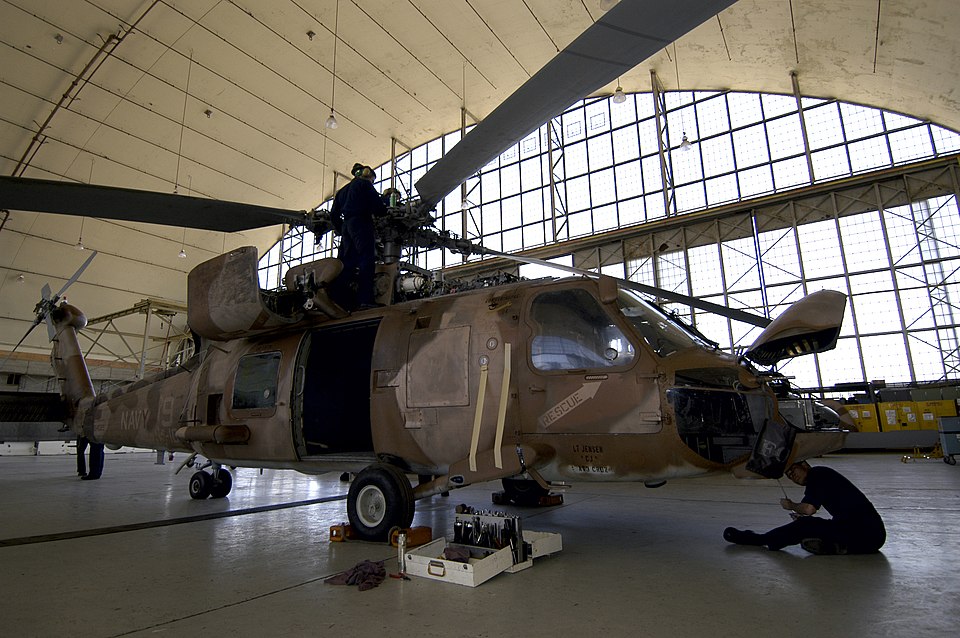
The MD-11 had already been serviced in San Antonio earlier in the year, which put the aircraft out of commission during six weeks. All service records are being looked at by the investigators to see whether there was previous work that contributed to the failure. As noted by Mary Schiavo, it will be essential to determine what has been done, by whom and under what inspection procedures. The UPS said that no maintenance was done right before the crash, but it is being independently verified.

9. Impact and Recovery in the Community
Mayor of Louisville, Craig Greenberg reported of smoke, rubble and people confined in houses. The heat and exits blocked hindered rescue operations and took more than an hour before some of the survivors were rescued.Governor Andy Beshear has encouraged people to help the families of the victims, as it had taken its emotional toll: “They are suffering, they will have an empty seat at their table this Thanksgiving. The work of cleaning up goes on with the cataloging of the debris.

10. Investigation Timeline (long-term)
Although the initial report provides initial information, the NTSB projects its investigation to take 18-24 months. Some factors that are being reviewed are the environmental conditions, actions of the pilots and integrity of the aircraft.Historical experience demonstrates that complicated mechanical issues may take a long time to analyze, and their ultimate recommendations may affect the quality of maintenance and the behavior of fleet management throughout the industry.
The crash involving UPS Louisville has begun a complex investigation that involved engineering, operations and safety regulation. Since the instantaneous grounding of MD-11 flights to the laborious rescue of black box data, every new facet is being added to the comprehension of the cause of the failure. The months ahead will be a critical one to the aviation safety advocates and professionals in the industry as the technical conclusions and the lessons learned in the operation of this tragedy.


