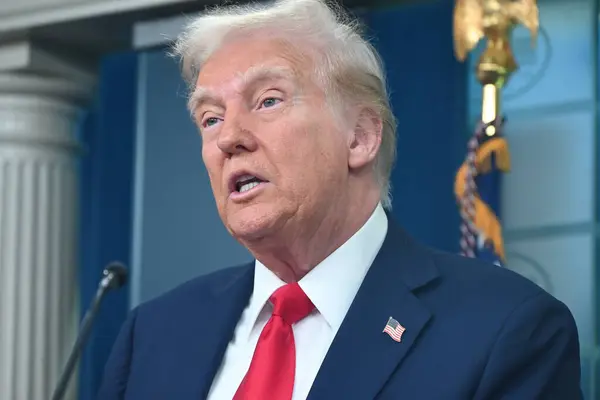
If you will, the newest spat between Washington and Tehran is more than rhetoric one-upmanship. In an interview shortly after warnings from U.S. President Donald Trump of fresh military strikes against a renewal of nuclear activity, an Iranian president, Masoud Pezeshkian, promised a “harsh and discouraging” response to any attack. This is layered atop the aftermath of a devastating June 2025 air war, intelligence disputes, and a nuclear program operating at the edge of weapons capability.
But to any keen defense analyst or geopolitical observer, confrontation is also a complex weave of military signaling, intelligence gaps, and strategic doctrine. This peculiar position enjoyed by Israel further adds to the complexity because it falls into the ambit of being a direct participant and a driver of the U.S. policy. Uncertainty as to how long it would take for Iran to breakout into a nuclear weapon is another complicating factor to making decisions. The following lines will present ten crucial flashpoints of this high-stake standoff.
1. Pezeshkian’s Public Warning
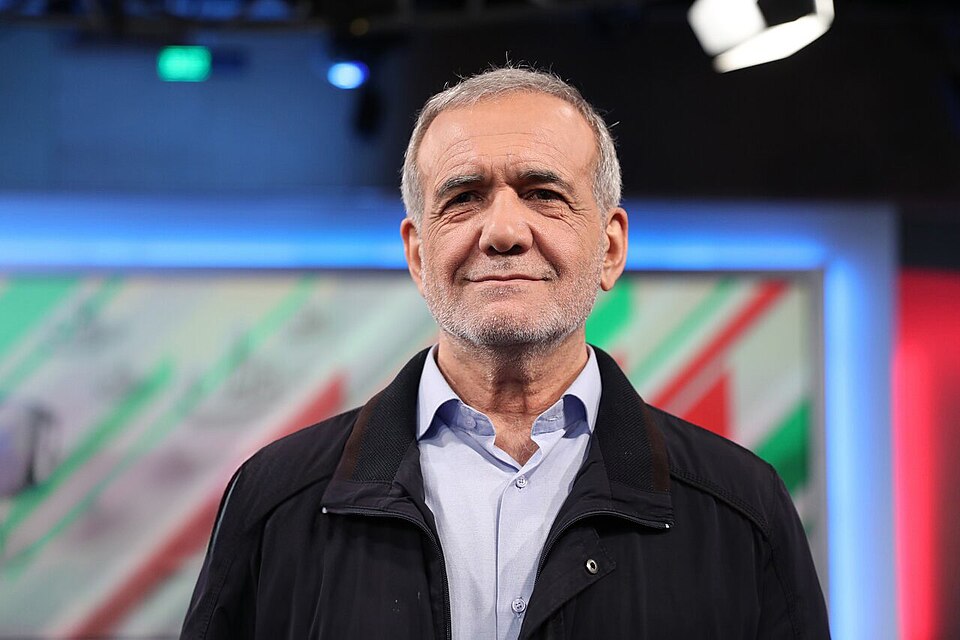
President Masoud Pezeshkian took to X to flatly threaten that the response of Iran to “any cruel aggression will be harsh and discouraging”. While he remained nonspecific, the timing-one day after Trump’s remarks on “knocking down” Iran’s nuclear rebuild-left little question as to its intended audience. He also referred to the recent situation as a “full-scale war” with the U.S., Israel, and Europe-together portraying the external powers as those dedicated to destabilizing Iran.
2. Trump-Netanyahu Alignment
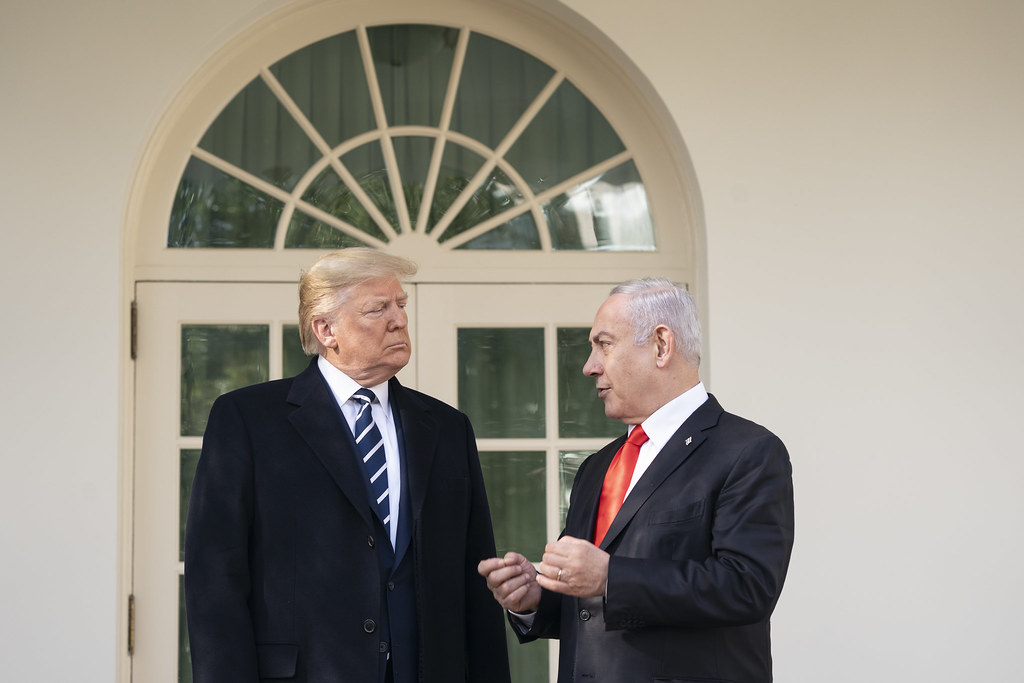
During a meeting in Mar-a-Lago, Trump and Israeli Prime Minister Benjamin Netanyahu discussed contingency plans for resumed strikes. One thing that spoke more clearly of his will to escalate was a remark by Trump that consequences could be “more powerful than the last time”. Netanyahu has built up the Iranian threat into the very core of his decades-long political career, but lately, he has concentrated much emphasis in his public discourse on issues of missile activity. Israel has worked hard to align its threat perceptions with Washington.
3. Aftermath of June 2025 Air War
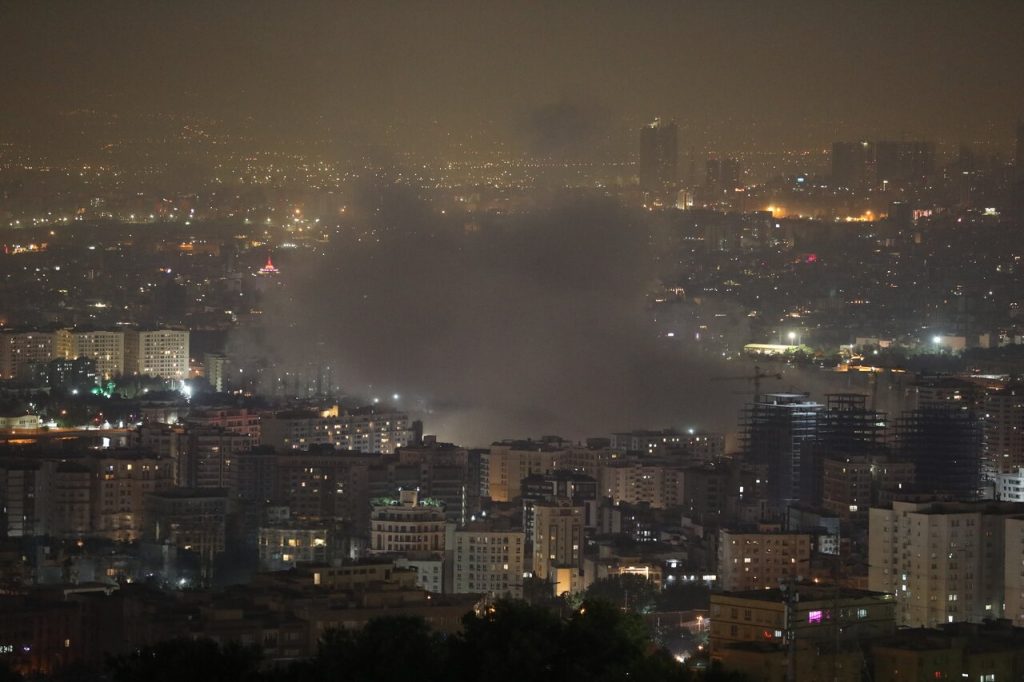
The war in 12 days killed close to 1,100 Iranians, including high-ranking military figures and scientists, and Iranian missile retaliation against Israel killed 28 there. Operations Rising Lion and Midnight Hammer reached as far as Natanz, Fordow, and Isfahan. Initial Israeli estimates hailed the complete destruction of aboveground facilities, but U.S. Defense Intelligence Agency leaks told a different story: months-long setbacks at most, and at least some underground structures still intact.
4. Intelligence disparities
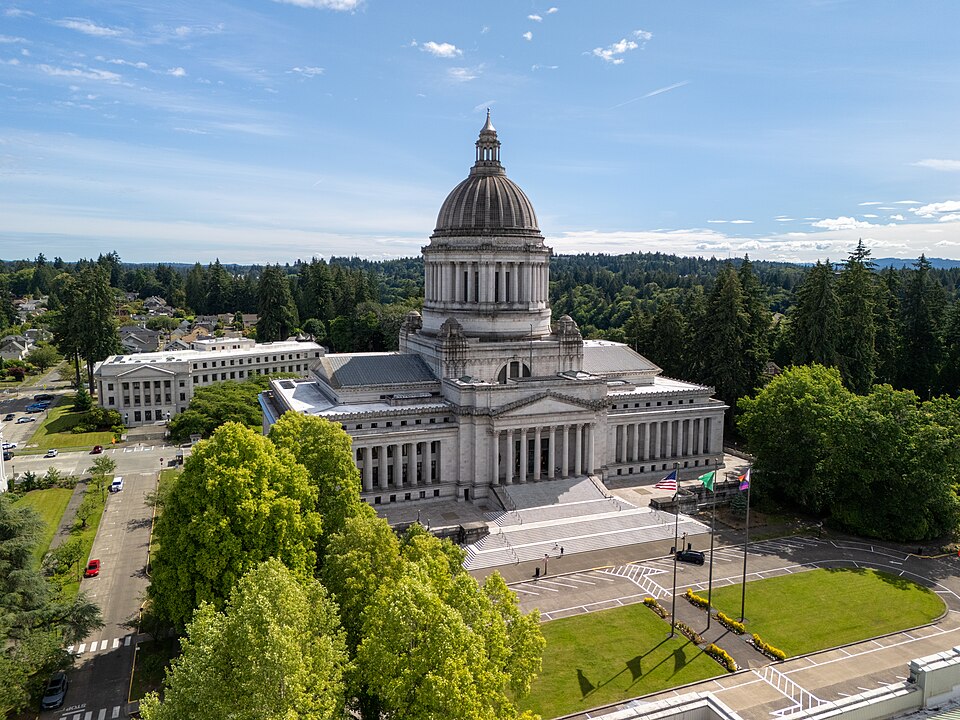
Of course, this gap between US and Israeli estimates is not new. Analysts in Washington have tended to want absolute proof of weaponization, while the intelligence agencies of Israel prefer early warning and pre-emption. With the Mossad allegedly on the ground before and after the attacks, Israel had a very different perspective that set it apart from what Washington was relying on-satellite imagery and seismic data.
5. Iran’s Missile Signaling
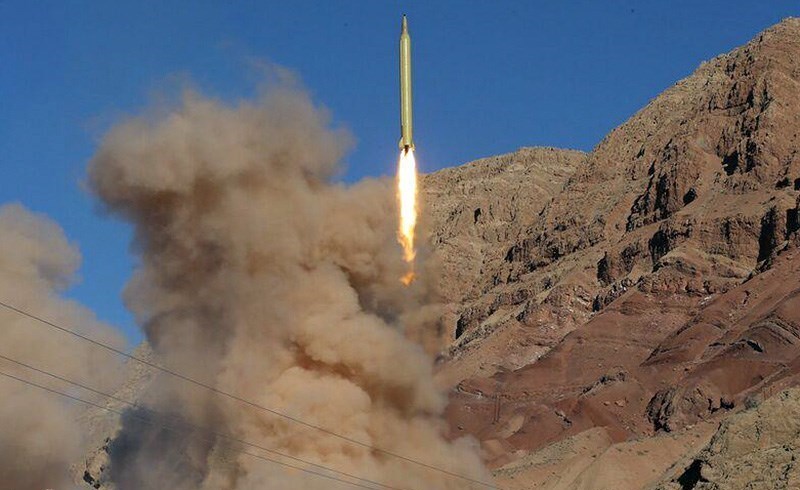
Then last December, ballistic missile tests were conducted by Iran in Tehran, Isfahan, and Mashhad. To the Israeli planners, these were proof of rapid restoration of capabilities with intent to deter by strength. Precision upgrades, solid-fuel systems, and survivable launch platforms improve the prospect of saturation attacks that could stress Israel’s multilayered defenses and compress timelines of warning.
6. Nuclear Breakout Timelines
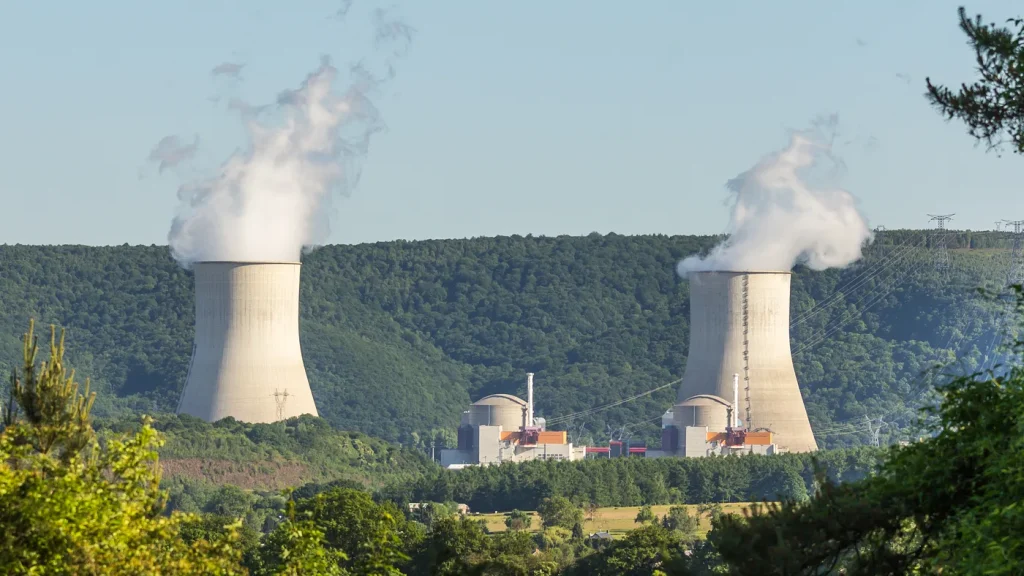
Depending on stockpile size, one May 2025 Defense Intelligence Agency assessment estimated the time for Iran to produce weapons-grade uranium of a bomb quantity at “probably less than one week”. Israeli sources are said to show that if the 20 and 60% enriched stockpiles are destroyed or buried, this would rise to 6-12 months. Breakout time will be based on centrifuge inventories, status of stockpiles, and facility damage.
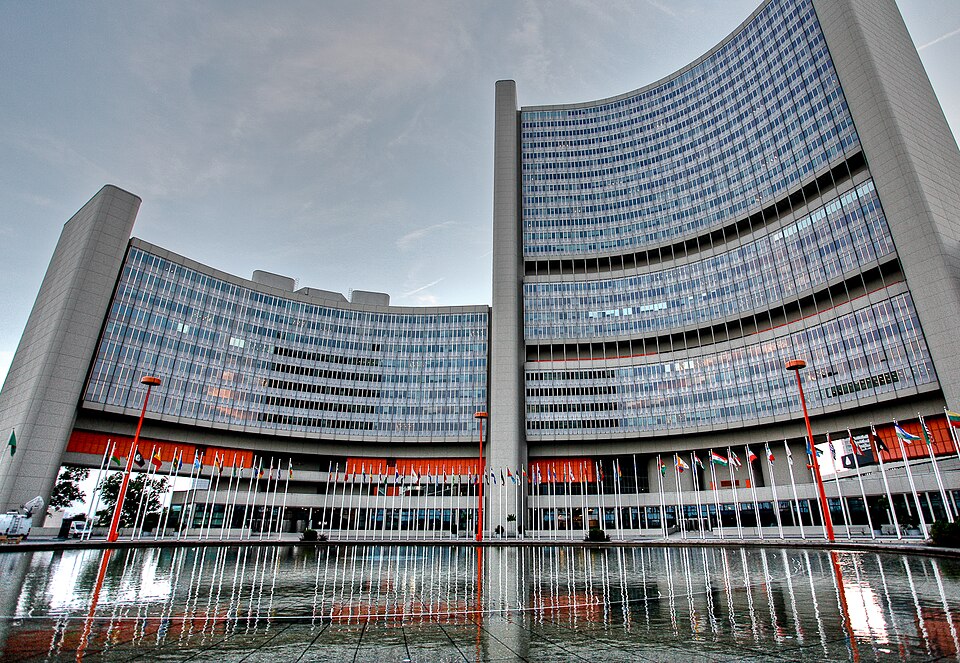
7. IAEA Monitoring Challenges
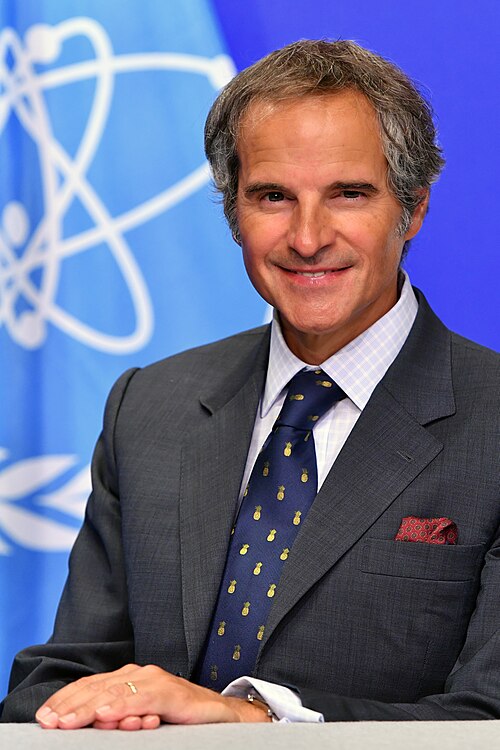
IAEA Director-General Rafael Grossi separately said the agency has no “concrete evidence” of a current weaponization program but enrichment faced severe setbacks since June strikes. Iran has blocked IAEA access to recorded data from centrifuge plants since February 2021, and in June 2022, removed monitoring equipment, creating verification gaps that shorten warning times.
8. Weaponization History
The IAEA, in its 2015 report, assessed that, before 2003, Iran had pursued a coordinated nuclear weapons program, with some activities continuing at least until 2009. Other activities included high explosive tests and neutron initiator work, as well as studies on integrating a weapon into a missile. According to Israel intelligence’s so-called “atomic archive,” Iran kept expertise through its program division into overt and covert streams
9. Risk of Secret Sites
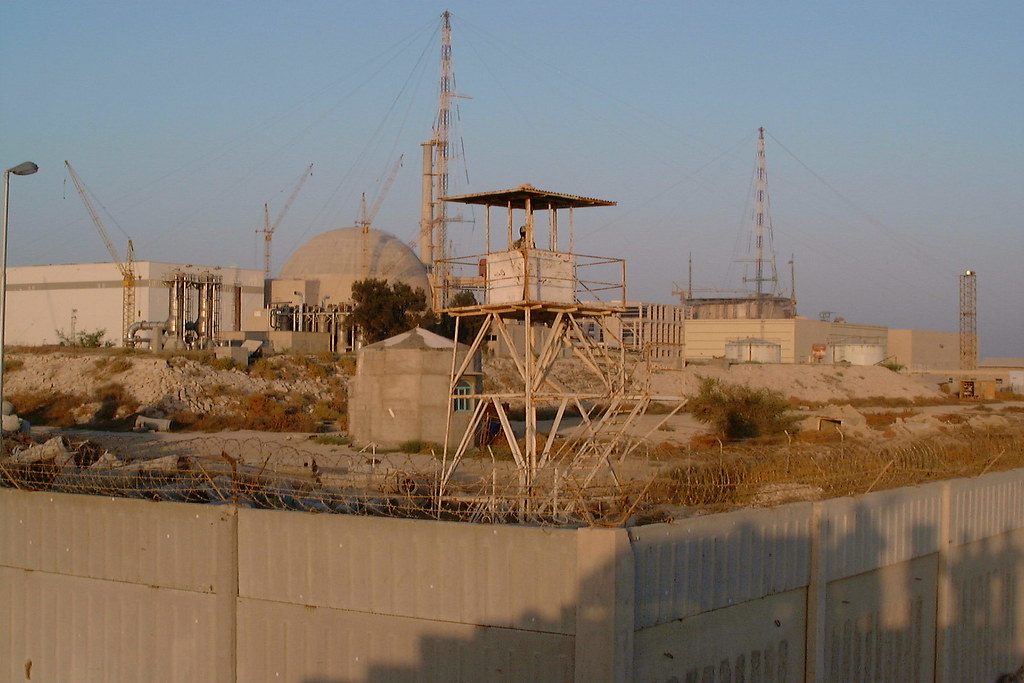
Analysts say Iranian advanced centrifuges allow enrichment in smaller, harder-to-detect facilities. A secret plant using 3,000 IR-6 centrifuges could make fuel for one weapon starting from natural uranium in 2.5 months; if fed 60 percent enriched uranium, that shrinks to days.
10. Domestic Pressures in Iran
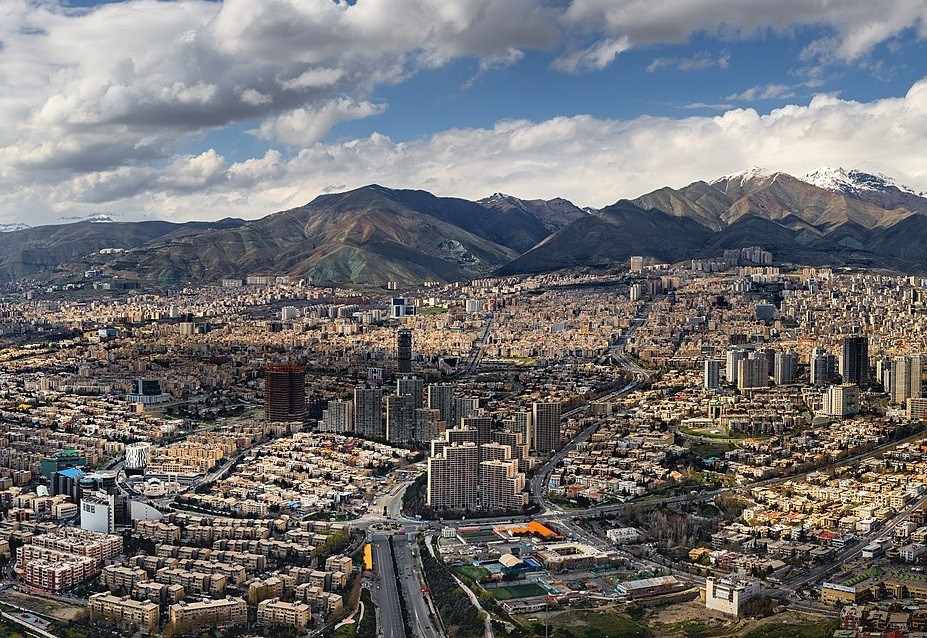
Meanwhile, Iran faces internal tumult in the face of geopolitical tension. Protestors outraged by a currency collapse have swept across the country, with clashes between protesters and security forces continuing. Pezeshkian met with business leaders, tasked the interior minister with engaging the protesters, and announced economic concessions and energy-saving closures. Domestic instability may influence Tehran’s strategic calculus.
The standoff between the U.S., Israel, and Iran represents a potent mix of military capability, political will, and interpretation of intelligence. Each flash point-from ballistic missile drills to disputes over stockpiles of uranium feedstock-continues to feed into a cycle of deterrence and escalation. The challenge for policymakers and analysts alike is reading intent before capability can be turned into action in this theatre, where one miscalculation can lead to wider conflict.


