How does a wartime tactic meant to strengthen Russia’s front lines end up destabilizing its own streets? The Kremlin’s large-scale recruitment of convicts for combat in Ukraine-once hailed by Moscow as a resourceful solution to manpower shortages-is now producing dangerous consequences inside Russia. What began as a high-risk gamble to avoid politically costly mass mobilization has unleashed thousands of battle-hardened ex-prisoners back into civilian life, many with violent pasts and fresh trauma from the front.
More than 180,000 convicts have been sent to fight since 2022-first under the brutal command of the Wagner Group and later via the Ministry of Defense’s direct control. This strategy, though briefly bolstering Russia’s war effort, has simultaneously triggered a surge in violent crime, eroded public safety, and exposed deep flaws in reintegration policies. From sensational murder cases to the spread of illegal weapons, the ripple effects now show across Russian society-and they threaten to grow worse.
1. The Scale of Convict Recruitment
Russian authorities have tapped an unprecedented pool of incarcerated manpower, sending about 180,000 convicts to Ukraine. Initially, Wagner Group recruiters toured penal colonies nationwide, offering pardons after six months of frontline service. After Wagner’s very public fallout with the Kremlin in 2023, the Ministry of Defense took over, and by October 2024, President Vladimir Putin signed legislation allowing defendants to avoid trial or sentencing by enlisting. This expansion targeted not only sentenced prisoners but also suspects in pretrial detention-a dramatic widening of the funnel of potential recruits.

2. Violent Crime Surge on Return
The independent outlet Vertska has reported that Ukrainian veterans have murdered some 550 civilians and injured another 465, with more than half of those crimes attributed to former prisoners. The British Ministry of Defence warned of “a significant challenge” posed by tens of thousands of violent offenders returning with recent combat experience. These crimes run the gamut from domestic violence to public murders, often in ways consistent with the offenders’ original convictions, underscoring the absence of effective rehabilitation or monitoring.
3. Serious Repeat Offenders
Cases such as that of Dmitri Malyshev-a convicted cannibal who was released to fight-have gained national attention. Malyshev was released briefly into civilian life before being dispatched again to the front with Storm-V, a penal battalion. Other cases have involved men pardoned for murder or rape who then went on to commit similar crimes, including killing spouses or partners after their return. Independent media have placed such stories consistently in the headlines, which has heightened public fear and eroded trust in the justice system.

4. Wagner’s Brutal Recruitment Methods
Leaked accounts from investigative reporting detail Wagner’s aggressive prison recruitment, including prison visits by Yevgeny Prigozhin himself. In exchange for freedom, cash, and benefits, prisoners were warned that desertion meant execution-a threat enforced by Wagner’s anti-deserter units. Many recruits received minimal training before being sent into human-wave assaults in battles like Bakhmut, where casualty rates among convict soldiers reached one in three.
5. Legislative Changes and Official Control
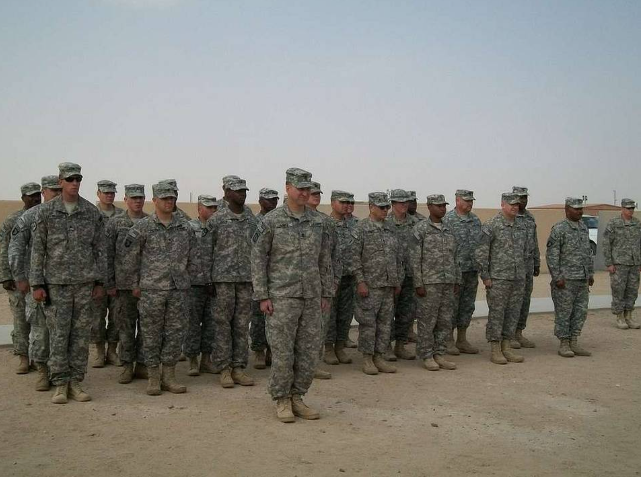
The Kremlin has formalized the recruitment of prisoners-except for those who have committed sexual crimes against minors and terrorism. According to the new rules, recruits no longer receive presidential pardons but conditional release in connection with military service. Contracts now last 18 months and are automatically extended under partial mobilization, which delays mass reintegration until the end of the war. Moving in this direction could reduce the immediate crime wave but at the risk of facing a concentrated release of violent offenders later.
6. Illegal Weapons Flooding Communities
Combat veterans have brought home battlefield weapons, fueling a rise in gun crime. Some border regions report triple-digit-percentage increases in firearms-related offenses. Black-market trafficking of “trophy” arms has emboldened organized crime groups, many of which actively recruit ex-combatants for their discipline and tactical skills, which ramps up gang rivalries and public danger.

7. Law Enforcement Strain and Judicial Leniency
Police forces are under-resourced as personnel are drawn into military service. Judges frequently treat participation in the war as a mitigating factor in sentencing violent crimes. In some cases, offenders have avoided any prosecution whatsoever by volunteering to return to the front-a practice described by Russia Behind Bars director Olga Romanova as turning law enforcement “upside down.”

8. Psychological Trauma and Social Instability
There are an estimated 250,000 veterans suffering from PTSD, yet support systems are fragmented. Returning convicts often go back into society without mental health care and with compounded risks of violence. Drawing parallels with post-Afghanistan and Chechnya ‘syndromes’, analysts warn that today’s larger scale, deadlier weapons and more violent recruits may mean even more severe waves of addiction, crime, and social alienation.
9. Strategic Backfire for the Kremlin
While convict battalions like Wagner’s and Storm-Z briefly boosted Russia’s battlefield capacity, their legacy at home is destabilizing. High-profile crimes have made the war visible in urban centers that the Kremlin sought to shield from its costs. This erodes one of Putin’s core political assets the perception of restoring order after the chaotic 1990s and it increases the risk of domestic unrest as the societal bill for this strategy comes due.
The use of convicts in Ukraine as expendable soldiers was supposed to solve a military manpower problem for Russia without provoking mass dissent. Instead, it has seeded a domestic security crisis that grows with each returning veteran. Short-term battlefield gains from the tactic are eclipsed now by long-term risks to public safety, judicial integrity, and political stability a reminder that wartime expedients can carry dangerous consequences far beyond the front lines.


