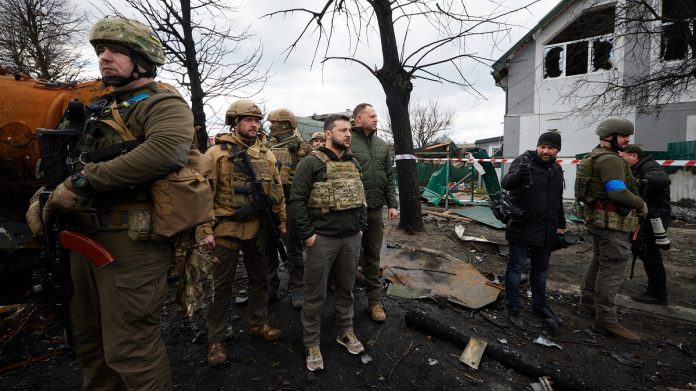
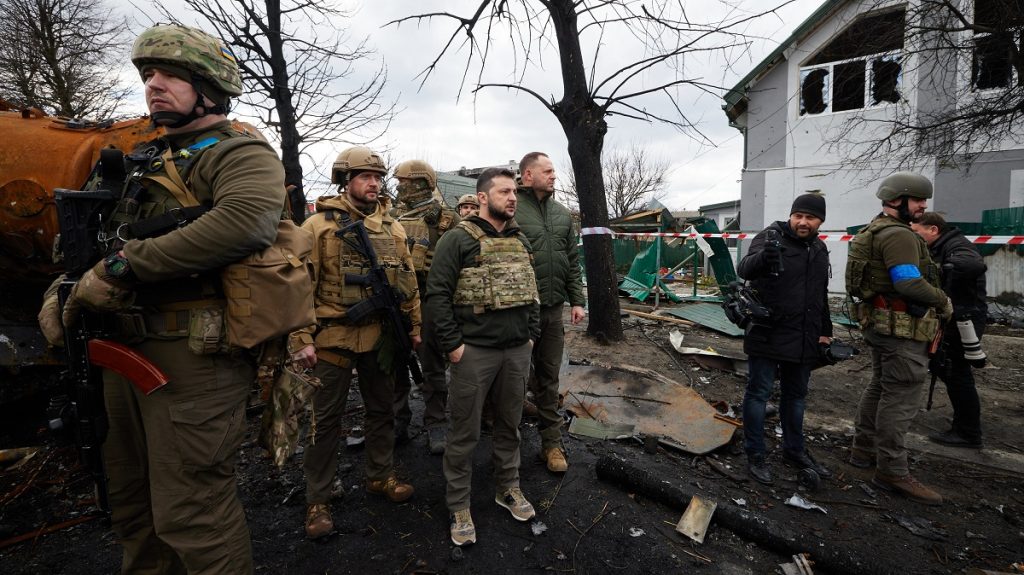
Is a billion-dollar weapons supply chain going to be crippled by a $50,000 drone? The answer to this question is yes based on the recent deep-strike campaign in Ukraine. A critical facility in Russia, the Krasnozavodsk Chemical Plant, an essential warehouse of munitions and thermobaric warhead production, was attacked on July 7, and a growing reality is that industrial rear bases, once thought secure, are now within the range of precision unmanned mechanisms.
This has not been a one-time case but a wider development in the warfighting strategy of Ukraine. With the help of AI-controlled drones, modular launchers, and strike range, Kyiv is destroying the war-industrial base of Russia even well behind the war lines. Such attacks reveal the weaknesses of chemical plants, the energy infrastructure, and drone production centers, which can be destroyed to impact the Russian military supply chains. It is of fighting importance to defense analysts and military technologists that the campaign provides important insights into the value of cost asymmetry, industrial endurance, and the pendulum of offense versus defense in 21st century warfare.
1. Krasnozavodsk Chemical Plant Strike: A Strategy of Extremes
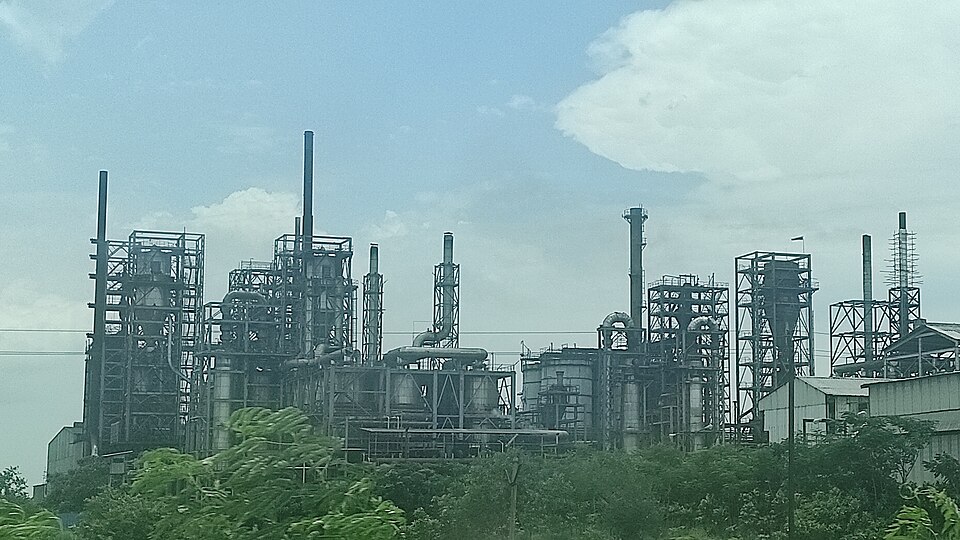
The Krasnozavodsk plant, at the distance of only 88 kilometers to Moscow, is part of the Russian capabilities in manufacturing explosives, artillery shells, and thermobaric warheads. It supports the Defense Ministry, FSB, and Interior Ministry as a facility of the Rostec group and has tested its ability to strike targets at a significant distance and high accuracy on this very location, which is an important link in the logistics chain of rocket launchers such as the Uragan and Tornado-G. First hand reports indicated that there were various explosions within the plant, refuting official Russian assertions on mass interception of drones.
2. FP-1 Drone: Strikes on infrastructure to airborne murders
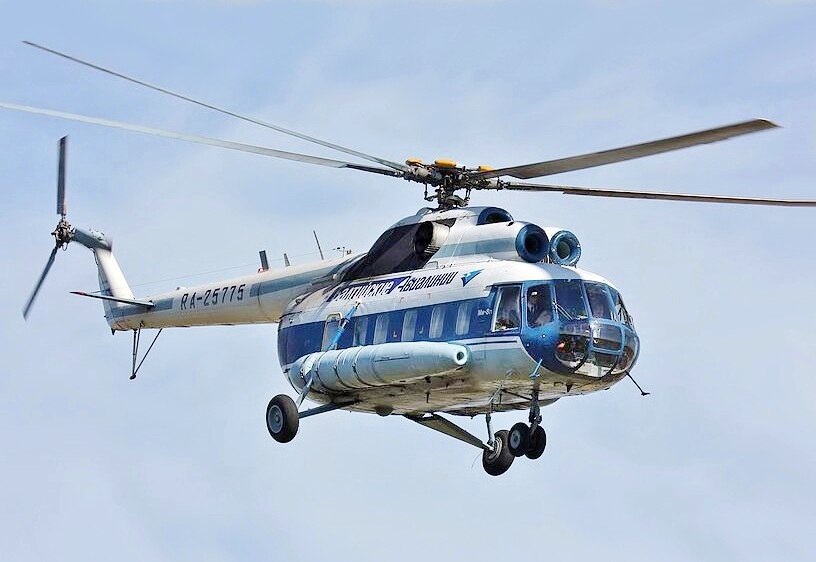
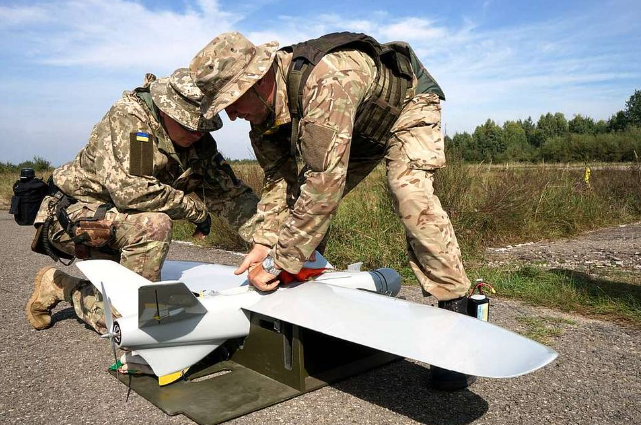
The Ukrainian FP-1 long-range drone, which was created in Ukraine and operates with 50-120 kg warheads, has gone past engaging in the stationary targets as it has developed the ability to operate with the range of 50-120 km and travel at a range of approximately 1600 km. In November 2025, the Special Operations Forces of Ukraine said that an FP-1 shot a Russian Mi-8 helicopter down over Rostov. This change in method of infrastructure attacks to airborne assets interception implies a doctrine designed to render Russian aviation a major worry at the depth of operations such that Moscow would be compelled to give second thought to helicopters interception operations.
3. Machine Vision and AI-Powered Targeting
Drones in Ukraine are getting more and more equipped with AI-based targeting systems and machine vision, which improve the accuracy of strikes to 80 percent, as opposed to 30-50 percent before. These systems are frequently based on open-source autopilot platforms and are resistant to GPS spoofing, as well as perform well in jammed conditions. Civilian innovation teams have lowered the cost of AI targets to as low as 25 dollars, making it accessible to large-scale usage of AI in the drone fleet of Ukraine.
4. Vulnerabilities of Industrial Chemical Plants
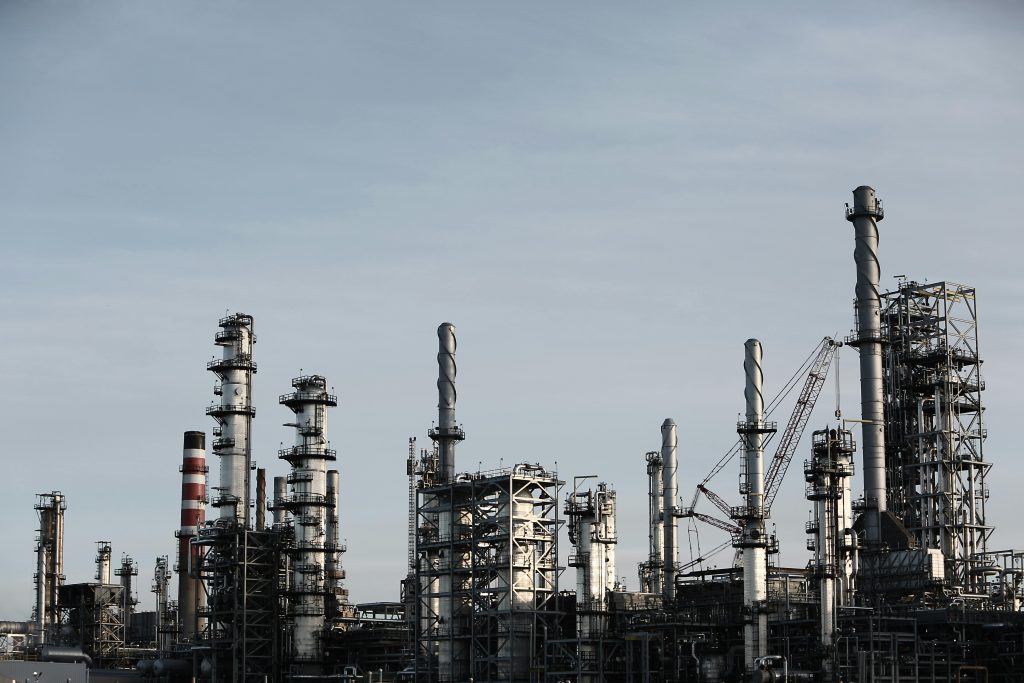
Chemical plants are inherently hard to protect against airborne attacks, a fact that Western safety analyses have long been warning of. They are high-risk targets due to the complexity of the process and the possibility of release of toxic substances that can be catastrophic. The strength of perimeter security and containment mechanisms is limited to their least strength, and the sabotage through drones only increases the vulnerabilities. Krasnozavodsk strike needs to bring to the fore inherently safer design and more robust emergency communication system in industrial plant.
5. Alabaga Drone Complex and Foreign Partnerships at Russia
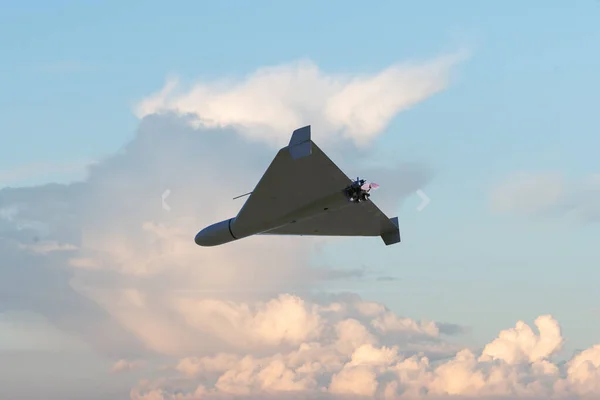
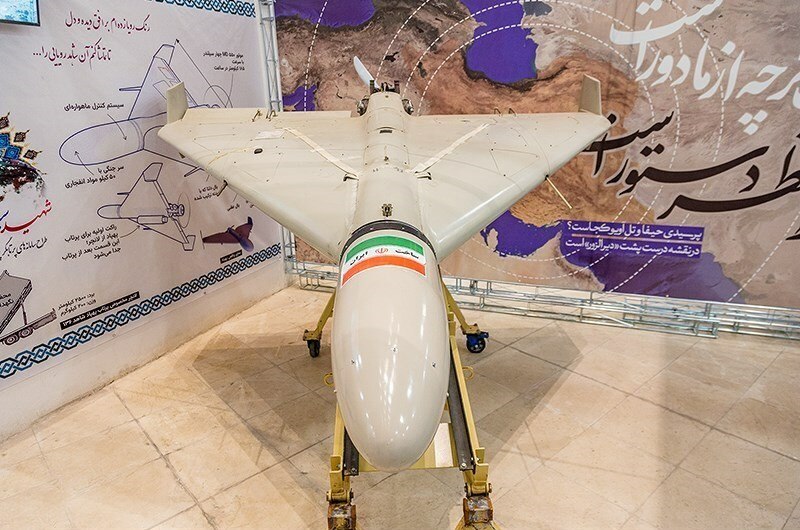
Alabaga Special Economic Zone manufactures up to 5,000 Shahed-type drones each month, and highly important parts are provided by China. Iran gave pre-designs, engines and warheads whilst North Korea is said to be willing to export thousands of workers as the production spreads. This global supply chain allows Russia to continue waging mass drone attacks despite sanctions and unit costs go down to being around 70,000 as opposed to 200,000.’
6. A Drone Warfare Cost Asymmetry
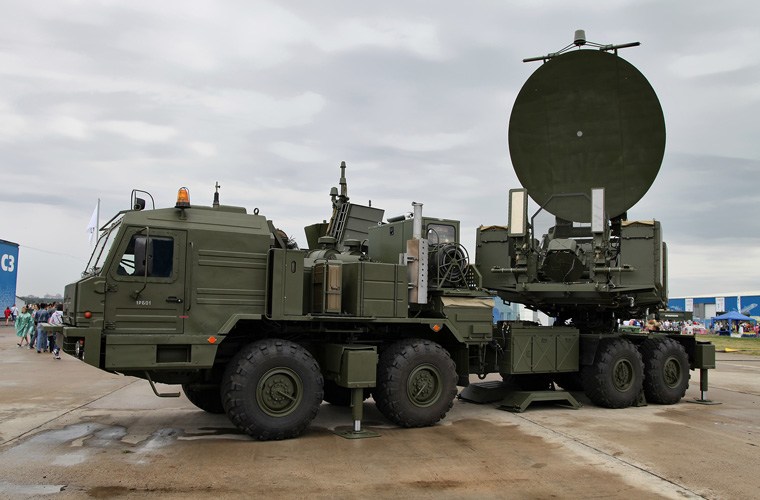
Shahed drones are priced between 20,000-50,000 and interception missiles may be in excess of 1 million dollars. This imbalance is a source of saturation maneuvers whereby the defenders have to spend vast sums of money to launch munitions to counter cheap threats. Ukraine has retaliated with acoustic sensors, electronic warfare, and cheap interceptor drones to maintain missile arsenals to shift the cost-exchange ratio against its favor.
7. Attacking the Energy Infrastructure in Russia
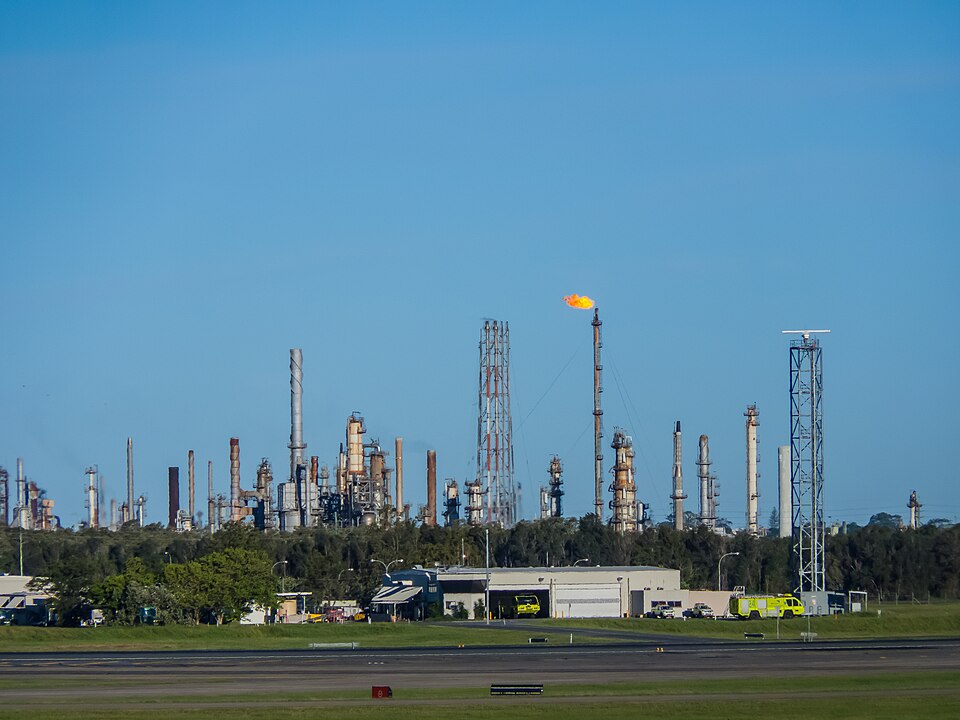
As a means of reducing the revenues of Russia in the energy sphere since August 2025, Ukraine has escalated strikes on refineries, export terminals, pipelines, and tankers. Frequent attacks on plants such as the Saratov refinery have slowed down the repair process and decreased the processing capacity. Such attacks with U.S. intelligence backing and collapsing oil prices in the world marketplace jeopardize the major source of Russian finances to finance the war.
8. Chinese Flows of Technologies and Geran Drone Upgrades
Russian drones use electronics, engines, and materials of Chinese origin, amounting to approximately 80 percent. Geran variants have been overcome by upgrading them with CRPA antennas to jam-resistant, dual cameras to maneuver and even the use of turbofan engines to increase speed. Others have also been equipped with R- 60 air-to-air missiles, which could jeopardize the delivery of NATO-supplied aircraft to intercept drone.
9. Potential Future menace: Drone-Bioweapon Convergence
Analysts are concerned with the possibility of the merging of drone delivery systems with synthetic biology and gene-editing technology. Aerosol dispersal drones would be able to spray engineered pathogens on a specific population or environment. This nexus requires improved bio-surveillance, counter-drone platforms and interagency coordination to reduce risks as well as ethical frameworks to regulate responses.
The Ukrainian deep-strike drone offensive is reorganizing the battlefield, and it shows that low-cost high-precision systems can not only destroy key infrastructures but also take advantage of industry weak points much behind the line. To Russia, it demonstrates how delicate complicated supply chains, and conventional air defense can be at saturation tactics. It is a study to the defense planners around the world on how to adjust to the asymmetric threat whereby technological innovation, multinational supply chains and cost asymmetry merge to transform the calculus of war.


