
The White House has seen its share of bold renovations, but few have collided so forcefully with questions of scale, cost and ethics as the East Wing ballroom that President Donald Trump is planning. Demolition crews erased a 123-year-old structure over a matter of days, replacing it with the footprint for a 90,000-square-foot addition nearly twice the size of the Executive Mansion itself.
What makes this project more than an architectural curiosity is how it avoids conventional review norms, embracing private funding from corporate giants while layering complex engineering challenges on top of one of the most secure and symbolically charged buildings in the world. Preservationists, engineers, and lawmakers grapple with its implications-from aesthetic disruption to political influence. Here are nine key dimensions of a project reshaping the People’s House.

1. Demolition at Unprecedented Speed
This removal of the East Wing was completed in only four days. The speed really was astounding to both preservationists and structural engineers. That wing had been constructed back in 1942 under Franklin D. Roosevelt, housing offices of the First Lady, along with other social event spaces. The trick was to dismantle without touching the load paths and integrity of the façade in the Executive Residence. “It’s pretty breathtaking to do under the circumstances,” said Chris Staine of Shumaker, Loop & Kendrick, for advancing with demolition before final plans or permits on such a sensitive site.
2. A Ballroom That Dwarfs the White House
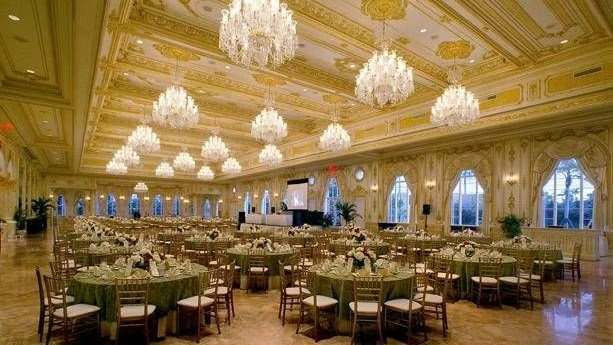
Designed for 999 guests, the proposed hall is far larger than industry standards-a typical 1,000-person ballroom might span 20,000 square feet. Another 70,000 square feet has been apportioned to offices, mechanical systems and support spaces, without any detailed breakdown released. Architectural renderings evoke Trump’s Mar-a-Lago ballroom, replete with gilded coffered ceilings and Corinthian columns, but the massing challenges the neoclassical proportions James Hoban established in the original design.
3. Avoiding Historic Preservation Review
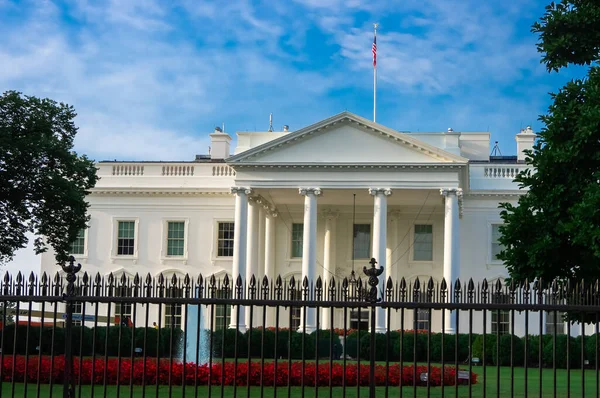
The project bypasses Section 106 of the National Historic Preservation Act through decades-old exemption for the White House. Past presidents nonetheless pursued advisory review from the National Capital Planning Commission and the Commission of Fine Arts. Trump has not and has booted all members of the latter body. The National Trust for Historic Preservation warns the new construction could “permanently disrupt the carefully balanced classical design” and urges a pause until public consultation occurs.
4. Engineering for Security and Scale
Adding a glass bridge between the Georgian mansion and the ballroom brings in complexity that few projects other than courthouses and embassies require. It requires features such as resistance to blasts, ballistic glazing, and controlled routes of circulation. Crowd control for just under 1,000 guests presented needs such as latest-generation screening technologies, autonomous patrolling systems, and real-time occupancy sensors. Engineers also have to deal with HVAC loads on a space triple the typical size and acoustic treatments to avoid overwhelming echoes.
5. A Luxury-Grade Price Tag
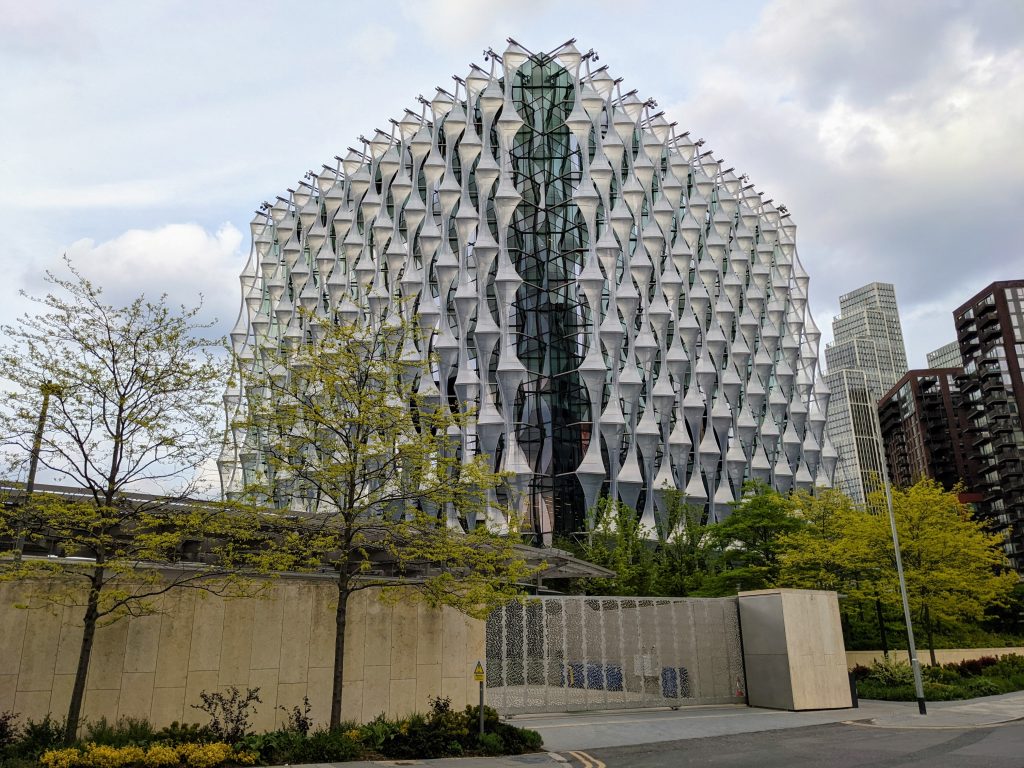
At $3,333 per square foot, including soft costs, the ballroom’s budget rivals luxury hotel construction and far exceeds government norms of $426-$844 per square foot. “Exceptional finishes, specialized security infrastructure, and technical complexity,” Trevor Shulters of Cumming Group explains. For some perspective, the US Embassy in London-a secure 518,050-square-foot facility-cost $1 billion, or less than a third per square foot of Trump’s ballroom.

6. Private Funding and Ethical Flashpoints
Funding comes entirely from private donors and includes Amazon, Google, Meta, Lockheed Martin, and YouTube-which pledged $22 million via a legal settlement. Ethics experts, including Richard Painter, call it “use of public office for private gain” and warn that corporate donors with federal contracts may expect access or influence in return. Claire Finkelstein questions whether a nonprofit like the Trust for the National Mall should fund a venue with no public access, raising potential Emoluments Clause concerns.

7. Donor Transparency Battles
Senate Democrats, in a letter led by Adam Schiff, are demanding an accounting of the contributions including amounts, dates, and any connection to federal contracts or litigation. “We have grave concerns about the potential for influence peddling and other forms of corruption,” their letter warns. The White House has responded by identifying 37 donors without specifying the amount each had given, spurring calls for greater openness and ethics firewalls.
8. Preservationists’ Design Harmony Concerns
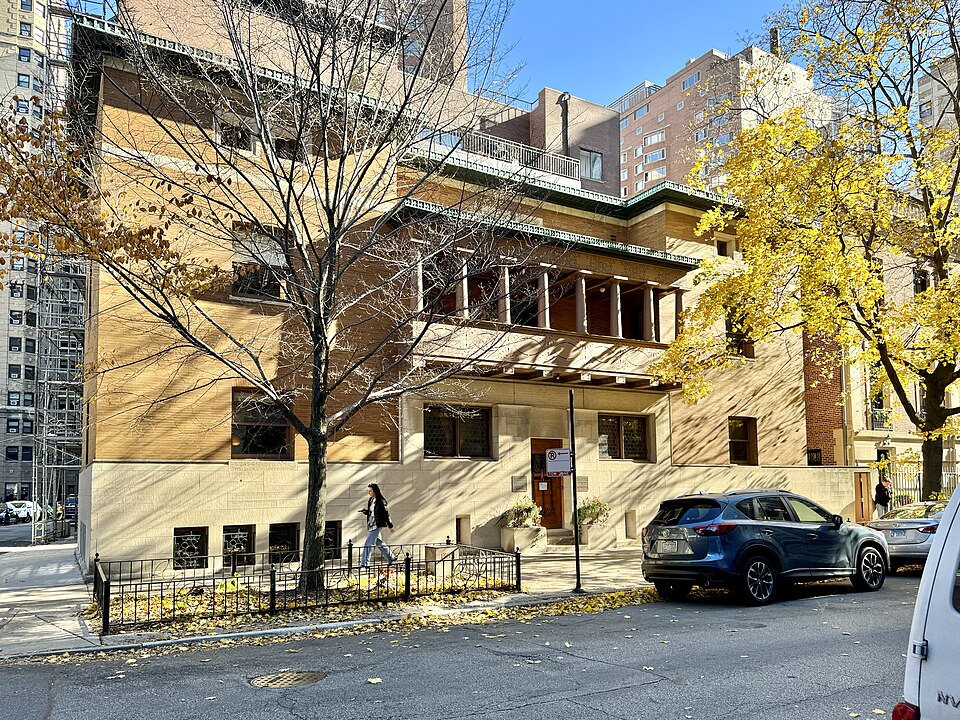
The American Institute of Architects and the Society of Architectural Historians advised proportionality and general design harmony. Of the five recommendations given by AIA, they call for qualification-based architect selection, rigorous preservation review, and public accountability. SAH warns the height and footprint of the addition may overwhelm the mansion and create a bad precedent for historic properties nationwide.
9. Contractor Risks Amid Litigation
The National Trust sued to stop construction, claiming premature demolition. A federal judge allowed the work to continue but said the government may have to remove below-ground work if plans change. Lawyers point out that litigation causes delays, inflates costs and damages reputations. As Jason Lien at Maslon said, “Uncertainty burns money through delays, payment slowdowns and unwanted attention” and this was a project under the public spotlight.
Trump’s East Wing ballroom is more than a lavish addition; it is a collision point between architectural ambition, engineering complexity, political authority, and public trust. Whether it becomes a celebrated enhancement or a cautionary tale will depend on how and whether the administration addresses the concerns now echoing from preservationists, lawmakers, and the construction industry.


