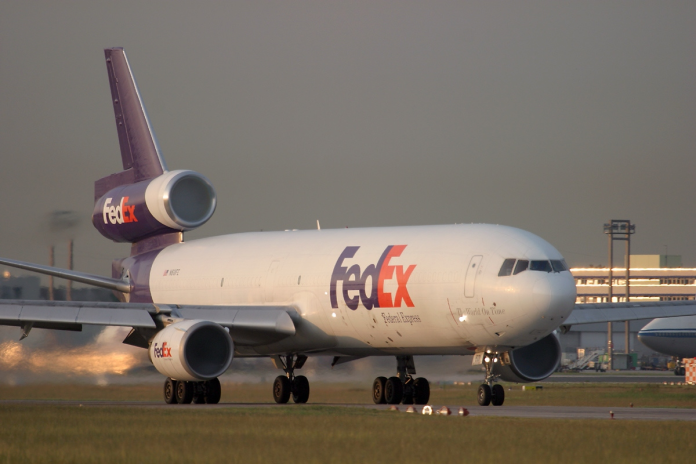
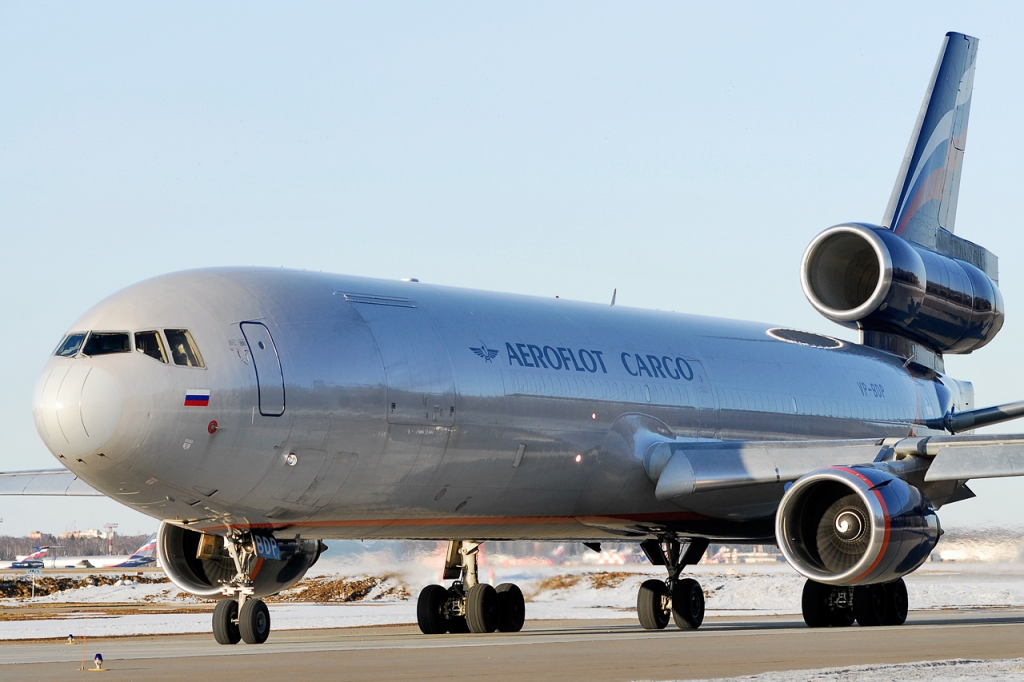
“Clearly these aircraft have the Achilles feet of failure in the engine pylon attachment, former federal crash investigator Alan Diehl said after glancing at early investigation results in the tragedy at Louisville. This bleak evaluation sums up the sense of urgency that the cargo aviation industry is feeling.
In November 2025, a UPS Airlines MD-11F crashed shortly after departing the Louisville Muhammad Ali International Airport, leading to the deaths of 14 people, and the grounding of MD-11 fleets in the three airlines UPS, FedEx and subsequently the FAA, to an unprecedented degree. To the aviation professionals, the incident is not merely a tragic case, but a new study on aging aircraft, structural integrity, and operational risk management.
This listicle condenses the most significant technical, operational and regulatory actions that have arisen due to the inquiry and gives the aerospace engineers and safety analysts a clear picture of which factors are influencing the future of the MD-11.
1. Catastrophic Engine Separation
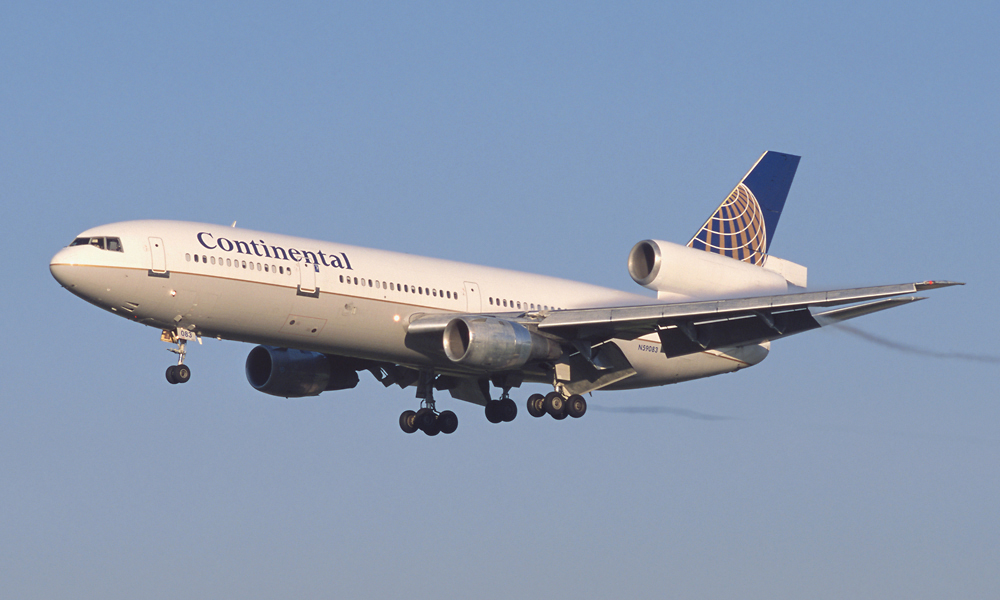
There is also photographic and flight data evidence to prove that the left GE CF6 engine and its pylon separated with the wing during takeoff igniting a fireball that engulfed the wing. The plane did not even fly over 30 feet when it hit several buildings. The order is a reflection to the crash of DC-10 in Chicago in 1979, in which a pylon failure caused the loss of the plane. Debris of the engine was located near the runway in Louisville and the detachment took place within several seconds after rotation.
2. Fatigue Cracks in Critical Mounts
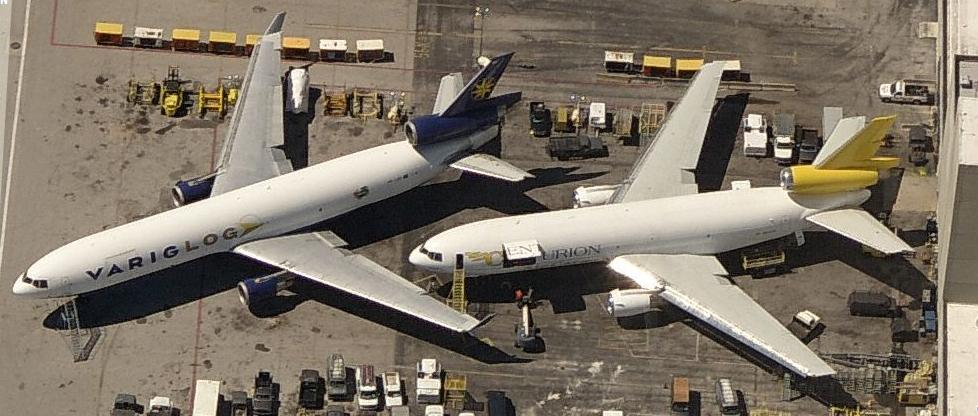
NTSB inspection found fatigue cracks and overstress failure of the left pylon aft mount lugs, the lugs that hold the engine to the wing. These cracks were formed long before the next scheduled special inspection, which was not due even to almost 8000 further cycles. A concern about the result would be whether the present inspection times of aging MD-11s are sufficient given the vibrational forces on engine mounts per flight.
3. Cockpit Warning Bell and Crew Response
A warning bell had been recorded on cockpit voice recordings 37 seconds following the thrust of takeoff. Although the type of alert has not been determined yet, a former crash investigator Jeff Guzzetti recommended that it was probably indicating an engine fire. The crew, which had already passed their V1 decision speed, tried to proceed with the takeoff, and that is the normal procedure of single engine failure after that. The inbuilt warning systems of the MD-11 which were intended to give priority to critical alerts were overrun by the sudden manifestation of structural collapse and fire.
4. Unprecedented Grounding Recommendation of Manufacturers
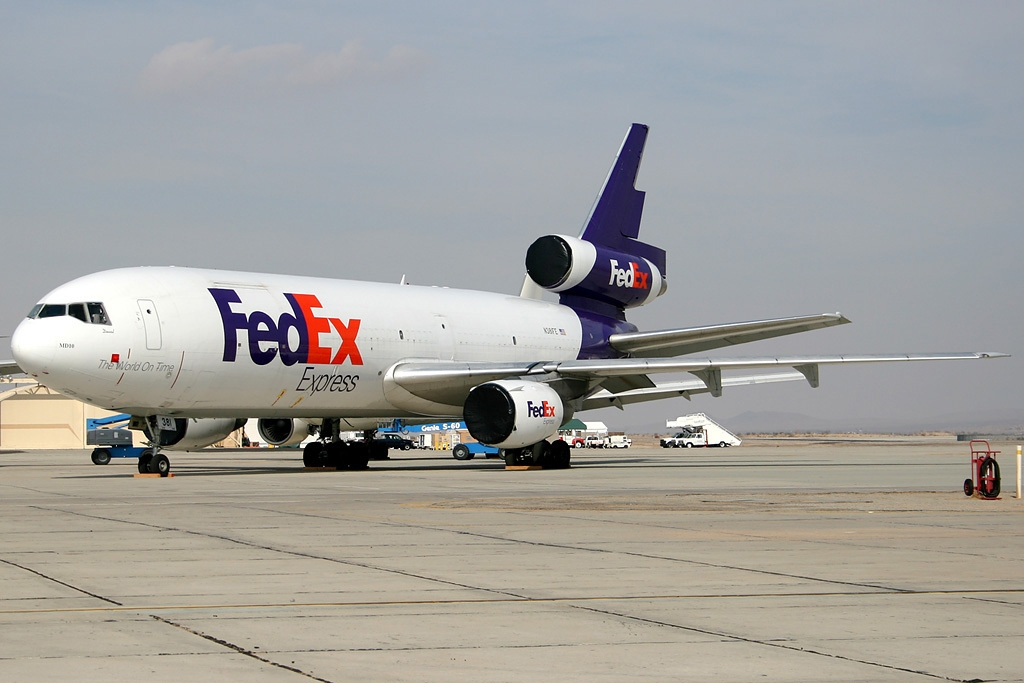
November 7 Boeing made an extraordinary action of recommending that all MD-11 freighters should be grounded, an act aviation legal expert Daniel Rose said had never happened in history. Although the FAA was the only party that can order a grounding, the recommendations of Boeing were rather strong, especially considering the instant evidence of engine separation. The FAA subsequently issued an Emergency Airworthiness Directive, which was subsequently expanded to 9 variants of DC-10 and MD-10.
5. Fleet Age and Structural Risk
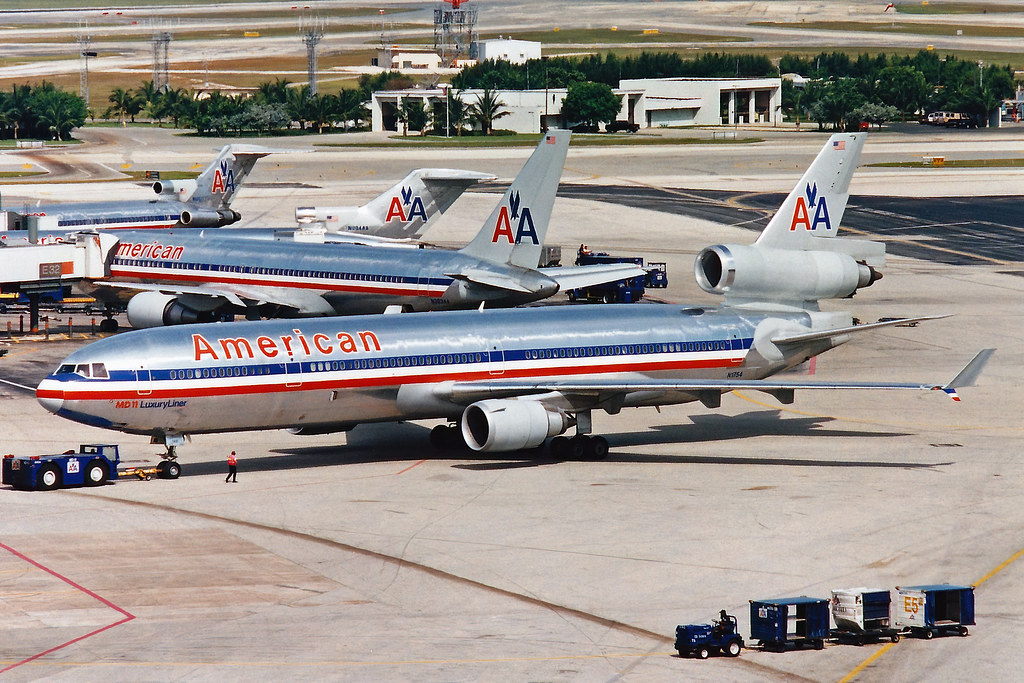
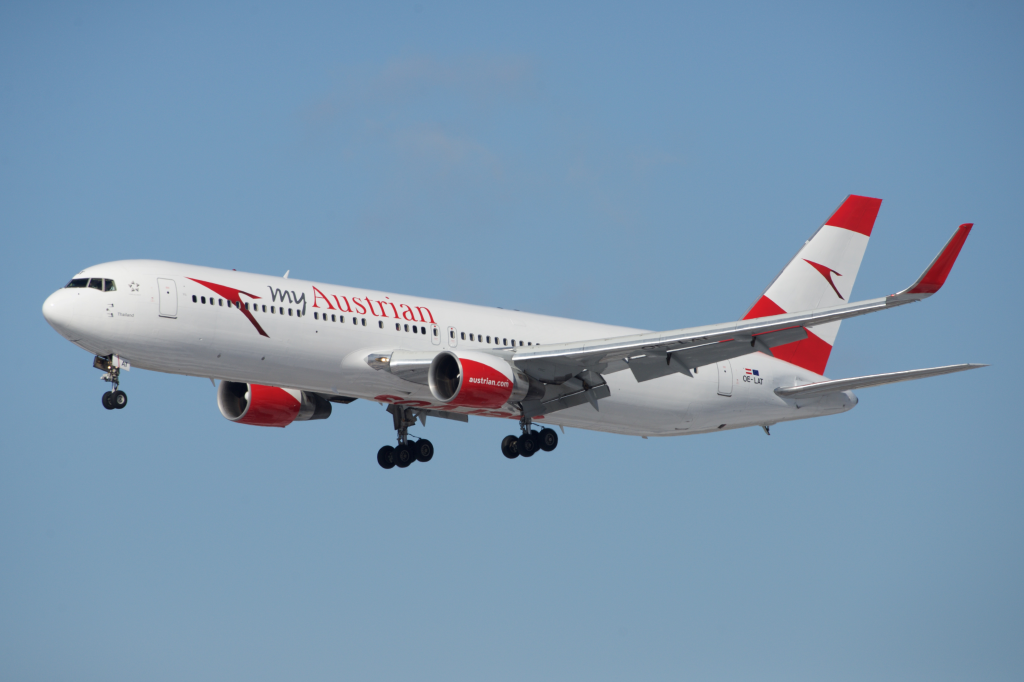
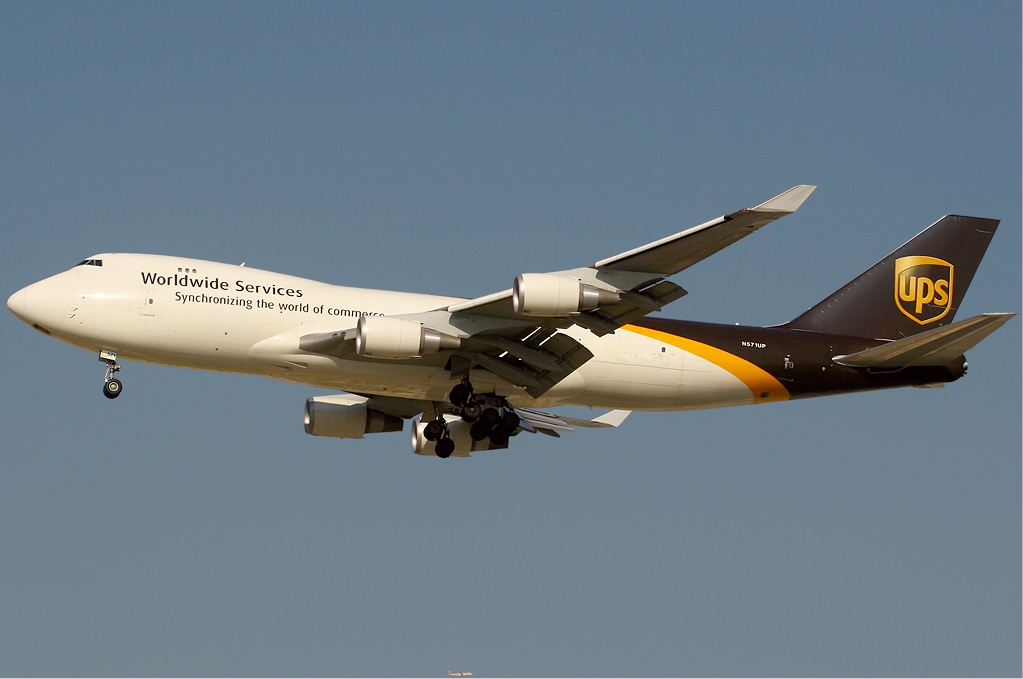
Its plane which crashed was 34 years old and the UPS MD-11 fleet was 30 on average. The global freighter can be used about 40 years, whereas the history of accidents of the MD-11 ten hull-loss with more than 244 deaths has long attracted attention. The structures are aging, and the landing stability problems of the type have also increased the rate of retirement plans in the major carriers. By 2027, UPS had already planned to substitute MD-11Fs with the Boeing 767-300Fs.
6. Operational Impact During Peak Season
Combined, UPS and FedEx have a little more than 50 MD-11s, which makes 9 and 4 percent respectively of their fleets. The grounding, which is projected to continue in 2026, coincides with the peak of the holiday shipping, which can increase the number of packages shipped daily by two times. UPS is also leasing more aircraft as FedEx deploys spares and chartering. Western Global Airlines is a large airline with 16 MD-11s; it has placed the majority of its fleet in storage and threatened to furlough its pilots.
7. Similarities to Past Accidents
The engineering similarities of the Louisville crash and the DC-10 disaster in 1979 include poor maintenance of pylon mounts. No exterior harm was observed in the UPS case, rather, old age and exhaustion seem to be core. The structural weaknesses in the MD-11 the aircraft is a continuation of the DC-10 and hence the structural weaknesses, especially the engine-pylon assemblies, are still applicable decades into its existence.
8. Maintenance History and Inspection Protocols
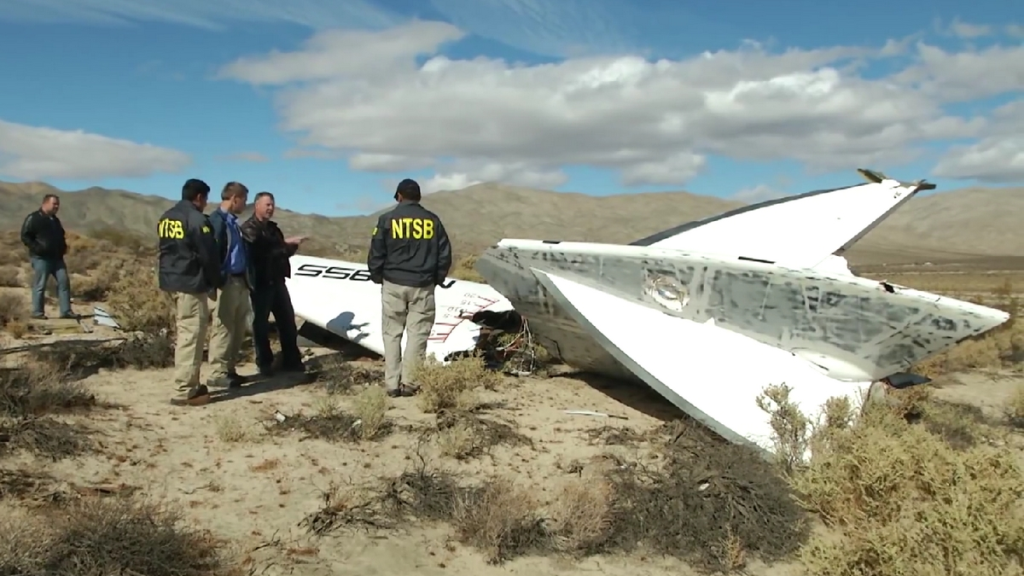
General and detailed visual checks of the aft mount left pylon were conducted on the aircraft in October 2021, and lubrication maintenance was conducted several weeks prior to the crash. But it was not yet time of the more invasive special inspection. The FAA and NTSB are currently considering the possibility of shortening the inspection of high-stress components on older aircrafts, which may involve invasive checks and replacements of parts earlier in service life.
9. MD-11’s Safety Record and Retirement Outlook
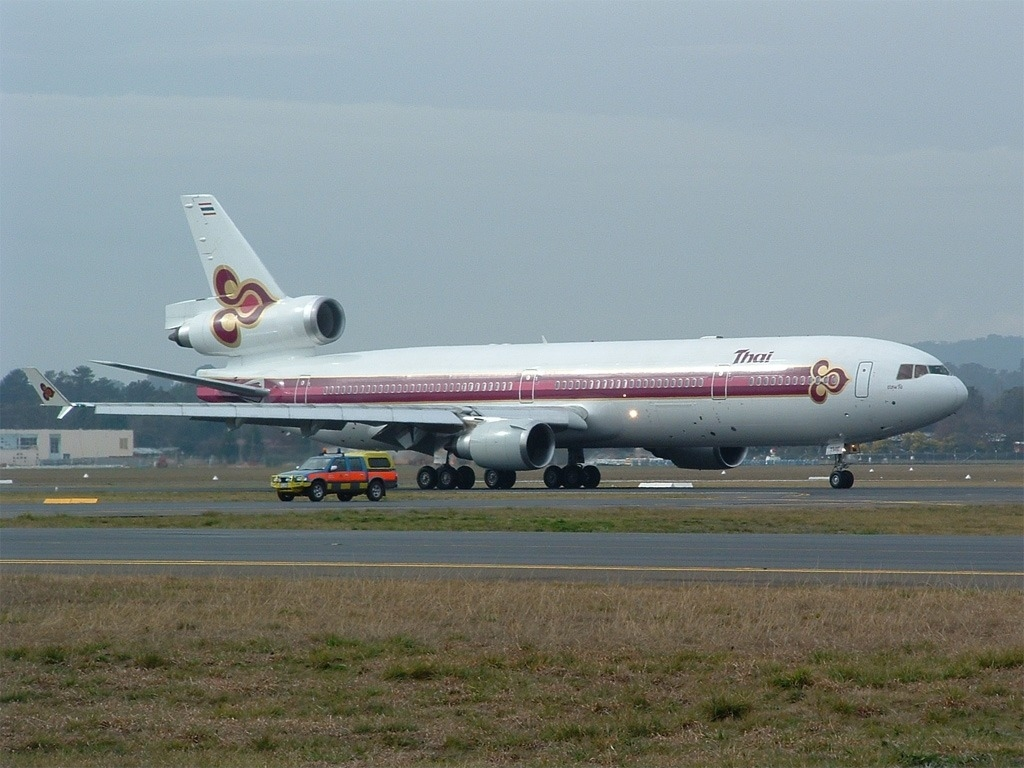
By the end of 2025, the hull-loss rate of the MD-11 is much greater than the similar wide-body freighters. The shortened horizontal stabilizer and landing characteristics of the type have helped it cause accidents such as hard landing to runaway landing. Having no more than 66 MD-11s in active use across the globe, the crash at Louisville and resultant groundings could be the start of the end of the trijet in the airline business.
To aerospace engineers and safety analysts, the case of the UPS Flight 2976 tragedy highlights the intersection of aging aircraft and structural fatigue and operational decision-making in the face of crisis. Millions of flight hours have been provided in the long service life of the MD-11, but have become its flaws, which now stand in the stark contrast required, of painful re-examination of inspection regimes and fleet viability. The lessons learned in Louisville will tend to influence the maintenance standards and retirement paths within the cargo aviation industry, as the investigations continue in 2026.


