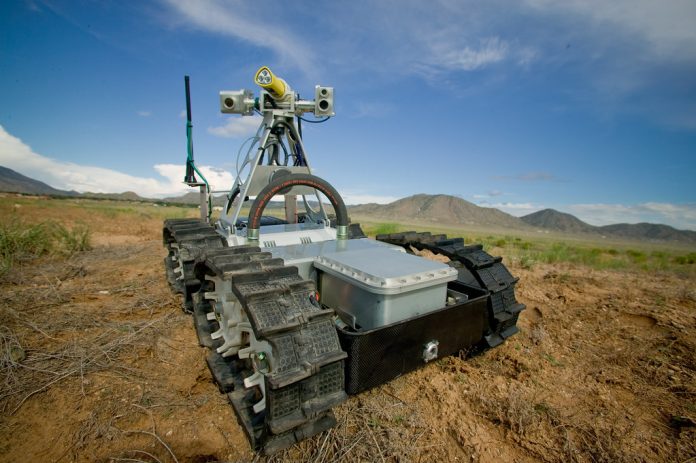

“Better never stops.” That mantra, uttered by NATO’s Air Marshal Johnny Stringer, could well describe the pace of battlefield innovation in Ukraine. The latest example is as dramatic as it is instructive: a wounded soldier, trapped in contested terrain, shielded from a Russian drone strike by the armored shell of a ground rescue robot. This is more than a singular act of survival; it epitomizes the collision of lethal, drone-saturated kill zones with urgent casualty evacuation requirements and the rapid adaptation of unmanned ground vehicles from experimental platforms to mission-critical assets.
To the defense technologist and military analyst, it presents a real-time case study in engineering resilience, operational improvisation, and the shifting doctrines of modern warfare. What follows are nine key takeaways from the operation described above and from the larger development of Ukraine’s robotic rescue capabilities lessons illuminating both the promise and the peril of deploying machines to save lives under fire.
1. The armored capsule that took the hit
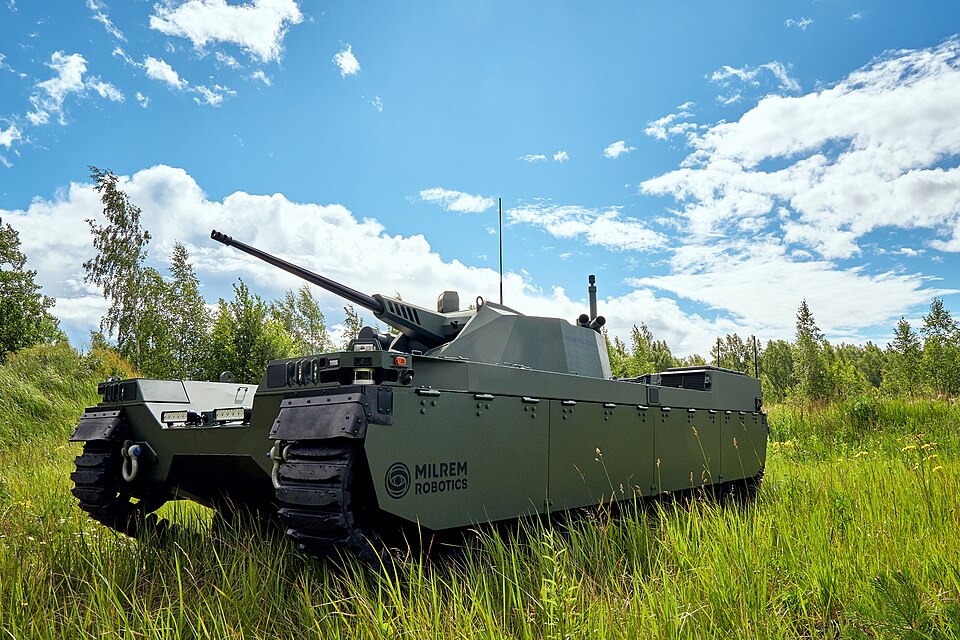
The 1st Separate Medical Battalion in Ukraine released footage of a nighttime evacuation in which the ground robot ferried an immobile soldier through rural terrain before it was struck by a Russian drone. An armored capsule absorbed the blast, leaving the soldier without any additional injuries during a mission that exceeded three hours and 36 miles. The robot eventually sustained damage but was recovered, again pointing to the value of protective enclosures on casualty evacuation platforms.

2. Operating within Expanding Drone Kill Zones
Both sides have turned swaths of the front into 25-kilometer-deep drone-monitored kill zones. These areas make traditional medevac tactics especially airlift within NATO’s “golden hour” largely impossible. Russian FPV and bomber drones hunt for movement, forcing UGVs to navigate under constant aerial threat and making armored ground rescue systems a last-resort but increasingly necessary option.
3. From Prototype to Frontline Workhorse
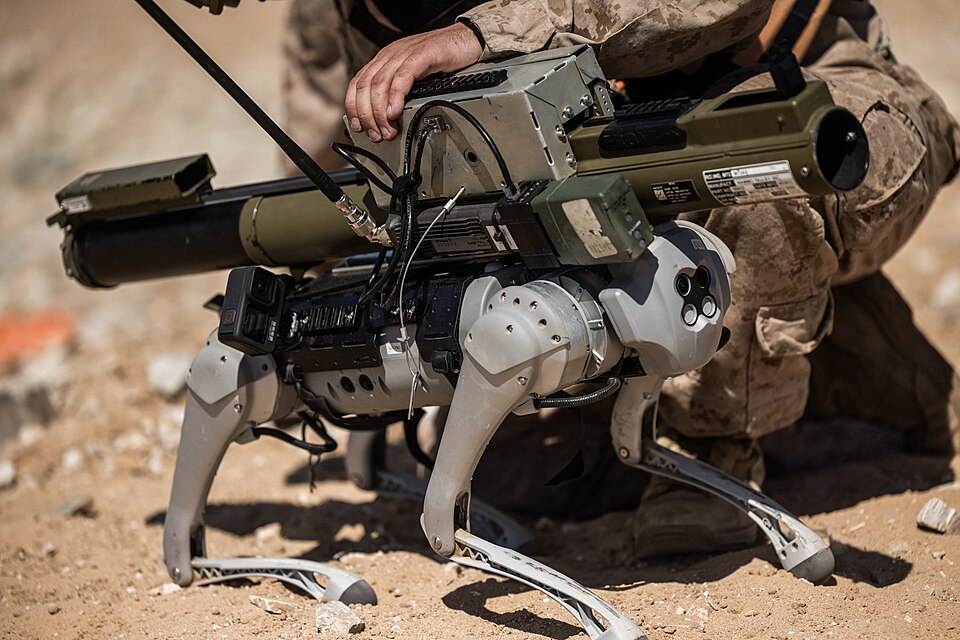
The MAUL robot, purpose-designed for extractions under fire by the 1st Medical Battalion and now manufactured by DevDroid, features an internal combustion engine that allows it to travel at 70 kph. Instead of pneumatic tires, it utilizes metal wheels resistant to puncture. Priced at approximately $19,000 per unit, this is a cost-survivability trade-off, allowing for fleet scaling despite high attrition rates in contested zones.

4. Engineering for Resilience Under Fire
Survivability is not just about armor. Connectivity failures can leave casualties stranded mid-evacuation. Units are experimenting with multi-node mesh networks, Starlink satellite links, and LTE backups to maintain control. These upgrades cost a lot but make them more resilient against jamming, a big threat in the electromagnetic battlespace where analogue control links are easily disrupted.
5. Integrating Distraction and Suppression Tactics
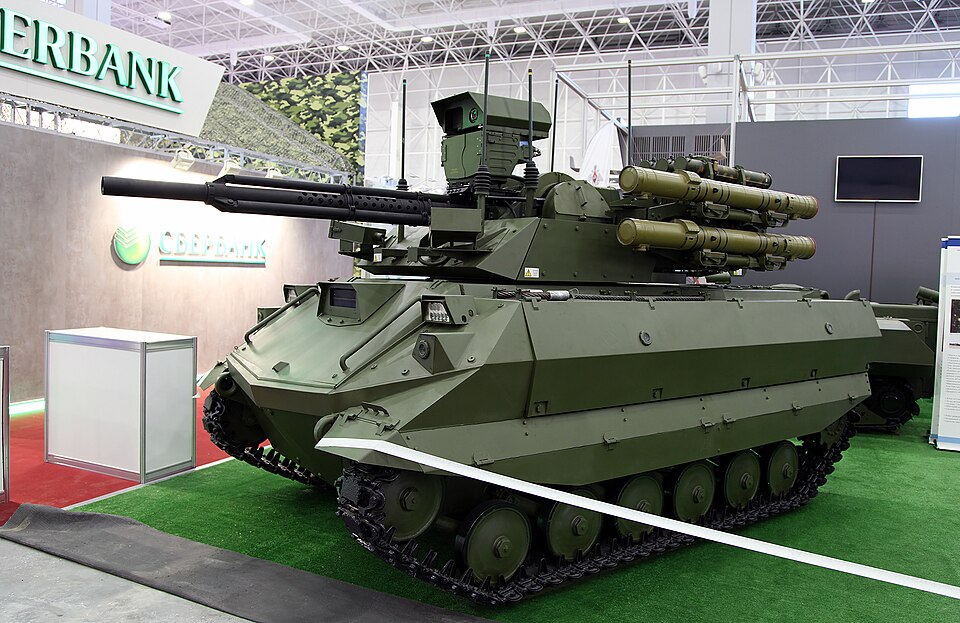
This is because, as Lyuba Shipovich of the Victory Robots project observed, the nature of evacuation missions often demands combined distraction be it artillery fire, aerial drones, or feints to distract enemy sensors and weapons from the path of the UGV. Such integration of unmanned rescue with combined-arms effects speaks to a doctrinal shift: the rescue vehicle is itself not an isolated tool but part of a combined operation.
6. Utilizing Civilian Engineering Talent
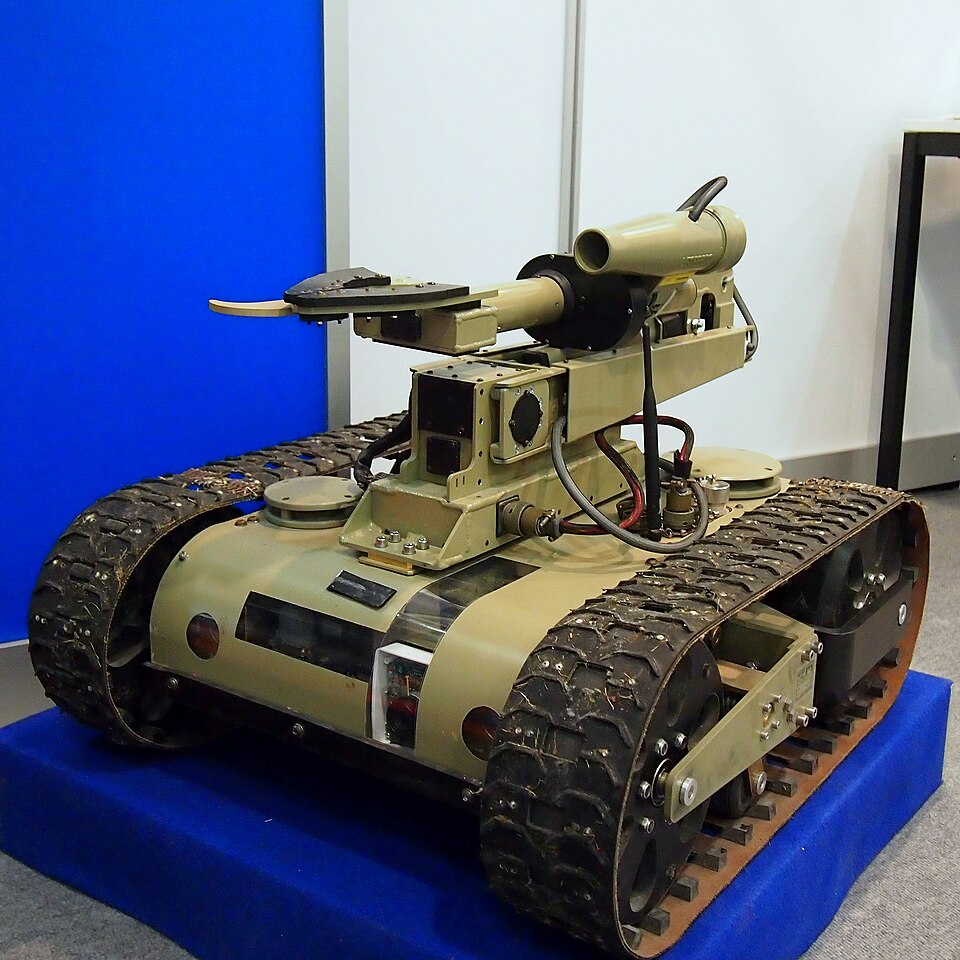
Frontline units are taking advantage of embedded civilian engineers and software developers, making changes to UGVs in-theater. One commander in the 92nd Assault Brigade reported custom software built by a former tech professional to enhance functionality. This sort of battlefield tinkering shortens iteration cycles, avoiding peacetime procurement delays and tailoring systems to immediate operational needs.
7. Expanding Roles Beyond Evacuation
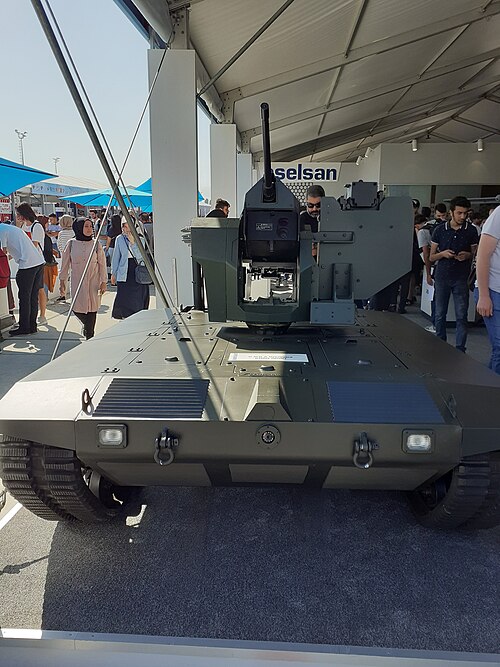
While extraction of casualties is the most dramatic use case, Ukrainian UGVs also perform tasks such as resupply, mine clearance, reconnaissance, and even direct fire support. The armed variants, like the Droid TW 12.7, have held position for a number of weeks, while engineering adaptations enabled both laying mines and bulldozing tasks: again, showing the versatility of modular platforms.
8. Lessons for Western Force Planning
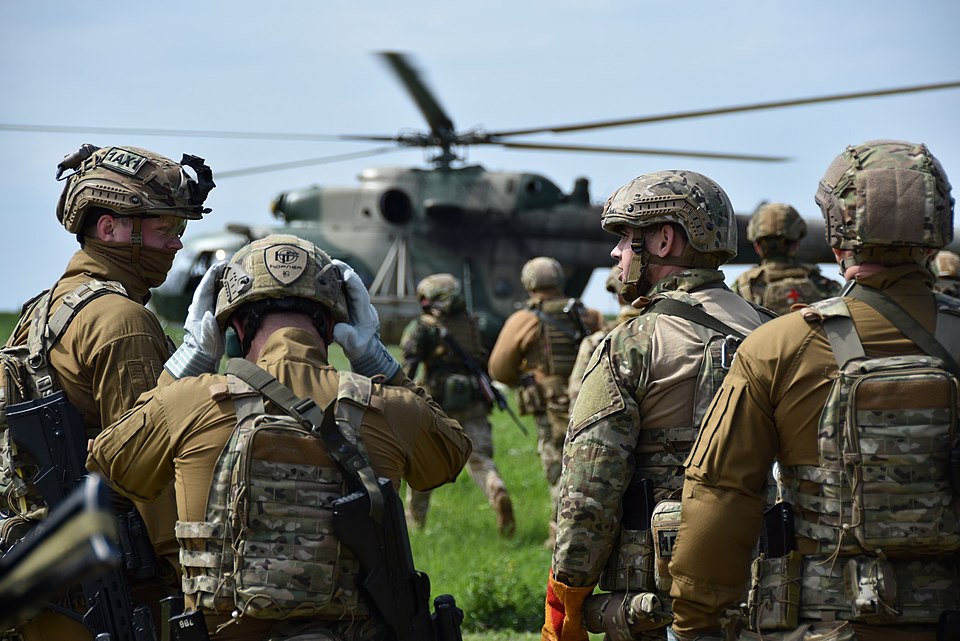
For Western militaries observing Ukraine, UGVs are moving from niche to necessity. The incident underlines the imperative to design for attritability, to integrate unmanned systems into logistics and casualty evacuation doctrines, and to prepare for a contested electromagnetic environment in which advanced air forces may be denied rapid medevac options.
9. Toward a Machine-Led Surface Battlefield
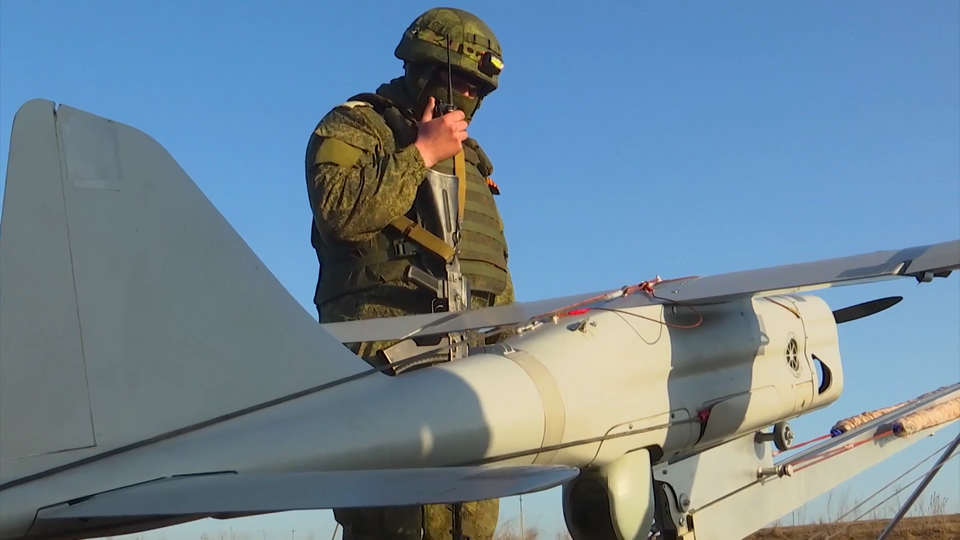
Ukrainian EW expert Serhii “Flash” Beskrestnov has said that he foresees a future when the infantry will remain underground, while the robots above will absorb most of the exposure. The shielding of its passenger by a rescue robot against drone attack is an early vision of that paradigm-a shift towards machine-led maneuver in lethal surveillance zones.
The rescue robot that shielded its passenger from a Russian drone strike is more than a battlefield anecdote-it is a microcosm of the demands from modern combat. It shows how engineering, tactics, and improvisation come together under fire and unmanned systems are redefining not just how wars are fought but how lives are saved. To the defense technologists and planners, it is clear that in an age of pervasive drones, survival may depend as much on machine design and integration as on the bravery of those it carries.


