It is not often that a military exercise disrupts more than 100,000 airline passengers and makes one of the world’s busiest maritime corridors reroute all traffic. Yet, that is what happened as China’s People’s Liberation Army began its largest-ever drills around Taiwan-a sweeping, multi-domain operation that sent shockwaves across defense circles and regional capitals alike.
Dubbed “Justice Mission 2025,” the two-day campaign was less a demonstration of raw strength than an elaborately choreographed dress rehearsal for everything from port blockades to high-tech, psychological warfare. Arriving less than a fortnight since Washington greenlighted an unprecedented $11.1 billion in arms shipments to Taipei, the exercises have been unequivocally interpreted as Beijing’s most overt warning yet both to Taiwan’s leadership and to its foreign patrons.
The extent, intricacy, and timing of these exercises speak volumes to the defense analysts and military technology observers about the evolving Chinese operational doctrine, its benchmarks for readiness, and integration of emerging technologies into conventional warfare. Herein follows a listing of the top ten inferences that could be gleaned from this unprecedented military maneuver.
1. Record-Breaking Scope and Proximity
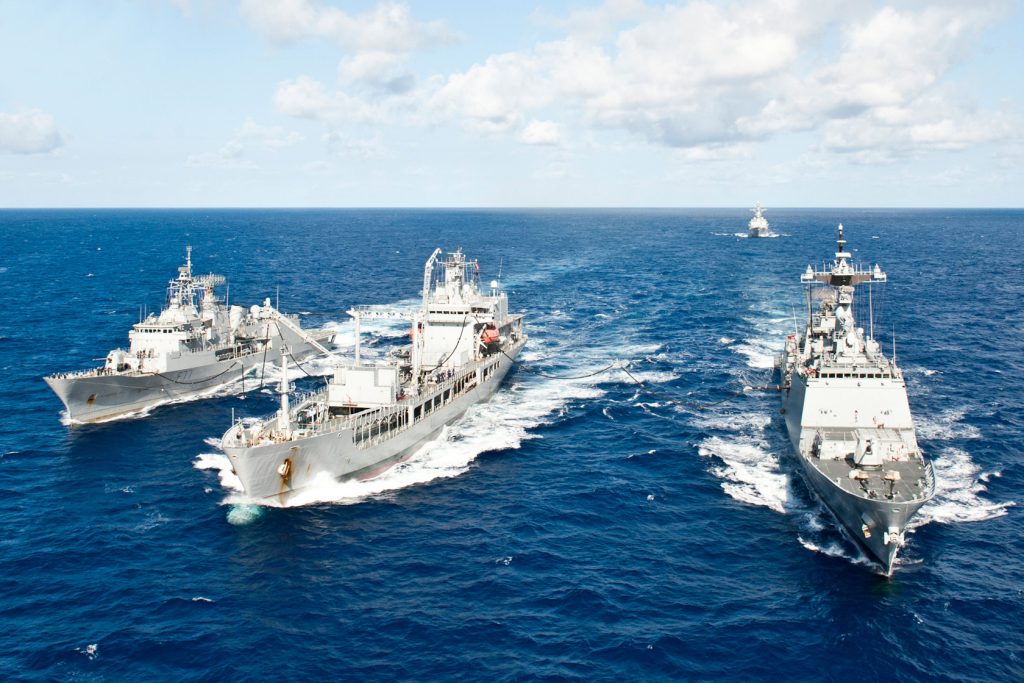
The PLA declared seven maritime and airspace zones for live-fire exercises, the largest by total coverage to date, in areas closer to Taiwan than any previous exercise. Some of the zones overlapped with Taiwan’s 12-nautical-mile territorial waters, a move analysts describe as a deliberate push to redefine operational boundaries. According to Taiwan’s Civil Aviation Administration, these disrupted more than 850 international flights and 80 domestic routes, affecting over 100,000 passengers. In its deployment, the Eastern Theater Command had destroyers, frigates, fighters, bombers, drones, and long-range rockets-a full-spectrum force posture aimed at testing sea-air coordination and integrated blockade control.
2. Explicit Blockade Rehearsals
Chinese state media stressed drills targeting Taiwan’s deep-water ports of Keelung in the north and Kaohsiung in the south. Analysts with the Secure Taiwan Associate Corporation noted that the designated zones equated to a “de facto” blockade, with nearly every sea route between Taiwan and its outlying islands of Kinmen and Matsu. This operational focus mirrors PLA doctrine that port denial represents a crucial step to isolating the island before any potential amphibious assault.

3. Integration of Emerging Technologies
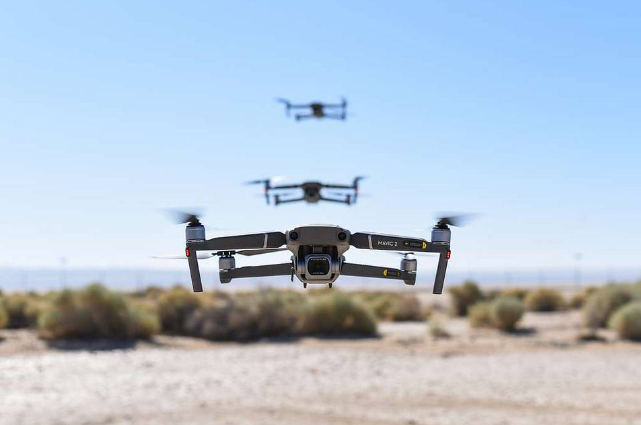
In a marked shift from previous drills, the PLA also published propaganda footage of automated humanoid robots, swarms of micro-drones, and weaponized robotic dogs. Although their deployment in the real world has not been confirmed, the images indicate China’s intention to deploy autonomous systems in future combat. For the first time, the Type 075 amphibious assault ship was revealed, with displays of its ability to perform simultaneous attack helicopter, landing craft, amphibious tank, and armored vehicle launches.
4. Psychological Warfare Tactics
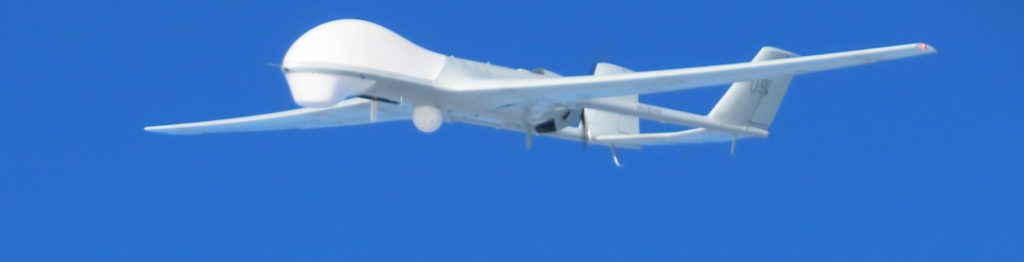
The drills were accompanied by aggressive messaging, aimed at Taiwan’s populace and leadership. A PLA drone captured aerial footage of Taipei 101, posted with the caption “So close, so beautiful, go to Taipei at any time,” which Taiwan’s Defense Ministry labeled as psychological warfare. Posters such as “Arrow of Justice” and “Hammers of Justice,” depicting strikes on Taiwan’s north and south visually reinforced the blockade narrative.
5. Historic U.S. Arms Package Trigger
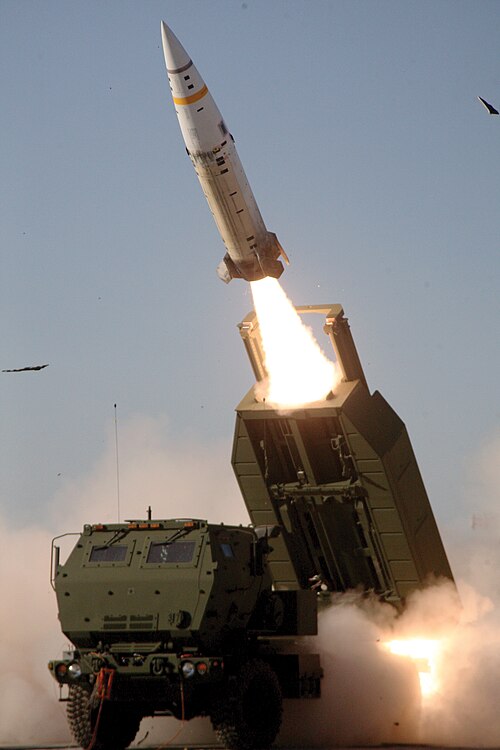
“Justice Mission 2025” came just days after Washington approved an $11.1 billion weapons deal with Taiwan the largest in history. The package includes 82 HIMARS rocket launchers, 420 ATACMS long-range missiles, 60 self-propelled howitzers, loitering drones, anti-armor systems, and advanced military software. Beijing’s Foreign Ministry warned that it risks turning Taiwan into a “powder keg” and vowed “forceful countermeasures.”
6. Anti-Access/Area Denial Goals
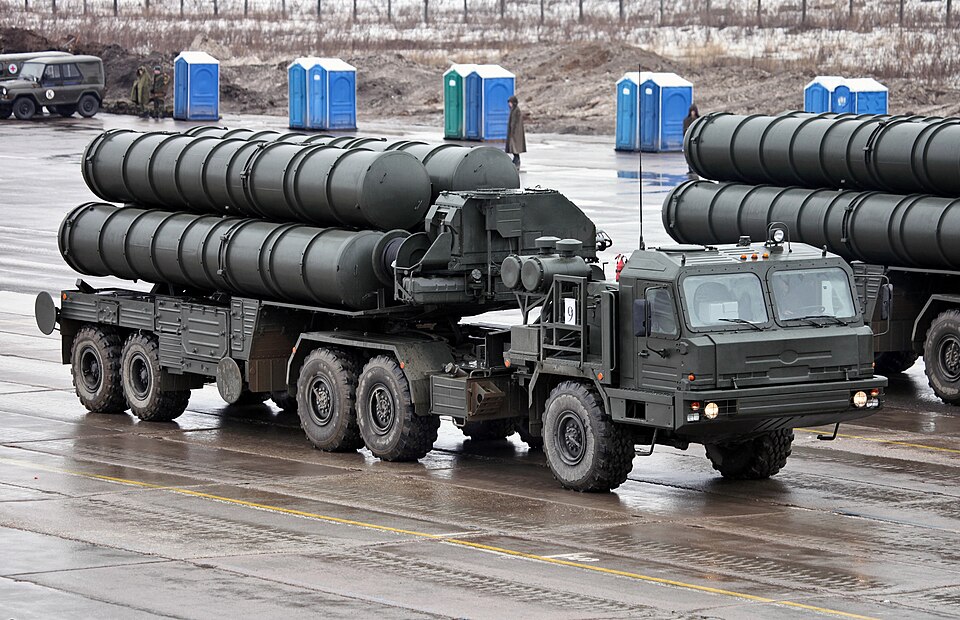
PLA spokespeople for the first time indicated that the drills aimed explicitly at deterring foreign military intervention. Senior Col. Shi Yi characterized them as “all-dimensional deterrence outside the island chain,” highlighting China’s ambition to project denial capabilities beyond Taiwan’s immediate vicinity. To analysts, this was a refinement of anti-access/area denial strategies to keep U.S. and allied forces at bay during a Taiwan contingency.
7. Taiwan’s Rapid Response Measures
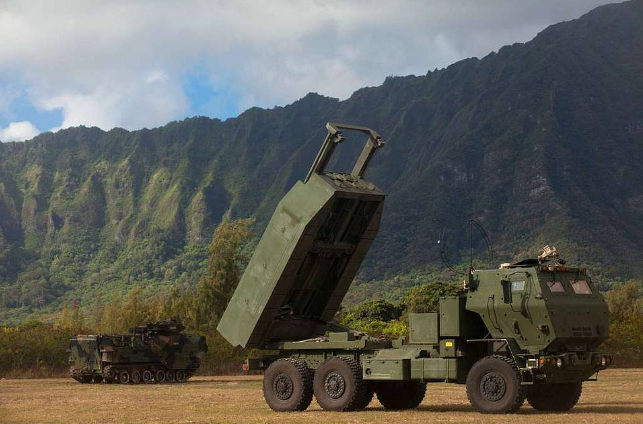
Meanwhile, Taiwan’s military remained on high alert, conducting rapid-response exercises of its own. The 53rd Engineer Group conducted river blockade measures at the estuary of the Tamsui River by laying down M3 amphibious rig bridges and explosive barrels to impede any possible amphibious landings. Videos released by the Defense Ministry also showed U.S.-made HIMARS systems and Mirage-2000 fighters as their way of signaling readiness to counter threats both from sea and air.
8. Intensified Air and Naval Sorties
In the 24 hours since the drills began, Taiwan’s Defense Ministry reported 130 Chinese military aircraft and 22 naval vessels operating around the island, with 90 sorties crossing the median line into Taiwan’s air defense identification zone. Rocket launches totaled 27, landing in waters north and southwest of Taiwan closer than in previous exercises, according to Lt. Gen. Hsieh Jih-sheng.

9. Diplomatic & Strategic Messaging
Beijing’s rhetoric also reached beyond Taiwan, threatening Japan after Prime Minister Sanae Takaichi hinted at the possibility of a military response if China attacked Taiwan. Chinese Foreign Minister Wang Yi promised to “forcefully counter” massive U.S. arms sales, while the Taiwan Affairs Office issued a stark statement saying that “external forces will only smash their heads bloody against the iron walls of the Chinese People’s Liberation Army.”
10. Long-Term Readiness Benchmarks
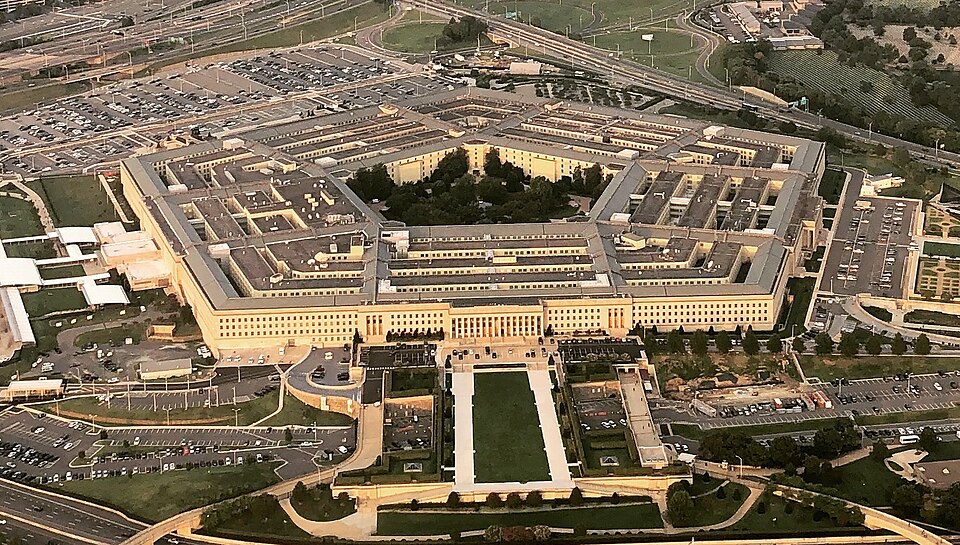
A recent Pentagon report estimated that China is building the capability to win a battle for Taiwan by 2027, to mark the PLA’s centennial. The scope and intricacy of “Justice Mission 2025” suggest it is part of a series of readiness milestones. Since 2022, Beijing has conducted six major rounds of war games targeting Taiwan, each incrementally expanding operational scope and proximity. The unprecedented scale of “Justice Mission 2025” underlines Beijing’s twin-track approach: honing the operationally specific skills needed for a Taiwan blockade and signaling deterrent messages to foreign powers.
For defense researchers, the exercises offer something rare: a high-definition snapshot of China’s evolving doctrine, its incorporation of advanced technologies, and its readiness to expand operational envelopes in disputed seas. Rehearsal or intimidation, the exercise represents an important inflection point in the Taiwan Strait’s security equation-one to be scrutinized by regional actors and international planners for many years.


