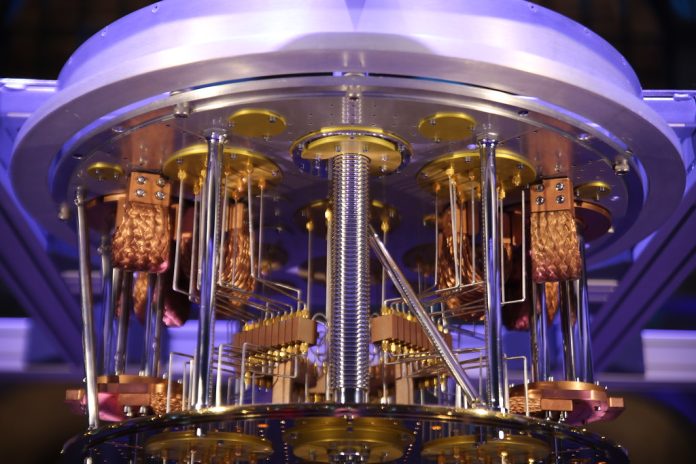
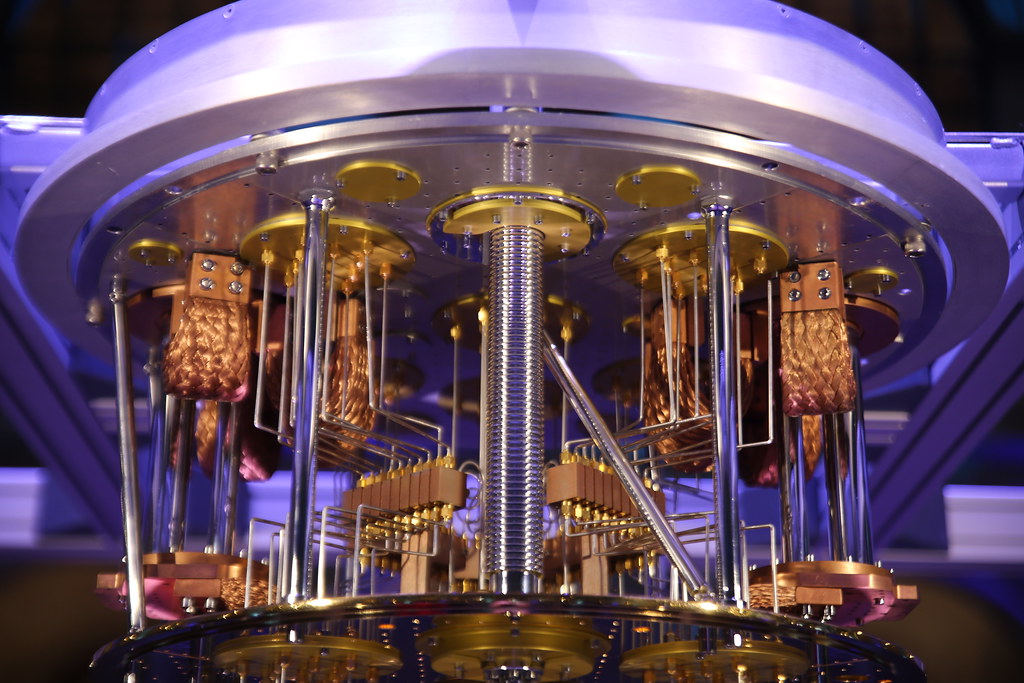
What does one decade of dead-end design look like, and then suddenly it’s record-setting performance? In the year 2025, the research and development of quantum hardware produced just that – a string of successes that transformed quantum computing bottlenecks into engineering triumphs. For the scientific community, the engineers, and the industry itself, these technological developments were far from a mere progression. They redefined the path.
The accomplishments of the year have ranged from superconducting, through silicon, to neutral atoms, where integration in materials science, precision in fabrication, and innovation in architecture have brought about coherence times, fidelities in gates, and error correction to an extent that surmounts any threshold that was in place before. The support of large-scale institutional collaborations heralds the maturity of quantum systems from being theoretical to being engineered.
Below are nine of the most impactful hardware developments which contributed to the 2025 state of quantum computing.

1. Princeton’s Millisecond Superconducting
Princeton’s engineers broke the record with a coherence time over 1 millisecond in a superconducting transmon qubit that’s three times faster than any previous lab experiment and fourteen times faster than the Siemens industrial level. “This is definitely the next big jump forward,” said Andrew Houck, Princeton’s engineering dean. A transmon with tantalum metal to avoid surface defects and pure silicon instead of sapphire should enable better energy retention as well as easy scaling to fit industrial needs. Replacing the qubit in Google’s Willow processor would increase its performance by 1,000 times, (“exponentially better” as soon as there are more transmons), according to Houck’s calculations.
2. Tantalum–Silicon Materials Synergy
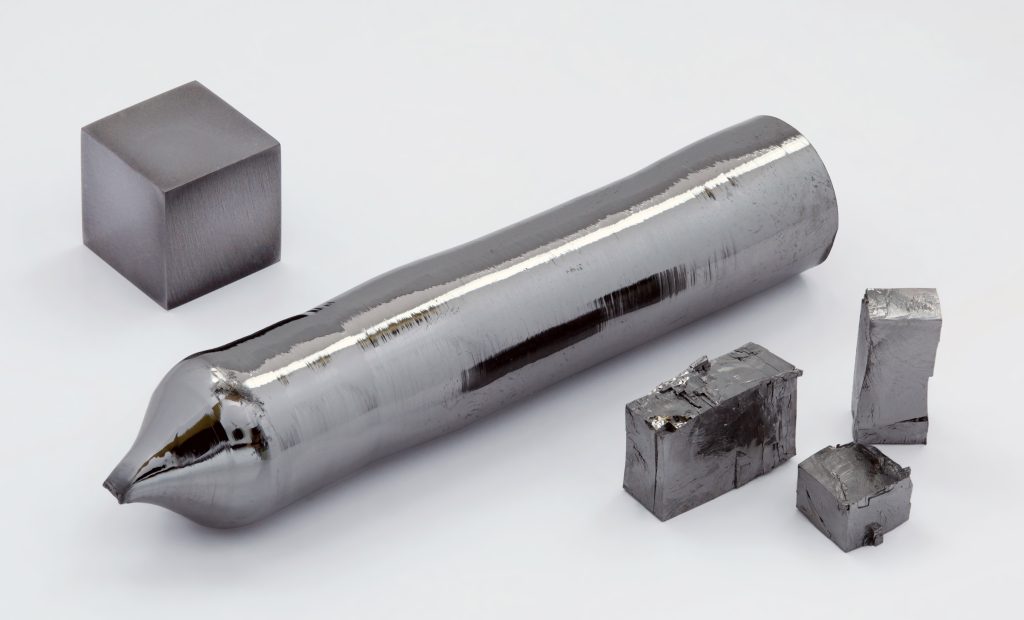
Tantalum-silicon together has been not only an optimizing choice in terms of performance but also overcome difficulties in the manufacturing process that have thwarted previous attempts. Tantalum enhances durability, so it can withstand strong cleaning processes without reducing properties: “You can put tantalum in acid, and then the properties won’t be changed,” explained co-leading author Faranak Bahrami. The silicon wafers are readily available with very pure materials, reducing the dielectric loss that comes with sapphire materials.
3. Mapping Loss Mechanisms with Tripole Striplines
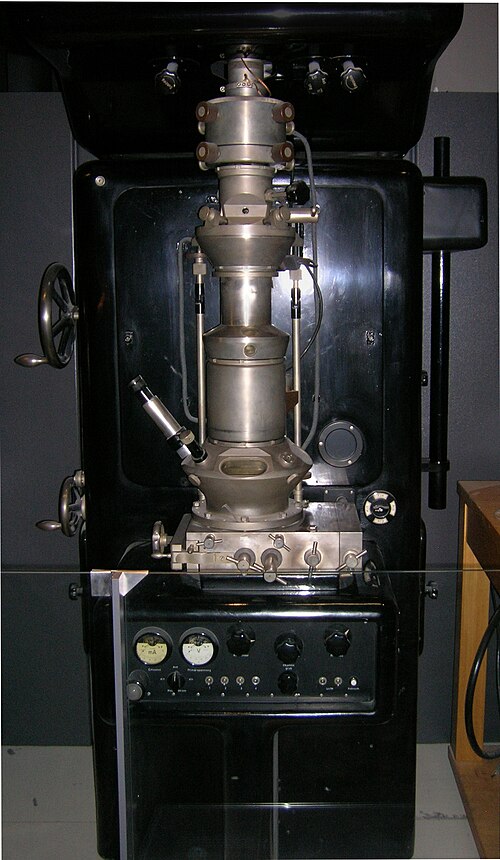
Studies conducted at Yale on multimode tripole stripline resonators established an extensive framework for loss characterization for superconducting circuits. By designing modes with specific loss sensitivities, including surface, bulk, and package losses, scientists were able to calculate inherent loss parameters through the participation ratio method. They observed that surface loss parameters were no less than four orders of magnitude larger than bulk losses, which indicates their sensitivity to substrate treatment and metal deposition quality. Tantalum processes lowered surface losses of greater than two times those of optimized aluminum, where cleaner interfaces between the metal and substrates were confirmed through transmission electron microscopy.

4. Interface Engineering at the Atomic Scale
At Brookhaven and PNNL, a hidden tantalum/sapphire interface layer was found to impact qubit performance by a research duo. The concentration of oxygen on the surface of the sapphire dictated the crystallographic orientation of the tantalum, and this impacted coherence, making it possible to specifically control the chemical structure through atomic arrangements and bonding conditions by applying thin film techniques and STEM/EELS microscopy.

5. Fluxonium Qubits with Record Gate Fidelities
The fluxonium-transmon-fluxonium (FTF) platform from MIT sustained fidelity of 99.99% for single-qubit gates, as well as two-qubit fidelity of 99.9%, which overcame the thresholds for typical error-correcting codes. Its fluxonium qubits exhibited long coherence greater than a millisecond, with the help of a tunable transmon to suppress the static ZZ interactions. William D. Oliver stressed, “It begins with the need to have high-quality quantum operations, which should be well above the threshold,” which makes fluxonium a promising alternative to the transmon.
6. Below-Threshold Surface Codes on Willow processors
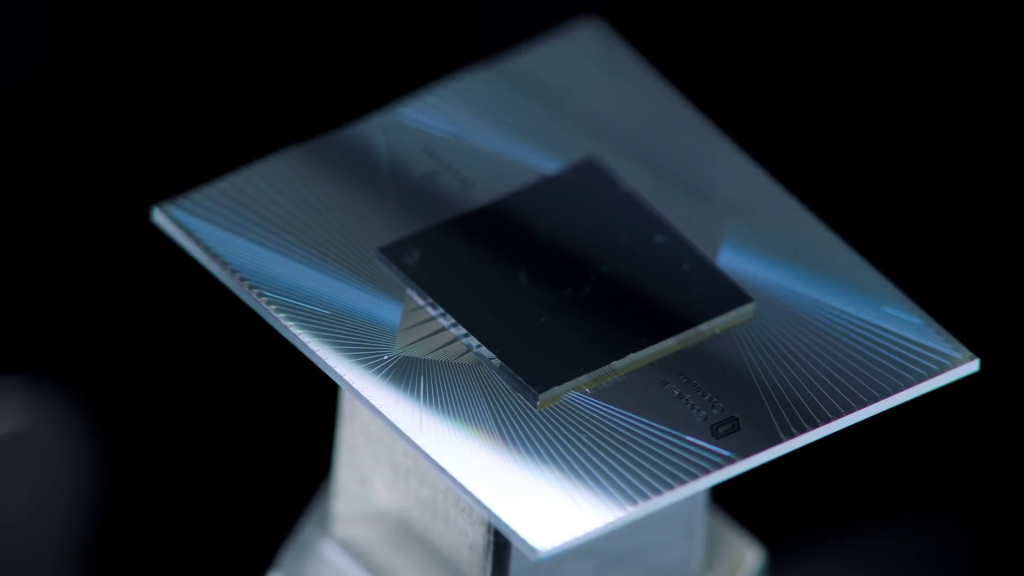
Google’s Willow processors have successfully initiated the function of distance-7 surface codes at below-threshold error rates, extending the lifetime of logical qubits by a factor of 2.4 compared to the best-quality physical qubits. Real-time decoders functioned well within the timing constraints, and leakage correction protocols have led to an improvement of 35% in the suppression of errors in larger codes.
7. Advantage of Scaling of Silicon Quantum Computing
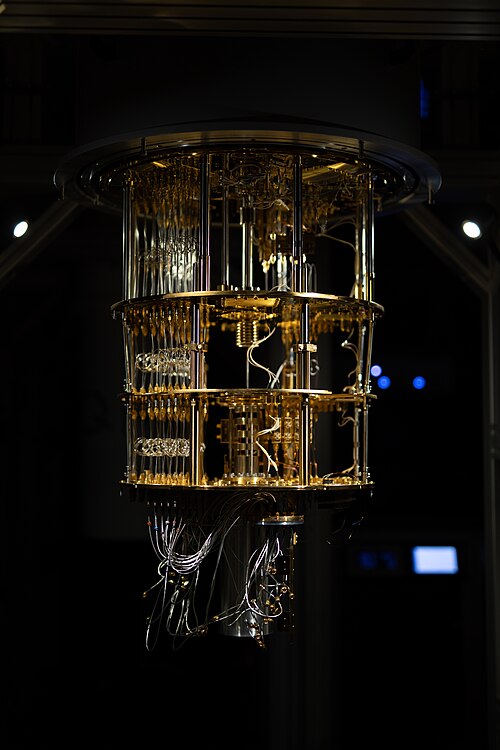
Silicon Quantum Computing (SQC) introduced a multi-qubit, multi-register processor whose qubit quality factor improved with size, a trend opposite that of most performance. It is built with “atom-scale precision” (0.13 nm resolution), placing phosphorus atoms in purified silicon. “Our system improves in quality with size,” an attribute that is hard to find in computers, according to SQC CEO Michelle Simmons. SQC “harnesses 30 years of semiconductor technology,” an important point given its potential “to deliver a million qubits that can operate fault-tolerantly.”
8. Neutral Atom Platforms with Midcircuit Qubit Replacement
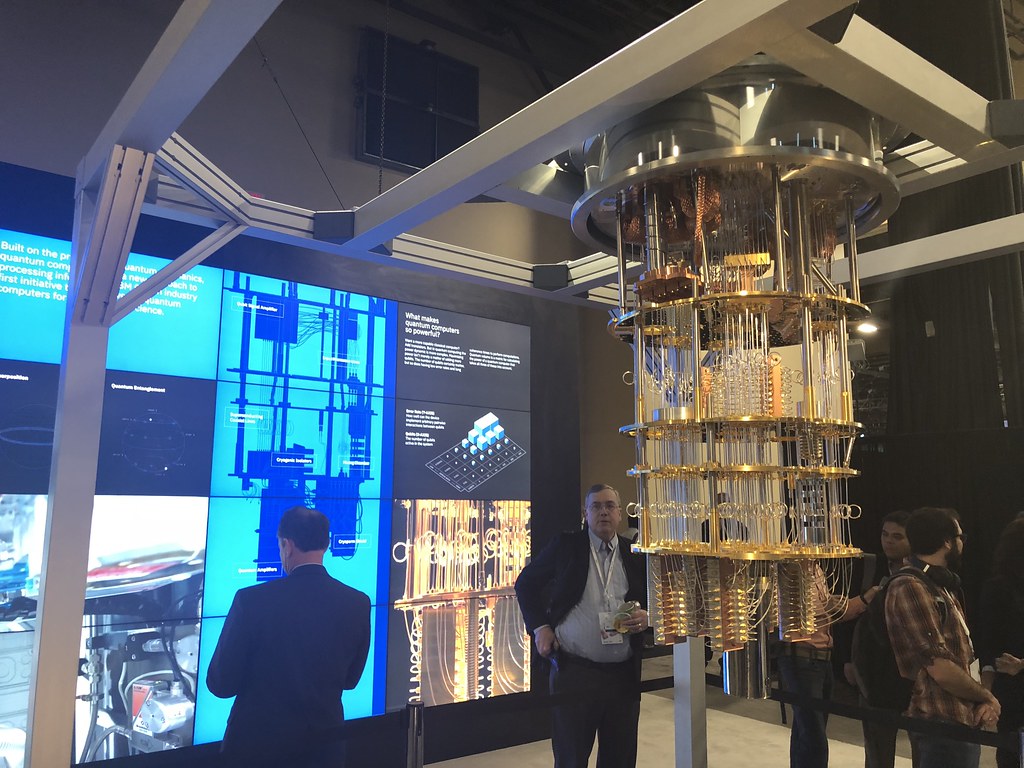
Atom Computing, along with Microsoft Quantum, has shown fault tolerance capabilities on their neutral atom processors by recyling ancilla qubits and compensating for lost atoms during a circuit. Up to 41 iterations of error detection within a walking repetition code showed stable error rates, and the generation of Bell states was performed within the code with a logical failure probability of 0.4% logical error rate. Mid-circuit reloads from an external trap retain over 95% coherence, which verifies that qubit lifecycle management is possible.

9. DOE’s $125M Co-design Center for Quantum Advantage Renewal
The U.S. Department of Energy extended support to the Co-design Center for Quantum Advantage (C2QA) in an effort to overcome coherence time constraints. Based on successes in tantalum qubit technology and multi-platform designs, the new scope of interest at C2QA would be in superconducting, neutral atom, as well as diamond architectures. Modular architectures being developed at C2QA would seek to connect smaller qubit modules within a single large-scale system, with talent development efforts extending to the work force.
By 2025, quantum hardware research has passed many boundaries that were thought to be decades away. They range from quantum bit coherence times measured in millieseconds in superconducting quantum bits to scalable architectures using silicon materials and innovative systems inadaptive quantum atoms. Together, these milestones mark the end of the debate on whether it is possible to construct a fault-tolerant quantum computer that is greatly scaled up to when it will be available in the quantum community.


