
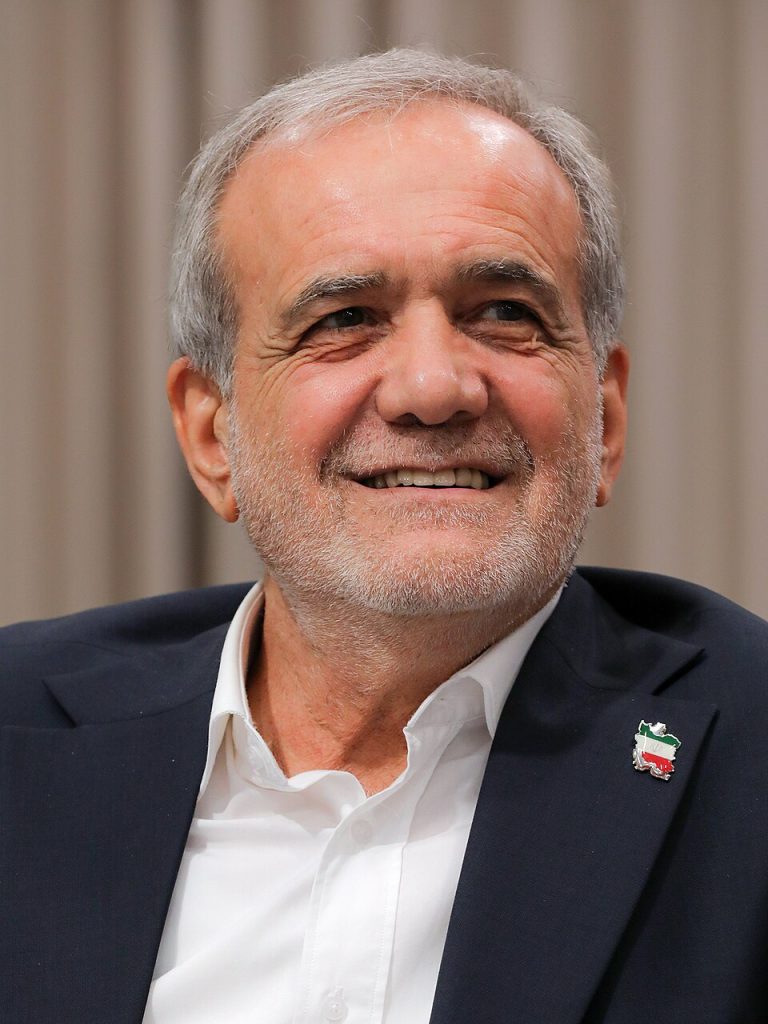
“What might be expected, though, in a situation where a regional rivalry escalates into a multi-front war among world powers?” In the latter half of December 2025, President of Iran Masoud Pezeshkian stated, “It’s a full-scale war between Iran and America, and between Iran and Israel, and between Iran and Europe.” The recent conflict between Iran and the US, and Iran and Europe, and Iran and Israel, is no longer an indirect fight through proxies, but an actual fight on multiple fronts.
This escalation is the result of several months of intensive clashes, missile attacks, as well as precision strikes on nuclear facilities. This escalation is also taking place in the context of severe domestic unrest in the Iranian regime, which is facing economic instability as well as international uncertainty. For those interested in defense studies as well as international relations, the current situation presents a unique, albeit dangerous, glimpse into the dynamics of war strategy, regime change, as well as high-level diplomatic efforts.
1. Pezeshkian’s “Full-Scale War” Declaration
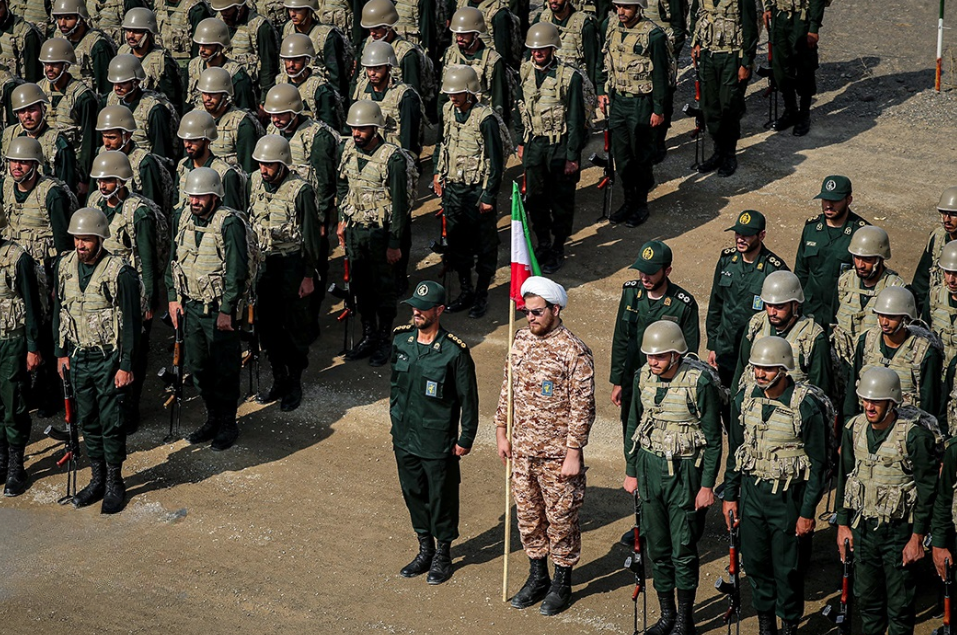
Iranian President Masoud Pezeshkian was very open with his words when he spoke with the official website of Iranian Ayatollah Ali Khamenei, saying that “we are at a full-scale war with America, Israel, and Europe; they do not want our country to stand on its feet.” He likened the current fighting to the Iran-Iraq war between 1980 and 1988, which he feels is “much more complicated and difficult.”
“This kind of rhetoric is not only for Iranian consumption. By invoking the language of war over the standoff, Pezeshkian seeks not only to legitimatize Iran’s military preparations but also win the loyalty of the divisive Iranian political elite,” says the expert. His moderate credentials don’t match the hard-line IRGC factions.
2. The 12-Day War of June
The summer conflict became a turning point. Israel’s largest direct attack on Iran focused on air defenses, missiles, and nuclear facilities, killing high-ranking commanders and nuclear scientists in the IRGC. The United States joined the attack, deploying bunker-buster bombs at Fordow, Isfahan, and Natanz.
Iran struck back with missile attacks that resulted in 28 deaths in Israel as well as strikes on US forces in Qatar. Although a ceasefire announced by President Trump mostly held, both sides engaged in allegations over low-intensity attacks between them. The war has left Iran’s enrichment facilities battered, but Israeli intelligence believes that Iran is quickly rebuilding its missile program.

3. Netanyahu-Trump Alliance
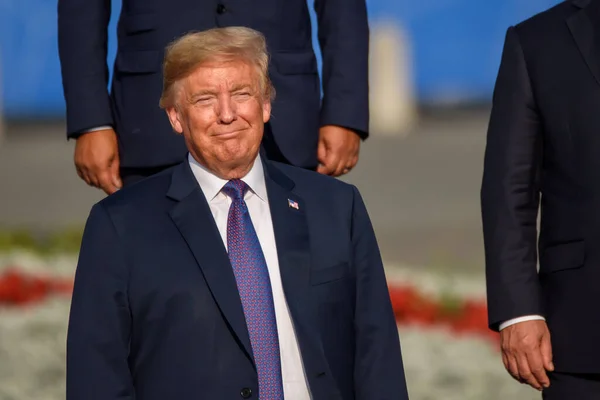
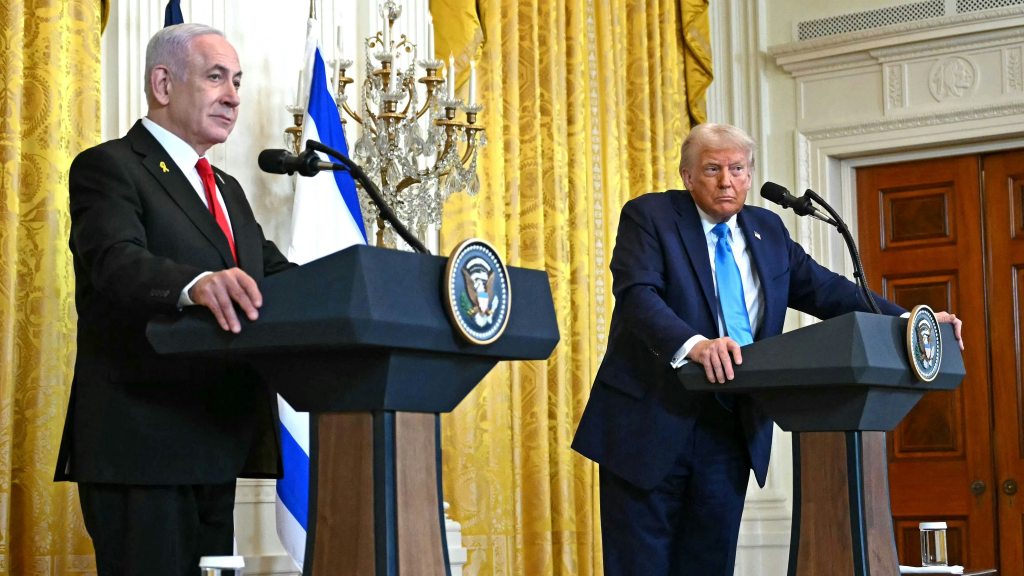
When Israeli Prime Minister Benjamin Netanyahu visited Florida to meet with President Trump in December, this was perceived as a move to ensure stability within the region. While Netanyahu declared that “any action against Israel will be met with a very severe response,” Trump was perceived as backing an Israel attack if Iran developed ballistic missiles or nuclear weapons.
Issues that came up at the meeting included the Gaza peace plan and the Hamas disarmament program, although the Iranian missile program was clearly at the forefront since it represents Israel’s immediate security concern.
4. Ballistic Missile Signaling
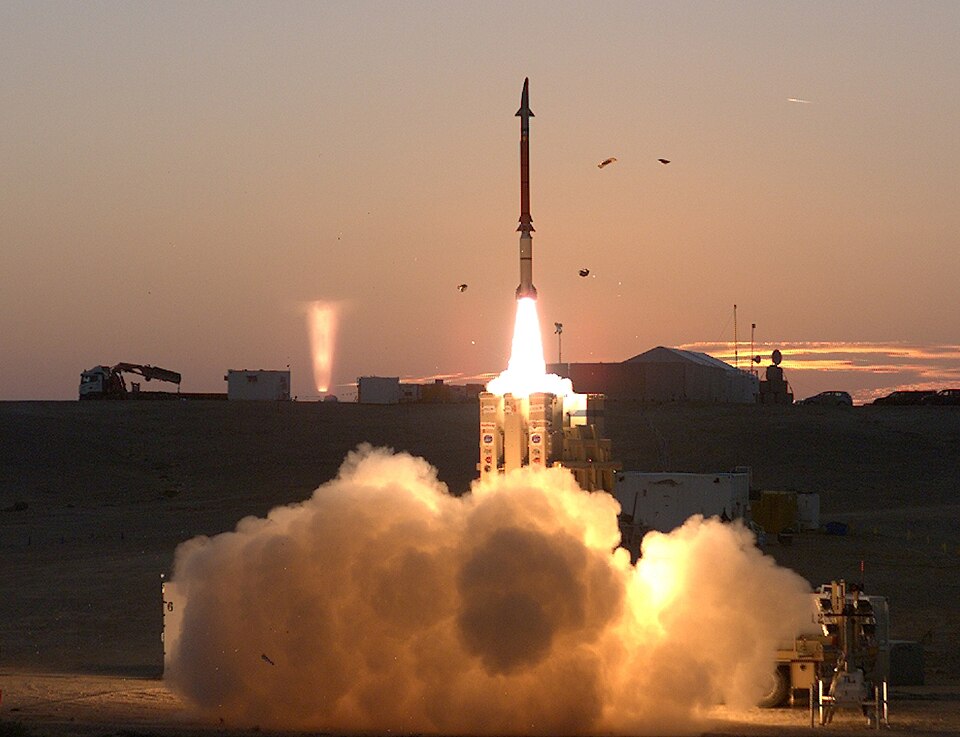
Iran’s recent missile tests, though claimed by IRGC-backed media sources but not by government TVs, indicate discrepancies in their Iran threats. Exerts such as Hamidreza Azizi believe that these could be technology tests in line with Iran’s move to decentralize its aerospace forces within Iran.
For the Israelis, the assessments have reaffirmed the Iranian intentions to re-emphasize the use of precise, solid-fueled missiles and survivable launcher systems. These threats pose the dangers of saturating attacks that could overcome the best defenses, such as the Iron Dome and David’s Sling.

5. Economic Crisis and Domestic Unrest
Iranians’ currency, the rial, has nosedived from 820,000 to about 1.4 million per U.S. dollar within a year, leading to protests in all of Tehran’s bazaar regions. Businesses were shut down aschants yelled antigovernment slogans. Inflation is at a cumulative 52% within a year, though essentials cost Iranian citizens considerably more.
The protests are further exacerbated by sanctions that were reinstated in September and the uncertainty of war. Pezeshkian’s budget also includes an increase of 20% in salaries, which is significantly less than the rate of inflation, further angering people and undermining the regime’s domestic legitimacy in the midst of war.
6. The Islamic Revolution has produced several other significant
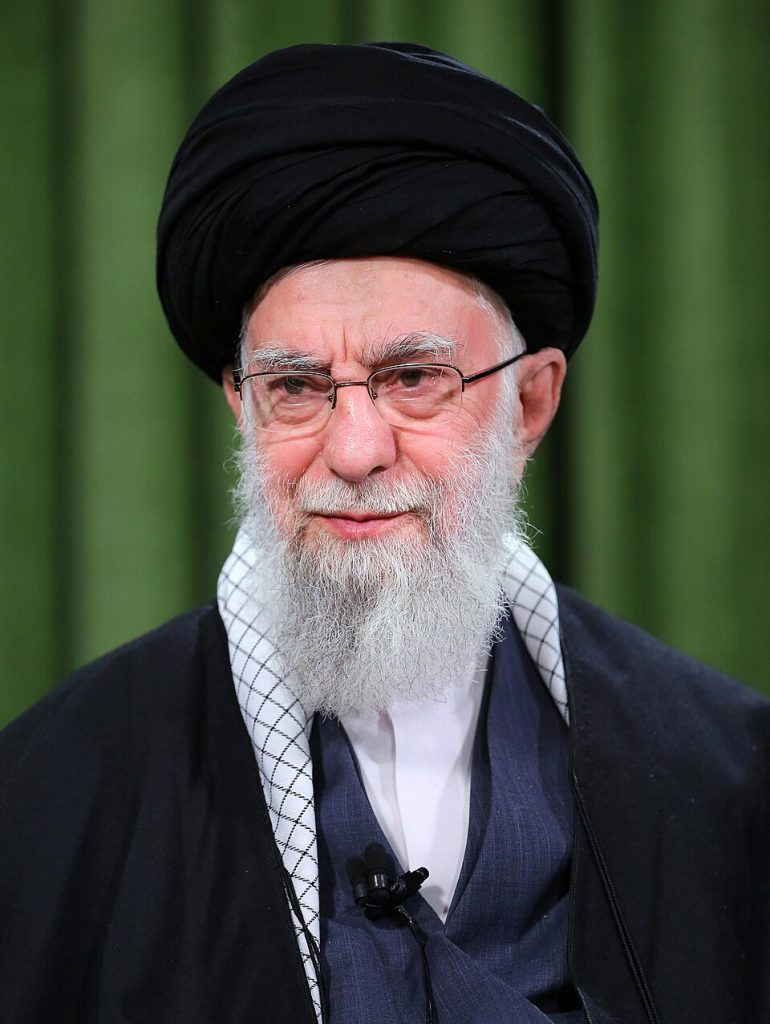
Iran’s politics may witness an increasing presence of the military with Supreme Leader Khamenei’s health fading. The growing power of the IRGC against the background of the religious establishment may portend that an Iran after Khamenei would combine nationalism with an Islamic identity but would not become a democracy.
It could lead to a more pragmatic tone in Tehran’s foreign policies while still being aggressively regional; this will limit the strategies of the US and Israel in using the existing ideological rifts.
7. Collapse of Intelligence Buffer
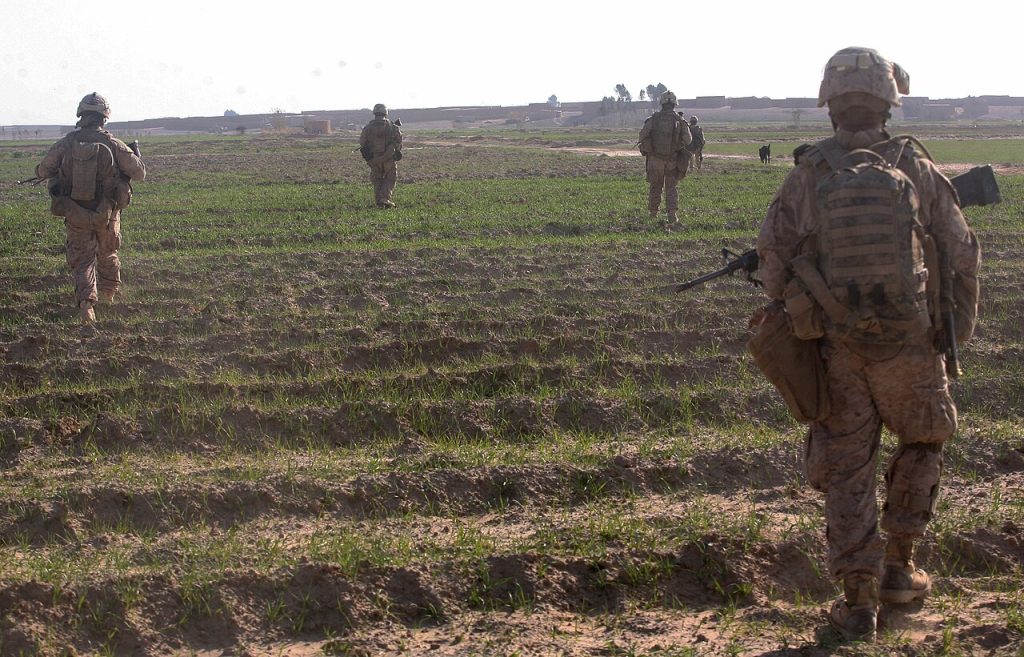
Iran’s hangings of an Israeli spy, along with the detention of 2,000 people with ties to enemy groups, signal a public turn in this secret war. Iran is willing to show confidence in its intelligence skills to destroy what it claims is a massive Israeli spying ring.
Plausible deniability in past intelligence-based skirmishes was a way of containing escalation. However, the overt nature of recent incidents diminishes the buffer and creates a situation in which covert operations could precipitate overt conflict.
8. Nuclear Ambiguity Under Strain
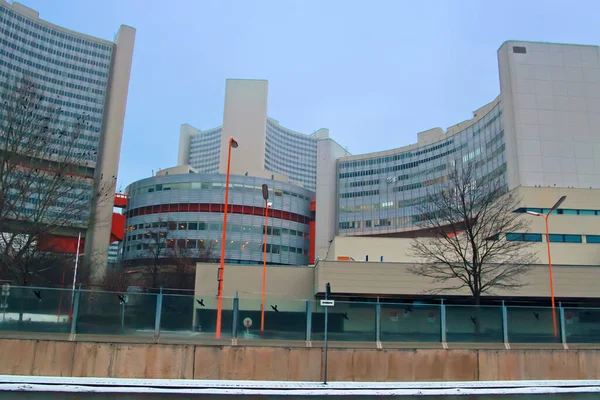
The Iran nuclear standoff intensified with the June discovery by the International Atomic Energy Agency of its violation of non-proliferation treaty obligations, as well as a perceived decrease in transparency and inspection access. Tehran’s revelation of a hidden uranium enrichment facility tightens timeframes. The Israeli doctrine regards nuclear latency as red line material. A gap in verification suggests that Israel might be forced to react too late, making the preventive strike a sound argument.

9. Proxy Network Erosion
Iran’s axis of resistance, which consists of Hamas, Hezbollah, and the Houthis, has encountered some losses in leadership and strategy over the year 2024. The collapse of Assad’s regime in Syria has diminished the influence Iran has over this region. However, Iran still supports and trains its Shiites militiamen to the tune of over $1 billion every year. The continued existence of this infrastructure means that even a weak proxy can cause regional instability in the region.
10. Strategic Calculus Shift in Israel
Today, Israeli strategists regard restraint as a danger, not a virtue. They find Iranian missile development, the dissipation of nuclear ambiguity, and open intelligence confrontation forcing a strategic preventive strike. The intention to strike will rest on the premise that the cost of taking action at present is preferable to dealing with a stronger and better-protected Iran at a later stage. There will be considerable reliance on Washington and the results of Netanyahu’s meetings with Trump.
“The Iran-Israel-U.S. conflict at the end of 2025 represents a multifaceted conflict that takes into consideration the realities of the battlefield, the upheaval on the ground, as well as the shifting paradigm of the political framework,” says defense analyst Bejtullah K. Dosti with regard to the Iran-Israel-U.S. conflict at the end of 2025 and how it can pose a threat to the global military industry.


