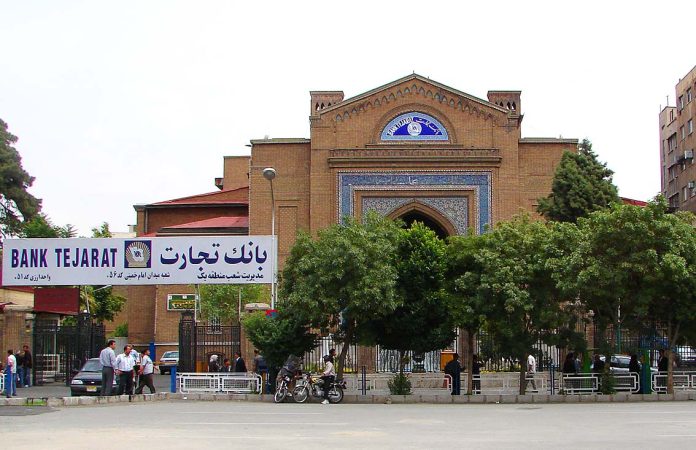
“The regime knows there will be protests, it is just a matter of time,” is how a high-ranking Iranian official summed up the gravity of the situation now facing the Islamic Republic of Iran. The Iranian regime is currently experiencing its most tumultuous period in years, beset by a devalued currency, high levels of inflation, and the reintroduction of sanctions.
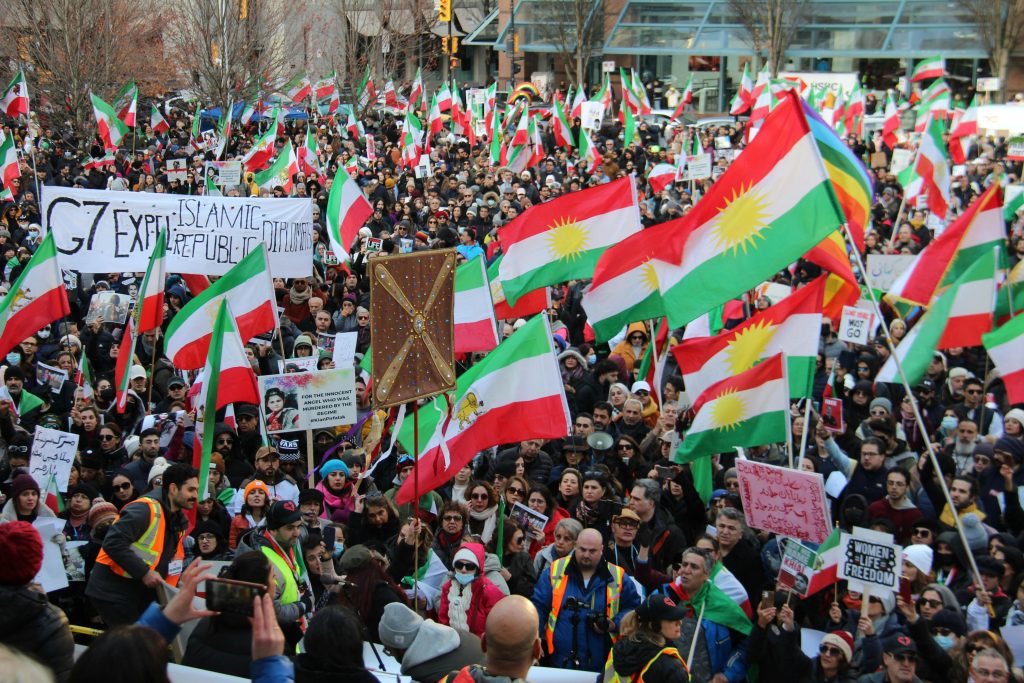
In recent weeks, Tehran and other big cities have experienced the biggest protests since 2022 due to the rial hitting record lows. The resignation of the Central Bank head, Mohammad Reza Farzin, has brought to the fore the extent to which Iran has been suffering from financial problems. It must be noted that Iran is facing these problems not alone but against the background of global financial unrest.
As people following developments around the Middle East and the global economy, it’s necessary to understand the forces behind the instability experienced in Iran. The ten points that follow demonstrate the workings of mismanagement of the economy, economic sanctions, and politics that have resulted in such instabilities.
1. Collapse of Currency and Loss of Confidence
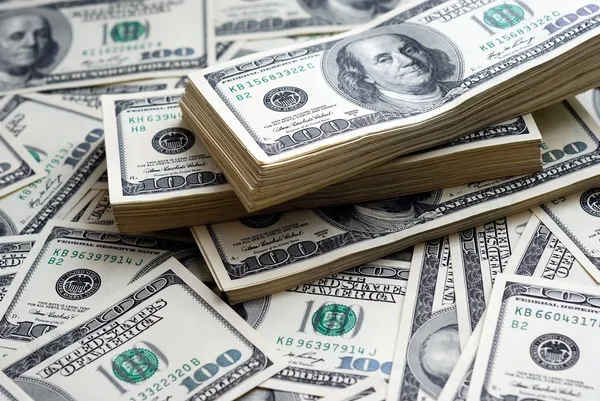
The depreciation of the Iranian currency from 430,000 rials to the US dollar in 2022 to 1.38 million in the past week is staggering. The plummeted currency has led to the deterioration of purchasing power. Households have turned to safe assets due to the depletion of purchasing power. Panic buying of US dollars, gold, and coins has escalated due to sanctions. A former deputy of the Central Bank, Seyed Kamal Seyed-Ali, warned that to support the Iranian currency under the conditions of snapback, the central bank will end up exhausting the foreign-exchange reserves that are currently used to cover vital imports. If the rial continues to devalue at the same rate, the problem of inflation.
2. Inflationary Shock and Food Price Rise
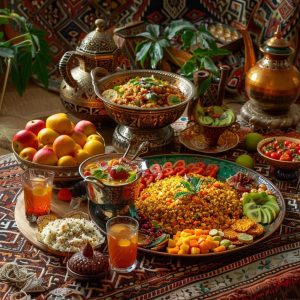
Official statistics record that inflation is running at 42.2% year on year in December, and that the price of food is up by 72%. The average annual rate of inflation for food in some provinces is over 79% in provinces. Those that spend the largest percentage on food, reflecting their low economic status, experience inflation far higher than the average. This retrogressive shock is causing increased inequalities and anger. Prices of fruits and nuts have doubled, while Iranian rice has tripled within a year. These kinds of price increases are disruptive, particularly in cities where wages are rising less than inflation.
3. Resignation of the Central Bank Governor
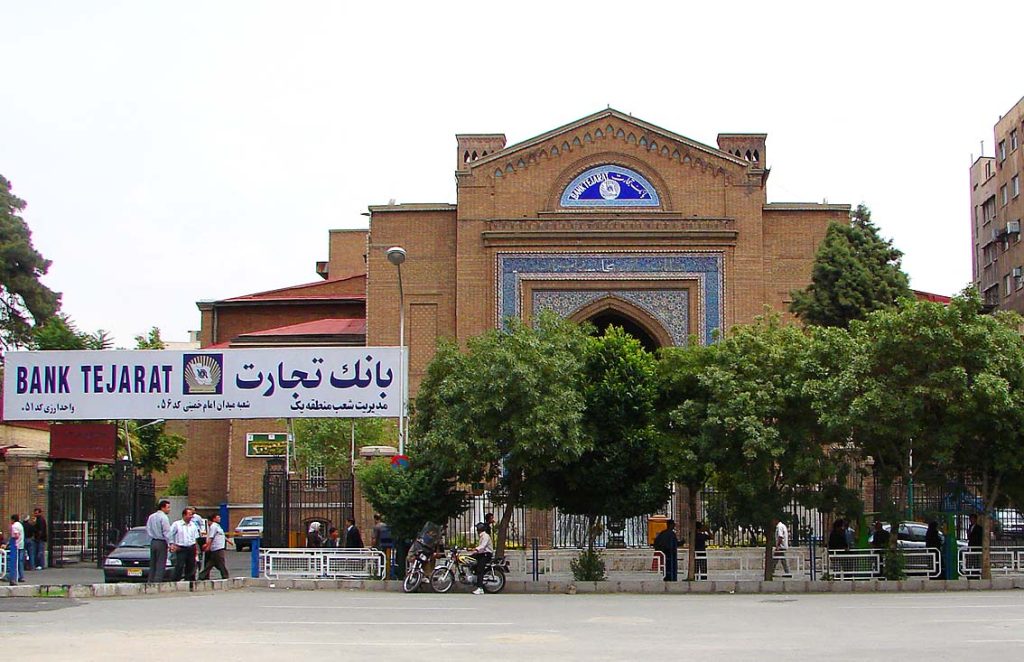
Rounds of speculation that governor Mohammad Reza Farzin intends to quit amid the currency crisis began last week. His departure will be significant because his time in office has seen the rial depreciate by two-thirds from 430,000 per dollar to where it is now. It is a reflection of the issues that come with managing an economy that is faced with sanctions and fiscal deficits, and this move is also enough to erode confidence in an economy.
4. Fiscal Restrictiveness and Controversies in Budgeting
President Masoud Pezeshkian’s proposed budget for 1405 focuses on tax revenue rather than oil sales, with plans to increase VAT from 10% to 12%, along with lower allocations of subsidized currency. However, this will result in the closure of small businesses and unemployment, along with reduced consumption. Despite an average inflation of over 40% in the country, it was announced that public sector workers will only receive a wage increase of 20%. Economists say this hurts wage growth and raises taxes, leading to a possible recession and unrest in society.
5. Snapback Sanctions and Geopolitical Is
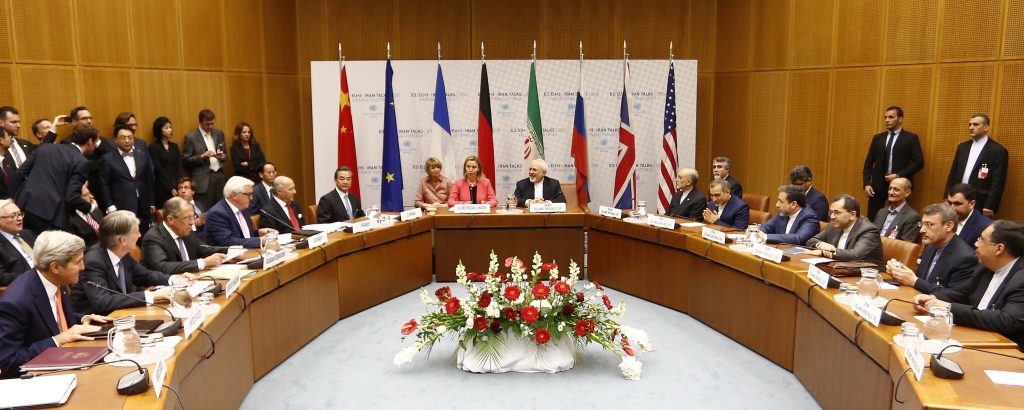
“Snapback” sanctions introduced in September under the pre-2015 UN sanctions re-imposed through mechanisms in the JCPOA have resulted in frozen assets, a cessation in weapons transactions, and efforts to restrict Iran’s missile programs. However, non-compliance is maintained by both Russia and China. These policies enhance economic vulnerabilities, undermine banking networks, and limit trade. Umud Shokri, an energy strategist, pointed out the impact of the sanctions as follows: “The sanctions will ‘deepen the country’s longstanding structural and financial vulnerabilities,’ adding to inflation and the collapse of the currency.”
6. Oil Export Strains and Floating Storage Backlog
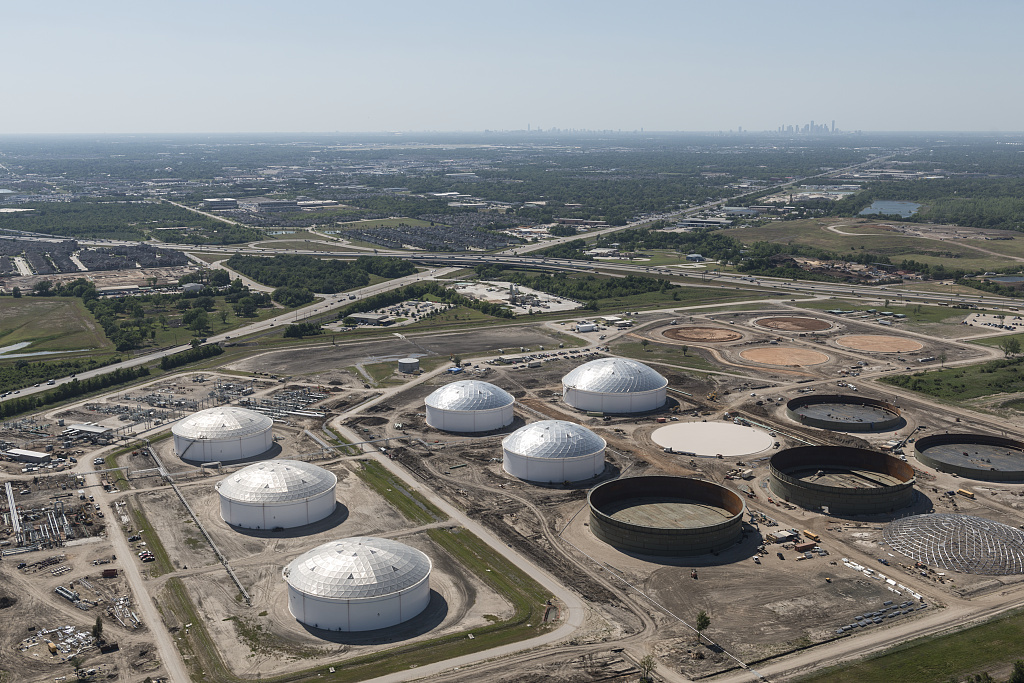
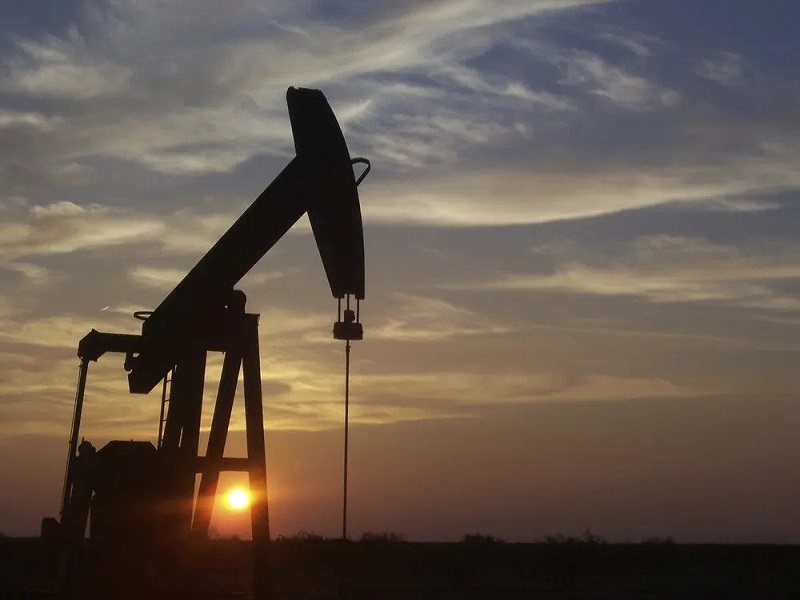
Despite reported strong shipments, Iranian apparent imports of 52 million barrels of Iranian crude are in floating storage, the highest level in 2.5 years. Delivery delays due to Chinese refinery quotas and tighter U.S. sanctions are damping earnings. Each dollar that falls from oil prices costs Iran about half a billion dollars every year. The oil, as well as petrochemicals, contributes about a quarter of the country’s GDP, making this backlog an essential point of pressure.
7. Home Energy Price Pressures
Plans for a third level of gasoline at 5,000 tomans per liter indicate that transportation costs are going up. Cutbacks in preferential currency units used in importing wheat and medication have already led to high costs. These steps help control deficits, but they may fuel additional price rises, particularly in consumer foods and fuel, which affect poor sections of society adversely.
8. Social Unrest and Merchant Protests
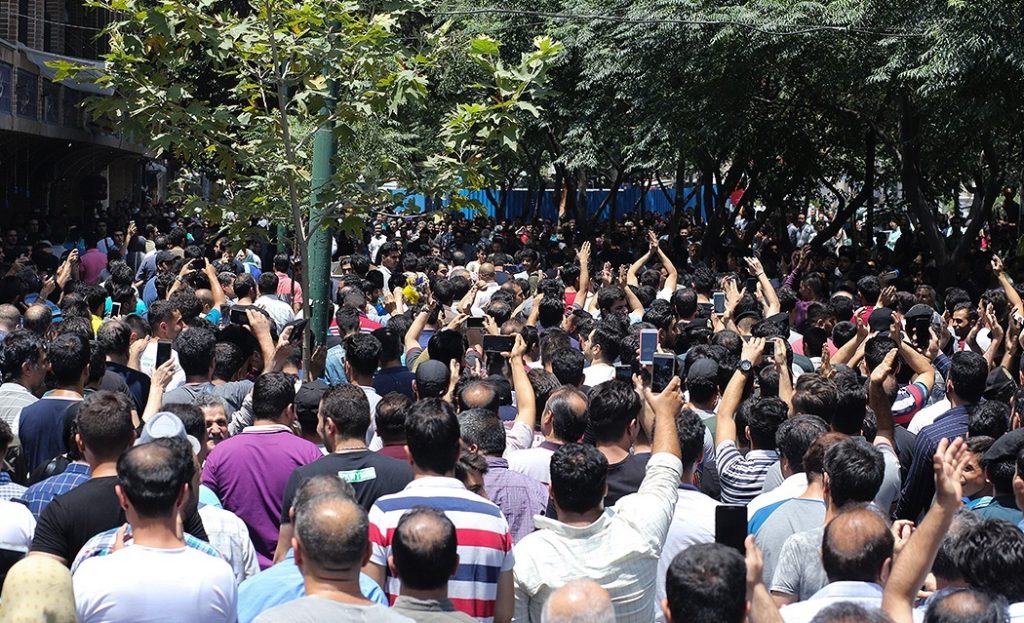
Vendors in Tehran’s Grand Bazaar and tech markets have closed their shops in protest, following through on their tradition from the 1979 revolution. Also, protests have erupted in Isfahan, Shiraz, and Mashhad, where tear gas has been used by the police. Although state-controlled media portray these as exclusively economic issues, the chants and shut-downs express a larger dissatisfaction with governance and quality of life.

9. Security Force Discontent
Dissatisfaction Videos from police personnel, unprecedented in nature, talk about their wages being so low they contemplated the act of selling their kidneys, and all of these videos have appeared on the internet. This kind of discontent within the military ranks that will normally be counted upon to control unrest is an indication of potential breakdowns within the coercive institutions of the state.
10. Risk of Renewed Regional Conflict
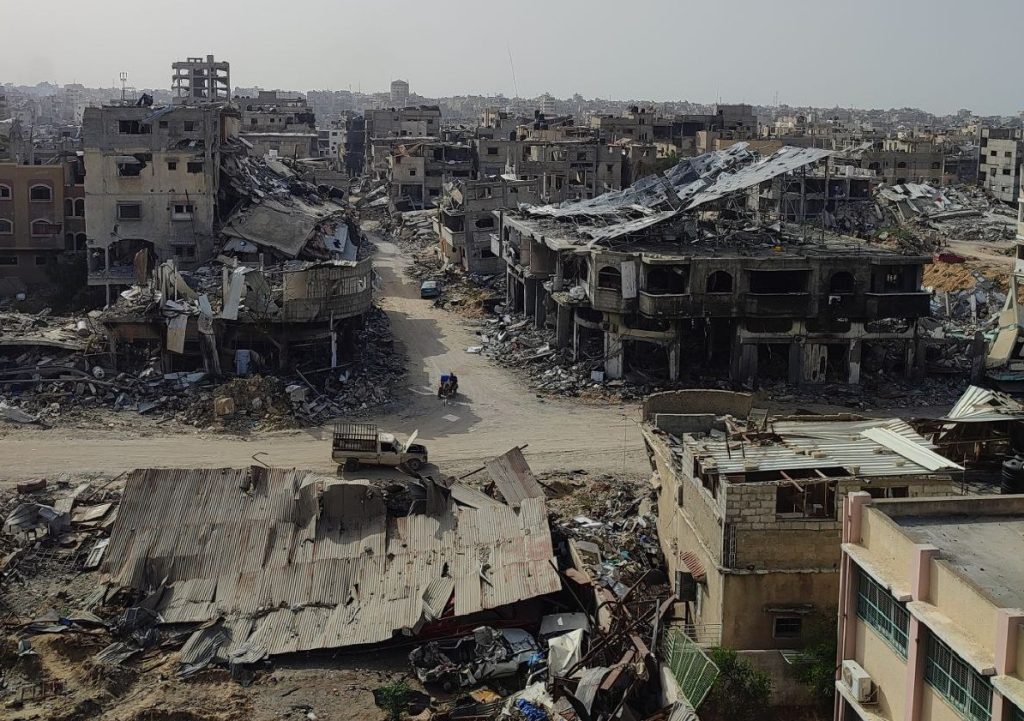
The June 12 war against Israel lasted 12 days, damaging Iran’s nuclear infrastructure and killing high-ranking officials. Iran’s deterrence strategy has been «punctured but not abandoned,» according to Bender. It has been noted that Iran’s «conviction that it “did not lose”» could lead to more aggressive With some 2,000 heavy missiles left in its arsenal, and prevailing tensions regarding the Strait of Hormuz and oil facilities, geopolitical risks are still high, thereby leading to market volatility. Iran’s current predicament follows from the simultaneous occurrence of economically challenging, politically volatile, and geopolitically uncertain developments.
The value of the Iranian rial’s collapse, the jump in inflation rates, and the budgetary burden are together accompanied by sanctions and instability in the wider Middle East. As analysts seek to understand the implications of the Iranian scenario, the difficulty arises from determining whether an Iranian stabilization of the economy can avoid further upheavals or whether Iranian survival might instead be equated with success.”


