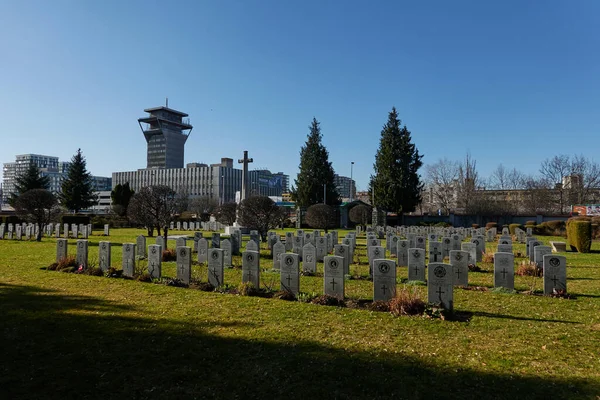
What secrete lies in the peaceful country of Europe? The secret to this mystery lies in the new section of the D11 highway, which will be constructed in eastern Bohemia, as in this region, archaeologists uncovered the incredible secret of the combination of four mass graves, two of which are from wars which happened 121 years apart.
1. Battlefield Mapping with Modern Archaeology
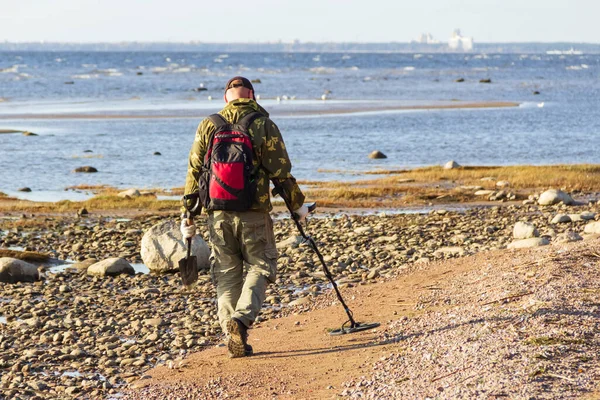
The secret of the discovery lay in the process of ‘Battlefield Archaeology’, which takes a systematic approach based on buried weapons, bones, and other artifacts to reconstruct the image of warfare in the ancient period. The Archaeological Centre Olomouc performed the rescue archaeological excavations for a length of 3.6 kilometers from the village of Jarmover to the town of Trutnov on the route of the motorway in the region of Czech Republic. Metal detectors have assisted in locating concentrations of ammunition, including round lead musket balls discharged from the flintlock muskets, as well as the longer rifled bullets from the 19th century, indicating the positions of the burials.
2. The 1745 Battle of Žďár Grave
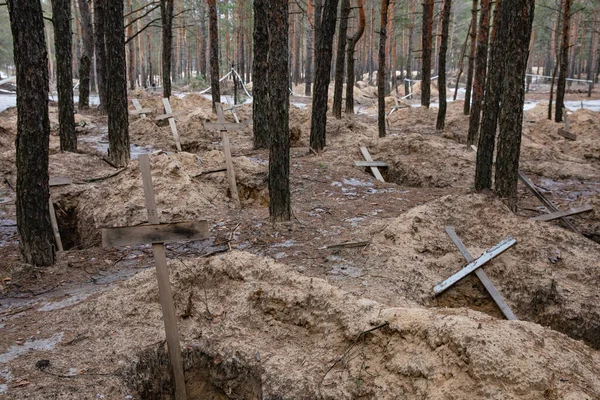
Between the km points 126-129, the archaeologists uncovered a rich grave that dated from the Second Silesian War. A dozen soldiers were buried in a row along the battle front from a war that had been covered up by the present road. Coup marks on the skulls from close-range gunfire suggest deliberate fatal injuries. The artifacts are: military clothing fragments, fragments of buttons with textile residue, gun pellets made of lead, andaint pictures. The newly unearthed archaeological site is the first documented mass grave from an 18th-century warfare site to be discovered in Central Europe and offers an immediate window of insight into the warfare practices of the mid-18th century.
3. The Forgotten Context of the Battle of Žďár
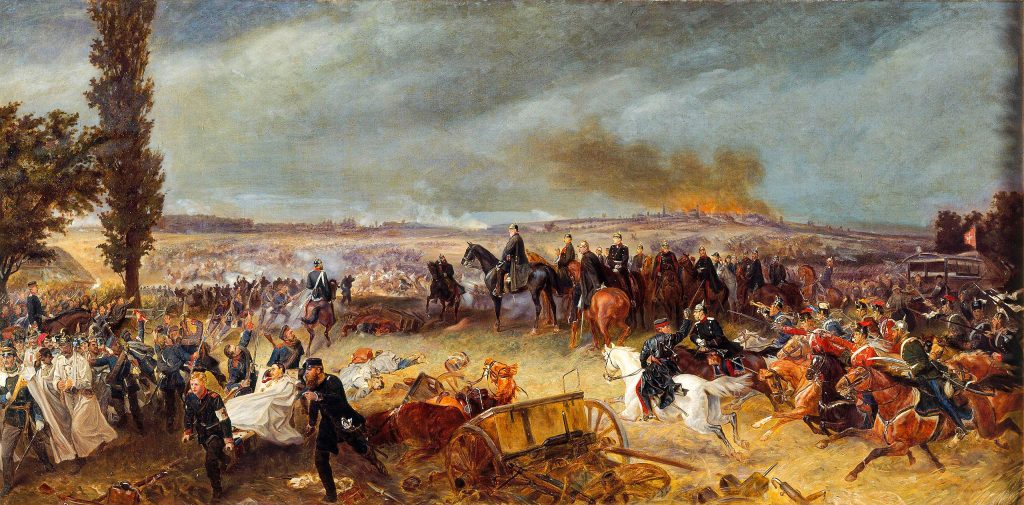
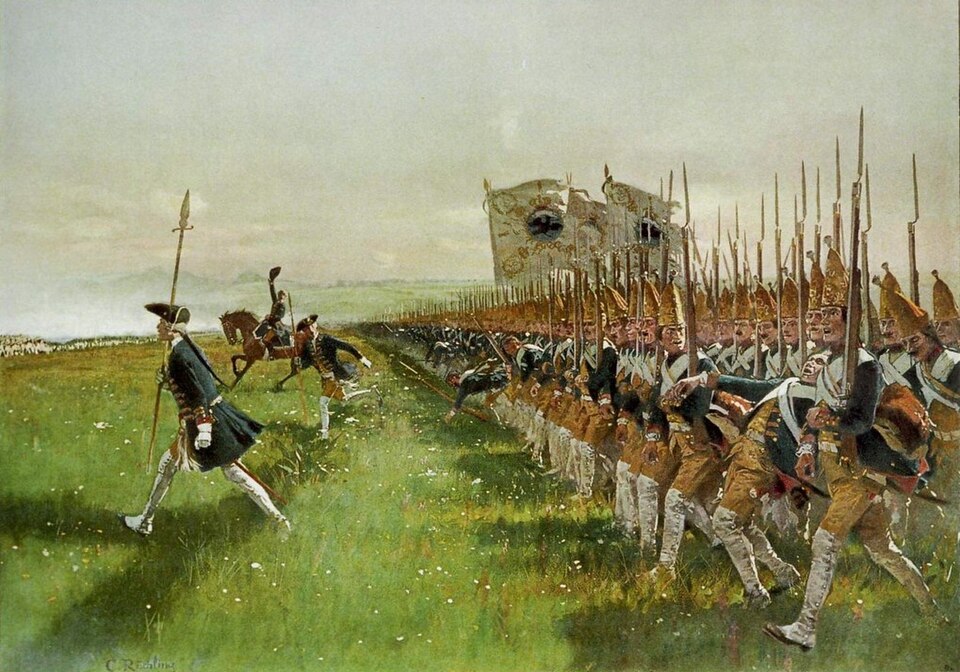
The Battle of Žďár took place in September 1745, with 40,000 Austro-Saxons battling 22,000 Prussians. There were many casualties with little remaining to tell the story except for this archaeological dig. The fact that the burial site and its artifacts hold data that can be verified by the history contained in written materials has helped historians understand more about battles.
4. Prussian Graves from the Battle of Nový Rokytník, 1866
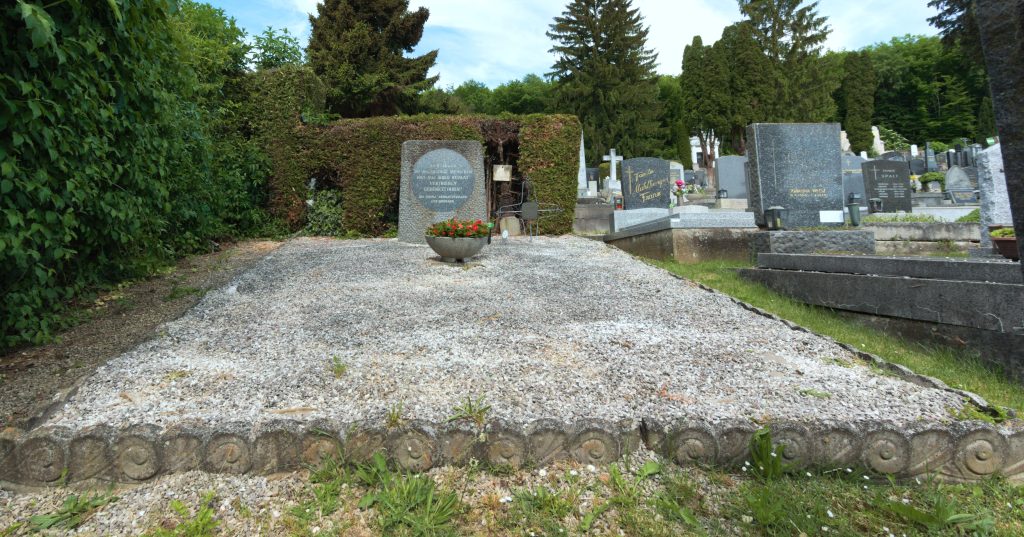
A little further north, at km 130, there were two burials containing seven and three Prussian soldiers who died on June 28th, 1866. This battle was a follow-up effect of another Austrian defeat at Trutnov but this time in the face of Prussian Guards. The sensitivity in preserving their bodies was remarkable; there were folds in cloth uniforms, details in their guns, a pocket mirror, and a coffee grinder that could be operated manually in place. All these objects are personal belongings that help in expressing the uniqueness among these dead soldiers, as noted by archaeologist Michala Bartoš Dvořáčková: “Each soldier carried more than equipment.”
5. Austrian Mass Grave with Unique Artifacts
At about the 132km mark, a fourth burial ground was found, where 23 Austrian soldiers, dating back to the same war of 1866, were buried. Although the remains lay deteriorated, a pair of leather boots, parts of a uniform, a belt buckle, and a silver pocket watch in the form of a dog are well-conserved. A gold franc, dating back to 1854, was found in one of the uniforms, showing the link of the soldiers to the financial channels of military and their routes across Europe during the 19th century. It appears that there is a non-commissioned officer in this burial ground given the presence of a saber scabbard.

6. Comparing Weapon Technology Across Centuries
The graves can provide a unique opportunity to study injuries sustained on the battlefront by two distinct weapon systems in the same soil conditions. Soldiers from the 1745 regiment carried smooth-bored flint lock muskets with picric rounds of low range and smashing powers at a short distance. In contrast, by the time of the 1866 events, soldiers carried rifled guns with glycaled slugs of higher range and smashing powers. Forensic anthropologists could examine entrance and exit wounds to determine whether deaths resulted from volleys, distant firing, or close-range gunfire.

7. Forensic Anthropology and Preservation Science
In the Olomouc laboratories, the osteologists will estimate the age, height, healed wounds, and physical stresses endured by each skeleton. The textile conservators will conserve the remnants of the military textile material, while the metals team will clean and conserve the appropriate military hardware and coins. The condition of the bones and the condition of the textile and leathers offer valuable information on the textile industry.
8. Handling and Museum Curation
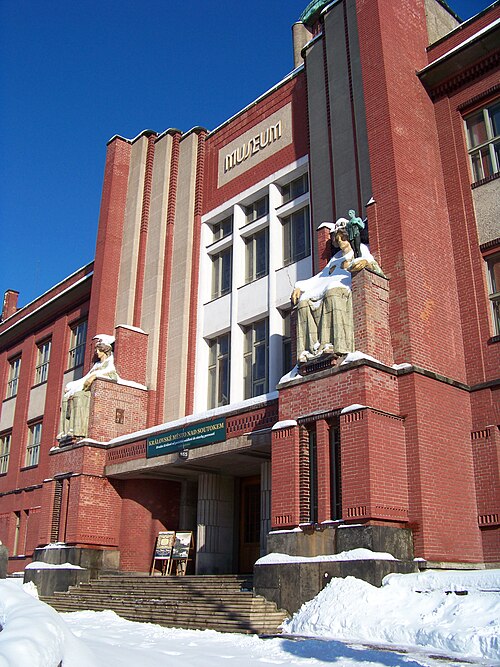
Ethical Practices Finally, after the completion of the analysis process, the artifacts would be carefully curated at the Museum of Eastern Bohemia, which is based in the city of Hradec Králové. The soldiers’ relics would then be buried, an aspect that is statute-governed within the framework of the legislation within the Czech Republic, striking a balance between the ethical consideration of the current day and the aspect of the preservation of history. There would be museum displays that would equate the “number-less” tales of war and the utilization of artifacts such as watches, mirrors, and boots.

9. Connecting the Past with the Present via Archaeology
This cemetery represents two conflict periods in the history of European warfare, filling the “silent” tales of soldiers who did not write them down in the form of journals but are no longer found on the annals of history. This sort of find would be an excellent addition to the study of history because it would reveal the culture of war, which could include anything from the original design of war instruments by the military apparatus to the soldiers’ personal effects.


