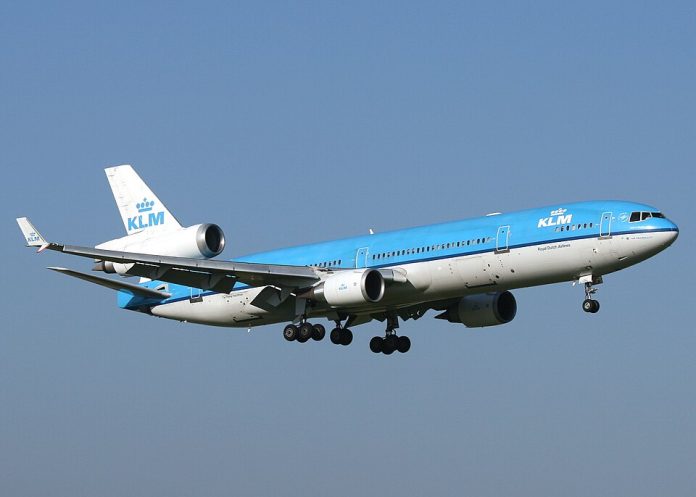
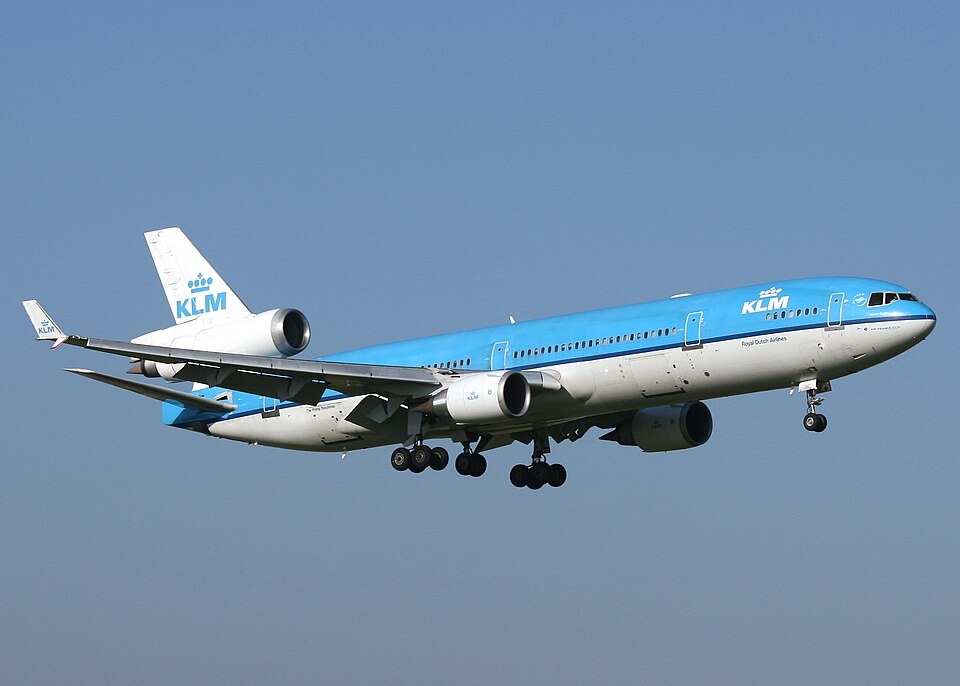
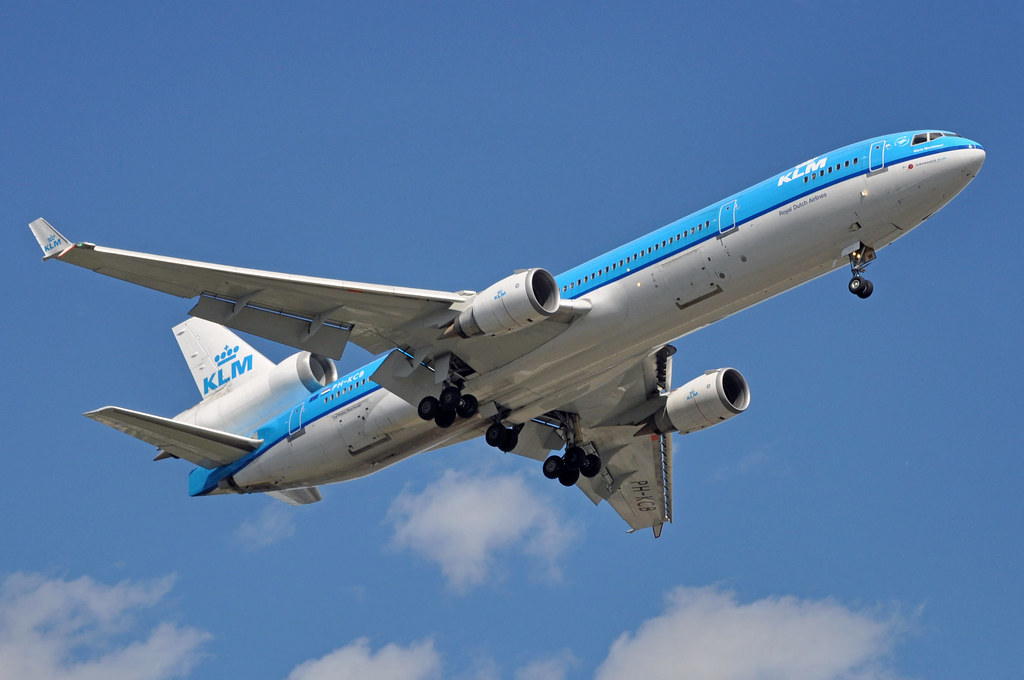
The devastating losses suffered by UPS Flight 2976 in Louisville on November 4 have already established this tragedy as an instant classic, a paradigm case study, for examples of structural failures and the necessity for fleet action on safety. The McDonnell Douglas MD-11F, headed for a scheduled stopover in Honolulu, had its engine and pylon peel away a split second after takeoff, igniting a fireball, before crashing, killing the plane’s 15 occupants 3 crew members, plus 11 on the ground, with 23 injured. As a result, the Federal Aviation Administration has been forced to ground the entire MD-11 and DC-10 fleet until emergency inspections could be conducted.

1. Successive Failure
Analysis of airport video and NTSB data reveals that the No. 1 engine and its pylon separated from the wing shortly after rotation. The functioning engine rocked on its forward mount before vaulting overhead and leaping across the fuselage. The path of destruction caused simultaneous degradation of the wing and saturation of the aircraft with fuel fire. A fire which had been smoldering near the left attach point of the pylon persisted until impact. The aircraft did not climb higher than 30 ft above mean ground level before descending into the industrial district to hit both the UPS warehouse and the fuel recycling plant.
2. Pylon and Mount Hardware Analysis
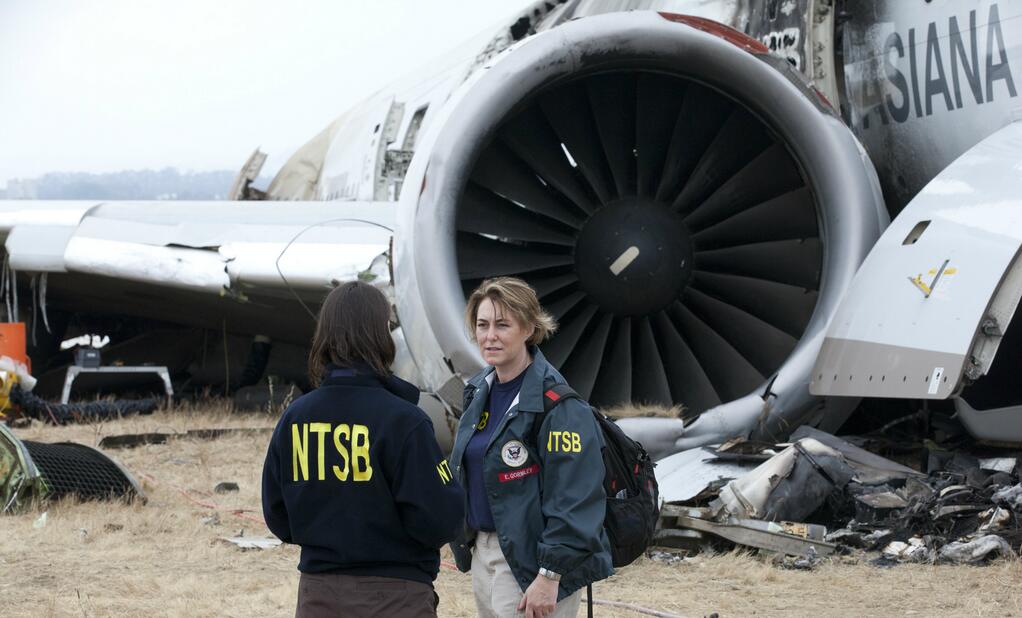
Analysis of the recovered debris indicated extensive fatigue damage to the left pylon aft mount lug areas. The fracture surfaces, where the lug bore intersects the front face, were matched by the NTSB to indicate overstress separations. The spherical bearing securing the aft mount to the wing clevis had fractured around its circumference, exposing the ball part of the bearing. The loads from the engine thrust and aerodynamics are applied through these members.

3. Mechanisms of Fatigue
Fatigue fractures are micro-cracks that occur after thousands of cycles of pressurization and landing/starting. In this particular case, the aircraft had 92,992 flight hours and 21,043 landing and starting cycles on board. The last visual inspection of the left pylon aft mount occurred in October 2021, while the thrust linkages and bearings were last lubricated in October 2025. There are no outstanding Special Detailed Inspections related to the high cycle thresholds.
4. Design Context of the MD-11
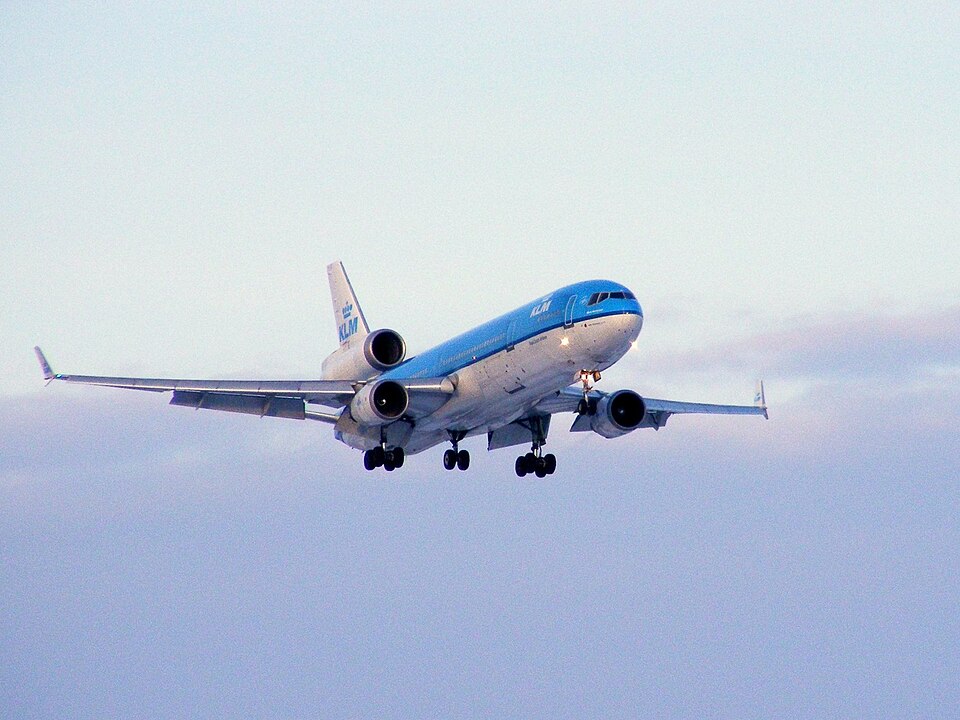
The MD-11 is a trisonic, three-engine variant of the DC-10, certified in 1990. The MD-11 features two wing-mounted engines, with the third engine mounted on the fuselage. The primary components of the pylon mount with the MD-11 series include the bulkhead of the mount, link assemblies, and the bearings with precision-machined lugs. The MD-11 series roots its origins in the incident on American Airlines Flight 191, where, in 1979, the DC-10 left engine and its mount separated on takeoff, causing the plane to go into a fatal roll.
5. Accident Investigation Procedures
Indeed, the NTSB acted swiftly, filing its preliminary report only 16 days after the crash, a couple of weeks before its typical 30 days. Since then, the NTSB has been analyzing the data obtained from the collection of the cleaned fractured areas, detailed examinations of pylon components, and extraction of both CVR and flight data recorders, of which the CVR contained over two hours of excellent audio, and FDR logged 63 hours of data from 24 flight cycles, with experts in aircraft performance, metallurgy, human factors, and air traffic included in this analysis.
6. FAA Emergency Air Worthiness Directive
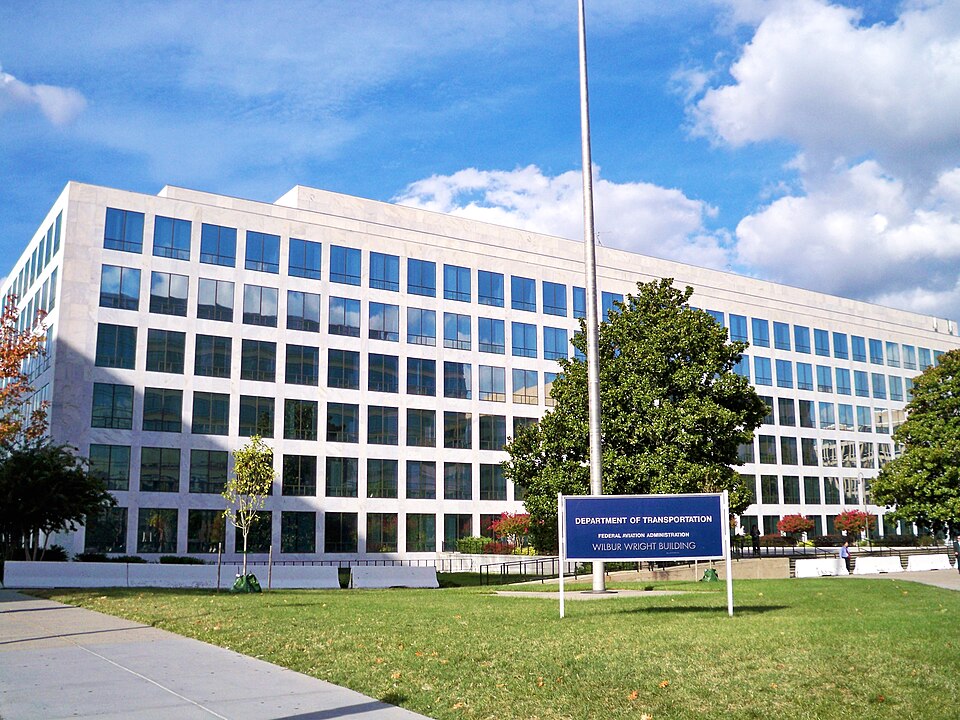
On November 8th, AD 2025-23-51 was issued by the FAA and requires that all MD-11 and MD-11F aircraft be inspected immediately. Flight operation is prohibited prior to inspections and corrective actions are completed and approved. Because the MD-11 aircraft has a common pylon to the DC-10 aircraft, this restriction was extended to include the series DC-10 aircraft because it has commonality in pylon structure. The FAA has announced that a comment period has been waived due to the “severity of the unsafe condition.”
7. Fleet and Logistics Impact
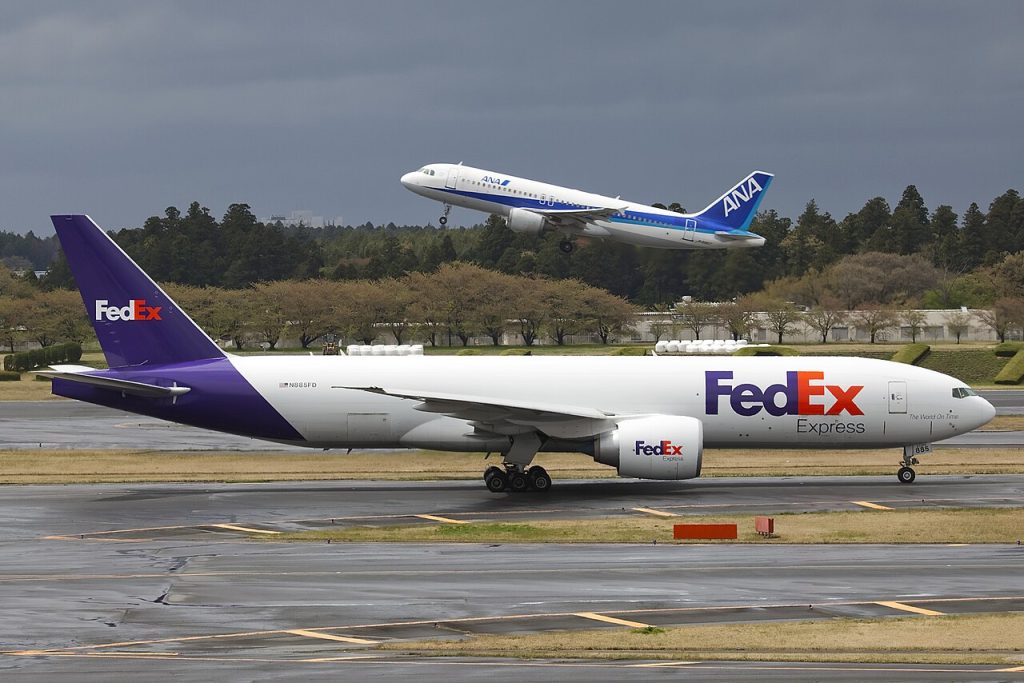
UPS parked its fleet of 26 MD-11 planes on Nov. 7, as recommended by Boeing, which comprises 9% of the airline’s fleet. FedEx and Western Global Airlines are the other two air carriers that have MD-11 freighters in the fleet with 28 and 14 planes, respectively. Boeing, the holder of the type certificate, is currently designing the procedures for inspection and measures for improvement, which would then be evaluated by the FAA officials.
8. Forcing Functions in Engineering
In addition to the simple exhaustion, a sequence of pylon separations was a very complex process. During the disengagement of the engines from the aircraft, the thrust reactions, gyroscopically induced loads from the rotational forces of the fan assemblies, and aerodynamic drag worked together. Turning around the final point of rotation with the struts still attached introduced multi-directional loads on the aircraft structure, which was already torn apart and adding to the wing damage. The resulting shortage of lift on the left side of the plane and the fire-damaged engines in the centre meant the plane was beyond control.
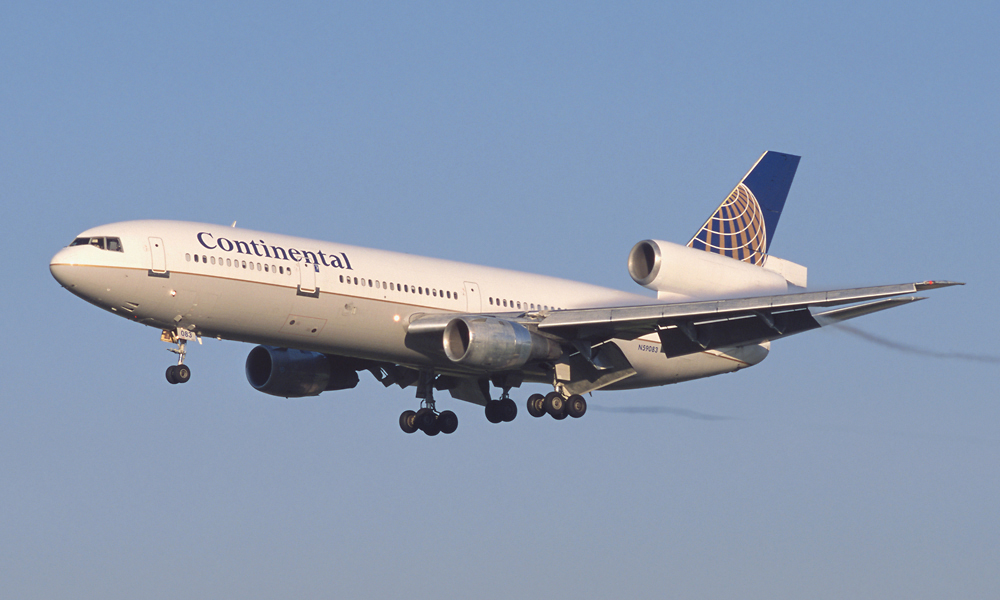
9. Historic Resemblance and Aging Airframes
This increases the relevance of the NTSB’s connection with Flight 191 and aptly suggests the continued threat of pylon separation with older tri-jet models. Though there exist improved materials and levels of plane inspections, the age of the MD-11 planes-many approaching or in excess of three decades-strongly suggests exposure to fatigued fracture. It will likely take a great deal of investigation into the determination of Boeing’s inspection cycle as a means of addressing aging plane threats.
The investigation is ongoing, with a final report from the NTSB expected in 18 to 24 months. Until then, the MD-11 and DC-10 aircraft likely face the scrutiny of a return to service contingent on engineers removing the threat of catastrophic pylon separation.


