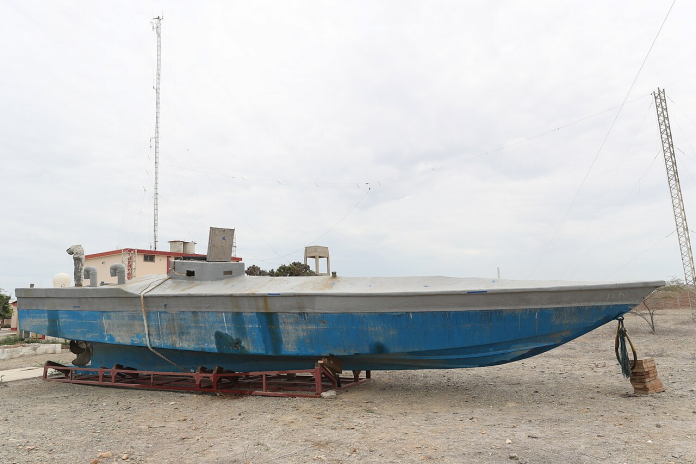
Finishing a High Seas interdiction with survivors is a rare occurrence, and survival with the exception of the charges not being pursued is even more remote. What happened in October 2025, however, is that a military operation conducted by the United States against a semisubmersible in South America came into focus because of the intricacies involved in the marine technology available, the shifting and evolving ideals connected with the counter-narcotics approach, and the geopolitics involved in the Maritime Realm of the Caribbean and Eastern Pacific.
However, this is not the only incident, but the flip side of the same campaign, whose lines have obscured the distinction between the pursuing authorities and the military. For the defense strategist and the maritime security watcher, this incident can offer much more information not only regarding the reality of the narco-submarines battle, but also regarding the legality and the efficacy of the strategy in the course of this procedure. The nine significant takeaways below outline the most essential aspects relating to the incident and the circumstances surrounding the attack.
1. The Target: A Semisubmersible Narco-Sub
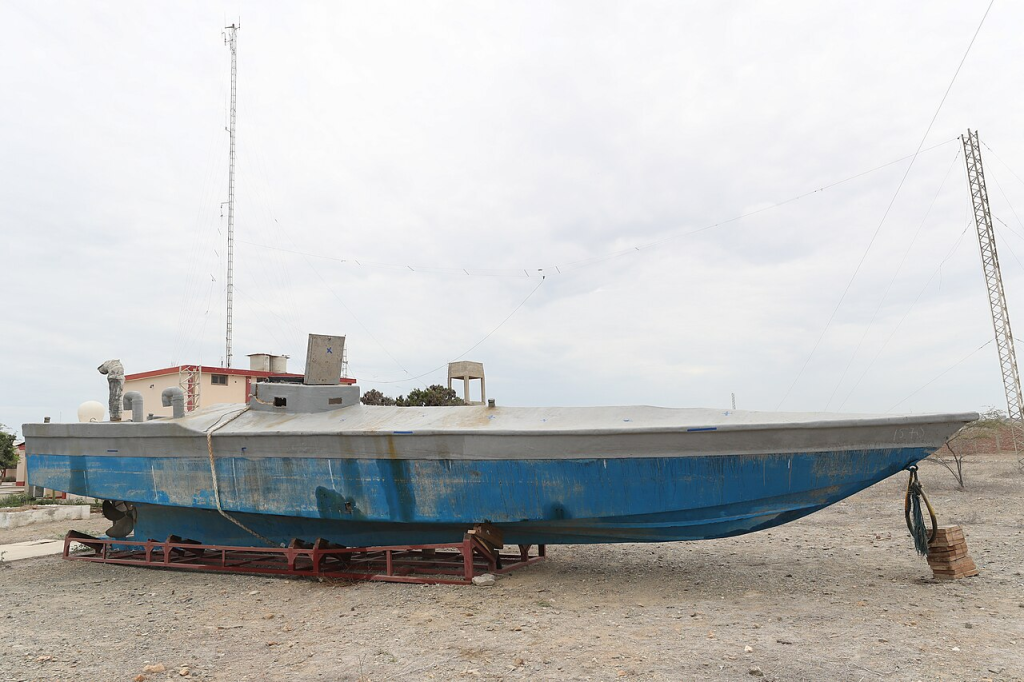
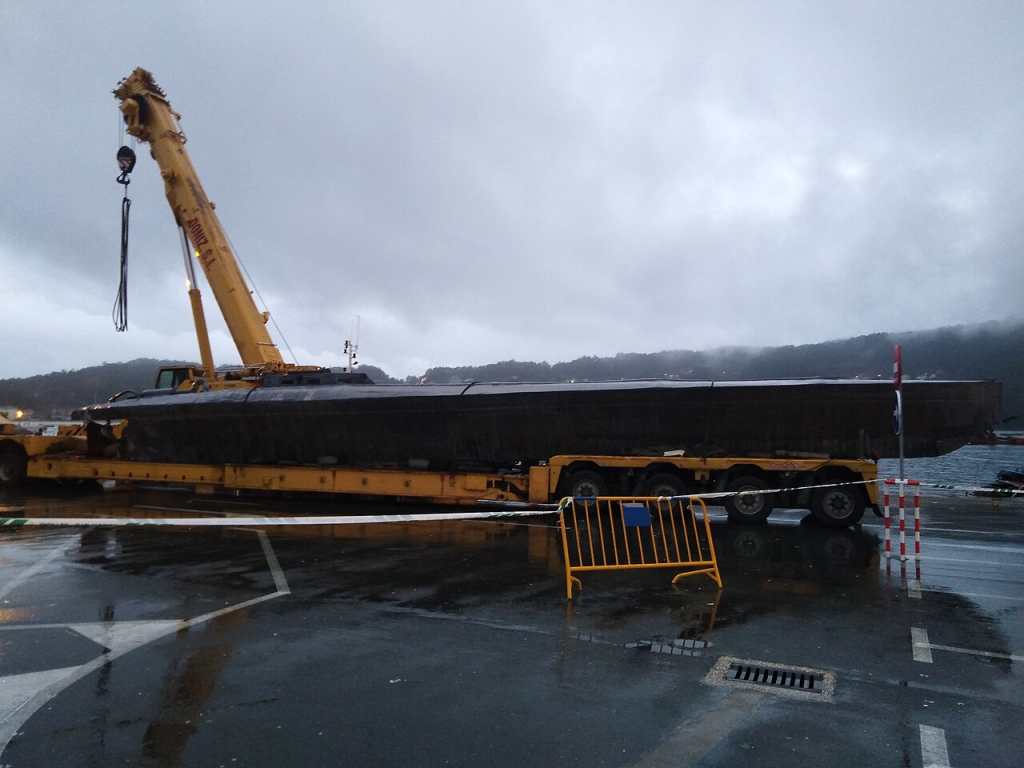
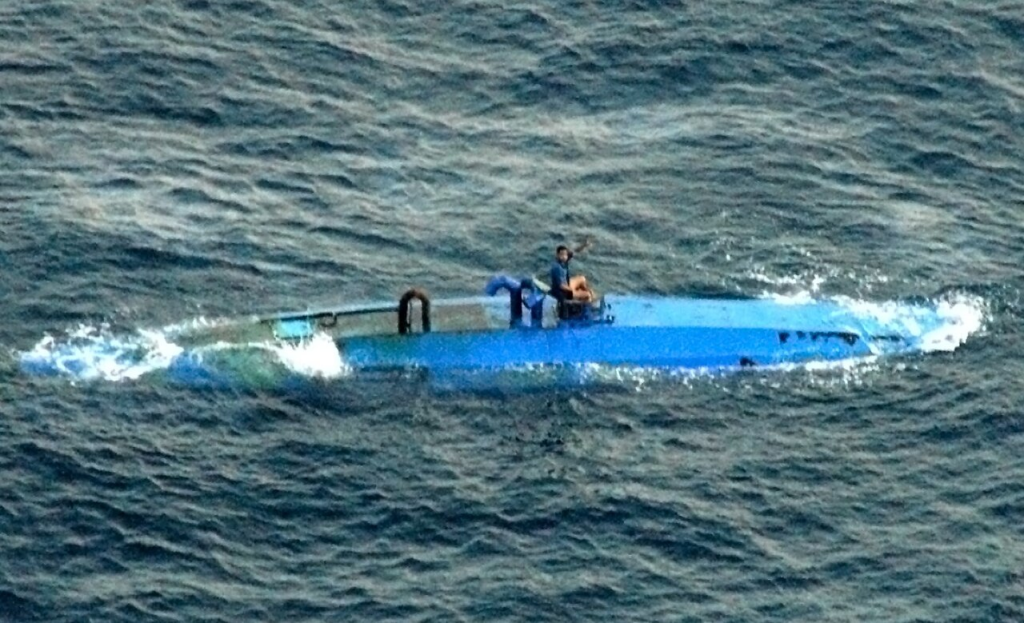
The vessel that was targeted on October 16th was a self-propelled semisubmersible craft. These vessels are greatly preferred by drug traffickers due to their low visibility and capacity to carry heavy loads of cocaine. Unlike other kinds of submersible vessels that carry their control rooms and exhaust systems below water level, semisubmersible vessels only carry these two elements above water level. As a result, these vessels are even difficult for radar and observation patrols to detect. These vessels are greatly cherished by drug cartels. The secret shipyards in Colombia, Ecuador, and Brazil have designed vessels that are capable of crossing the Atlantic.
2. The Strike and The Immediate Aftermath
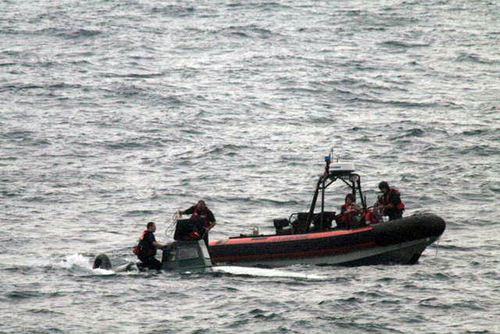
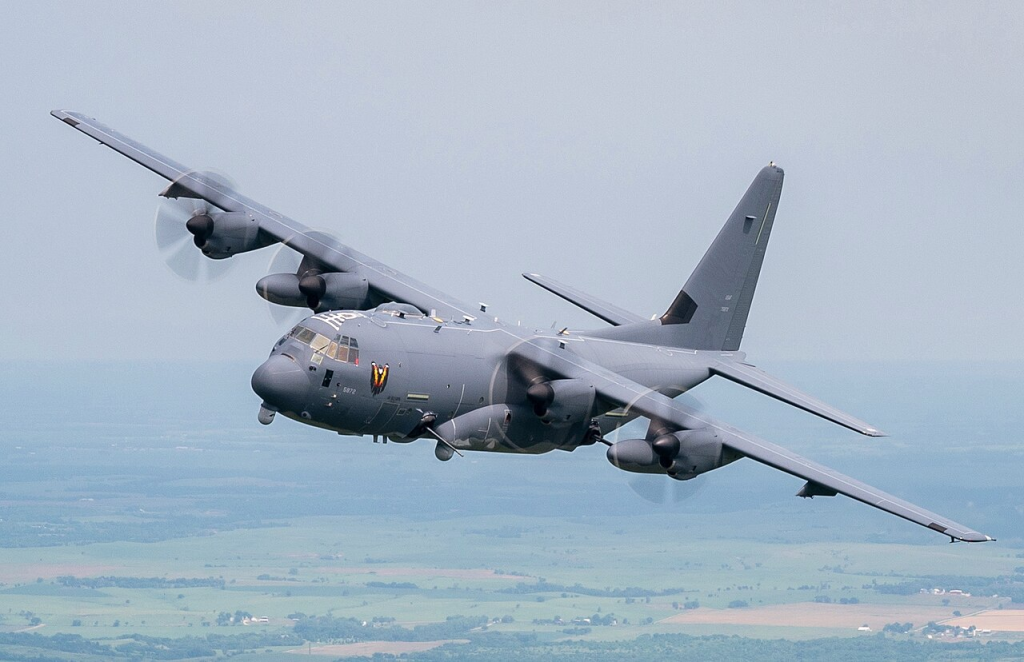
The U.S. AC-130J Ghostrider gunship performed accurate strikes, which resulted in the generation of puffs of smoke from the semisubmersible craft. Two personnel were able to avoid by swimmimg into the choppy waters, while others are likely to have been left stranded inside the sinking craft. The two personnel who swam away were rescued by the US forces and taken to the USS Iwo Jima. There was a shift in events regarding the treatment of the survivors, considering events similar to the example created by the strike conducted on September 2, when the survivors had been finished off by the follow-up strike.

3. Release Without Prosecution
Two of the surviving nationals from Ecuador and Colombia were immediately repatriated back in their countries. Neither has been charged with a crime in light of their past conviction related to the trafficking of illicit substances given that the US military did not confiscate the drugs, communications devices, and navigational data that would work as hard evidence of the initial crime of trafficking. The repatriation exercise of the Ecuadorians was described by the government officials as having a nature of humanitarian concern while actual physical evidence of crimes related to trafficking would otherwise need to be provided.
4. A Campaign of Lethal Maritime Strikes
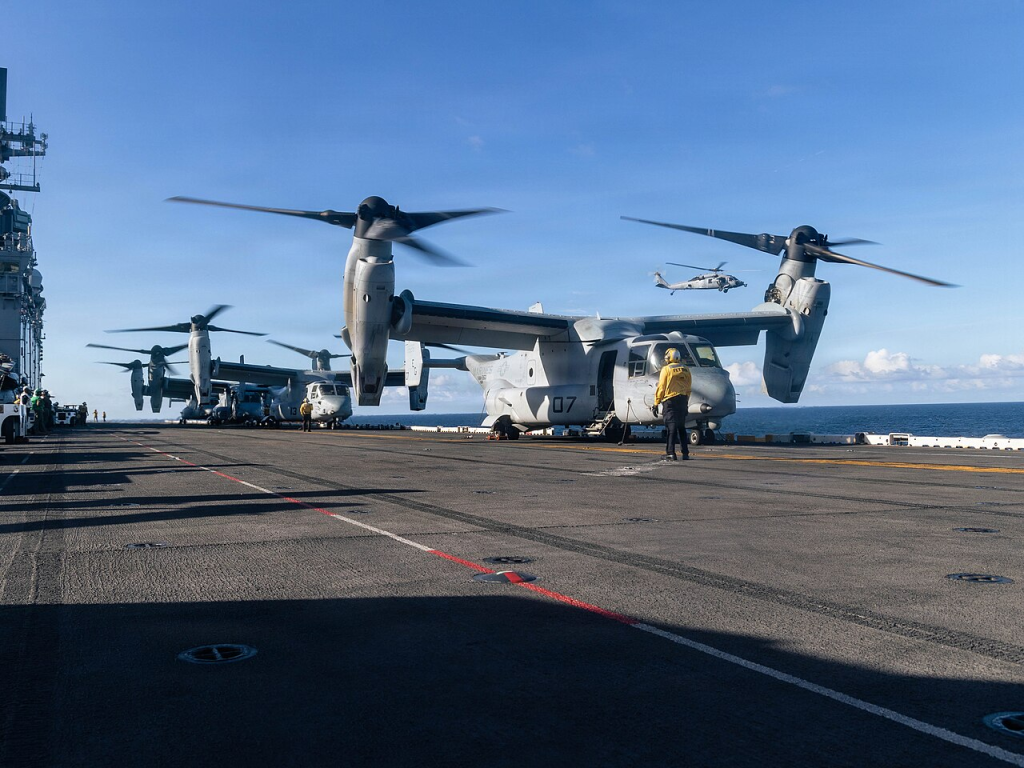
The strike is linked to Operation Southern Spear, which is an ongoing U.S. military operation and has conducted at least 29 fatal strikes since September, leading to the deaths of over 100 people. The targets of these operations include go-fast and semisubmergisble craft involved in trafficking routes which originate from Venezuela and Colombia. Unlike in the U.S. Coast Guard interdictions, these operations prosecute the trafficking cases against the individuals as if they are combatants and destroy the involved vehicles instead of arresting them.

5. Legal and Policy Controversy
Lawyers and lawmakers from across the international community have challenged the way the administration has described these as fallings-on within the framework of a non-international armed conflict against the cartels. It must not be overlooked that the denomination narco-terrorists has no bearing within the framework of human rights international law. As far as this is concerned, extrajudicial killings are being conducted by the administration when there is no real imminent threat or when evidence is intentionally destroyed to cover tracks. These actions have been described as illegal activity by Sen. Rand Paul.
6. Contrasting the Coast Guard’s Approach
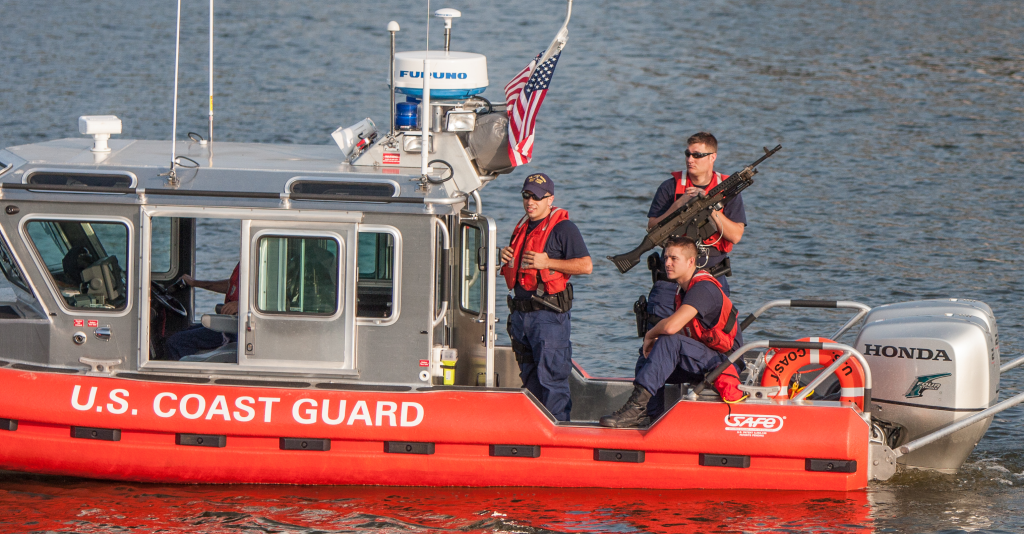
The U.S. Coast Guard has long led the way in anti-narcotics efforts on a maritime level using a law enforcement pattern by boarding foreign vessels based on internationally reached agreements, seizing the narcotics, and prosecuting the sailors on board. Information-sharing with foreign nations and appropriate evidence collection and preservation have been integral to the blowing apart of the drug pipelines for the distributed narcotics. In 2025, the Coast Guard seized over 500,000 pounds of cocaine, with the end result, as mentioned, sometimes being the repatriation of the money mules back home with files for prosecution on record, juxtaposed with the pattern by the Department of Defense.
7. Technological Evolution of Narco-Subs
Now, there has also been a generation of a new form of narco-submarines, which may include anything from crude fiberglass boats to low-profile submarines and even the most up-to-date autonomous systems. When referring to remote-controlled narco-submarines with a capability to haul 1.5 tons of payload and are equipped with Starlink reception systems, one such remote-controlled vessel was intercepted during July 2025 by the Colombian Navy. Modern systems are also set to include AI guidance, swarm, or even electric propulsion systems that do not need any human personnel.
8. Strategic and Geopolitical Dimensions
Operation Southern Spear is occurring at a time of increased tensions between the U.S. and Venezuela, with a strong naval posture that includes destroyers and carrier strike groups. While the original purpose of the military plan is firmly grounded in the mission of counterdrug operations, the objective of protecting the region from the Maduro regime, which has been implicated in complicity with the cartels, may evolve based on escalation of the situation.
9. Effectiveness and Deterrence
Issues Although dozens of boats have been destroyed, traffic volumes do not change. As seen, according to Ecuador’s intelligence agencies, ‘Traffic volumes maintain their steady flow and have recorded annual increases in the seizures of cocaine cargos in the sea.’ It may be presumed, according to a government-in-exile spokesman, ‘that unless better messengers are sent, nothing much changes when poor messengers are being killed.’ The October 16 ‘narco-sub strike’, Llanos summarized in a 2023 presentation given to Ship & Shore Technologies, highlighting her research, exemplifies this paradox so aptly and so precisely.’ It was a success from a tactical standpoint, she went on, from a strategic point of view, it has created ambiguity regarding what constitutes a legal operation.
For experts who concentrate on national defense and security studies, there are numerous uncertainties regarding maritime smuggling technological methods, the strategic change in U.S. military power, and legislative conventions. Whether Operation Southern Spear brings a game-changing mechanism in dealing with anti-drug efforts or a questionable deviation from an effective mechanism in counter-smuggling operations depends on the process to adapt, not only to the stealthiness of these ships but to what’s happening in the maritime environment.


