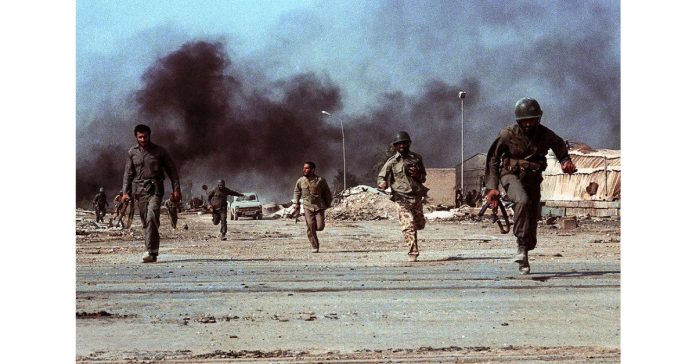
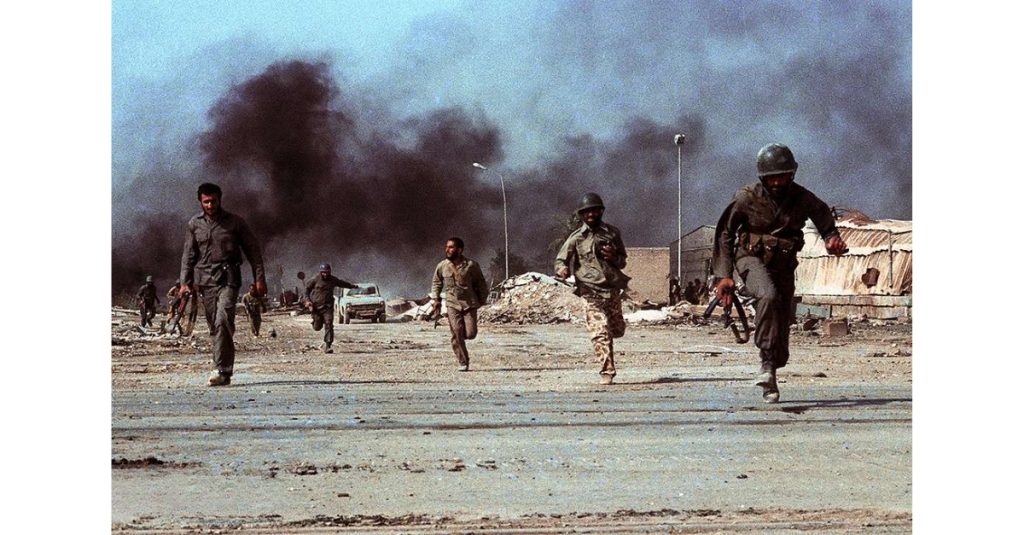
“This war is worse than the war that was imposed upon us by Iraq.” These are the words that Iranian President Masoud Pezeshkian has offered in a strategicescalation that is having repercussions from Tehran all the way to Washington. A declaration of “total war” against America, against Israel, and against Europe has beenpronounced by President Pezeshkian and has been made in a moment in which Iran has been reconstructing its nuclear program while rebuilding its missile systems.
Geopolitical consequences remain extreme. A 12-day conflict in Iran has left its nuclear infrastructure highly compromised, but estimates on how much the recent bombing campaign has recently pushed back Iranian nuclear ambitions have vastly split intelligence opinions. Israel’s prime minister, Benjamin Netanyahu, is meanwhile traveling to the state of Florida to pressure U.S. president Donald Trump to assist with further bombing, despite the presence of impasses on ceasefire plans for Gaza or even the nation of Lebanon. This listicle breaks down nine pivotal hotspots in which Iran’s current positioning yields immediate ramification for military dynamics, diplomacy, and overall Middle East security strategy.
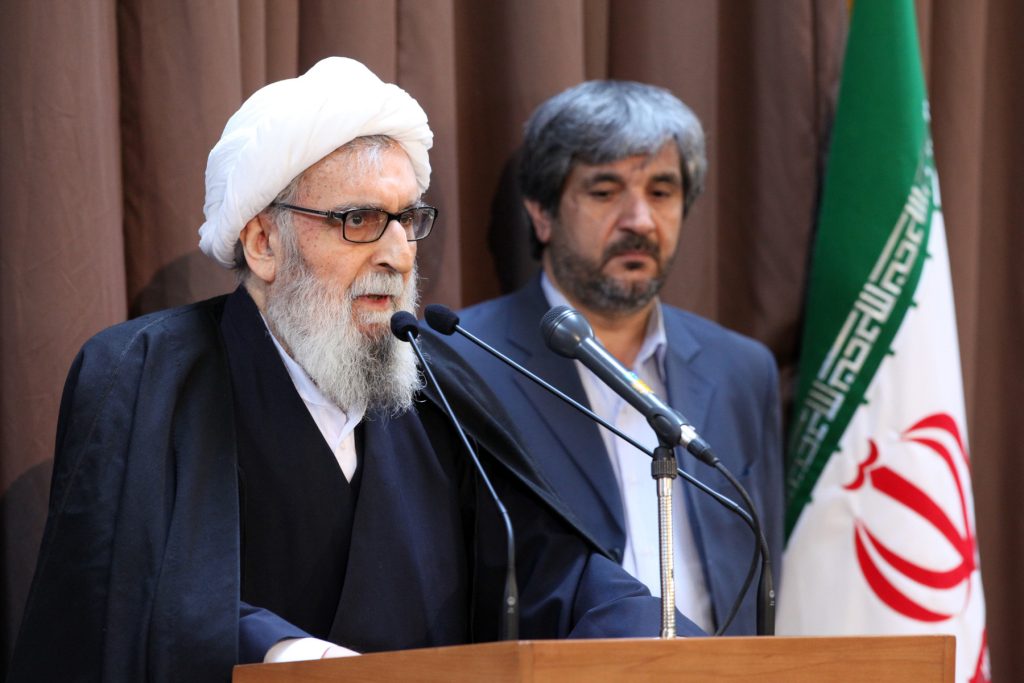
1. Pezeshkian’s ‘Total War’ Declaration
Speaking to state-controlled media outlets, Iranian President Masoud Pezeshkian blamed Iran’s adversaries: “The U.S., Israel, and Europe want to bring Iran to its knees.” Referring to the current situation as being akin to the Iran–Iraq War of the 1980s, he said: “It’s more complicated this time,” indicating Iran’s feelings that it is waging a multi-sided conflict against its Western and regional enemies. Such an approach is not merely a product of political spectacle, but it also influences the strategic focus and ambitions of the Iranian government in regards to nuclear and missiles, as it signals to Hamas and other allies the consistency of Iran’s stand in the conflict. With regards to “total war,” many believe that Pezeshkian is integrating the divisions within the Iranian government into the siege mentality.
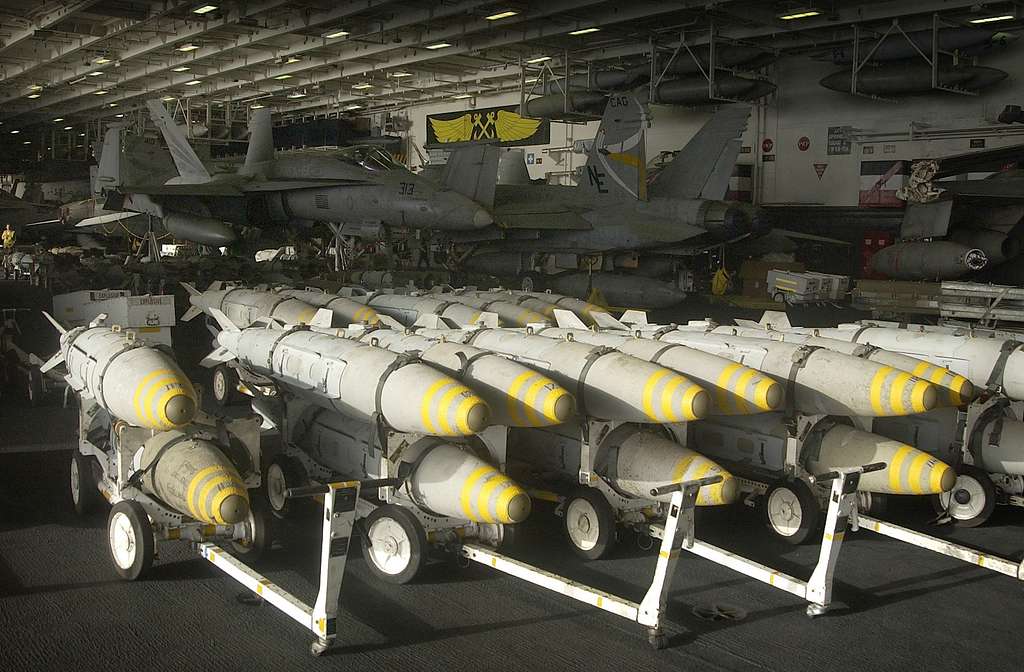
2. Aftermath of Operation Midnight Hammer
The joint U.S.–Israeli operation in the month of June, known as ‘Operation Midnight Hammer,’ targeted the Fordow, Natanz, and Esfahan nuclear facilities using the U.S.’s biggest conventional bunker-buster bombs and Tomahawk missiles, while Israeli operations involved the assassination of nuclear scientists and the strike of missile launch sites. Although Iranian targets were hit by a “combined” U.S. and Israeli attack, intended to set back Iranian nuclear plans “by many years,” Iranian resumption of enrichment was judged by the director general of the International Atomic Energy Agency, Rafael Grossi, to require “only a matter of months.” Analysis by the Defense Intelligence Agency was similarly conservative.
3. Nuclear Breakout Timelines
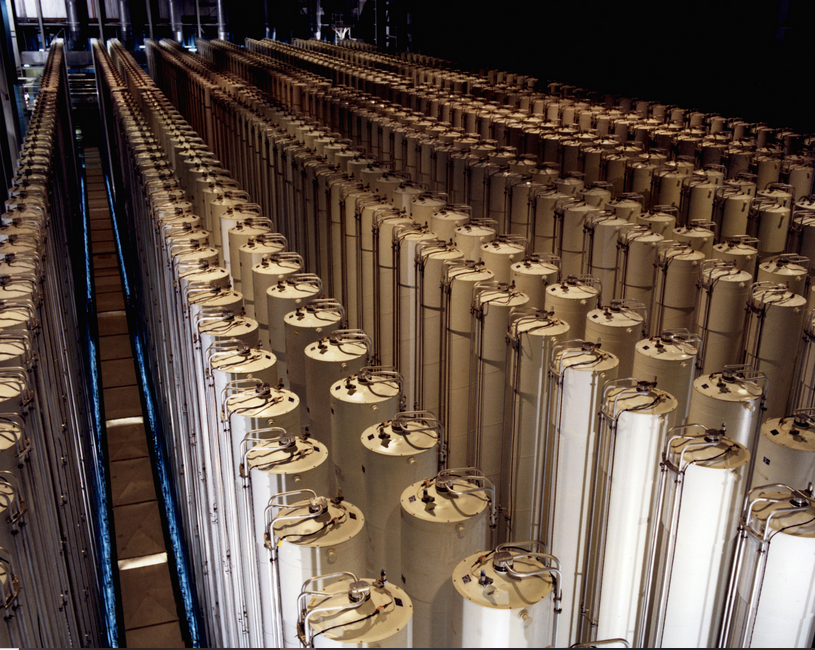
Iran currently has exceeding levels of enrichment capacity with the IR-2m, IR-4, and IR-6 machines capable of quickly producing enough weapons-grade uranium to make ten bombs, with more than 400 kg of material being held at 60% U-235 enrichment above May 2025 levels. U.S. intelligence analysis suggests Iran could produce enough fissile material for one weapon within less than one week. Weaponization activities, like uranium metal casting and the production of an implosion device, may require months, although existing skill levels reduce these times. The potential existence of hidden enrichment facilities adds further complications.
4. Ballistic Missile Reconstitution
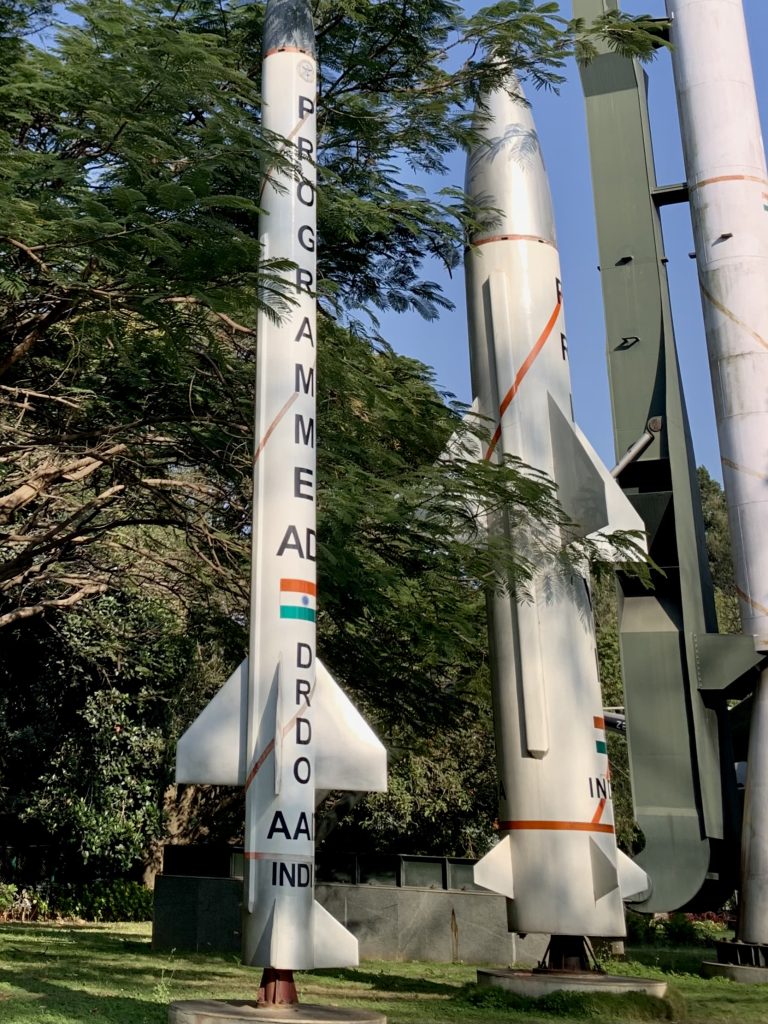
Iran has been reported to have reconstructed a stockpile of 2,000 medium-range ballistic missiles six months after the war. Parchin and Shahroud facilities have been renovated. Iran has no planetary mixers to produce solid fuel. Iran is using trough-type mixers while waiting for supplies from China. “Iran could overwhelm the air defenses at the current rate of 300 missiles per month,” warns Israeli intelligence, “within two years.” This missile arsenal takes on greater urgency in Jerusalem as an immediate threat when contrasted with the rebuilding of nuclear facilities.
5. Hamas Leadership Contest
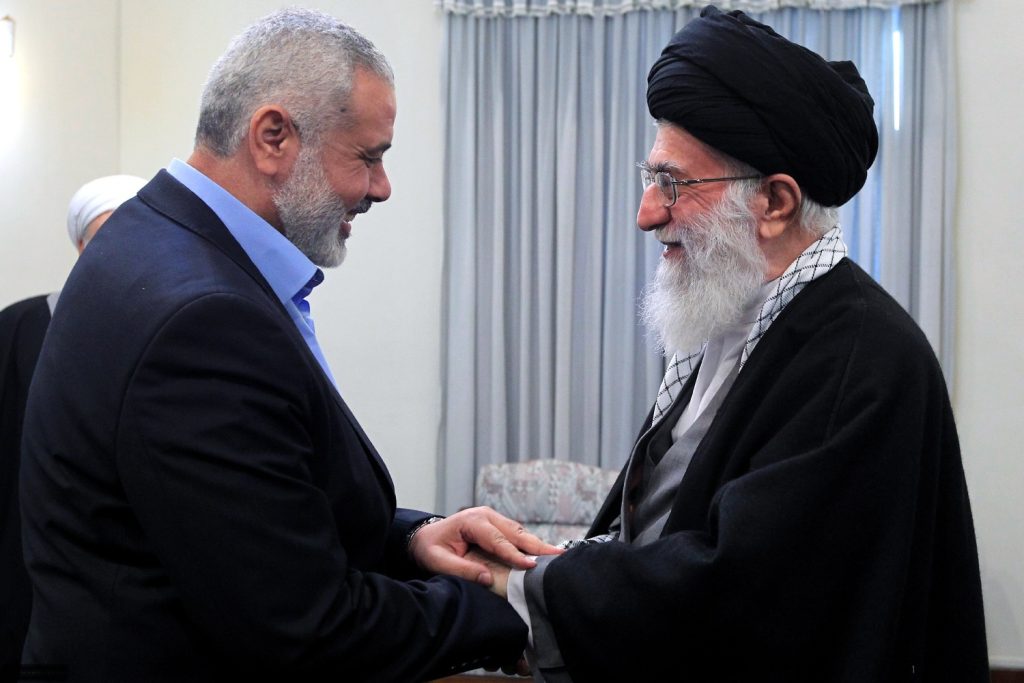
In Hamas, there are upcoming polls for membership in the political bureau. The Iranian-backed Khalil al-Hayya is tipped to succeed ex-chief Khaled Meshal. Al-Hayya’s rise would mean further sharpened Iranian-Israel hostility and operational partnership between Hamas and Iran. The election, with a 50-member Shura council, has been rescheduled because of the Gaza war. The result will determine Hamas’s strategic course, whether continued fighting or forging a political accord with less reliance on Iran.
6. Gaza Ceasefire Stalemate
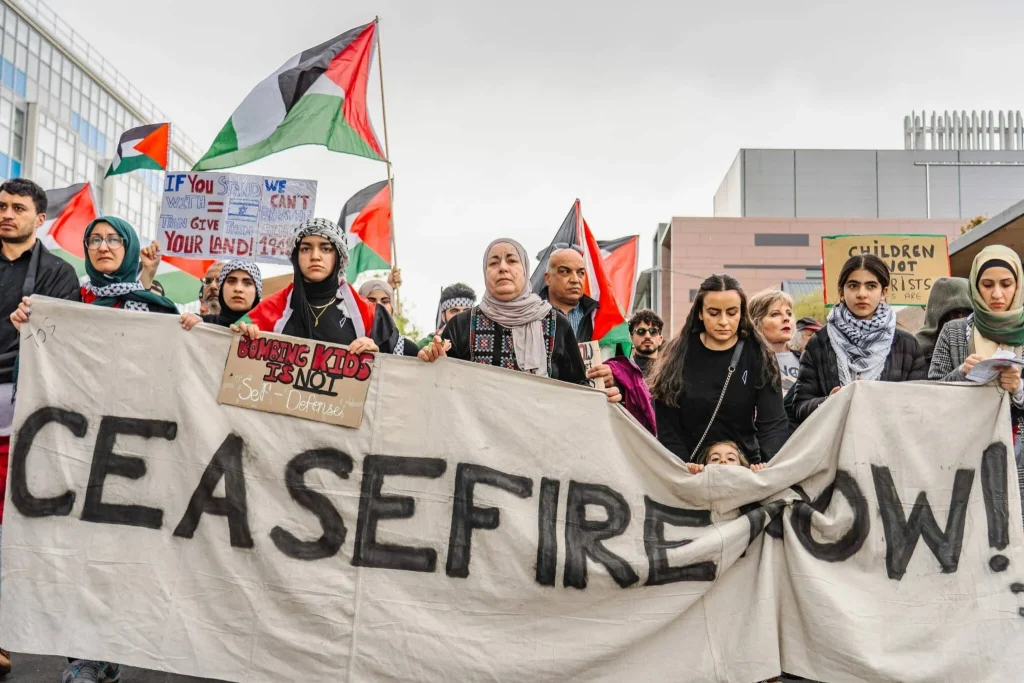
Trump’s deal, brokered in October, includes Israeli withdrawal, disarming of Hamas, and Palestinian administration run by a technocratic board overseen by the international security presence. Each side condemns the other for violations: for Hamas, possession of weaponry, failing to deliver a corpse’s remains, and for Israeli forces, their presence and restricted crossing points. The second phase, the deployment of the International Stabilization Force, is stalled. Israeli officials speak about the possibility of another military intervention if this disarmament is not reached through peaceful means and jeopardize the fragile truce.
7. Lebanon’s Hezbollah Disarmament Challenge
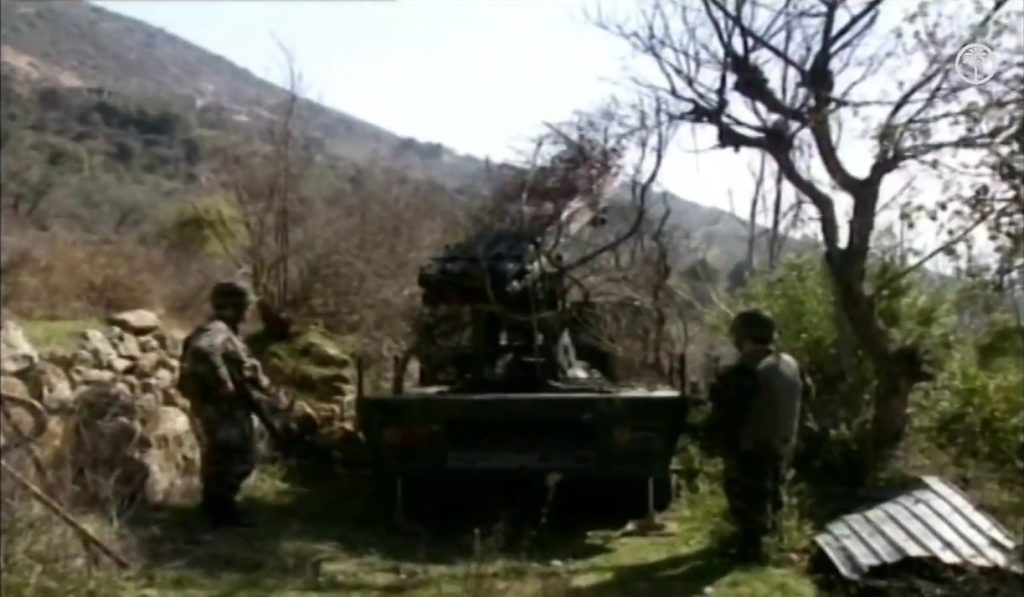
A ceasefire in November 2024, which the U.S. was backing, had the objective of demilitarizing the Hezbollah movement in southern Lebanon. Slow progress has occurred, as Hezbollah is unwilling to fully comply. Daily airstrikes by Israel ensure that no rearming takes place. Few intelligence shares have passed between the Israelis and Lebanese Armed Forces, including video documentation of Hezbollah arms seizures. This exchange represents a small degree of collaboration but little toward overcoming a fundamental lack of trust.
8. Netanyahu’s Florida Agenda
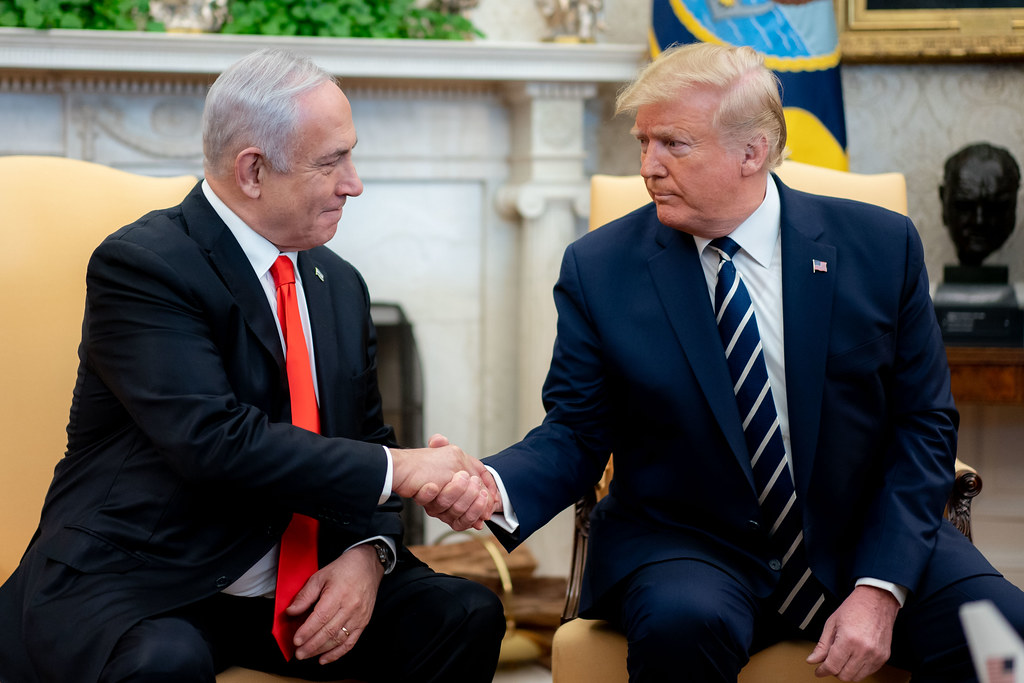
Netanyahu’s meeting with Trump at Mar-a-Lago is likely to include Gaza, the situation in Lebanon, and Iran’s missile development. According to sources, Netanyahu may offer Trump various choices for joint U.S. military action, including military action carried out solely by the Israelis. The negotiations are taking place amidst U.S. movements towards military intervention in Venezuela, which could make it difficult to find bandwidth for new activities in the Middle East. It will be difficult for Netanyahu to bring together the peace maker message of Trump and the need for preemptive military action by Israelis.
9. Chinese Support to Iran’s Missile Program
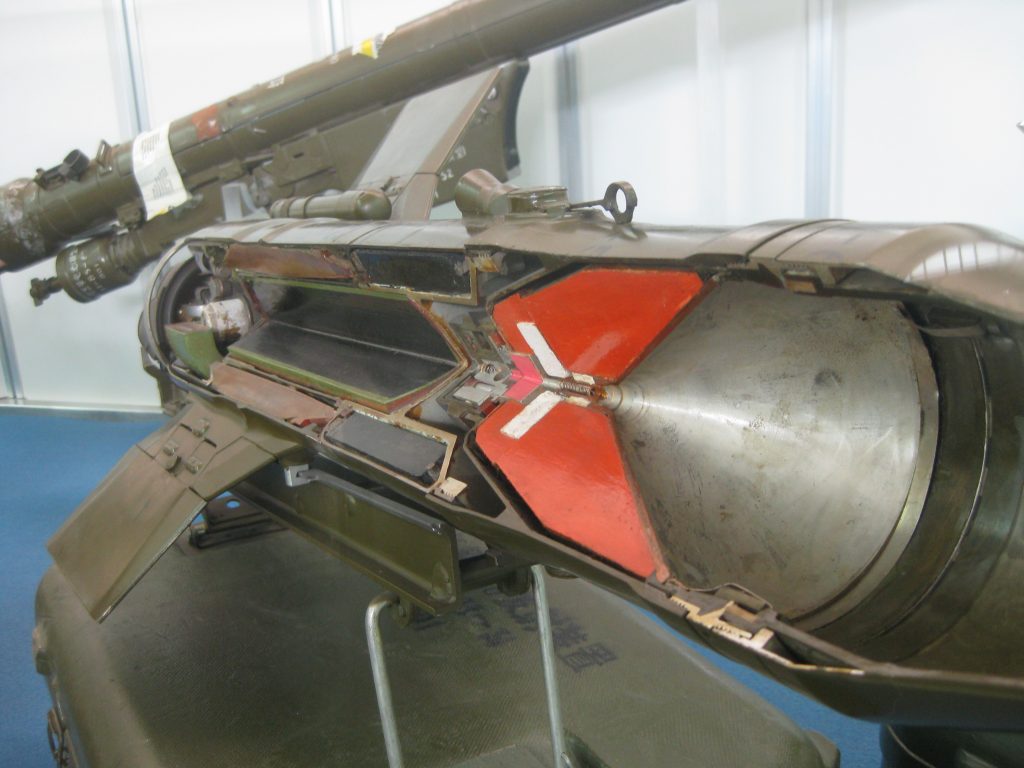
Western intelligence has identified Chinese deliveries of sodium perchlorate, a solid propellant precursor, to Iran, which have been at least two in 2025. There was a recent seizure by the United States in the Indian Ocean of Chinese missile components destined for Iran. These moves not only illustrate China’s involvement with Iran’s missile program and its defiance of international pressure, but are also important to Israel and the U.S. in containing Iran’s rearming.
Iran’s “total war” strategy is not merely a rhetorical gesture it is connected with, and carries out, a rebuild and empower effort and each crisis point, whether it is nuclear breakout, the surge in ballistic missiles, or the change in leaders among the proxies, has the potential to disrupt the regional balance. As a matter of defense strategy and geopolitics, the combined effect of these factors represents a challenge, in that the opportunity for preventive action is slipping away and the tolerance level for error is extremely small.


