“A banking crisis is possible.” The blunt warning from a senior Russian official, as reported in the Washington Post, cuts through the Kremlin’s usual façade of mastery. Almost four years into the war in Ukraine, the economic engine which has financed Russia’s military ambitions is bearing worrying signs of wear. Where there once appeared a sense of enduring vitality, driven byffi//commodity prices and willing buyers inAsia, there is increasingly a sense of financial hardship, non-payment, and erosion of vital buffers against financial shock.
For financial analysts, economists, and geo-political observers, the evidence is becoming increasingly difficult to ignore. Sanctions are starting to bite, the government’s oil revenue is tanking, and the country’s banking system is quietly racking up non-performing loans. “The Kremlin’s war-led economic model, which had been fueled by central bank reserves and the country’s wartime spending binge, is now running up against the limits” of high interest rates, reduced consumer spending, and the continued lack of purchasers for Russian goods. Here are nine key takeaways for the country’s financial system in the upcoming year.
1. Oil and Gas Receipts in Free Fall
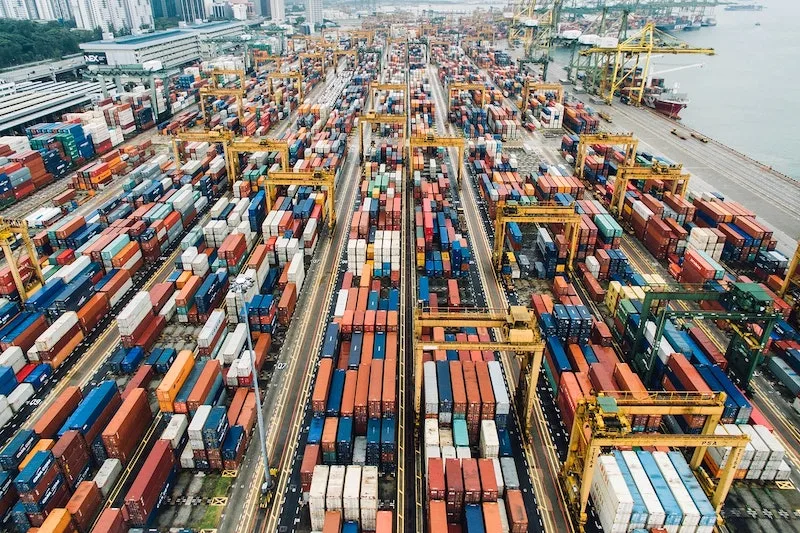
Energy has historically been Russia’s fiscal lifeblood, although this fiscal vein is rapidly closing. Oil and gas exports dropped 22% during the year’s first 11 months, and December is likely to see a decline of nearly 50% year-on-year. Threats of new US Treasury sanctions targetingRosneft and Lukoil have led Russia to agree to cuts of over $20 per barrel, pushing Urals oil prices to only $35 per barrel, well below the federal budget’s forecast of$69.70 per barrel, with experts such as Harvard Davis Center analyst Craig Kennedy stating the Russian oil industry is ‘sliding into a crisis.’
2. Depletion of Sovereign Wealth Funds
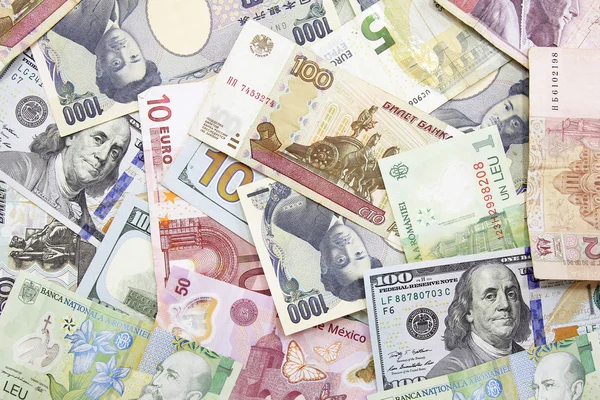
Russia’s National Wealth Fund (NWF), once a strong buffer built on oil and gas earnings, is swiftly deteriorating. As of mid-2025, the fund holds 2.8 trillion rubles in liquid funds, the smallest since 2019, down from a war-era high of 113.5 billion dollars. “Now, with oil prices low, the fund may be depleted even sooner, giving the government less leeway on how to fill the holes in the budget,” says a researcher. Russia’s liquid foreign currency reserves have shrunk to only 21 billion dollars, while gold reserves are two-thirds lower since 2022.
3. Bad Debt Accumulation in the Banking System
Interest rates are high, while the economy is slowing down. This is fueling the rise in delinquent loans. The troubled mortgage loans of Sberbank escalated by 90% in the initial part of 2025. Delinquent consumer loans rose to 16.1% of the retail loan portfolio. VTB and other banks observe a similar trend. Loans provided to the military industry not yet a quarter of all corporate ruble loans are also opaque with little oversight. The ‘big black hole of inadequately supervised, opaque debt’ resides in the heart of the banking system. Bad loans in the corporates are not much above 5%, according to government statistics.

4. Stagflation Pressures & Weak Consumption
The economy is tapping on the doors of stagflation, which has not happened since February 2023. Inflation rates are still high, and the central bank has had to maintain high interest rates at 21%, although that has dropped slightly to 16%. This has slowed down investment and consumer spending, with clothes sales falling 8.7%, home and kitchen sales falling 8.8%, and health and beauty purchases falling 5.9% in December. Unpaid wages are up year-over-year to over $27 million in October. Furlough notices and reduced workweeks are being implemented.
5. Sanctions’ Cumulative Bite
The sanctions imposed by the West are becoming less shocking and more grinding in their effect. The EU’s no/sail rule for Russian seaborne oil imports, G7 price caps, and measures against thousands of tankers have sustained a sharp discount on export Urals prices. Secondary sanctions imposed by the US affect non-US persons conducting business with Rosneft and Lukoil. Although a 500-ship “shadow fleet” operates in a way that evades sanctions and their enforcement has become strict and expensive.
6. China as Lifeline and Leverage
Though the increased trade with China has weakened the pressure from the West, this is clearly on uneven terms. China is now Russia’s leading trading partner, acquiring discounted oil imports, along with machinery, electronics, and sanctioned materials. For the year 2023, 90% of the total Russian imports of essential military-related materials dealt with Chinese companies. However, Russia only contributed 3% to the overall export of China, clearly showing the side with leverage.
7. Military-Keynesianism Crowding Out Civilian Growth
The level of military spending that is to say, estimated to be at least 8% of GDP has spurred the sector while neglecting the rest. Military aircraft production is on the rise, while commercial aircraft are disassembling old planes to reuse the parts. The regional economies that feature so many military activities, including Sverdlovsk oblast, have registered steep increases in the price of labor in the manufacturing sector. It will become more difficult to continue this level of spending while maintaining social programs.
8. Corporate and Regional Strains
Aside from the oil and banking sectors, other sectors are struggling as well. Gazprom has posted a loss of $12.9 billion because of the loss of its market in Europe, as well as the exhaustion of cash reserves. Moreover, the Kuzbass coal region has closed down 18 of 151 companies, with 30 in life-critical condition. The poorer regions have taken advantage of the hiring bonus and the death benefits, but these are not feasible ways of earning income. The national debt relief for the poorer regions has concealed some expenses of the war.

9. Looming 2026 Crisis Timeline
Government-funded think tanks are now predicting the possibility of a systemic banking crisis if the trend on loan quality is not reversed and depositor confidence not regained by October 2026. “I don’t want to think about the continuation of the war or escalation,” said one Russian official, an implicit admission that the economic lines may soon be as dangerous as the front lines themselves because of the tightrope on which the Russian economy currently toes on falling energy receipts, exhausted reserves, and debt burdens, alongside tight monetary policies.
Russia’s war economy has managed so far to sidestep the risk of total meltdown, falling back on reserve drawdowns, tax increases, and theChina option. The trouble lights are flashing, however, with declining oil sector returns, growing bad loans, and thelasses statistical buffer suggesting the war economy in 2026 is in trouble. The question, therefore, is no longer whether sanctions and war costs are having an impact or are biting which, of course, is the case is it able to withstand the squeezing pinch without precipitating the banking meltdown that Russian officials are now fretting about?


