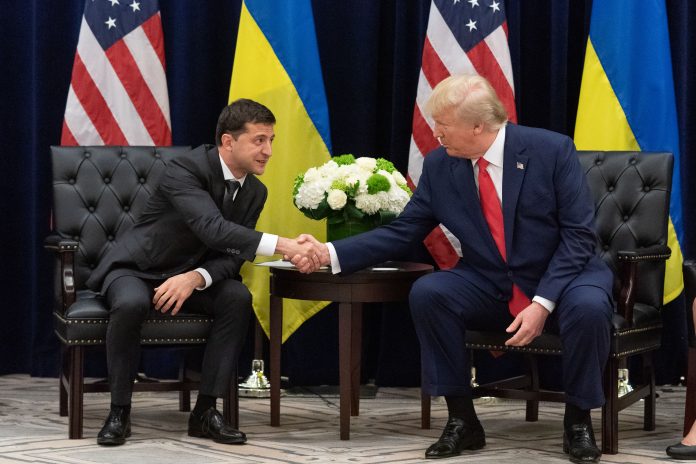
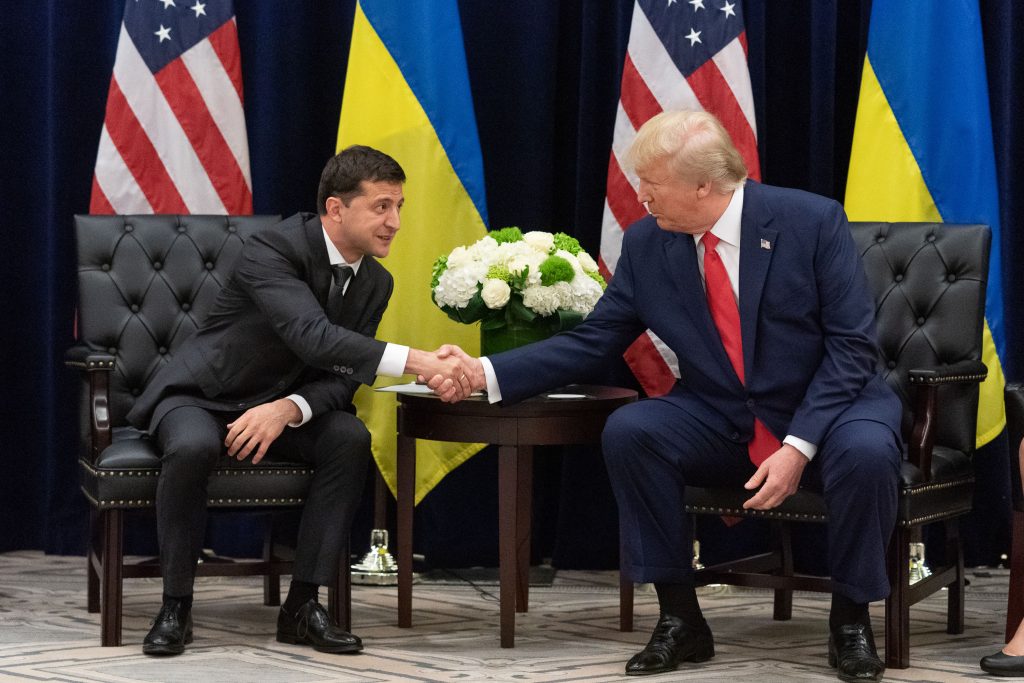
what does the encounter between missiles and diplomacy portend? The answer is playing out before our eyes this winter in the Ukraine conflict. The timing is anything but coincidental. This push by Moscow is on the eve of high-stakes talks, where military intimidation and diplomacy are entwined. It may involve improved Russian missile capabilities or the demand by Ukraine for additional Patriot missile systems. Every discussion on a peace deal is now validated against the reality of war, including its technology and strategic prowess. This is a compilation of the most pivotal events pushing both the conflict and these peace talks.
1. Russian Missile and Drone Attacks
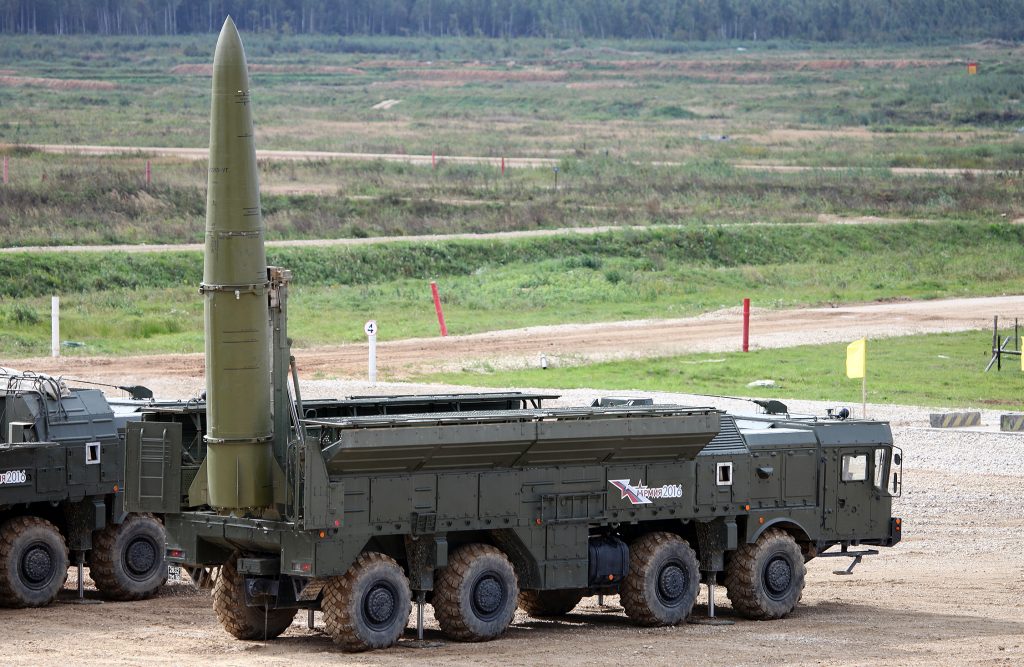
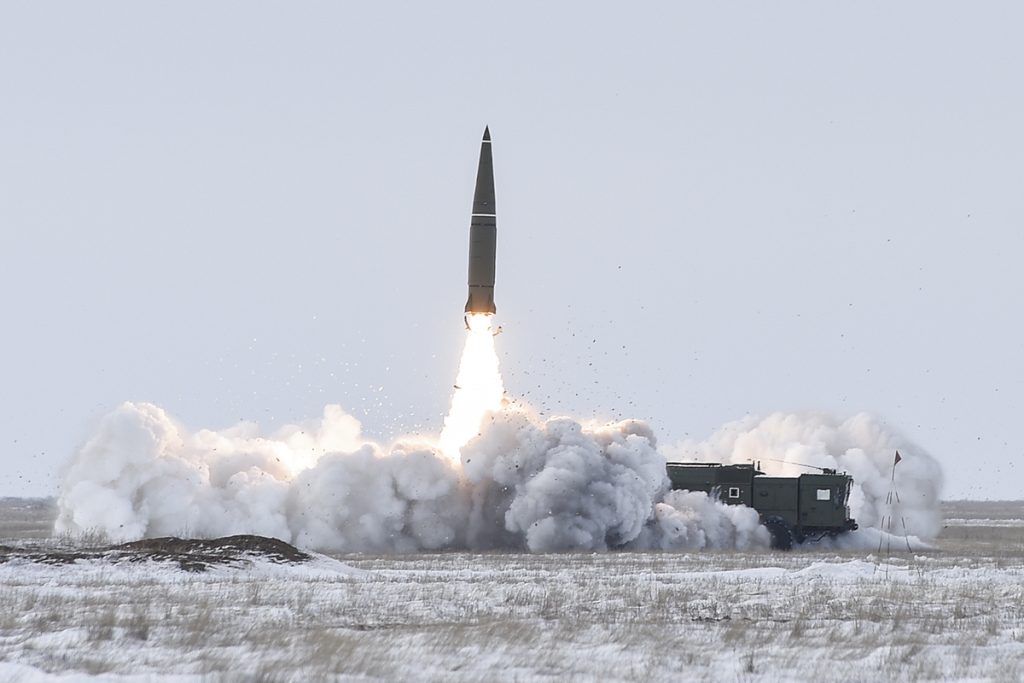
The latest barrage of attacks by the Russians now mixes hundreds of Shahed drones, along with ballistic and cruise missiles, in waves. The attack of October 2 involved the launch of 7 Iskander M rockets, 21 cruise missiles of the Iskander-K variant, and in excess of 380 drone attacks from across the country. The Russians are now conducting fewer and larger-scale combined attacks every two weeks.
2. Strengthened Russian Strike Capability
The Iskander-M has radar decoys and has improved course deviation in mid-air, and Iskander K has anti-jamming and improved warhead designs. Their hypersonic Kinzhals were made more accurate and maneuverable, and therefore hard to intercept. Shahed drones have also been undergoing their evolution, which brought about improvements in electronics, durability, and even decoy designs such as Gerbera, which has defensive mechanism act to confuse and mislead systems.
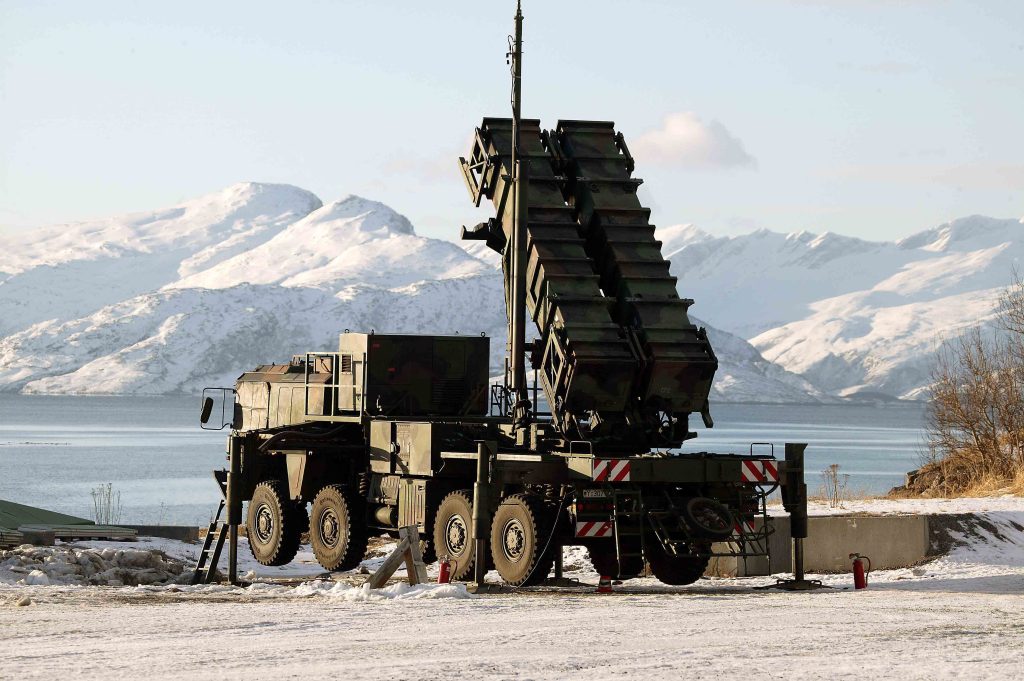
3. Kyiv asks for 25 Patriot systems
Zelensky has already indicated his intent to place an order for 25 Patriot batteries from the U.S. “once there is a clear budget.” He encouraged their loan from Europe until the order is met. The cost for each Patriots battery is a hefty 1.1 billion dollars. However, these batteries are currently the best defense the country has for ballistic missiles. The production process for the batteries has, however, been slowed by other orders. The cost for the batteries is expected to be met through a €140 billion loan for reparations, sourced from frozen Russian accounts.
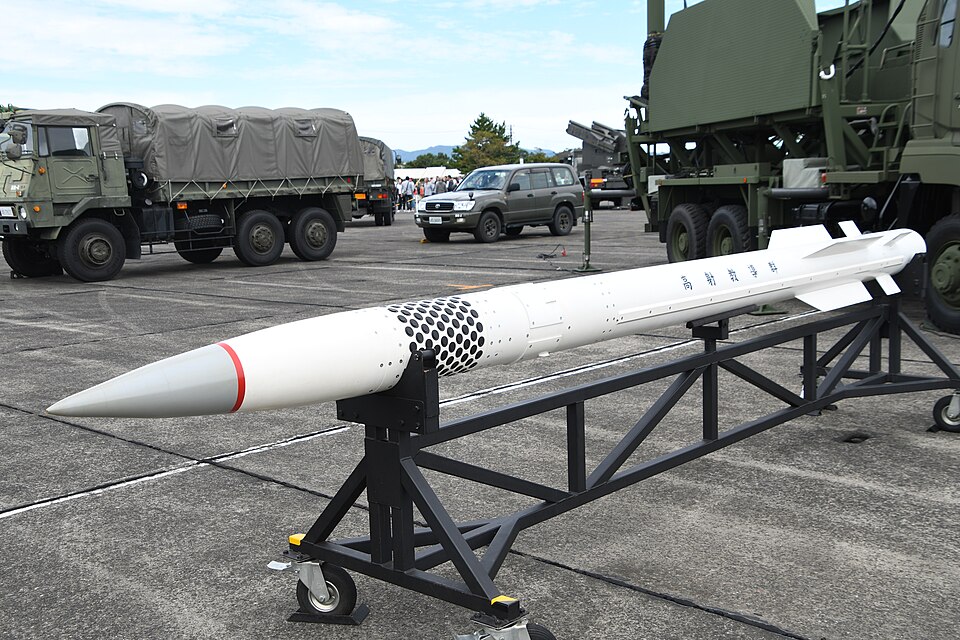
4. Economics of Air Defense vs. Offense
Intercepting these Russian missiles costs far more than their launching price. This is because a Patriot PAC-3 missile costs a whopping $3.8 million per missile, whereas most ballistic missiles that are used by Russia in attacking Ukraine are produced at a considerably smaller price tag. The massive attacks that involve decoy drones mean that Ukraine has no choice but to spend a lot on these missiles; in some cases, their cost can be higher than that of launching an attack.
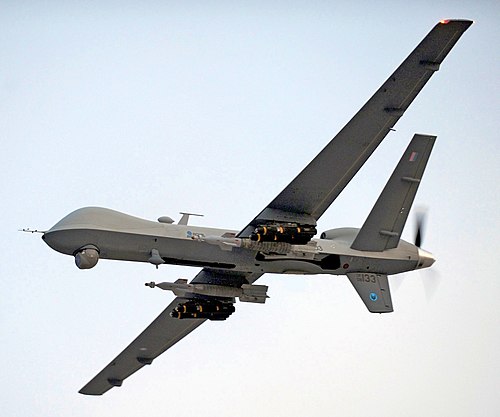
5. Shahed Drones – Manufacturing and Tactics
Russia is estimated to be churning out 170 Shahed drones and decoys daily, with plans to further scale up production to between 400-500 units per day. The latest models, which are jet-powered, have the capability to fly aloft up to 5 km with steep-angled dives, thus reducing the chances of interception. “Wolfpack attacks,” combining strike drones with decoys and reconnaissance drones, have been more successful in smaller attacks, sometimes registering hit rates above 40%. Mass attacks are designed to exhaust Ukraine’s defense systems for future missile attacks.

6. Energy Infrastructure Under Siege
The Russian military campaign in Ukraine has attacked the country’s energy infrastructure, with the intention of knocking out heating and powering in the middle of winter. The OSCE stated that the attack on the country’s electrical infrastructure, which is related to nuclear safety, poses the risk of accidents with cross-border effects. Ukraine has suffered the loss of 50% of its total energy capacity since 2022.

7. Ukriane’s Gas Resilience Amid
Despite the infrastructure damage, Ukraine has nearly achieved self-dependency in the area of natural gas. “Naftogaz does not forecast gas imports during the coming winter of 2025. This should cover the domestic gas demand sufficiently,” according to a statement by the company. The gas storage facilities in the occupied/disputed territories are likely to be attacked, while the reduced reliance on the gas storage capacity of the countries limits the gains accrued by the gas storage operators.
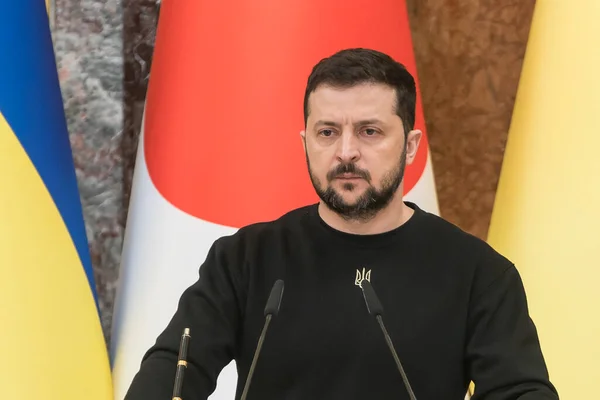
8. Plans for Demilitarized Zones During Peace Negotiations
A demilitarized area in the Ukraine-held part of the Donbas region, if Russia withdraws its forces, with international forces patrolling it, has been proposed by Zelensky. This has also been proposed for the region around the nuclear power plant in the town of Zaporizhzhia. These are the proposals that must indicate some level of flexibility and pass the buck on the diplomatic process to Russia, when Russia has shown no level of preparedness to cede control whatsoever.
9. Security Guarantees Modeled on NATO’s Article 5
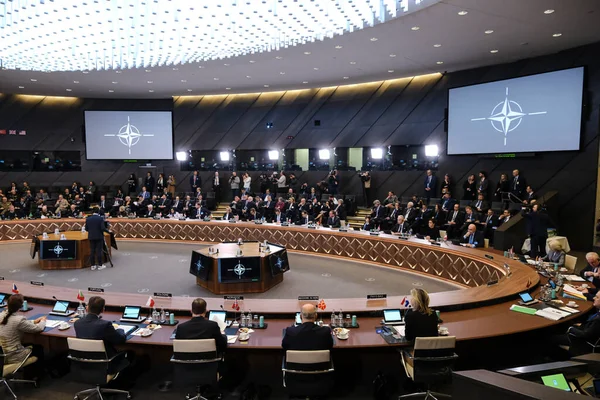
“The latest draft peace plan presented by the U.S. and Ukraine includes ‘strong’ guarantees regarding the urgent response of partners in the face of repeated aggression from Russia. The conditions and monitoring arrangements are to be outlined in the side agreement. As Zelensky believes, this is the first time the United States takes such initiative. Again, all this is subject to what the eventual political consensus might be in Washington and among allies.”

10. Retaliatory Attacks on the Russian Economic Foundation
Ukraine has targeted Russia’s oil refineries, with four in the last seven weeks against the Saratov facility, and has stated that total refining capacity has been reduced by 20%. The idea that attacks on manufacturing facilities, storage tanks, and launchers could be more budget-friendly to Ukraine than intercepting incoming missiles makes a great deal of sense. Meanwhile, the line between innovation on the battlefield and diplomatic solution-writing could not be more evident. Another winter of bombing could soon be at hand, with Ukraine’s military and civilian forces being stretched to the limit against a resilient and increasingly well-armed aggressor.
The writing on the wall could not be more evident that Ukraine will need military or economic leverage to back up its newly robust arsenal and attack pattern against Russia, where any hope of a Zelensky-compromised peace proposal falls flat without said leverage. Whether long-awaited or yet another step along the war map, whether the Florida talks will finally end the war or simply begin it will soon be apparent.


