
What can be expected when the pace of military technology, geopolitics, and cyber warfare all speed up at the same time? The effects of decisions regarding national security are without precedent. As this is written in the year 2025, wars ranging from Eastern Europe to the Middle East-to space-are all being redefined by new technologies, shifting blocs, and economic power.
To the policy-maker, the defense researcher, or the security-minded observer, such is the series of related developments a kind of tapestry with its threads constantly shifting. These range from the latest innovations on the Ukraine battlefront, the lunar plans of China, to the AI-powered targeting in Gaza, ransomware threats to satellites, and everything in between. Below are ten of the flashpoints that have defined the security landscape for the current year.
1. U.S.-NATO Military Aid Restructuring for Ukraine
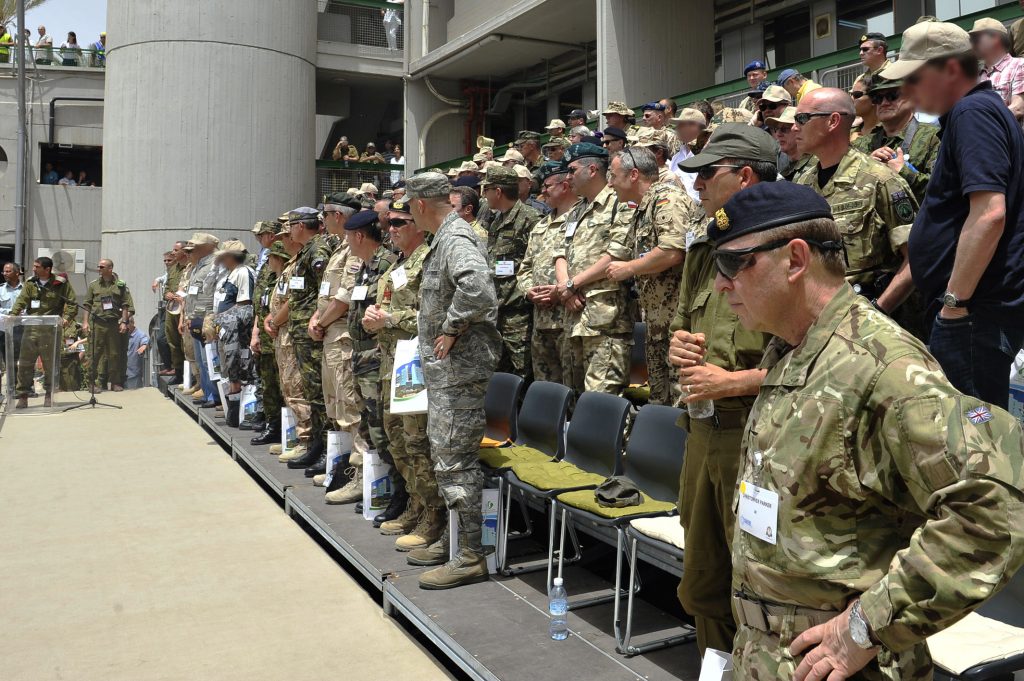
During the Trump administration, Washington has reorganized military assistance to Ukraine by incorporating a mechanism for a drawdown facilitated by NATO. The weapons are airlifted by NATO member nations originating from their active inventory to Ukraine, while the United States tries to replenish the inventory of the departing nations gradually. The arrangement is meant to ensure swift delivery while effectively burden-sharing with European nations. This is coupled with a 50-day ultimatum for Russia, during which the latter will be hit with penalties in form of tariffs should it fail to settle for a ceasefire agreement.
2. The Ongoing Development of Ukraine’s Drone-Based Battlefield
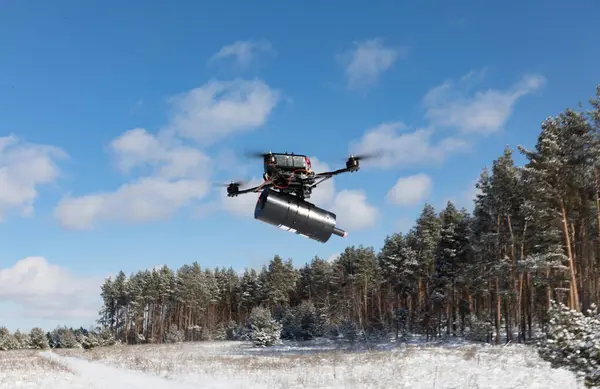
The Ukraine is a test bed for low-cost, agile ISR drones, FPV strike drones, and unmanned surface ships that can attack and sink warships. Also, in May 2025, Ukrainian Magura-7 sea drones carried out the historical shooting down of fighter jets by a sea drone. They both operate on a frantic six-week innovation rhythm, quickly neutralizing each other’s EW efforts. Also, the formation of the Unmanned Systems Forces, the world’s first drone military branch, created by Ukraine, indicates a new generation of combat mentality, which is a decentralized and technology-enabled warfare approach.

3. AI-Based Targeting in Gaza
The implementation of decision-support systems incorporating AI, such as Gospel, brought a radical transformation to targeting in Israel, from 50 potential targets a year through the processes carried out by humans to over 100 targets per day. Although decision-support systems, together with face recognition at the check-points, have optimized targeting cycles, it gives serious ethical concerns. It has also emerged that sometimes the process carried out by humans involved merely a 20-second evaluation of an AI-sourced target, creating a high degree of misidentification. The utilization of commercial start-ups for half of the anti-drone systems highlights the importance of private sector pace-setting in warfare.

4. Middle East AI Arms Race
Regional great powers are positioning AI within military systems at a rapid rate. The State of Israel maintains a qualitative advantage, although the Gulf states Saudi Arabia and the UAE, in particular are taking AI air defense systems, loitering munitions, and cyber resilience capabilities seriously. Iran, affected by international sanctions, is also developing AI-ased missile and UAV systems, with the aim of supporting its proxies and deterrence strategy. This may cause states to act more aggressively, given that military interventions are believed not to be so expensive and risky, according to observers. Moreover, the proliferation of these capacities within non-state actors has the potential to disrupt deterrence equilibrium.
5. China’s Chang’E-6 Lunar Mission and the Strategic Space Objectives
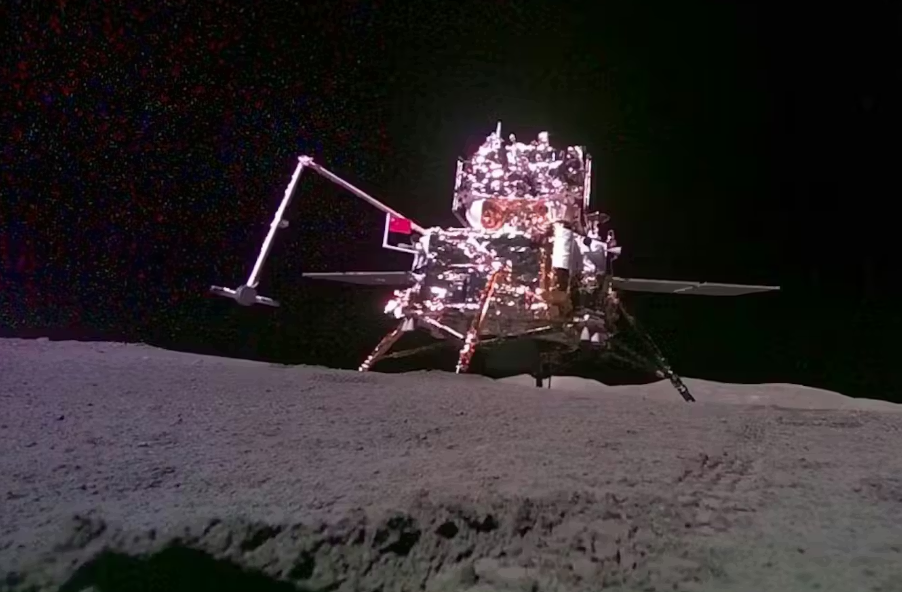
China’s mission Chang’e-6 returned the first lunar samples from the far side of the Moon in the South Pole-Aitken basin. This mission not only returned valuable scientific resources but also performed an orbital rendezvous, which would be required for manned lunar landers. China’s plans include the exploration of the south pole in 2026 and 2028, the construction of infrastructure on the lunar surface using 3D printing, and an International Lunar Research Station together with Russia. This compares with NASA’s Artemis program but clearly represents China’s intentions regarding the utilization of space services for geopolitical purposes, resource utilization, and maintaining militarily advantageous positioning.

6. Cyber Security on the Edge of Space
“Deloitte-1 with the Silent Shield intrusion detection payload is a move into orbital cyber defense. Cyber incidents involving the space industry skyrocketed 118% in 2025.” The out-of-band design for Silent Shield prevents malicious payloads from attacking the host satellites. Silent Shield was validated for detecting rudimentary attacks, including the likes of ARP spoofing, against the SPARTA model threat. While the future is with AI-driven autonomous mitigation for the next version of Silent Shield, resource issues are currently restraining it in legacy satellites.

7. Trends in Nation-State Cyber Attacks
Recent intelligence further emphasizes the growing blurring of lines between hackers and state-sponsored actors: “Russians have begun outsourcing their espionage activities to crime syndicates.” China has used ransomware to mask espionage activity. The North Koreans use crypto hacks as a mechanism for regime support. The geographical points of concern are־most evident: 75% of Russian hacker activity targets Ukraine and/or NATO countries; Iran’s hacker activity increased dramatically against Israel since October 2023; China hackers are predominantly focused on Taiwan and the region of Southeast Asia. Compromise events in the supply chain, such as the breach of Microsoft 365 by Storm-0558, demonstrate the vulnerability of even trusted software ecosystems.

8. Nigeria LNG Security and Insurgency Dynamics
In spite of escalating violence in Cabo Delgado, $50 billion of LNG development efforts by TotalEnergies and ExxonMobil continue unabated, shielded by Rwandan troops. Even as Rwandan troops have managed to protect zones of strategic significance for these developments, militia leaders claim a failure to act promptly to attacks by Islamic State Mozambique along the N380 highway. The Kigali Principles of protection of civilians have effectively maintained attacks against civilians to a minimum by Rwandan troops, but failure to halt insurgent operations may yet result in reputationally damaging impacts and counterproductive efforts at stabilization, which yet remain so important to economic recovery.
9. Qatar’s Enduring Terror Finance Problem
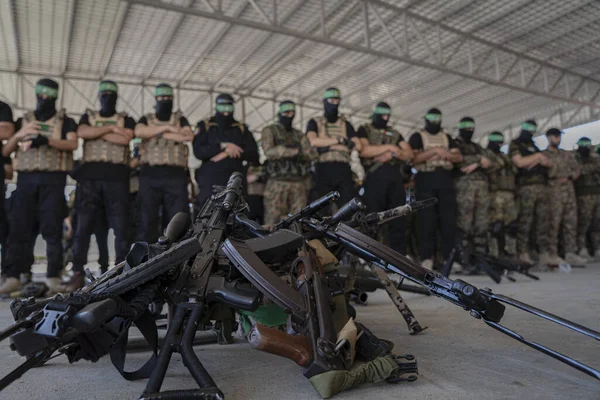
The lenient jurisdiction of Qatar is still allowing financiers to contribute to organizations such as al-Qaeda and Hamas despite the reforms of legislation in 2014 and 2017. Of concern to US officials is the lack of serious enforcement and the meager number of prosecutions-five financiers brought to trial, most of whom resumed their activities. The Gulf crisis of 2017 brought this shortcoming to light, as Saudi Arabia and its allies demanded that Doha cut off all funding to terrorists. The predicament of the US is how to harmonize its military relations in Qatar and its commitment to counter-terrorism efforts.

10. Fancy Footwork in the Russia-Ukraine Peace Initiative
The Ukraine-Russia peace initiative launched by President Trump is now at what the latter describes as the “final stages,” in which Ukrainian abandonment of membership in NATO is demanded in exchange for Trump’s NATO-levels of safety in Ukraine. While Zelenskyy is reportedly open to the idea of negotiating demilitarized zones, any loss of territory to the invading forces is out of the question. Of course, Putin’s list of terms includes acceptance of the annexed regions, which is impossible for Ukraine to accept. While simultaneously attempting to engage in negotiations for peace on both sides of the conflict, Trump has caused no little consternation among Ukrainian negotiators for this rather delicate tightrope he balances to maintain leverage and allied confidence simultaneously.
From the lunar surface to Low Earth Orbit, and from secure communication networks to contested roads in Mozambique, the future of strategy in 2025 will be characterized by speed, increased complexity, and convergence. An end to military assistance programs, AI-assisted means and methods, and cyberphysical vulnerabilities is no longer the concern of experts in these specific fields, as all are now fundamental to global strategic stability.


