“How could a force that enjoyed strategic initiative end up in a stalemate at a rural checkpoint?” It was close to this question that Russian soldiers in the province of Sumy Oblast had to answer towards the end of December 2025. A party of some 100 Russian troops marched on Hrabovske, a tiny village nestled on Russia’s border. They were unable to penetrate beyond the village boundary lines that remained under the protection of the Ukrainians through artillery fire and drone reconnaissance efforts.
However, this particular incident is just a manifestation of a localized conflict. It has links with the attrition strategy of Russia, the psychological warfare tactics, and the humanitarian rights being violated on all fronts. Secondly, the technological inputs being created in the war in the Northern front related to the conflict are given in the following list of the ten reasons why the above-mentioned incident has significance in relation to the position of the conflict.

1. Stalemate At Hrabovske
According to the spokesperson of the Ukrainian State Border Guard Service, Andriy Demchenko, in the village of Hrabovske, the Russians “have not been able to expand the combat zone and push deeper into Ukraine,” nor have they been able to do so “except after repeated attacks on Ukrainian defenses.” All this happened after the Ukrainian Armed Forces and Border Guards were able to resist these attacks through artillery and drone attacks. There has been this kind of deadlock for several days, and approximately 100 Russian soldiers are actually locked into position. This is indicative of the strength of the Ukraine defense in depth, as well as the inability of the Russians to exploit through operational breakthroughs.
2. Forced Deportations of Civilians
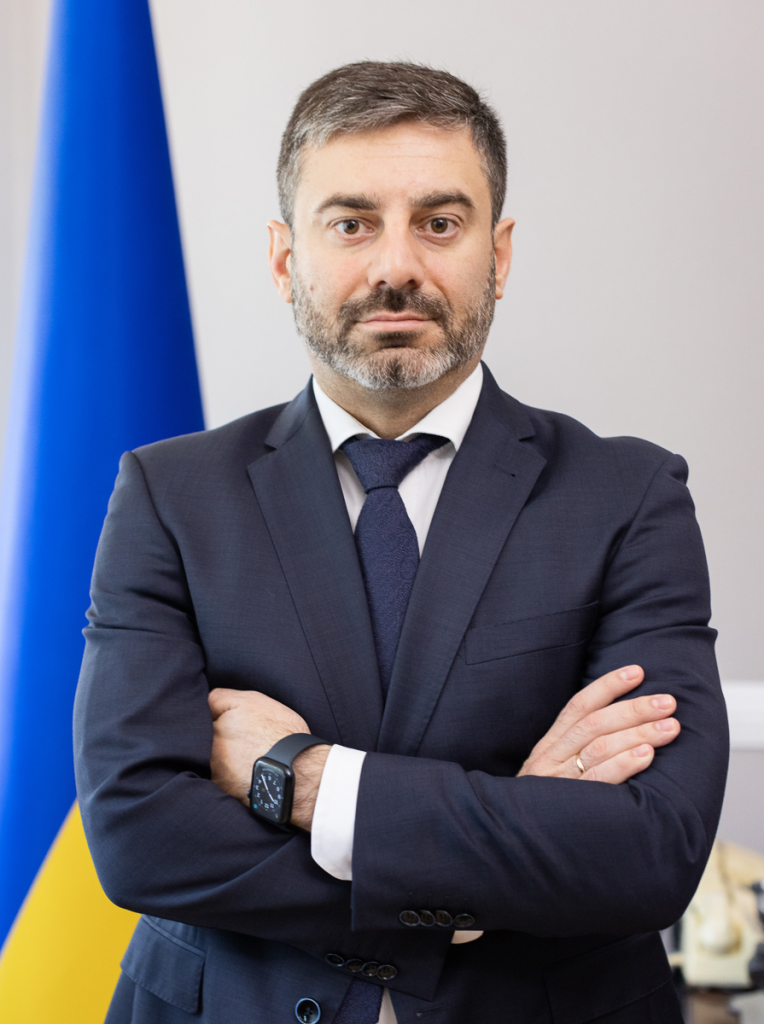
On December 18th, Russian troops unlawfully abducted 50 civilians in Hrabovske who are predominantly senior citizens and relocated them to Russia two days later. The fate and condition of the abducted civilians have been inquired into by Dmytro Lubinets, who is the Commissioner for Human Rights in the Ukraine parliament. This is a violation of the Fourth Geneva Convention and is a pattern of forcibly deported Ukrainians from occupied Ukraine with the aim of destabilizing the demographic integrity the country may face after the war.
3. Aims of Cognitive Warfare
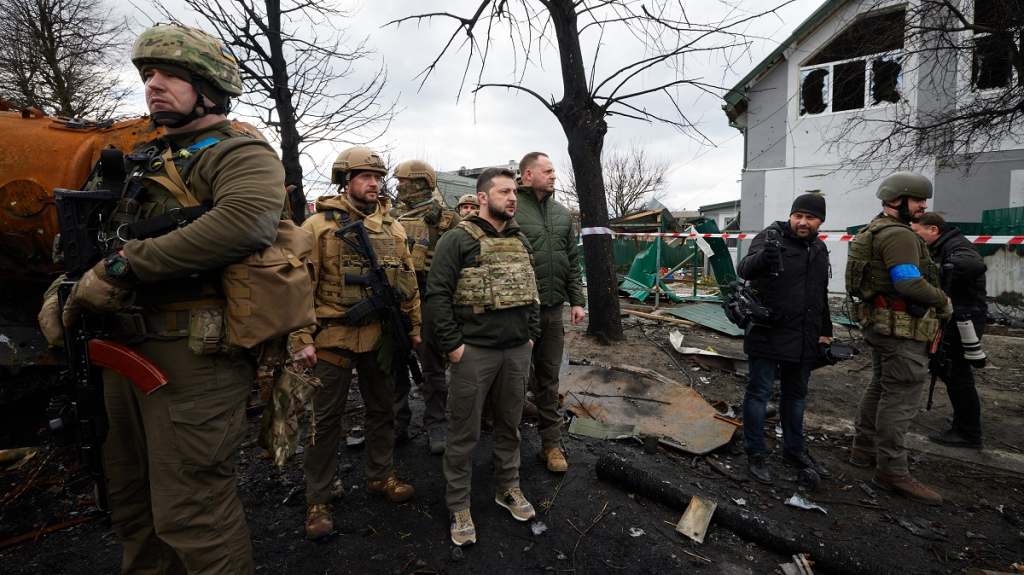
According to Ivan Tymochko of the Council of Reservists of Ukraine, and in general military experts, Hrabovske is part of the sequence of operations from Russia in the process of cognitive warfare, with the objective of creating the perception of the collapse of their own front line, according to the following statement: With the performance of provable probes into previously quiet sectors, Russia seeks to inject doubts and create the perception of being prepared to handle the entire sector simultaneously, no matter the weakness to continue the effort.
4. Absence of Preparatory Operations
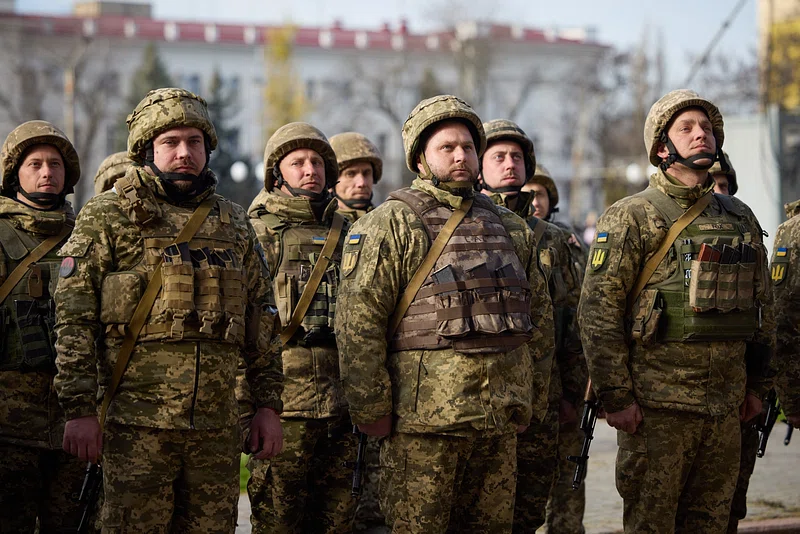
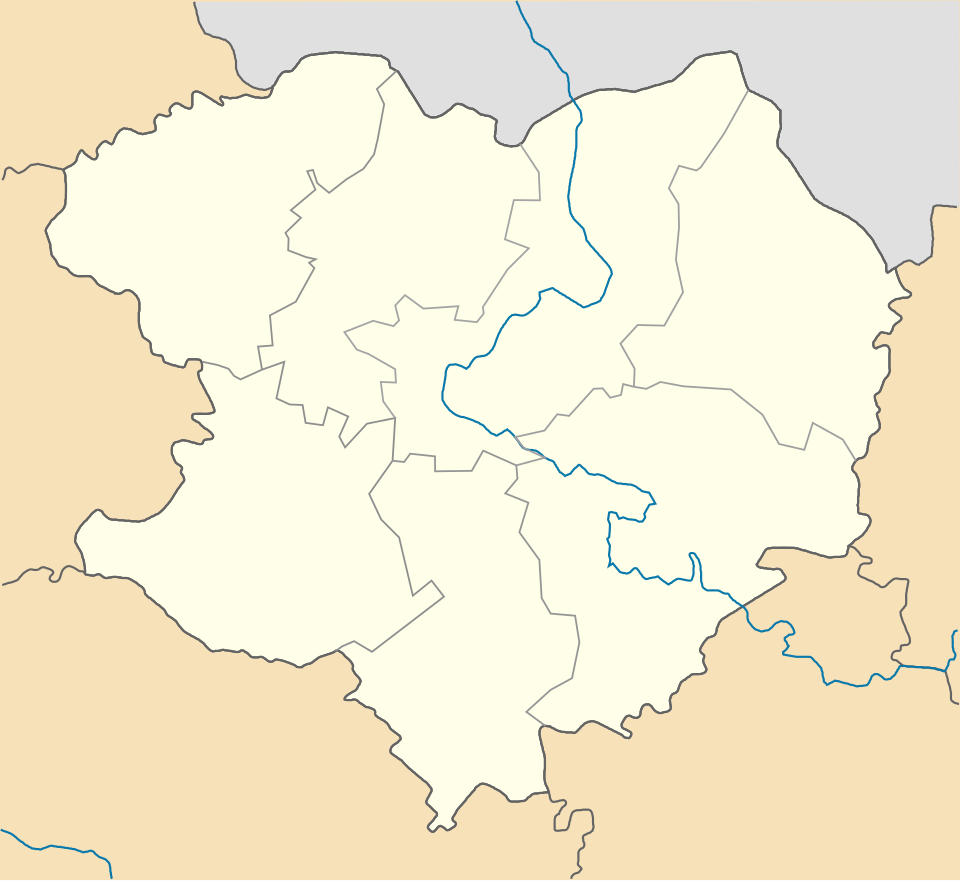
As the Institute of War Studies explains, the Russian forces have not conducted the kind of strikes or air missions of interdiction on the battlefield that are usually necessary for large-scale attacks against the enemy. The fact that neither took place in the Sumy and Kharkiv regions implies that the strikes are only undertaken with a view to making a statement. Without weakening the Russian logistics and defenses through shaping, it is not possible for the Russian military to attack and make a breakthrough.
5. Tactical Anomalies in Assaults
In the neighboring Sotnytskyi Kozachok, the Russian units advanced in two groups side by side, which does not correspond to modern Russian tactics and typically involves small groups scattered over the territory. Maybe the assault was conducted in this way so that the Ukrainians and the West could see it. It has the function of supporting the information missions within the cognitive warfare campaign and reinforces the messages related to a large-scale attack.
6. Drone-Assisted Defense
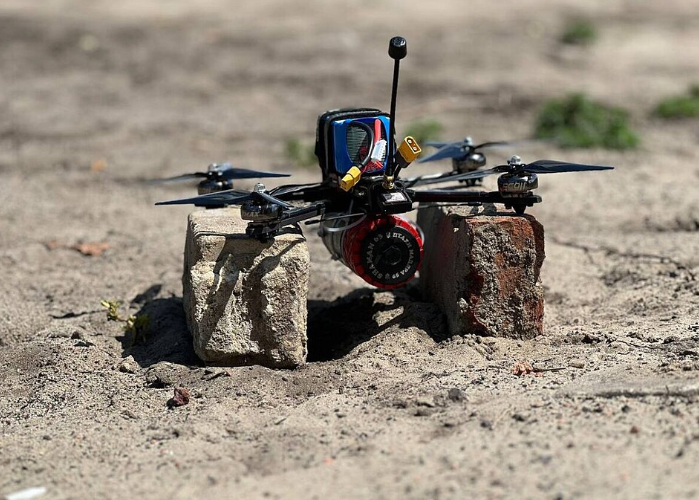
The Ukrainian forces have used drones at all levels across their front line in the north. Whether it is the strike drone with first-person view (FPV) functionality or the reconnaissance drone, it is critical because it helps the artillery have strong range and quick target capabilities against the enemy forces. The battle-tested strategies employed by the drones have been forcing the Russian government to respond to them, although in Sumy, they have been helping to keep the Russian troops contained in Hrabovske.

7. Attrition and Slow Progress
As CSIS points out, the rate at which the Russians have been advancing is lower than the rate of advance in World War I. Since January of this year, Russian troops have controlled less than 1% of the territory in Ukraine, although this is predominantly in the Donetsk, Luhansk, or Kharkiv areas. This grinding rhythm is also a feature of the challenges associated with breaching stubborn defenses, as well as the cost of any small territorial gains.
8. Equipment and Casualty Losses
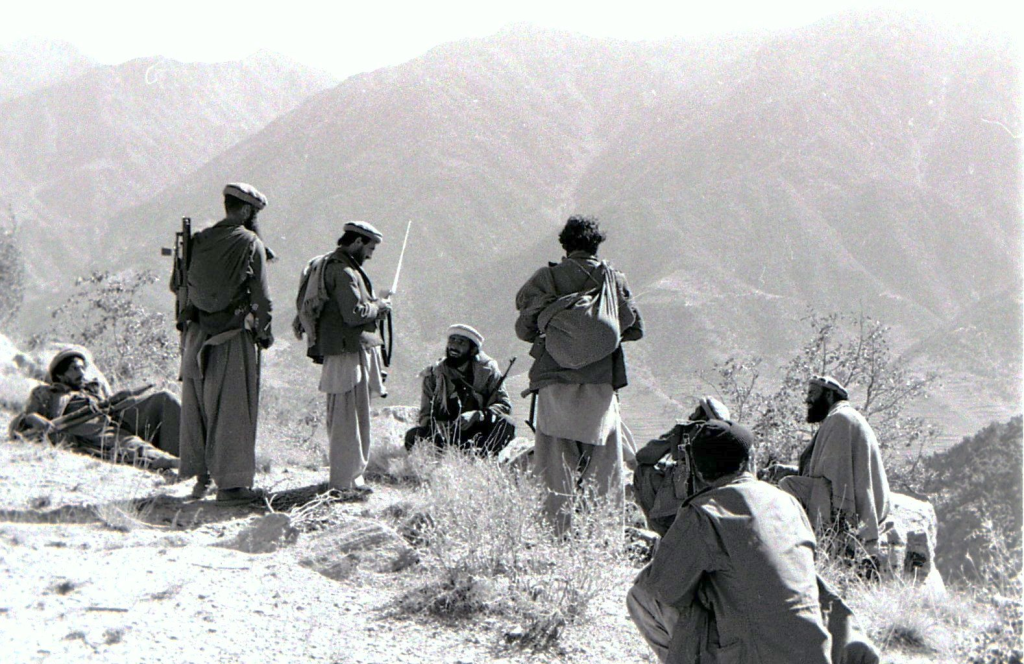
The Russian attacks have been very costly in equipment and lives lost. Since January 2024, losses documented are about 1,865 tanks and over 950,000 total casualties, with a loss of life of over 250,000. This is much higher than the losses of the Soviet Union in Afghanistan and Chechnya. Russia is facing this attrition, which will have a direct effect on the strength of its military, making it difficult for it to press its attack simultaneously, where more preference is given to demonstration attacks than massive attacks.
9. Challenges of Humanitarian Access
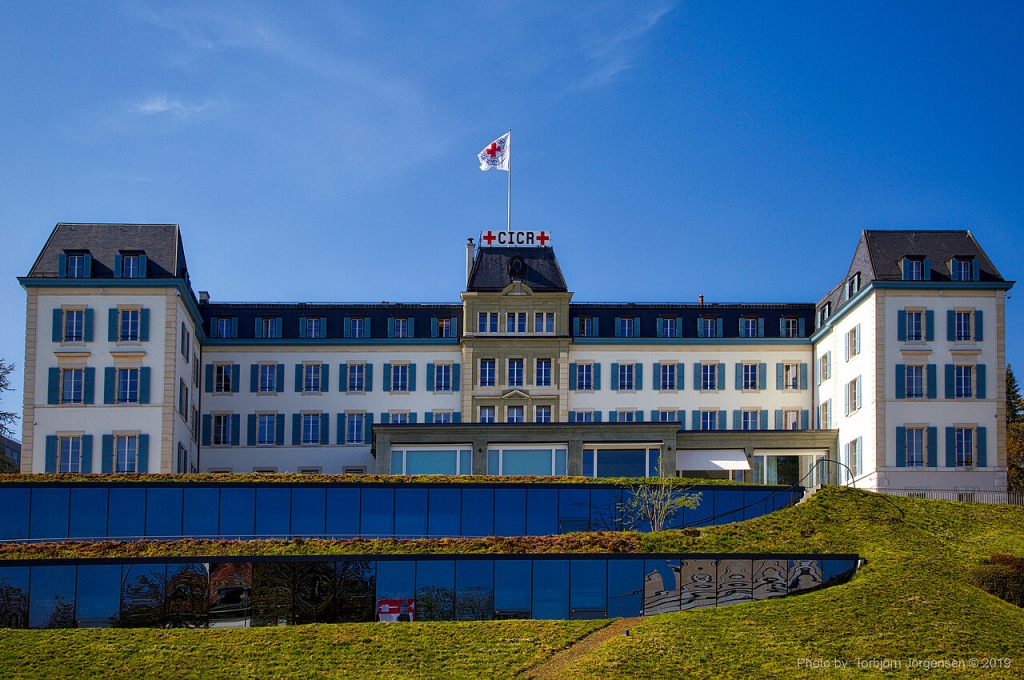
The ICRC strongly suggests that it is not in a position to compel all parties to obtain access to all detainees. Although it may have only visited thousands of prisoners of war, it is still left with civilians and combatants it cannot access. As per circumstances found in Hrabovske deportations, operational and political limitations of humanitarian organizations, in this case, ICRC, exist, which also negatively affect their humanitarian mission of either safeguarding the detainees or checking the circumstances.
10. Strategic Messages and Peace Talks
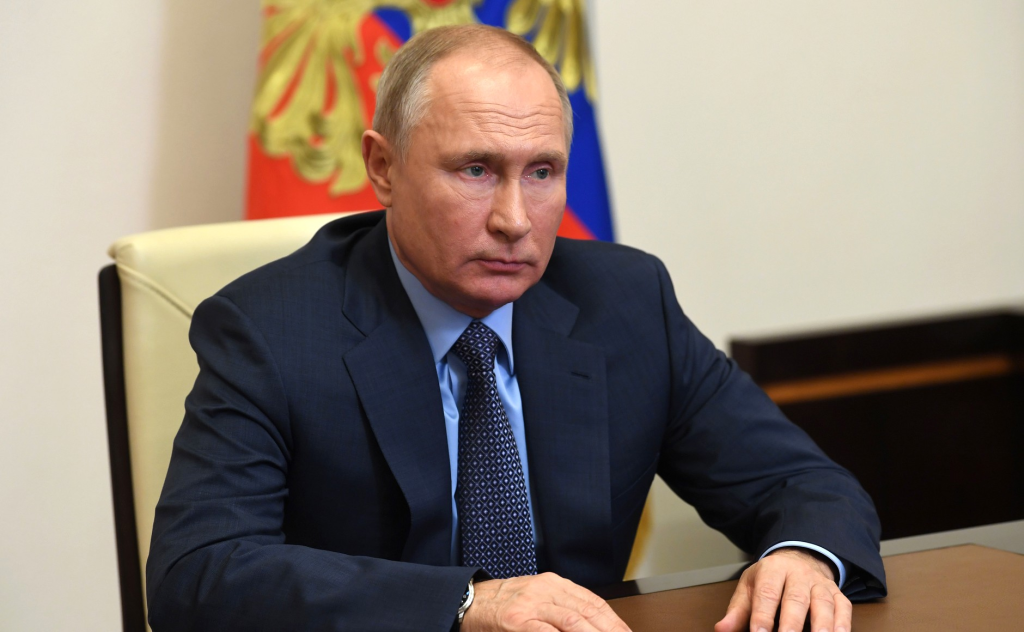
The Hrabovske incident is perfectly linked to Ukrainian and Russian representatives having peace talks conducted and led by the United States of America. Russia, with these minor attacks, is attempting to capitalize on the weaknesses of Ukraine, without having any need to risk much on the battlefronts. President of Russia, Vladimir Putin, reiterated Russia’s position where it explained that the buffer zones necessary in the area of Ukraine, specifically in northern Ukraine, are non-negotiable demands.
The pause of the Russian attack on Hrabovske can be considered as all possible aspects of the crisis, including strategy, technology, humanitarian disrespect, and finally, psychology. Although Russia is advertising these attacks as effective, in reality, their facts of progress and casualties make it appear as if Russia lacks any important capability as is presently being considered. It is essential for Ukraine and its allies to not only react to these events but to note their informative aspect as well.


