“You can win a sea war without ships.” Never in history had that sounded like anything other than the stuff of fantasy. Since 2022, however, it has been bitter reality in the Black Sea. From a starting point of a hollowed-out fleet and no hope of matching Russian tonnage, Ukraine has dispensed with the conventions about seafaring warfare.
The Black Sea theater of operation has increasingly become a proving ground-a laboratory where UAVs, accurate missiles, and hybrid warfare tactics meet the traditional understanding of naval warfare. To military strategists, defence researchers, and experts in naval history, the timeline of the conflict offers a unique live case study of how a nation devoid of naval superiority is nonetheless able to enforce sea denial against its stronger rival.
“This list capsulizes ten of the most crucial changes that came out of the maritime side of the war and represent turning points with respect to capability, strategy, or control.”
1. The Moskva’s Sinking: A Shock to Russian Naval Confidence
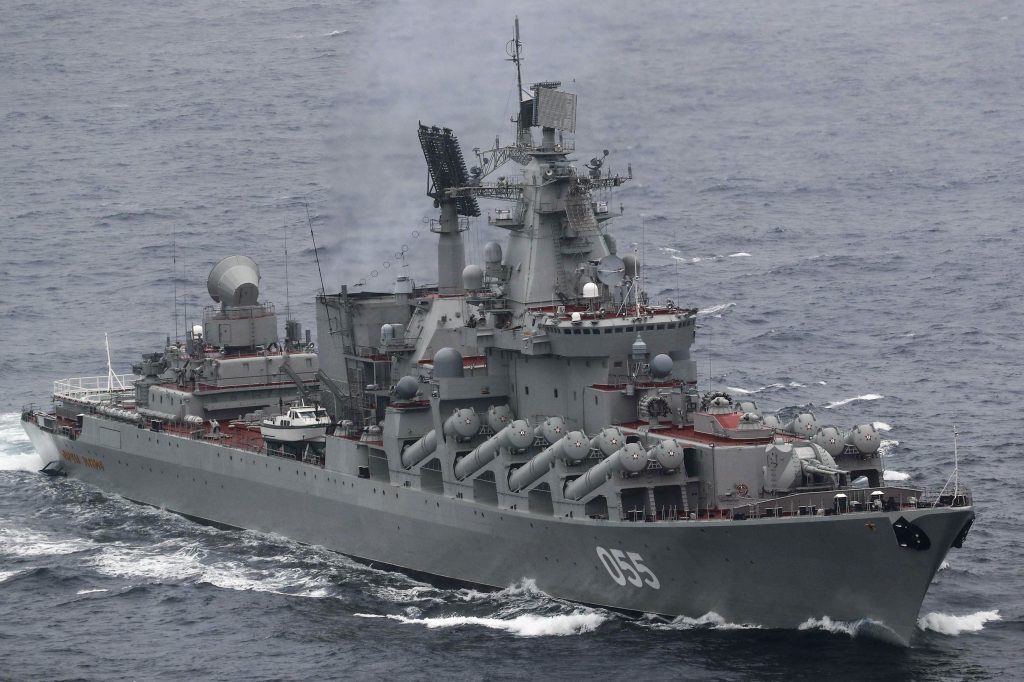
On 13 April 2022, Ukraine sank the flagship warship of the Black Sea Fleet, SLAVA class cruise warship Moskva, by attacking it with two Ukraine-manufactured “Neptune” anti-ship cruise missiles. It has been observed that subsonic missiles could not be intercepted by the multi-layer air defense system onboard the warship due to their unsatisfactory radar and fire-control capabilities. Our analysis indicates this attack deprived Moscow of their best area-defense asset and demonstrated to them that their belief in their invulnerability to Ukrainian attack capabilities was unfounded and that land-based anti-ship missiles can be game-changers for the naval balance.
2. Bayraktar TB2 Drones Over Snake Island
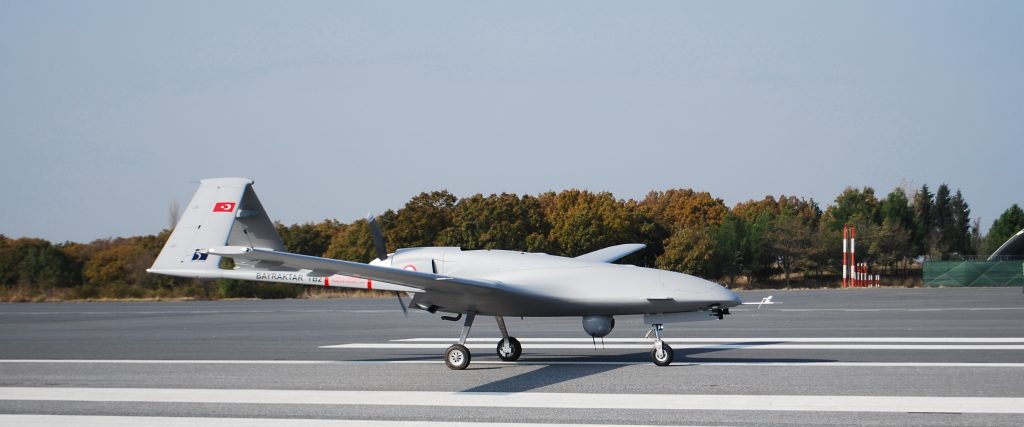
Bayraktar TB-2 UAVs, which the Ukrainian Navy launched in May 2022, armed with MAM-C and MAM-L precision-guided munitions, assaulted and destroyed Raptor assault boats, a Tor-SA 15 air defense system, and a Mi-8 helicopter in supply raids on Snake Island. High radar-absorbing capabilities and resistance to EW attacks allowed UAVs to get through hostile skies. The attacks caused Russia to reevaluate its control over the island, therefore showing the capability of armed UAVs to weaken secured coastal bases.
3. Harpoon missiles extend range for Ukraine
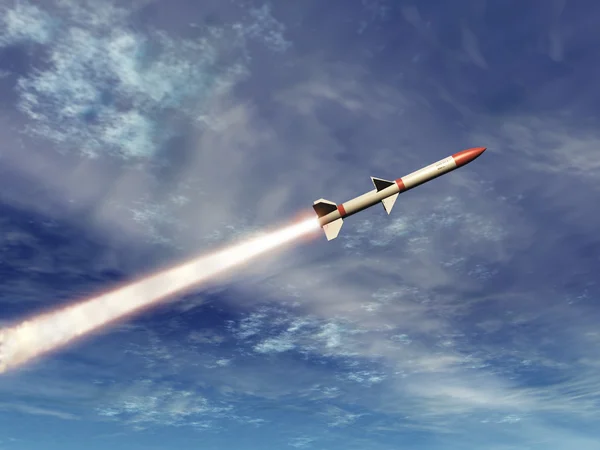
By the second half of 2022, the provision of Denmark’s Harpoon Block II L-4 RGM-84L-4 cruise missiles had given Ukraine’s Neptune systems the capability to target vessels in port and at sea, enabling the Ukrainians to create a maritime anti-access area off the coast of Odesa. The Ukrainian Harpoons could also be used against the ports themselves. These two aspects created the conditions for the final Russian withdrawal in the Black Sea.
4. The Raid on Sevastopol Harbor in October 2022
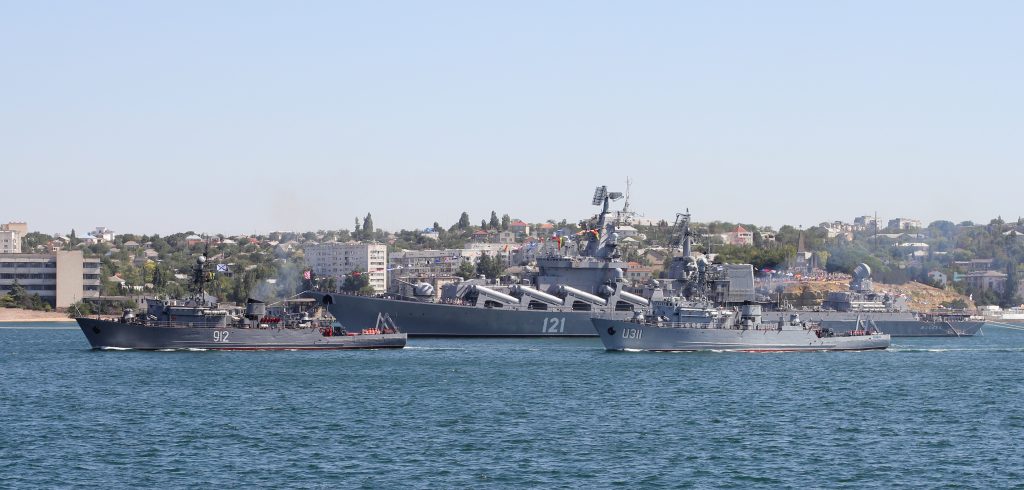
The first big operation with USVs and UAVs to attack Sevastopol broke defenses and damaged the frigate Admiral Makarov, and minesweaper Ivan Golubets in Ukraine’s Admiral Makarov following the operation became the combat launch of kamikaze USVs for showing an ability to get into the world’s most heavily defended sea base in Russia. As a result, it forced Russia to push their major attacking forces back into the port due to poor defense development of their harbors.
5. Magura V5 USVs sink frontline warships
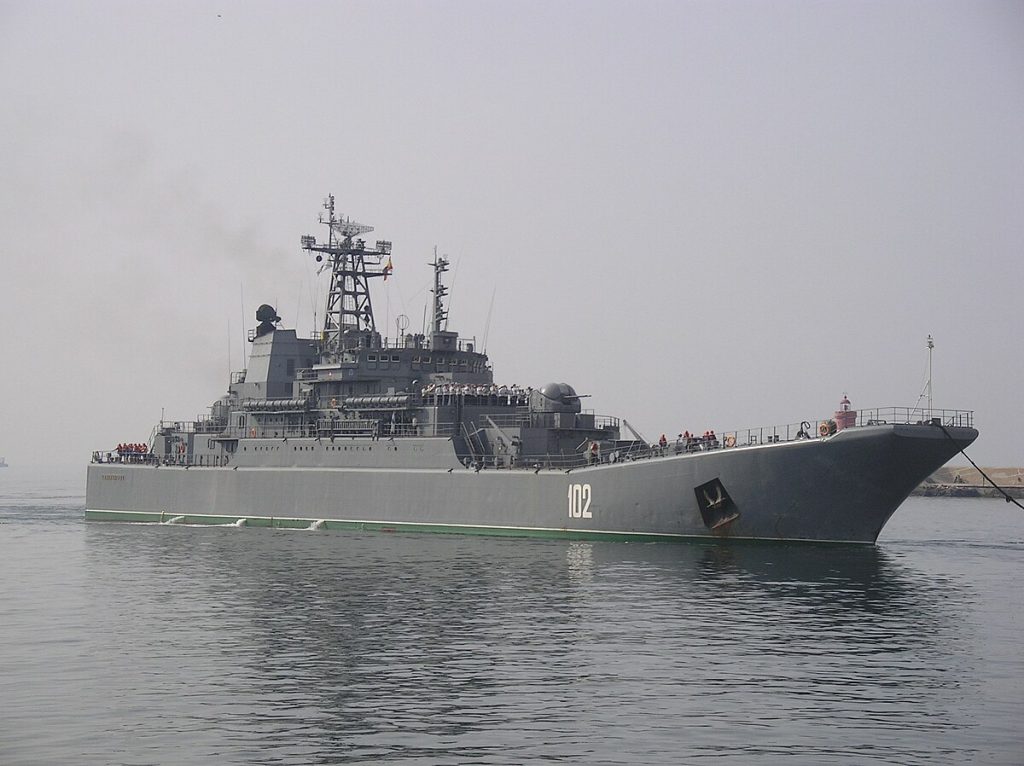
By the beginning of 2024, a Magura V5 USV-an 18-foot, low-profile waterjet-propelled vessel with an extended range of over 400 nmafter launching in early 2024-had begun to send Russian combatants to the bottom. Targets destroyed included TARANTUL-class corvette Ivanovets and ROPUCHA-class landing ship Caesar Kunikov in February. For less than $300,000 per copy, these systems were yielding multi-million-dollar tit-for-tat aerial contacts-establishing an enormously favorable costexchange ratio for Ukraine and proving bases rifled naval drones’ value as a force multiplier.
6. Air Defense-Reconfigured USVs Redress the Air
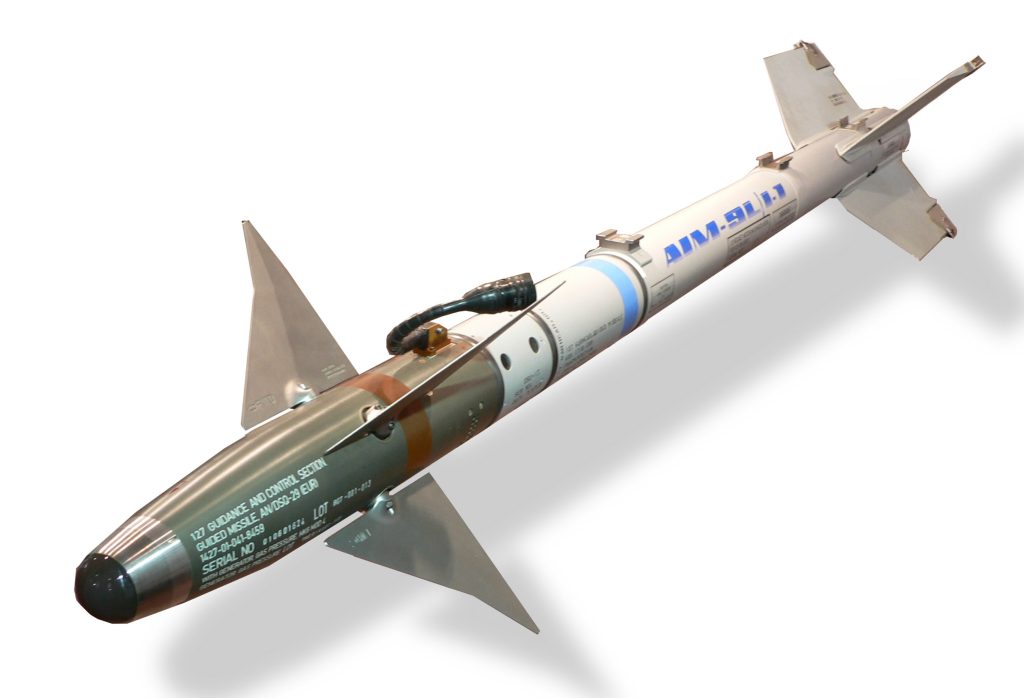
By mid-2025, AIM-9 Sidewinder missile-equipped Magura V7 USVs had clashed with and destroyed two Russian Su-30 strike fighters. It is important to note that this was the first recorded incident of a USV taking down manned aircraft, further expanding sea denial into the air domain. Threats against helicopters and fixed-wing patrols continued to constrain Russia’s long-range engagement capability against USVs for the Black Sea Fleet.
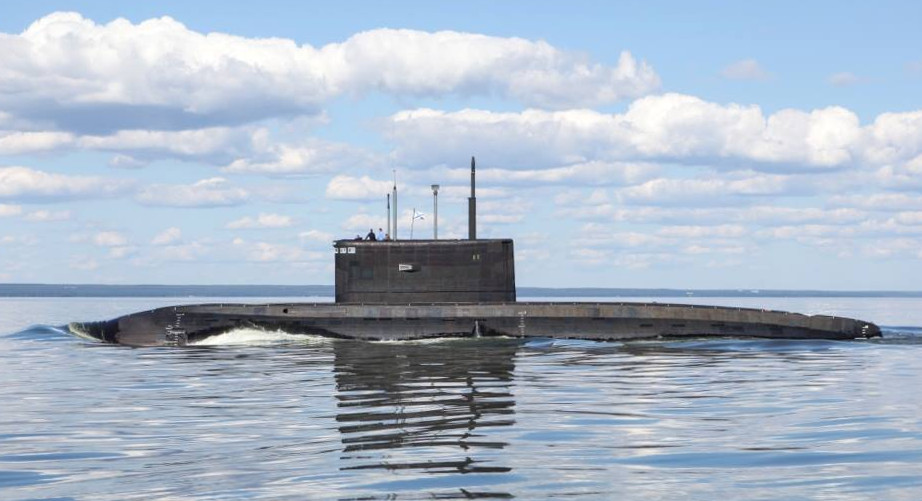
7. Sub Sea Baby UUV Strikes Kilo-class Submarine
On 15 December 2025, Ukraine’s SBU and Navy employed the “Sub Sea Baby” unmanned underwater vehicle for the first time against Project 636.3 Improved Kilo-class submarines in Novorossiysk. According to Ukrainian sources, the UUV penetrated the defenses in the harbor to strike the area around the stern, which likely affected the propulsive and control surfaces. History was made in the battle with the use of a UUV against a submarine, confirming that Russian home ports, too, were not sanctums because of their high defenses.
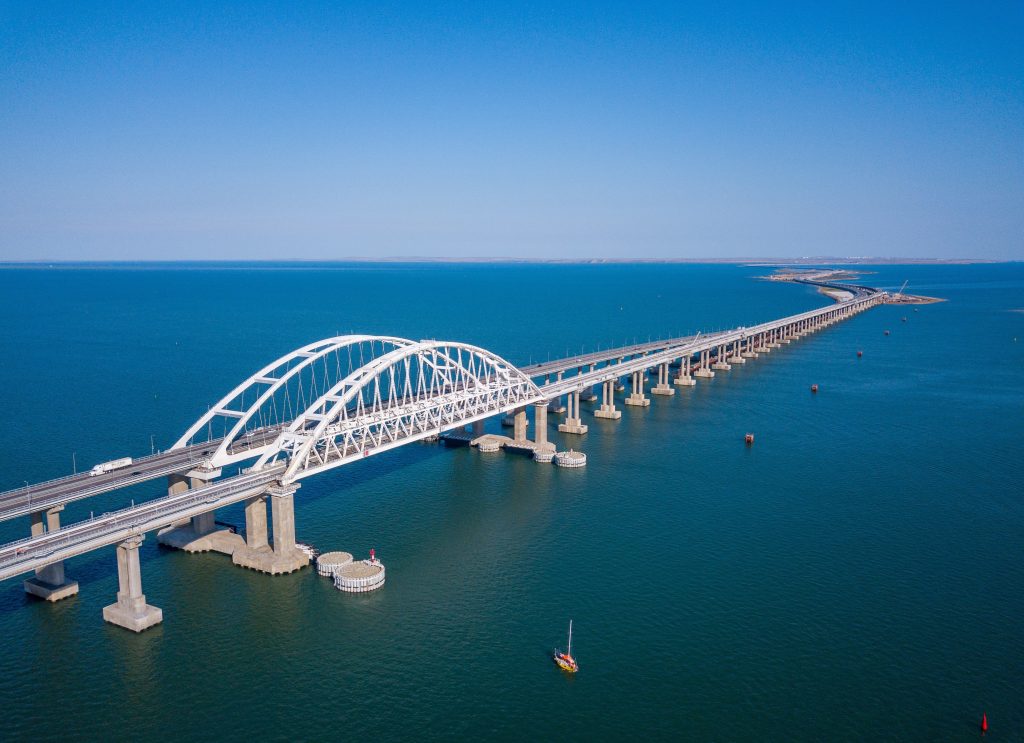
8. The position of the paragraph under CONSTANT definitions, Levitra may
That important logistics route for Russia to Crimea has seen the Kerch Strait Bridge hit many times with missiles, truck bombs, and USVs. It has not been destroyed but was hampered in carrying heavy loads, while making Russia deploy air defenses for its protection, it turns out, is a characteristic of Ukraine’s plans for asset diversification.
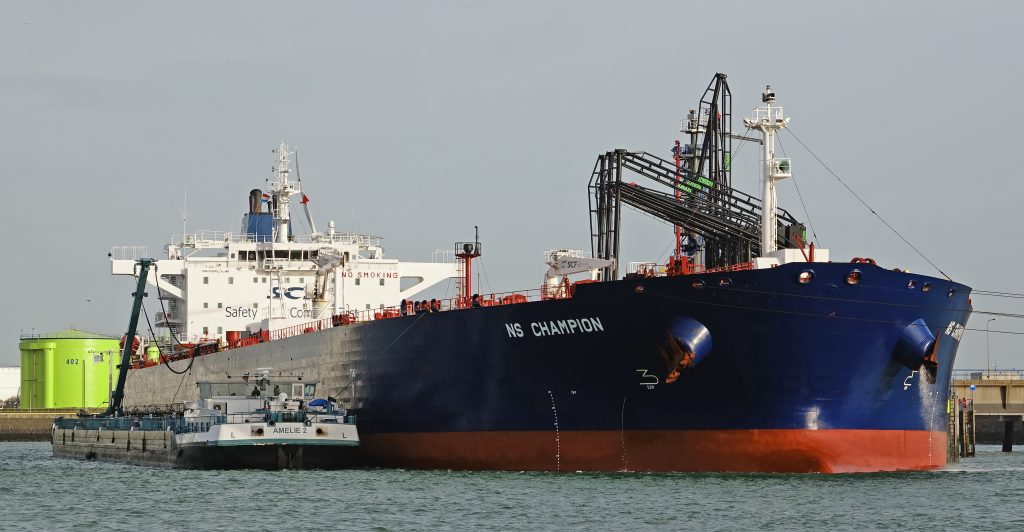
9. Attacking the Shadow Fleet and Energy Infrastructure
Starting in late 2023, Ukrainian USVs and UAVs struck a range of “shadow fleet” Russian-tanker vessels, like Kairos, Virat, and Dashan, and also struck distant gas platforms used by Russia to surveil and project military forces at sea. The attacks are known to have had an impact on the illegal distribution of Russian oil and degrading Russia’s ability to project its domain awareness at sea.
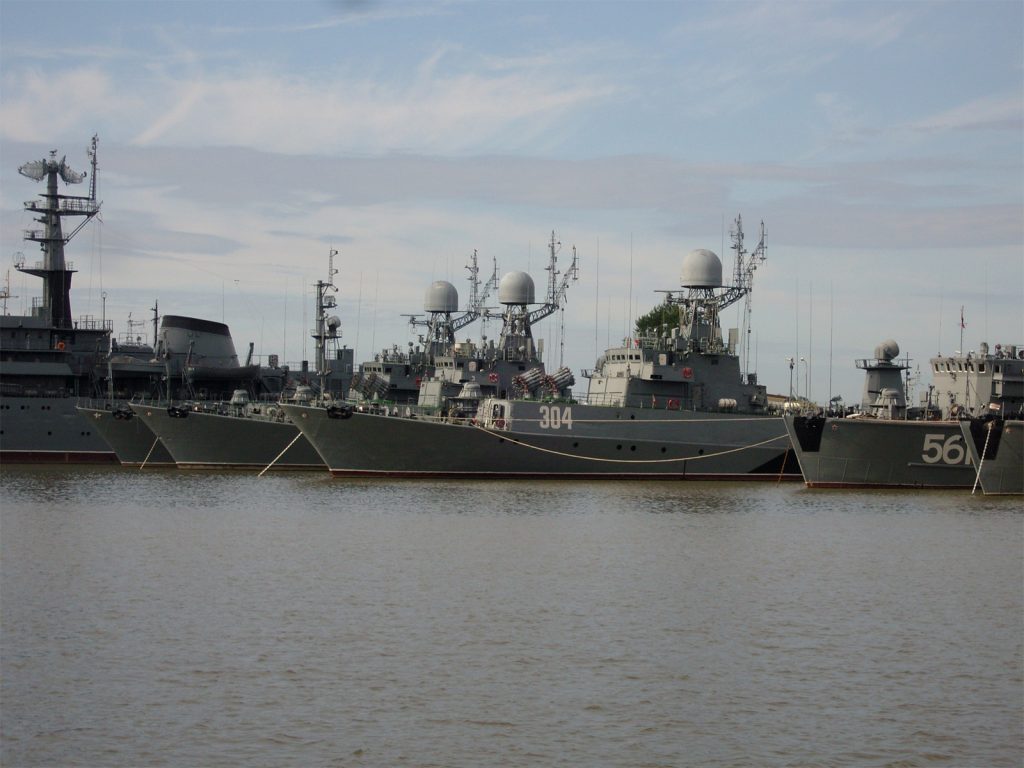
10. Strategic Shift: From Blockade to Sea Denial
By 2022, Russia’s Black Sea Fleet has maintained a near-complete blockade of Ukraine’s ports. However, it was foreseen that by 2024, with a complement of Neptunes, Harpoons, USVs, and UAVs, Russian warships would be forced to retreat towards the east, and sea lanes for grain exports would have been reopened despite the demise of the Black Sea Grain Initiative. To state it differently, sea denial by Russian naval warships would be contested by innovative technology and strategic strikes. The Black Sea conflict has packed a multi-decade pace of naval innovation into just three years of fighting.
For history buffs, the Black Sea challenge will remind one of the asymmetric approaches of another era, such as French “Jeune École” strategy, while for the technologists this real-world test case provides a window into how a still-emergent category of technologies like unmanned systems will mature in the hostile environment of a contested battlespace. Most of all, however, the Black Sea challenge demonstrates just how easily a balance of power can shift from a pure platform-based one, based on numbers of a particular kind of platform, to one governed by speed of innovation, where new or still-emergent technologies can be combined in creative ways.


