However, not all war prisoners simply wait for an exchange. One of the most unusual, although controversial, instances related to the conflict between Russia and Ukraine has involved a Russian soldier who was a warrior on the battlefield with the very forces he was sent to conquer. His experience, although confirmed by the Ukrainian media, is as yet unverified but is nonetheless revealing regarding war realities on the battlefield.
The saga of 23-year-old Danylo Sychov, a POW in eastern Ukraine, is set against the larger context of the systematic mistreatment of prisoners of war, coercive recruitment practices, and the intense politics of prisoner swaps. Sychov’s experience is as much about his own miraculous escape as it is about the dark undertows of the conflict – the handling of prisoners of war to the politics of swaps. There are nine takeaways that highlight the incredible incident as well as the larger conflict.
1. From Prosecution Threat to Front-line Action
Sychov’s trajectory in Ukraine began not with patriotism but a legal threat. In the 242nd Motor Rifle Regiment, he served in Russia and faced a trial for a physical altercation between him and an officer. In an interview with Novynarnia, he explained that “the case was hushed up” in exchange for being sent “to the front.” Soon after, he had been stationed at a training camp in Russian-occupied Donetsk and was ordered to attack Ukrainian forces in Rusyn Yar. Such a forceful trajectory into military service is typical of Russia’s reliance on coerced conscripts, with prison administrations encouraging inmates to enlist or risk punishment; this practice has resulted in potentially 54,000 conscripts being lured into military service.
2. A Mine, an Unsuccessful Assault, and Surrender
During the assault, Sychov trod on an mine that did not explode fully, lightly wounding him. Most of his comrades had been killed. Sychov talked about laying cover for the retreat of his comrades before they were killed, after which they surrendered to the Ukrainians. This happened while fierce fighting was underway, evident in that there have been high numbers of casualties in Russian assault parties, especially those consisting of convicts or hastily trained troops.
3. Two Months of Fighting for Ukraine
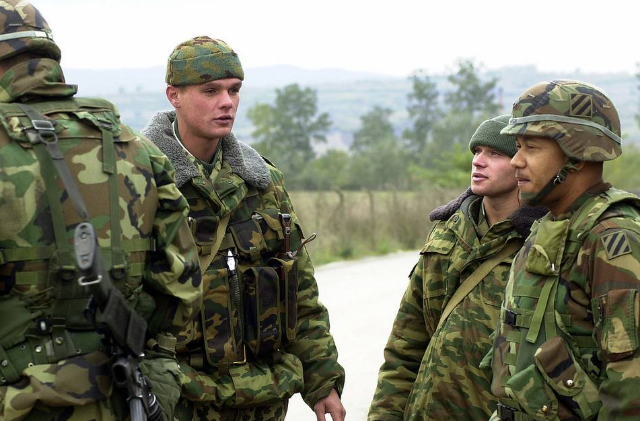
Contrary to expectations that he would be transferred to a camp inside the rear area, Sychov stayed with the Ukraine line for over two months. When the Russians again attacked the position, Sychov worked with the Ukrainians’ defensive efforts – including reinforcing their positions, distributing guns and grenades, and carrying out mundane tasks. “I wanted to live,” Sychov said as he clarified that “Russian soldiers don’t take prisoners often” because “there were executions.”
4. The Risk of Returning to Russia
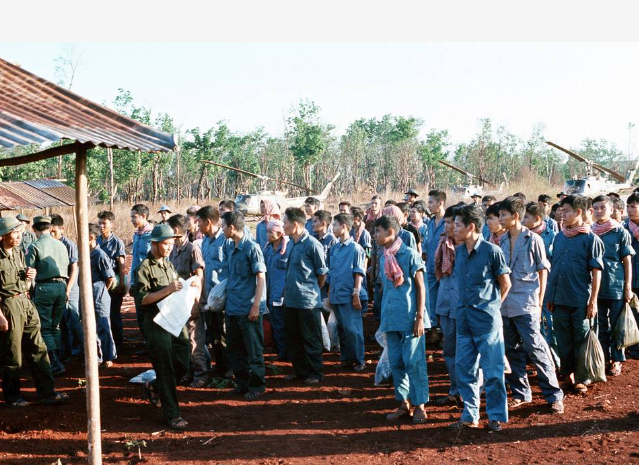
Sychov has since been transferred to Ukraine’s pool of prisoners who are eligible for an exchange. His situation is not clear if he is to return to Russia. No comments have been obtained from the Ukrainian officials with reports indicating that defectors are punished severely. The Geneva Convention bars one being prosecuted for being involved in hostilities; however, Russia has prosecuted international fighters as well as their soldiers for what they felt was betrayal.
5. Planetary Abuse of Ukrainian POWs
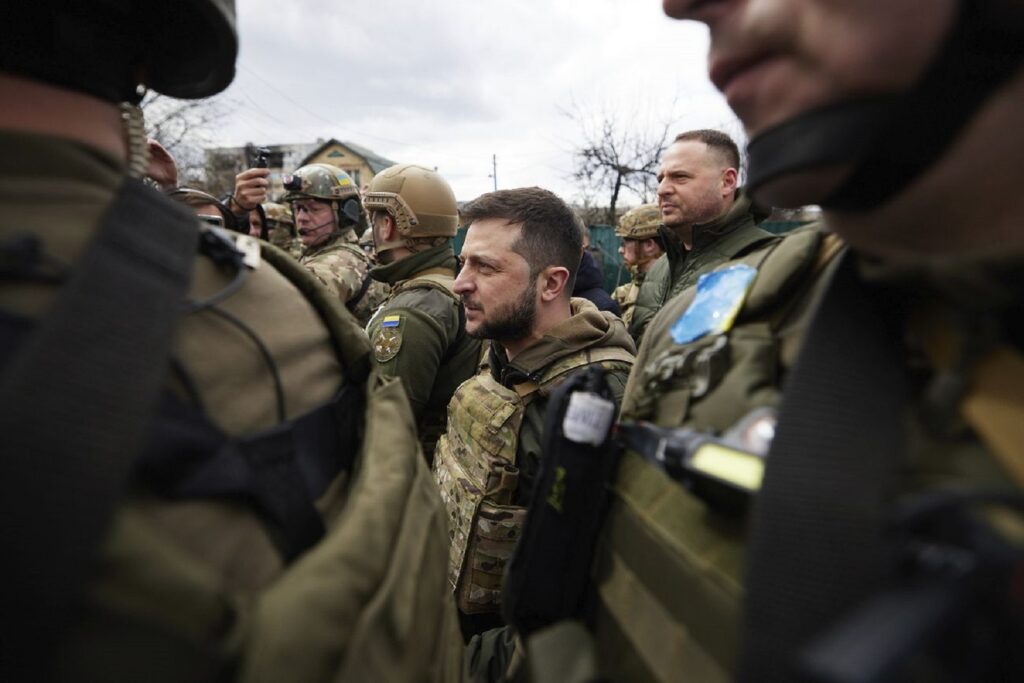
His tale is part of an increasing evidence base documenting Russian mistreatment of Ukrainian captives. Human Rights Watch found beatings, electric shocks, rape, and mock executions, and over 95 percent of Ukrainians who were freed after being prisoner of war confirm experiences with torture. Sponsors of detention facilities such as the notorious Taganrog Prison Camp are infamous for their everyday abuse, with at least 169 confirmed deaths behind their bars.
6. Coercive Recruitment & Penal Battalions
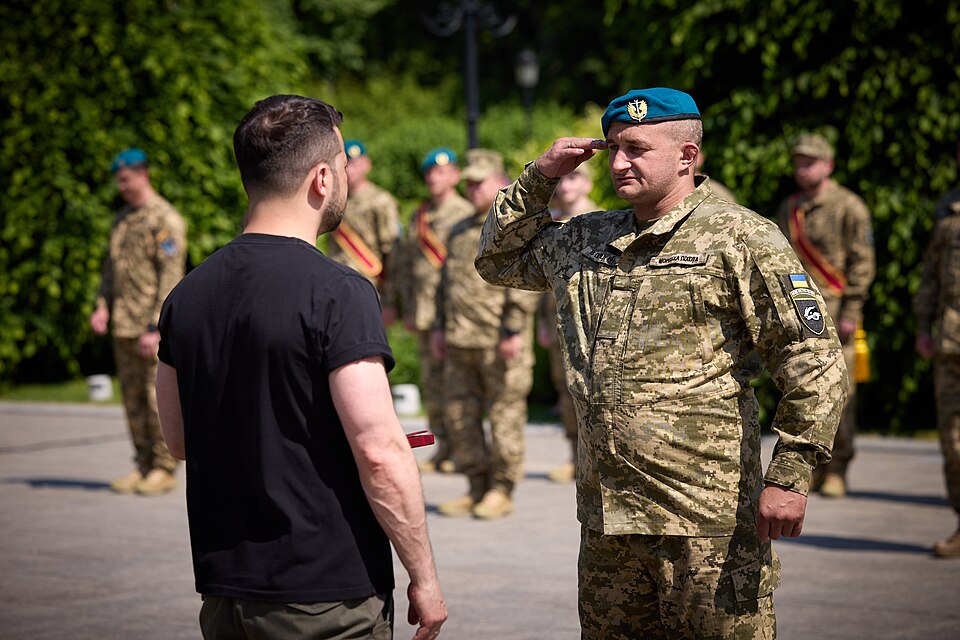
The utilization by Russia of these penal units like Storm-Z corresponds with repressive utilization by Sychov. It offered ex-convicts in Storm-Z high pay and pardons but deployed them to a “meat-grinder” without essential weapons. Other regular military personnel may be deployed to the penal units as punishment. This is akin to the practice in the Soviet penal battalions.

7. Ukrainian POWs made to fight for Russia
In a similar case to Sychov’s, it was reported that Russia also forces Ukrainian POWs to fight at the front to fight against their own country. This was depicted in a video by RIA Novosti showing captives pledging to support Russia and taking up irregular units. According to experts such as Human Rights Watch’s Yulia Gorbunova, these acts violate the Geneva Convention because POWs cannot be compelled to engage in combat.
8. Politics of Prisoner Swaps
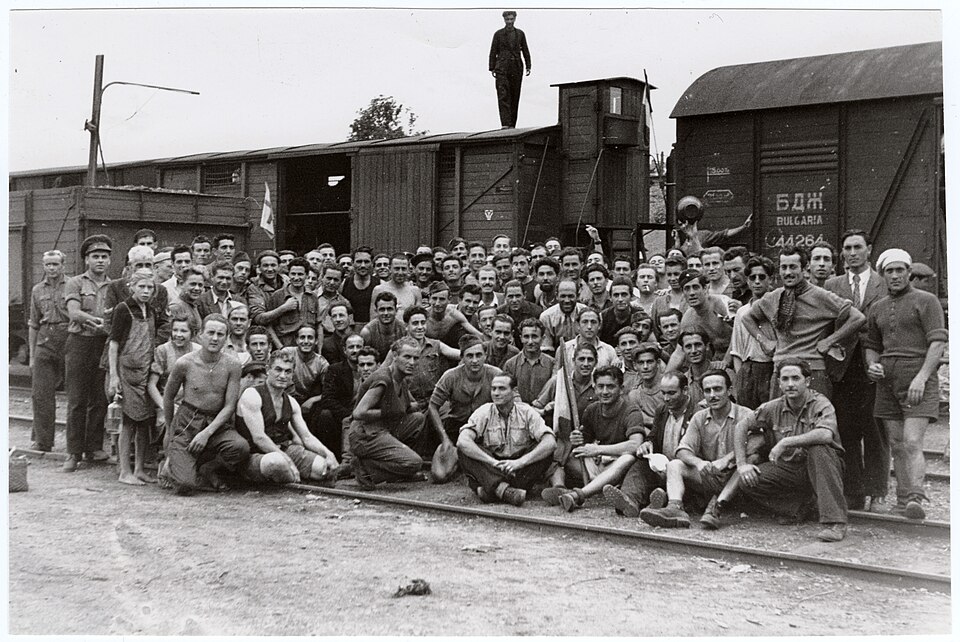
Prisoner swap deals remain among the only functional communication lines between Kyiv and Moscow. More than 65 prisoner swap deals have been implemented since February 2022, and over 5,700 people have been repatriated. The process is always slow, with complaints of procrastination and instigation of unrest among families of the prisoners of war among Russians. Macro prisoner swap deals, such as the Istanbul agreement involving a minimum of 1,200 prisoners of war on both sides, remain a rare occurrence.
9. Legal Grey Areas and the Potential for Taking Human Shields
International humanitarian law facilitates prisoner exchanges but prohibits the holding of hostages. Holding combatants purely for the purpose of negotiating an exchange could arguably be seen as the latter. However, the lawful detention permitted under the Geneva Conventions complicates the distinction. The tenet of non-refoulement also prohibits transferring POWs to locations where they face a strong possibility of grave harm, which has a direct application to the situation faced by Sychov.
This kind of prisoner exchange and mistreatment of POWs represents a paradox of the conflict and, better, the conflict itself – involving a military man who has been forced into combat and junior officer who now fights for his captors, POWs caught in the middle as both currency and mistreatment victims, and an international legal regime that has yet to keep pace with what is transpiring.Regardless of whether he will be sent home to Russia and whether he will instead stay in Ukraine, there seems to be a significant point that can be gleaned and appreciated from his experience.


