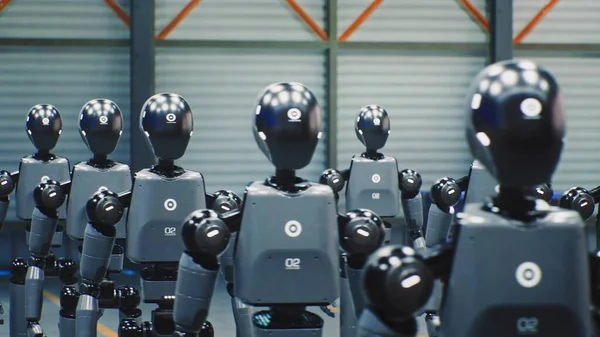
Whether humanoid robots can be trusted in their interactions in daily life is no longer a theoretical question; instead, it has become a challenge in engineering, policymaking, and the market. In Singapore, in which the adoption of robots has been increasing, the issue of humanoid robots brings together issues concerning safety regulations, the integration of AI technology, and competitiveness in the global marketplace. Singapore’s vision in the investment of embodied AI research targets a leadership position in the world in humanoid robots.
1. Trust and Safety in Unstructured Environments
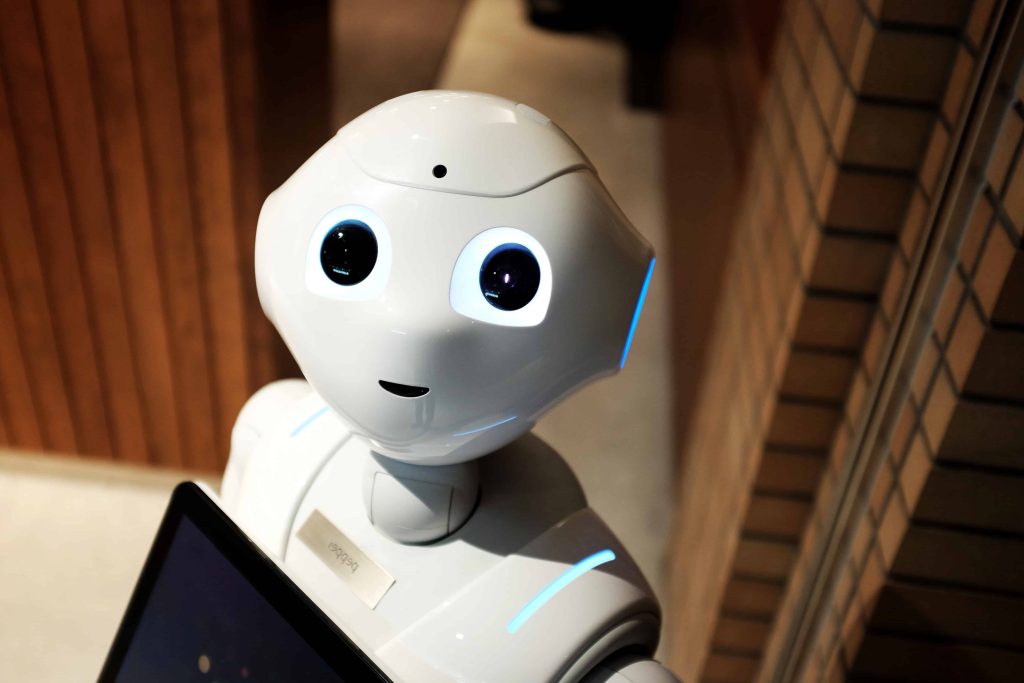
In contrast to self-driving cars that traverse a structured road system, humanoid robots designed for a consumer market need to move about in unstructured environments such as furniture-filled rooms with slippery floors and un predictable human activity. According to Chinn Lim, the CEO of dConstruct, “Can you trust a person with a robot? Say it breaks down. Whose liability would it be in the case of a accident?” Insurers do not like operating under unstructured legislation and therefore do not provide liability coverage.
2. Strategic Imperative of Embodied AI in Singapore
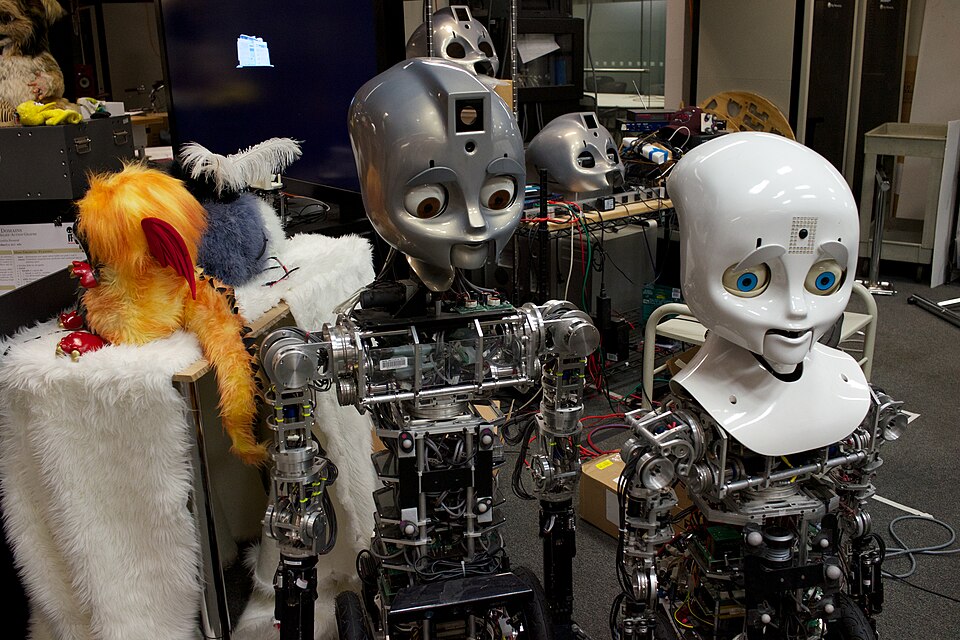
In May, the Home Team Science and Technology Agency (HTX) has pooled an investment of S$100 million for the setting up of the Home Team Humanoid Robotics Centre (H2RC), which will be the world’s first safety humanoid lab. Some of the humanoids showcased at AI TechXplore are 1.7-metre-tall safety humanoids for firefighting and dealing with hazardous substances, while there is also a 1.2-metre safety humanoid that can be controlled through a wearable exosuit with virtual reality feedback. By 2029, these humanoids are expected to work independently with the help of AI.
3. Technical Challenges In Dexterity
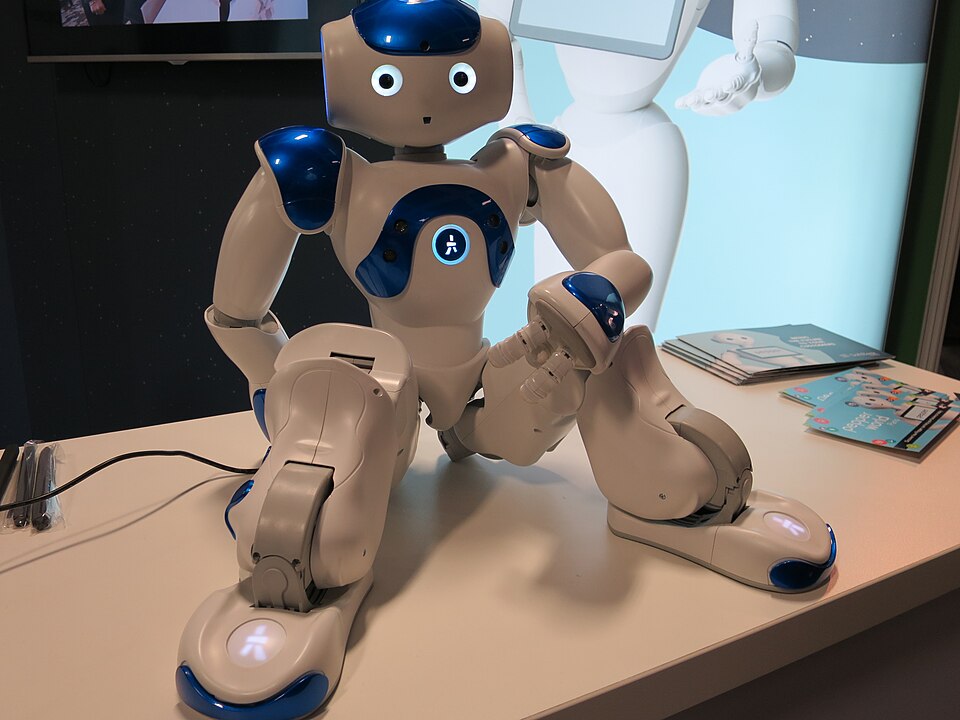
Human-level dexterity and balance have yet to be fully duplicated. In Deloitte’s words, “It is tough to replicate the human capability for balancing and adaptability in a dynamic environment and human-level fine motor abilities.” Biped walking requires a complex degree of control with each degree of freedom and a balance algorithm in a microsecond or less. Robots like Unitree’s R1, with 24-26 joints and 3D vision capabilities, prove hardware maturity but a degree of autonomy in a random environment is extremely research-oriented at this time.
4. Interoperability Standards and System Integration
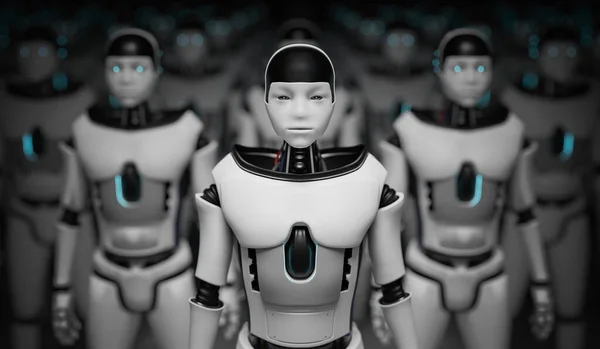
Singapore’s Robots Middleware Framework (RMF) is now spreading around the world with Open-RMF, facilitating communication between robots of different brands and lifts, automatic doors, and buildings. National standards like SS 713 and TR 130 formalize these, with efforts directed towards ISO approval. For example, in facilities like Changi Airport, RMF is responsible for overseeing different robot fleets, adapting their schedules according to operating information in facilities like Changi General Hospital.
5. Talent and Workforce Development
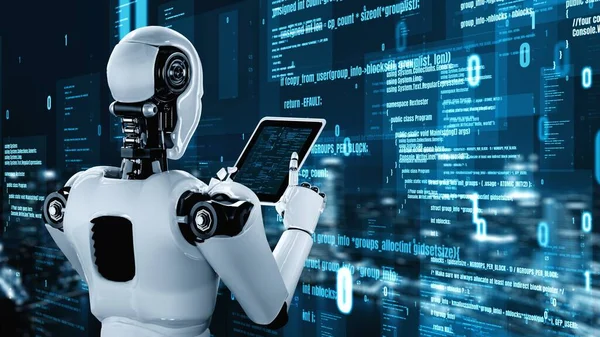
The country’s National Robotics Programme (NRP) is trying to address personnel shortages via programmes such as ROS-Industrial Train & Place Programme, which partners trainees with companies such as AiTreat and Hivebotics. The need to “cross-disciplinary talent” in both robotics and artificial intelligence is highlighted by NUS Enterprise’s Executive Director, Tung Meng Fai. Though Singapore is doing well compared to other countries per capita, the best candidates for a position may come from elsewhere, and offers may lie dormant for months. Developing homegrown AI, including individual models such as the Phoenix model by Singapore’s HTX, requires key personnel as well.
6. Global Competition and Market Dynamics
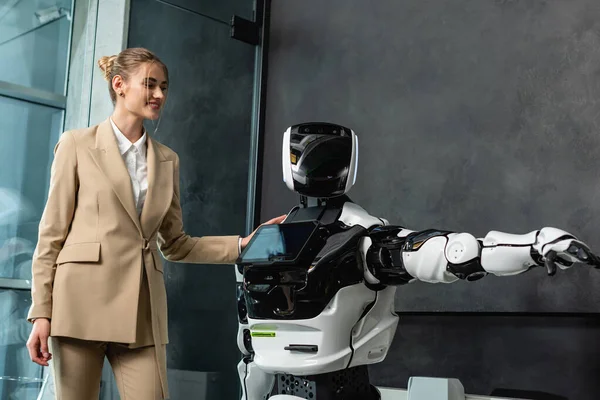
The production of humanoid robots is dominated by China, which filed 5,688 patents over a period of five years and introduced 35 models of humanoid robots in 2024, contributing to two-thirds of the total humanoid robot production worldwide. For instance, the cost of Unitree’s R1 humanoid robot, which costs less than US$6,000, has shattered the cost barrier for universities and SMEs to test their research on humanoid robot platforms. Industrial humanoid robots cost more than US$500,000 for each robot. The market of Singapore for humanoid robots is estimated to be valued at US$400 million in 2025 but is expected to reach US$1 billion by 2030 with service robots dominating industries such as
7. The Singaporean Niche in System Integration
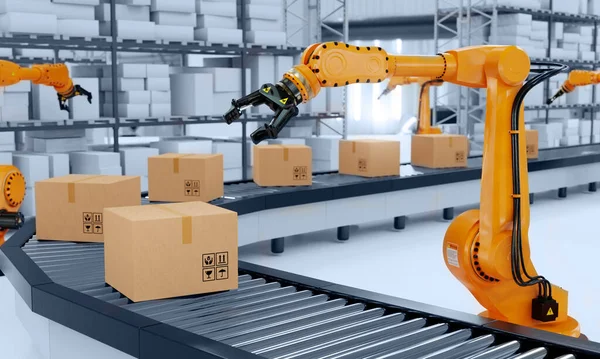
Although it does not have an “Optimus-level” supplier in the sector, the strong point about the Singaporean robotics industry is its ability to integrate hardware, AI, and operational expertise in order to come up with workable solutions. LionsBot is one such entity that specializes in cleaning robots. Collaborations with OMRON from Japan have made it possible to apply robotics in areas ranging from F&B to electronics production.
8. Research to Real World Implementation
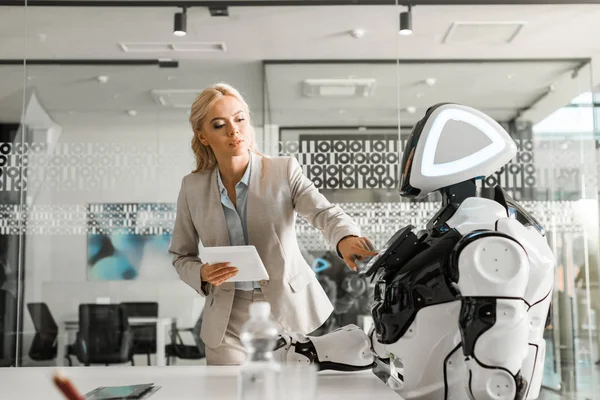
For humanoids to move from laboratory levels to operating capability, it is essential that robots be integrated into command and control systems. Certis’ Kelvin Tay underscores that humanoids need integration with visual analytics solutions, workflow automation, and AI allocation if they are to offer practical security solutions. Within manufacturing, Singapore’s robot per 10,000 employees at 770 illustrates industry growth in automation, though their humanoid robots are at best three to five years from mainstream commercialization.
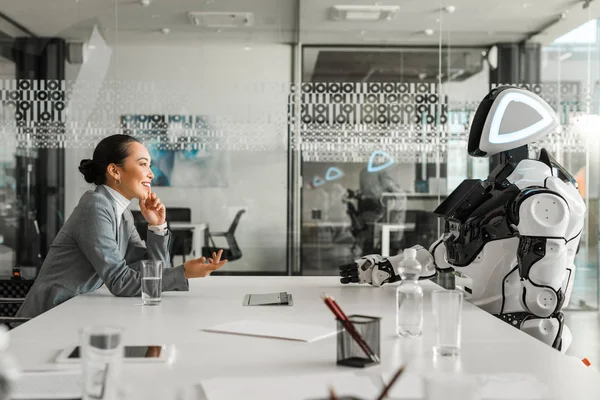
Singapore’s approach to humanoid robotics is characterized by its capacity to integrate innovation with foresight in policy. The country is not only preparing to integrate humanoid robots into its systems but also establishing the world’s standards in ensuring safe, integrated, and trusted use of the technology.
Note:


