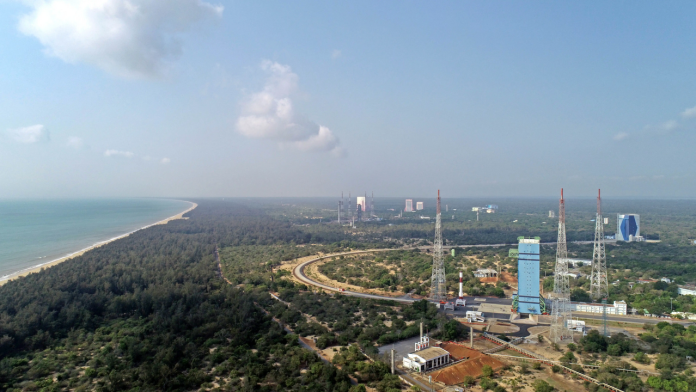
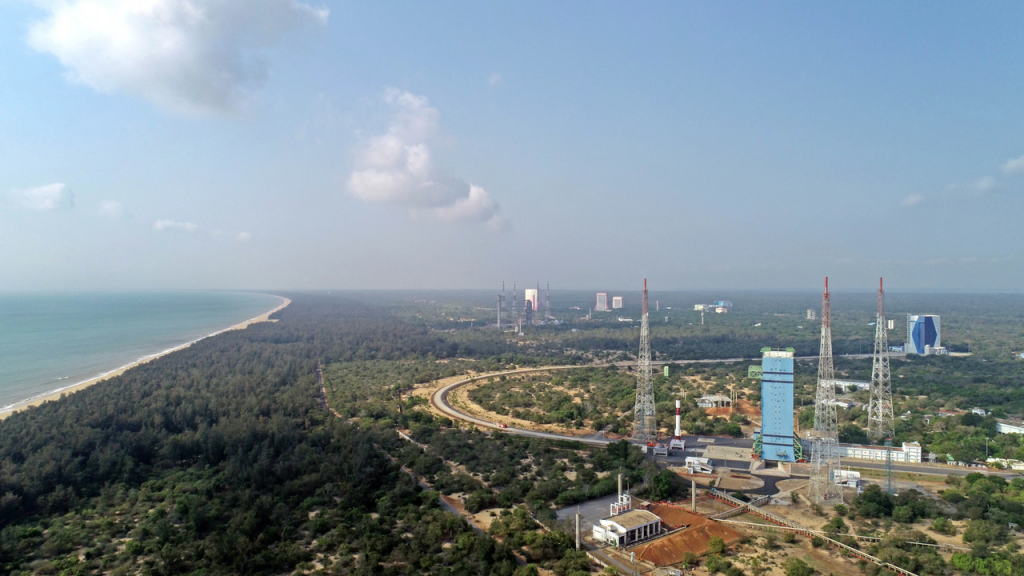
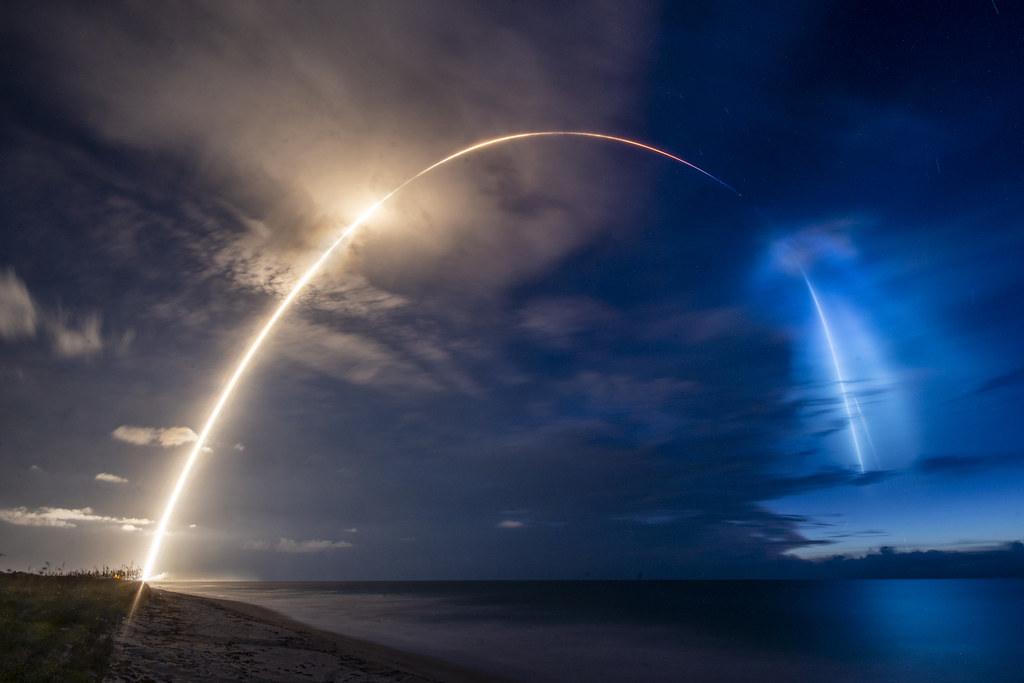
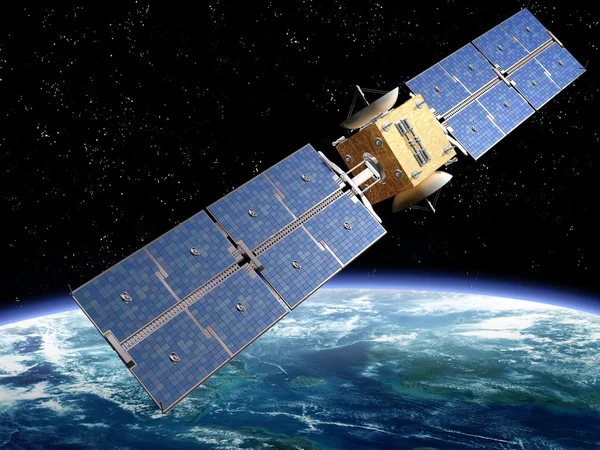
It began with a thunderous roar from the Satish Dhawan Space Centre in India, and today it ends with a 6,100 kilogram “engineering marvel” orbiting 323 miles above the Earth’s surface as BlueBird 6, the new satellite from AST SpaceMobile that has shattered the barriers to what is possible within a Low Earth Orbit (LEO) communication system.
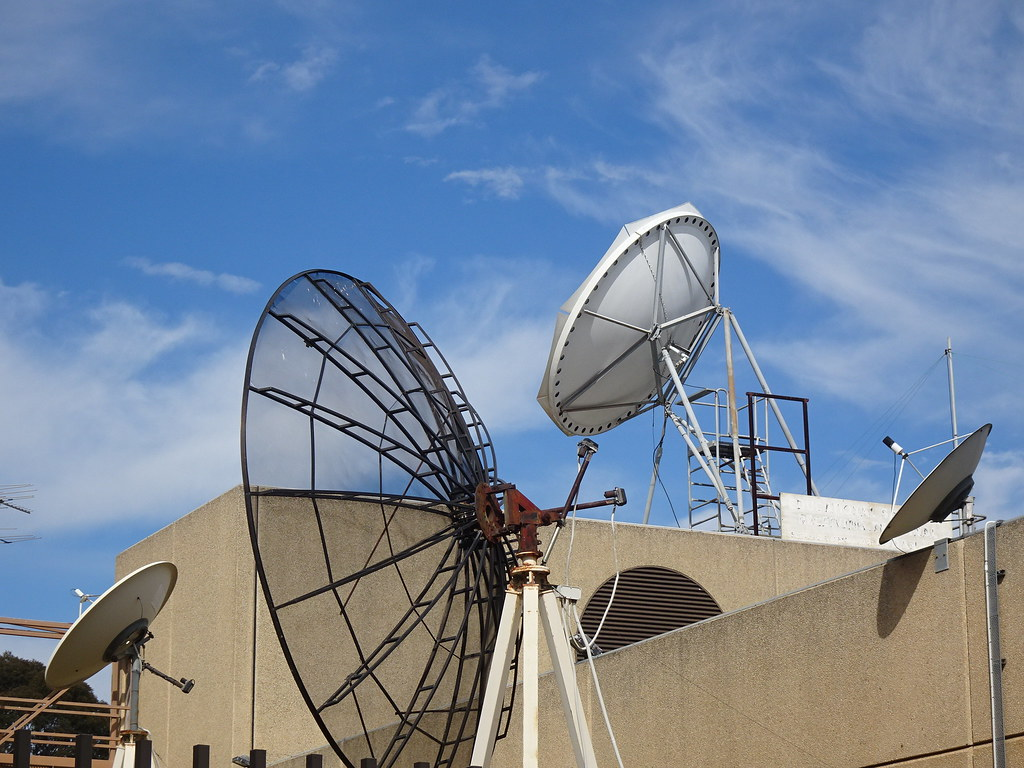
1. Largest Commercial Communications Array in LEO
BlueBird 6’s phased array antenna provides coverage across nearly 2,400 square feet, which is more than three times bigger than its preceding models, BlueBirds 1 through 5. The enormous size of this satellite enables coverage of well over 2,000 individual coverage cells with a data transfer speed of a staggering 120 Mbps directly from standard smartphones without any modification. This innovation is a paradigm shift in radio-frequency engineering in space.

2. Engineering & Manufacturing Excellence
The satellite has been integrated and tested at AST SpaceMobile’s vertically integrated production facility in Midland, Texas, with its global production network totaling 500,000 square feet. The company maintains an impressive 95% level of vertical integration. The BlueBird 6 comes with in-house-developed ASICs that support 10 gigahertz processing capacities—ten times more efficient than their predecessors—even though their complete integration would be initiated in early 2026.
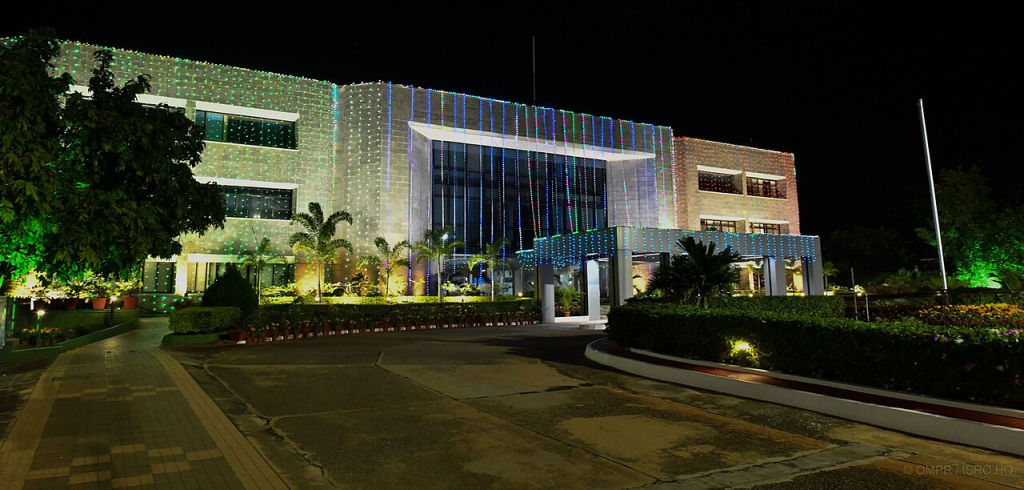
3. Heavy Lift Launch Milestone
This was historic for the Indian Space Research Organisation (ISRO), which called BlueBird 6 “the heaviest satellite ever lifted from Indian soil” with a weight of 6,100 kg. It also broke the record for commercial payload to LEO weight carried into space from Indian soil. This is one more testament to India’s ever-increasing presence in the commercial launch services market with an overall success rate of 100% with nine successful launchers in LVM3’s portfolio.

4. Direct-to-Device Connectivity
AST SpaceMobile’s network design does away with the requirement for any dedicated earth stations. With collaborations with mobile network operators (MNOs) and the use of their spectrum on earth, the satellites can be seen as virtual cell towers by the smartphones themselves. It allows for seamless voice, data, and video communications via the satellite network without any modifications, thanks to Nokia’s core network integration technology.
5. Global Partnerships and Market Access
AST has agreements with more than 50 MNOs, which account for close to 3 billion subscribers globally. Their strategic partnerships include AT&T, Verizon, Vodafone, Rakuten, Google, American Tower, Bell, and stc Group. AT&T signed a definitive business agreement, and Verizon’s $100 million investment doubles the potential for AST in the US market. Another partner, Vodafone, signed a ten-year deal and initiated a joint venture aimed at addressing sovereignty and spectrum in Europe.
6. Military & Government Uses
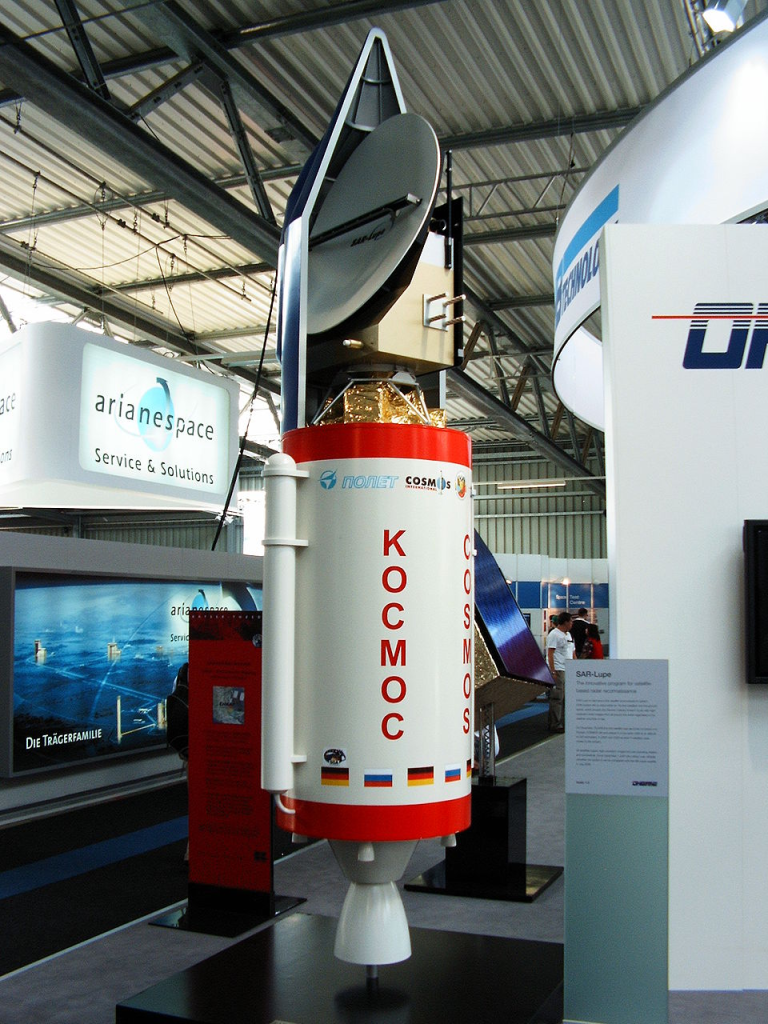
In addition to commercial broadband communications, BlueBird satellites are being tested for use in the defense and emergency response sectors. Their powerful transmitters with big apertures make them useful in applications such as radar image relay, missile tracking, assured PNT solutions, Blue Force tracking, or UAS command and control operations. In June 2025, AST showed a secure communications link using the TAK protocol in operations with the USINDOPACOM military using only routine smartphones. The BlueBird satellites are also about to support the U.S.’s “Golden Dome” missile defense program; AST currently has at least six defense contracts and is one of twenty approved vendors in the “Proliferated LEO Satellite-Based Services program.”
7. Cadence of Production & Deployment
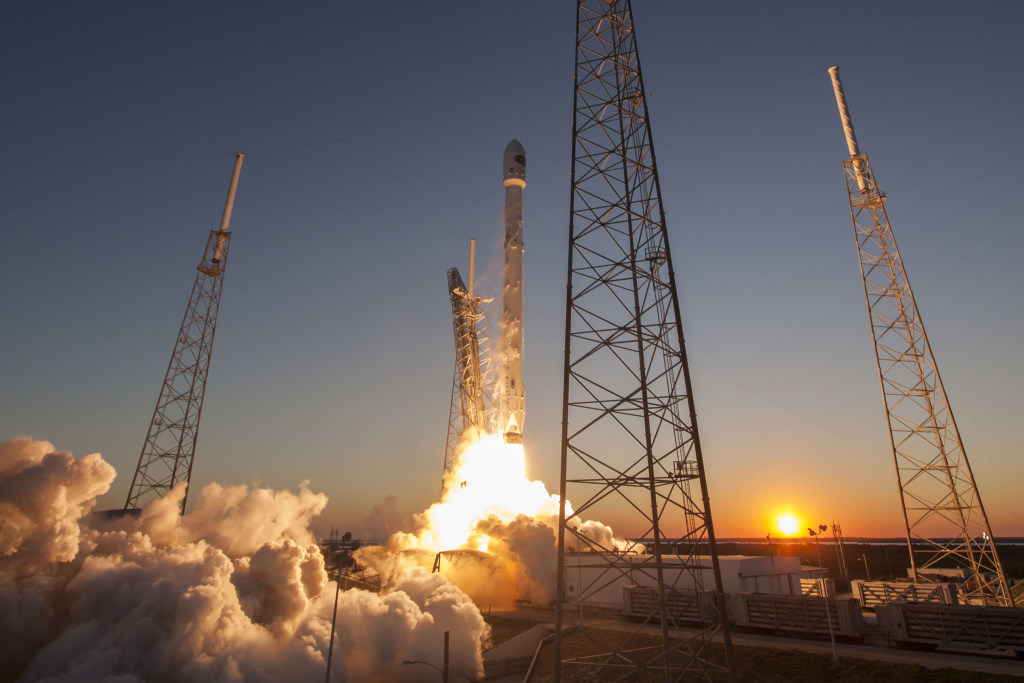
The current plan of AST is to send 45 to 60 satellites into orbit before the end of 2026, with a one to two-month interval between missions. Ramping up satellite production from two to six units a month is set to take place toward the end of 2025. Multiple companies will take part in blasting them into orbit utilizing Falcon 9 rockets with a capacity of up to three BlueBird satellites and eight for New Glenn rockets of Blue Origin.
8. Competitive Landscape
Though it does seem that the Starlink from SpaceX does have a major lead on the retail ground with more than 650 direct-to-cell satellites, it only offers basic text messaging services. The proposed solution from AST offers full 4G and 5G broadband connectivity, which will place the company as the sole rival within the direct-to-device industry. According to industry analysts, most operators would like a diverse supply chain.
9. Bridging the Gap in Connectivity
Almost 90% of the Earth’s surface has no cellular coverage, meaning that 3.4 billion people are not connected to the network via broadband. AST’s satellite network will serve to complement the ground network by filling dead zones and bringing connectivity to rural areas. With this approach, telecom service providers will be in a position to offer their subscribers universal connectivity via their current plans.
10. Revenue Potential from Specialized Markets
Revenue projections in the intermediate term for AST in the military and first responder markets globally are $2.4-$4.4 billion per year. The first responders in the United States market alone have the potential of generating $720 million per annum based on premium pricing and a 50% market adoption rate. International markets in defense and emergency services offer additional high-end market opportunities that include the future NATO SATCOM program.
The deployment of BlueBird 6 represents more than just an inaugural launch, but it is in fact the starting gun heard around the world in a high-speed race to cover the entire world with mobile broadband. For telecommunications experts, satellite experts, and investors, it is a sign of the maturity of direct-to-device LEO technology as a fully scalable and commercial infrastructure solution.


