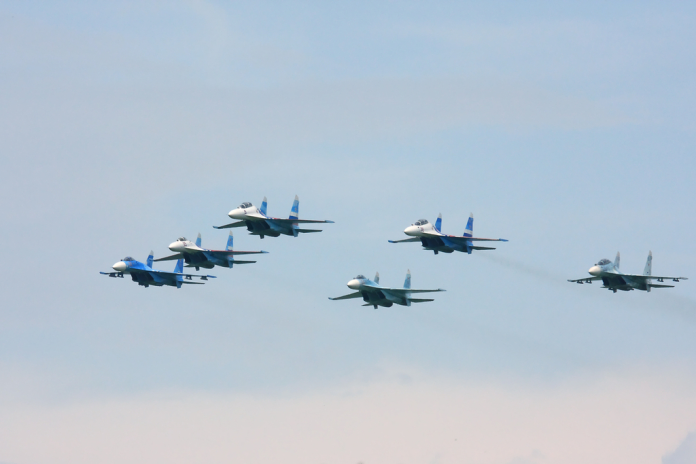

Russian military installations are no longer secure, even if they are located hundreds of miles from the front line,” comes the chilling message that is being conveyed from Ukraine’s recent blitz strikes and acts of sabotage. In recent days, the Ukrainian security services have ramped up their strikes aimed at Russian aircraft, submarines, and infrastructure to reduce Russia’s capacity to carry out a war effort inside Ukrainian cities and infrastructure.
Such a rise in the accuracy of attacks is only part of the strategy that Ukraine is adopting. By integrating the use of drones that have long ranges, underwater technologies, as well as partisan attacks, Ukraine is focusing on important assets that enable the attack capacity of Russian strikes. Starting with fighter planes equipped for attack missions to the use of submarines equipped with cruise missiles, every struck plane means that one less enemy is on the battlefield. Below are the nine aspects that highlight the magnitude of the attack strategy being pursued by Ukraine.

1.Sabotage at Lipetsk Air Base
One of the boldest actions taken this month was a sabotage attack at the Lipetsk Air Base, which lies deep inside Russia. Following two weeks of reconnaissance effort concerned with patrol routes and guard schedules, the attackers gained access and blew two Su-30SMs to kingdom come. With a combined price tag of as much as $100 million, the loss of these operational aircraft at the Lipetsk Air Base, which is home to Russia’s 4th State Air Personnel Preparation and Military Evaluation Center, comes as a significant set-back for Russia.
2. Strikes on Belbek Airfield
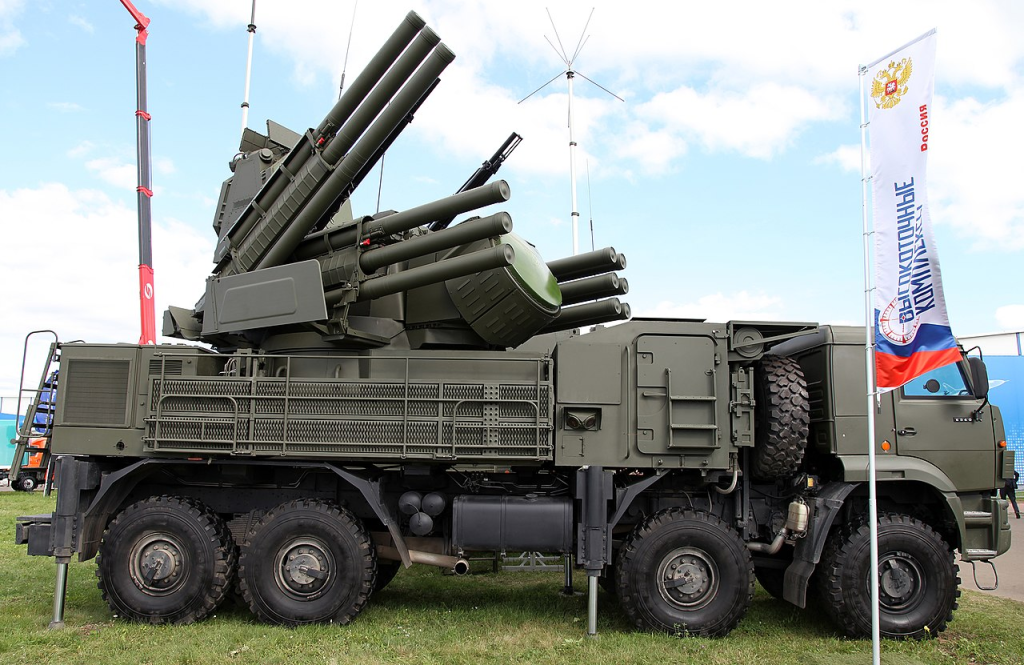
Belbek, an air base fortified by Russia in annexed Crimea, has already suffered attacks from the SBU Alpha Special Operations Center of Ukraine twice in a short period of time. The first attack, on December 18, damaged a MiG-31 fighter-interceptor, two NeboSVU radars, a 92N6 radar part of the S-400 complex, and the Pantsir-S2 air-defense system. Another attack eliminated two Su-27 fighters, with one being fully armed with munitions intended for an upcoming mission. The total damage of aircraft, valued at 70 million US dollars, affects Russian air command in the area due to damage inflicted on the control tower of the airbase.
3. Attrition of Crimea-Based Air Regiments
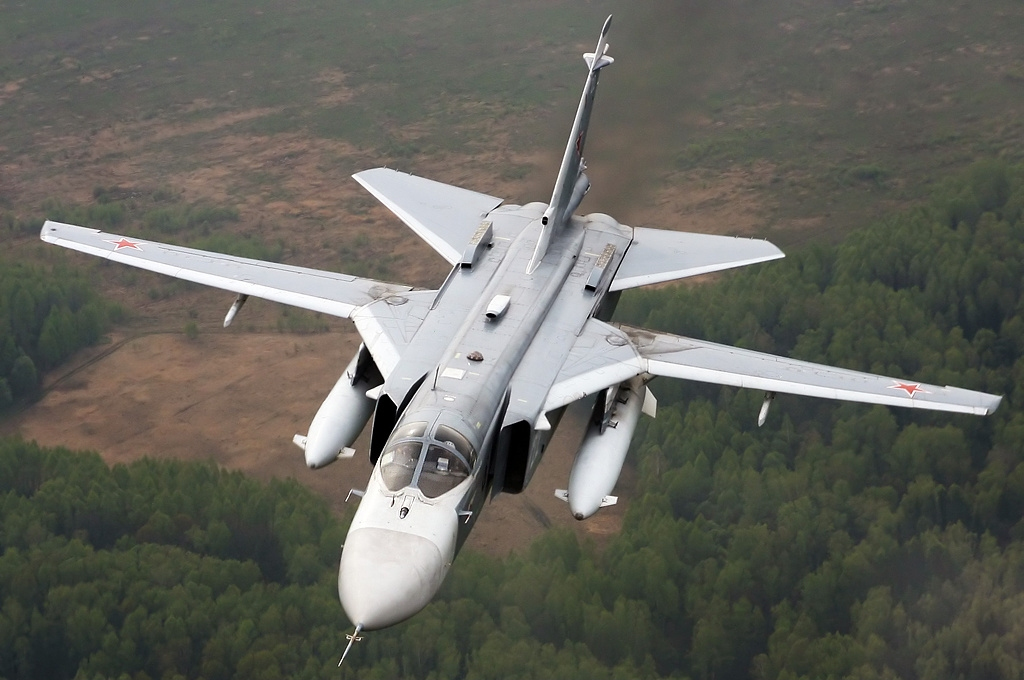
The UAV and sabotage operations conducted by Ukraine continue to weaken the fighter and bomber squadrons of Russia in the Black Sea region. A UAV attack at the Saky Airbase resulted in the destruction of a Su-24 bomber; this has further reduced the combat aircraft at the base to below fifty percent of what was available in 2022. Another act of sabotage at Kacha Airfield resulted in the damage of a MiG-29 at the same time.
4. Targeting Oil Infrastructure at Tamannefte
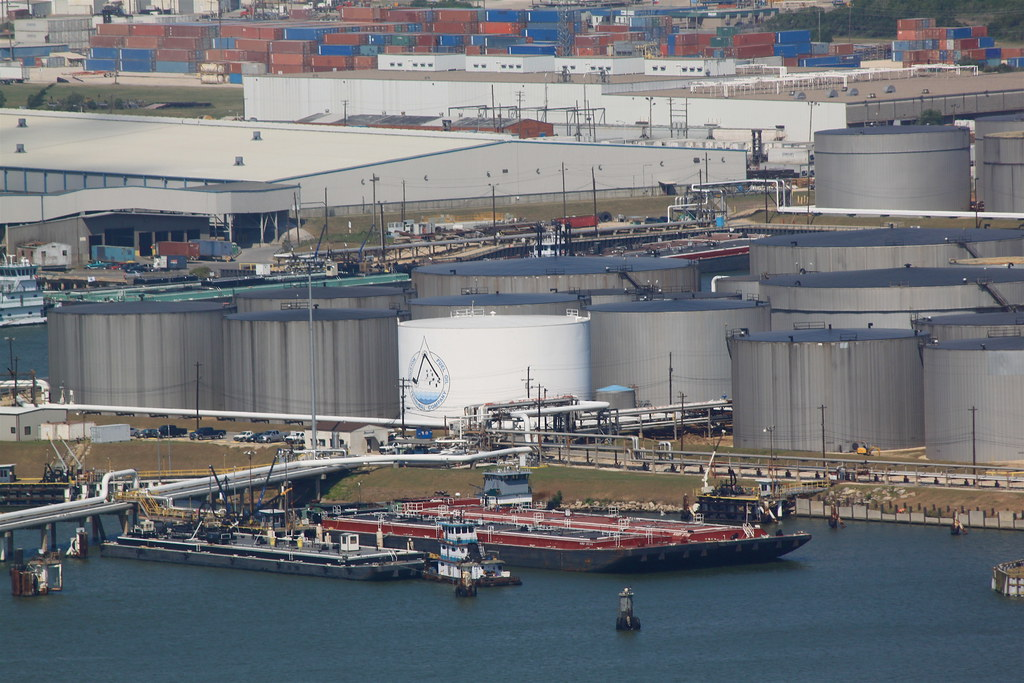
Kyiv launched its attack against the Tamanneftegaz oil terminal in Krasnodar Krai also on December 21. This facility is considered a very significant transportation point for crude oil and liquefied gas, boasting a tank farm exceeding 1 million cubic meters. For Kyiv, economic objects like these represent the support structure underlying Russian military activity.
5. Putting Russia’s Only Black Sea Il-38N Out
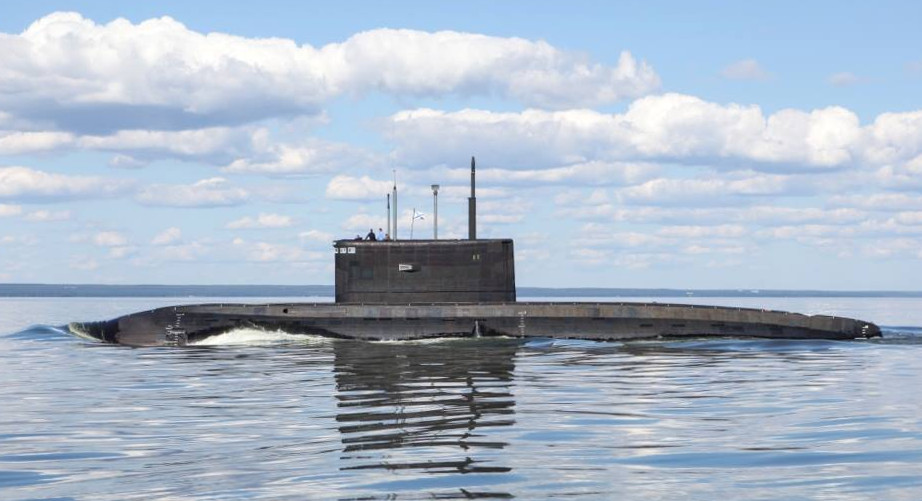
Prior to a submarine attack, the Ukrainian SBU employed a drone that carried an airburst warhead in striking Russia’s lone Il-38N “Sea Dragon” antisubmarine aircraft in the Black Sea operational zone. This $24 million asset had been actively monitoring Ukrainian drones. Suppressing their radars and their engine was key in allowing the subsequent attack by an underwater drone on a Russian Kilo-class sub.
6. Historic Underwater Drone Strike on B-271 Kolp
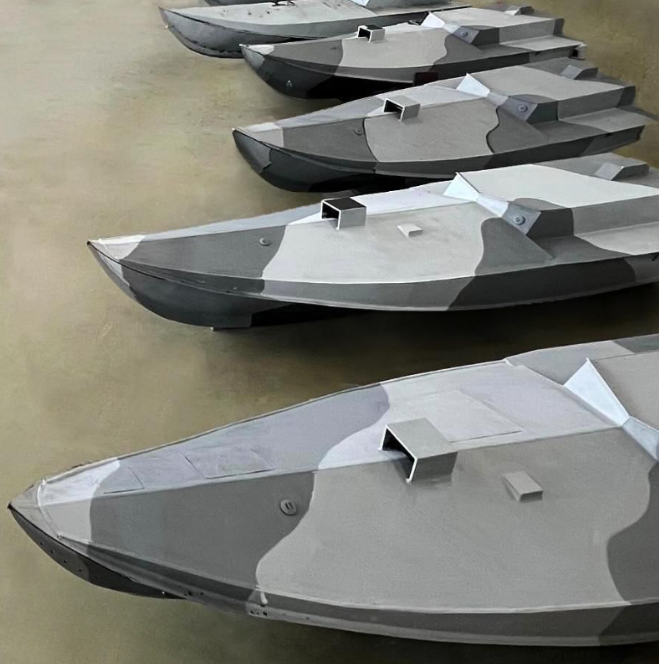
The Ukraine’s Sub Sea Baby unmanned underwater vehicle breached the multi-layered defense system at Novorossiysk and struck the B-271 Kolpino, which belonged to the Kilo class of submarines and had been converted to launch Kalibr missiles. This is the first time an unmanned underwater vehicle had sabotaged a submarine and reflected the maturity of Ukraine’s unmanned maritime striking capability.
7. Eroding the Black Sea Fleet
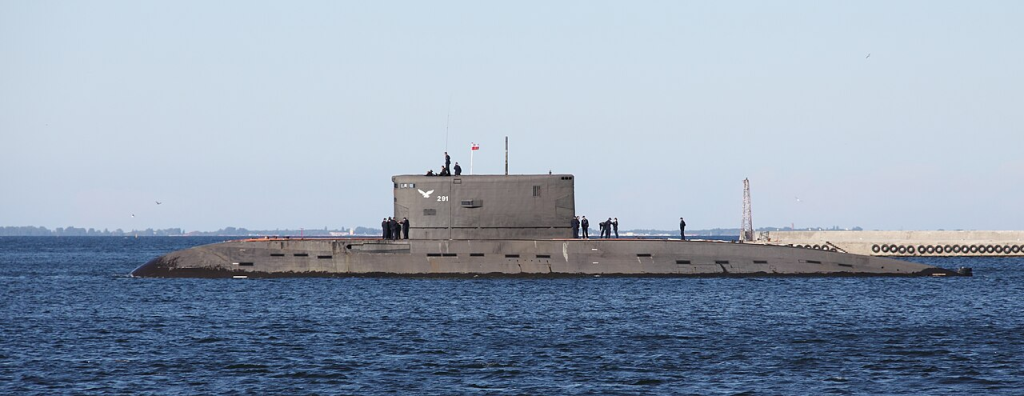
Kolpino is a new addition to a list of over 20 lost Russian naval vessels since the outburst of war, which also comprises the cruiser Moskva and another Kilo-class submarine: Rostov-on-Don. With Kolpino and other warships that Ukraine has forced Russia to deploy elsewhere and disperse in order to evade defeat, a new naval environment is unfolding in Crimea and elsewhere in the Black Sea. Another damaged vessel comprises patrol ships of a value of $65 million called Sergey Kotov that has been destroyed by Group 13’s “flock.”
8. Long-Range Drone Range
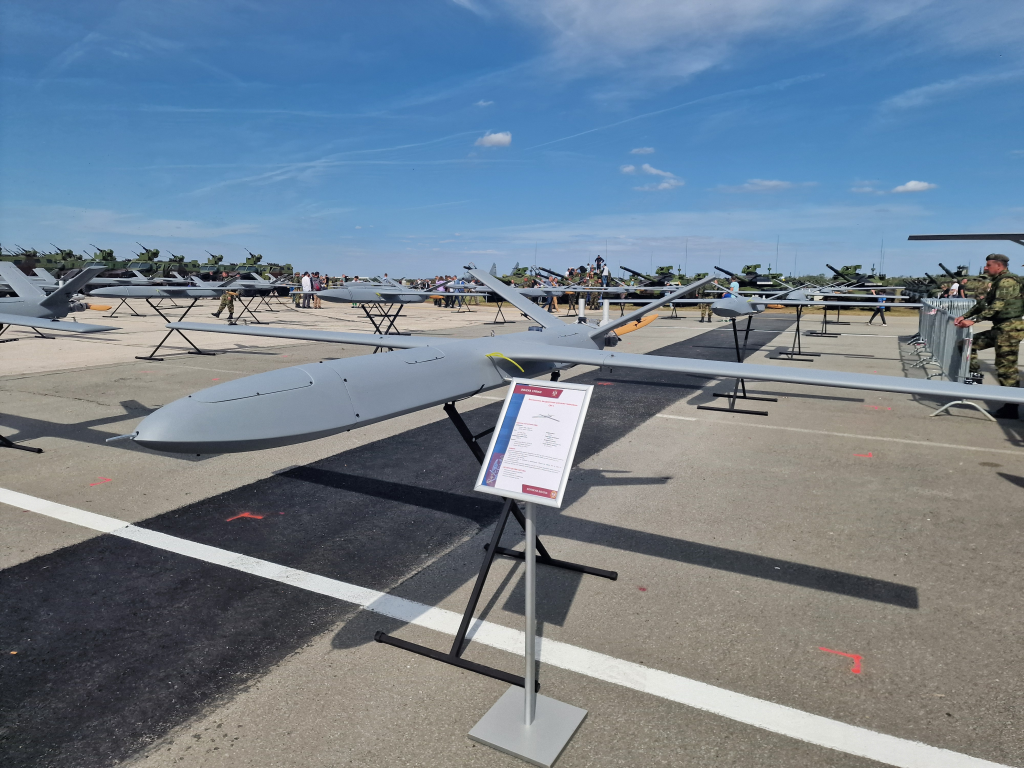
Today, Ukraine’s aerial drones have been accurate enough to strike a target that is 600 miles away, bombing fuel depots, logistic camps, as well as tankers in the Mediterranean. The Beaver kamikaze drone, weighing 200 pounds, is a good example of this. Such long-range attacks make it necessary for Russia to transport critical infrastructure further away from the front lines.
9. Strategic Timing Before Christmas
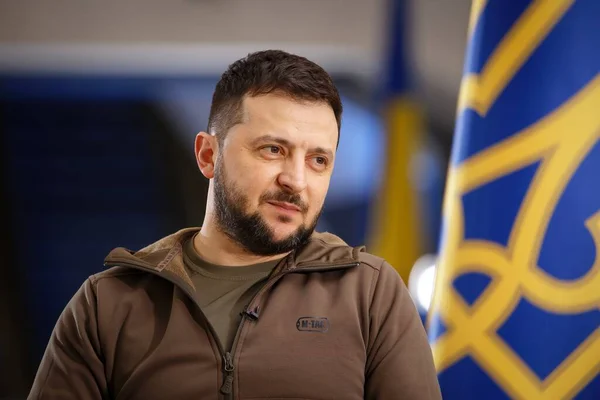
Ukrainian President Volodymyr Zelensky has mentioned possible massive strikes from Russia around Christmas due to a lack of Ukrainian defense systems in the air. He has asked for intensified activities from Ukrainian intelligence services from December 23-25. Such intensification of operations is in conjunction with the extended operations from Ukraine, indicating that deep strikes are not only attacks but also a form of deterrent at times of increased aggression from Russia. The latest operations in Ukraine have a multi-domain strategy that mixes sabotage, precision strikes using drones, as well as economic strikes designed to reduce the capabilities of the Russian military machine.
These strikes are pushing the Russians to rethink their approach to base defense, logistics, and defense in general,” a defense expert stated in an effort to explain the nature of the events occurring in Ukraine. The strikes in Ukraine have become crucial in highlighting “vulnerabilities in Russian force protection, but also a clear escalation of Ukraine’s capabilities in terms of its use of drones and its covert operations.”


