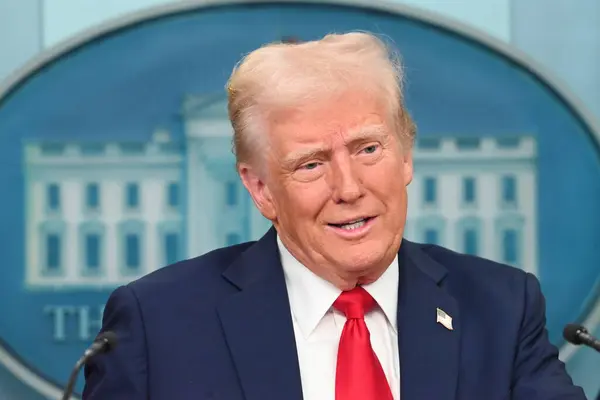
Battleships are back and bigger than ever. Such is the rallying cry that marks a turning point in a program initiated by U.S. President Donald Trump and which will be remembered in history as one of the most ambitious naval projects ever: dubbed The Golden Fleet. This ambitious program was set in train by Trump at his resort retreat in Mar-a-Lago and involves the highest level of U.S. defense chiefs and includes gigantic battleships to be equipped with a full range of attacking weaponry including hypersonic missiles, electromagnetic rail guns, so-called directed energy lasers, as well as nuclear-tipped cruise missiles, However, behind the more sensational narrative of the Golden Fleet is yet another story of industrial resurgence, collaboration, and signaling.
It is here that South Korea s Hanwha Ocean is to have an important role to play with significant investments being made into the modernization of American shipyard infrastructure through MASGA, which stands for Make American Shipbuilding Great Again. Already, questions are being asked with respect to its scope, cost, and aim by military analysts with relation to this project s survivability and relevance to existing strategy. This listicle will break down the nine most interesting details about the Golden Fleet concept, from the specifications about the Trump class of battleships to the details about involvement with South Koreans with regard to U.S. maritime initiatives.
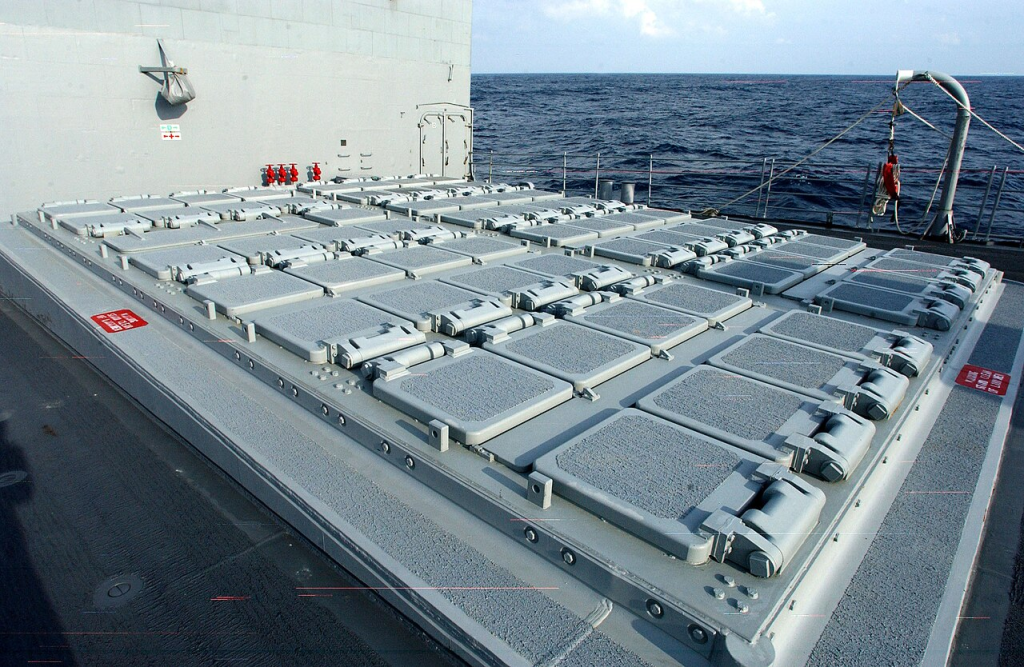
1. Trump-Class Battleships: Largest since WWII
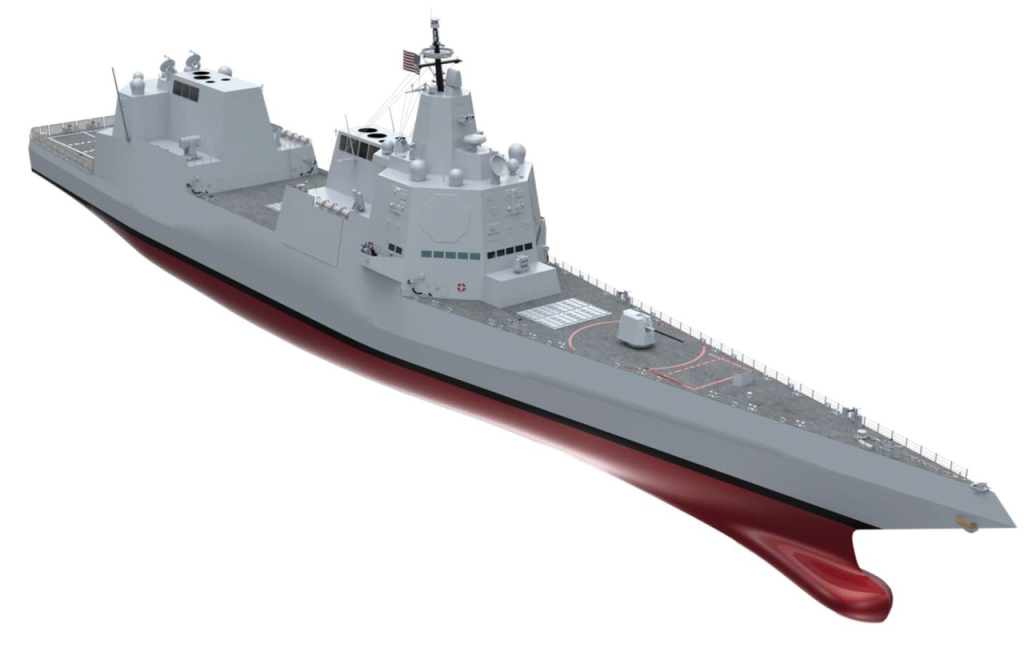
The new Trump class of battleships, or BBG(X) in Navy terminology, are reportedly going to be 35,000-40,000 ton ships that will be the largest surface vessel in operation for the United States since the Iowa-class battleships used in World War II. The ships are going to be 840-880 ft long with a 115-foot beam and have speeds in excess of 30 knots. The new Trump class of battleships will have 128 Mk 41 VLS Missiles, 12-cell launcher for the Intermediate-Range Conventional Prompt Strike Hypersonic Missiles, and 32-MJ Electromagnetic Railguns. There will also be directed energy lasers in the 300-600 kW power level.
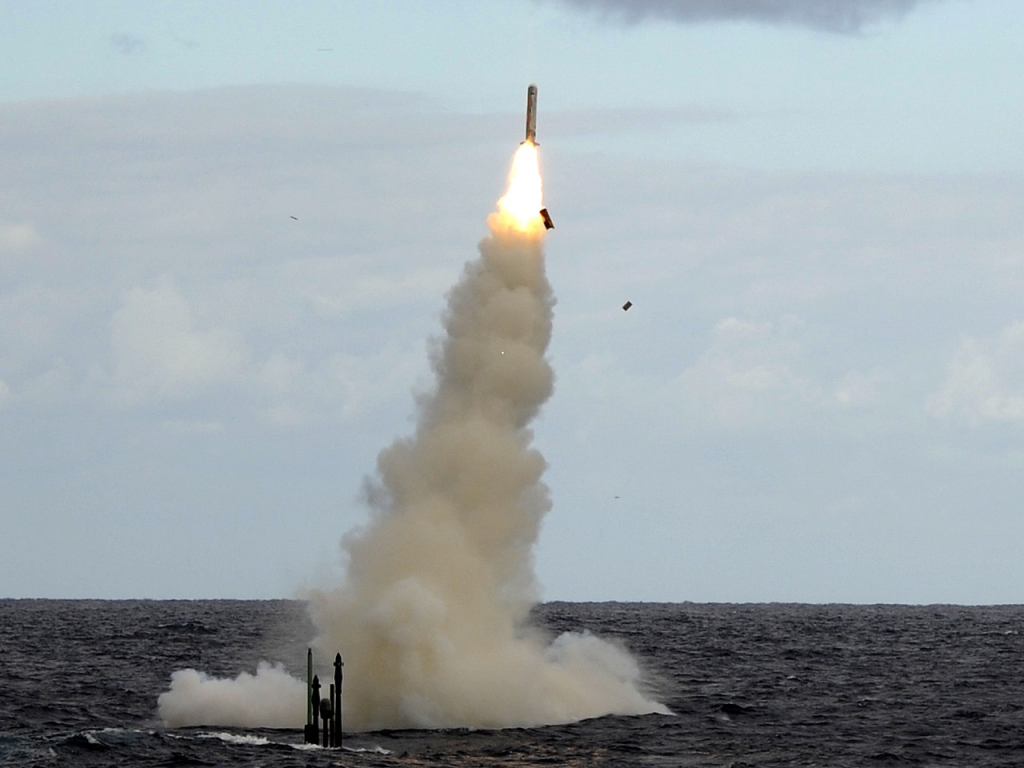
2. Firepower Diversity: Hypersonics and Nuclear Cruise Missiles
The BBG(X) will be designed to carry a complement of conventional and nuclear-armed missiles that include a nuclear-armed Sea-Launched Cruise Missile (SLCM-N) that was reinstated back into service through a Congressional reversal of a plan to eliminate it. The complement of hypersonic strike missiles, rail guns, and lasers is designed to represent overwhelming ranged firepower capabilities. As explained by John Phelan of the US Navy, these weapons represent the biggest guns of our time that can not only intercept but destroy launchers.
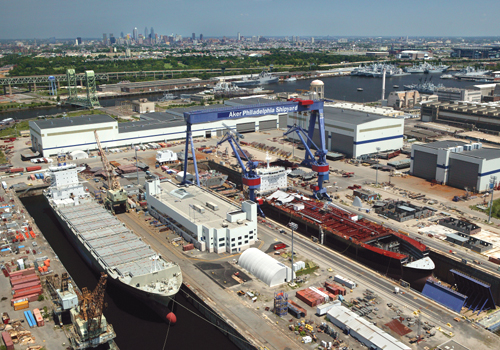
3. Investment in Hanwha Ocean s Philadelphia Shipyard
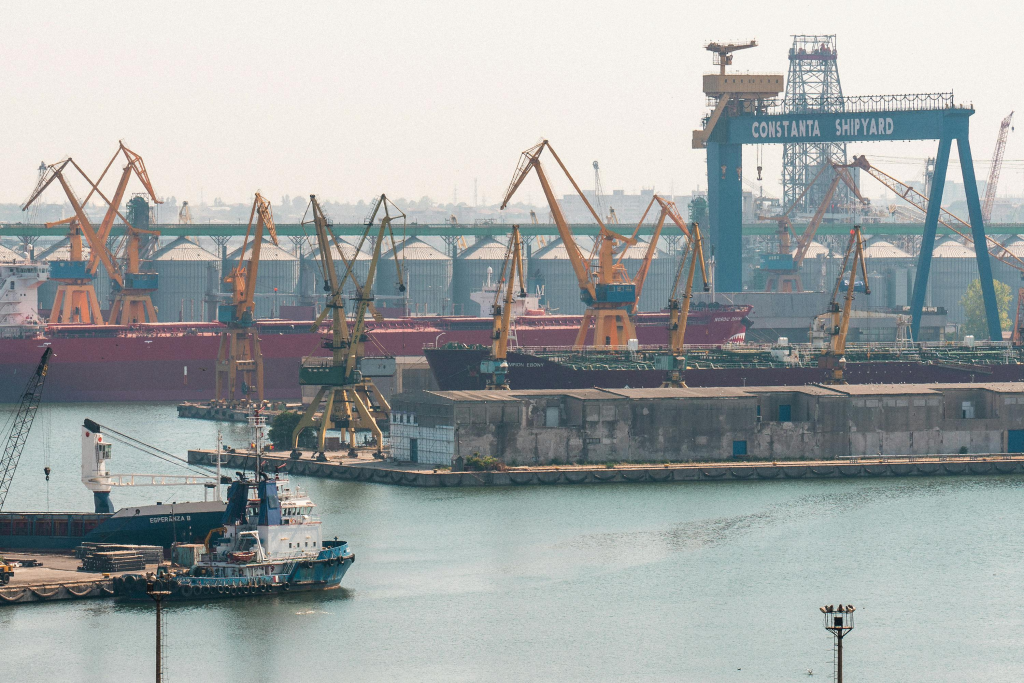
South Korean Hanwha Ocean invested more than $5 billion in the Philadelphia Shipyard, which was closed for a long time before it was bought in 2024 as part of the MASGA Shipbuilding deal worth $150 billion. Trump declared, Hanwha is a great company, and the Philadelphia Shipyard will be a place where US-ROK collaboration on the sea military is accomplished.
4. MASGA: Make American Shipbuilding Great Again
MASGA stands for a scheme of industrial revival and has a bilateral nature since South Korea plans to inject this investment of $150 billion into the US shipbuilding industry, along with a reduction in tariff rates from 25% to 15%. It is observed that analysts see the development of MASGA as a positive factor that will accelerate the production of military ships in the USA.
5. Strategic Shift Away from DDG(X)
The BBG(X) is an evolution of the former DDG(X) program in that it will use former designs but enlarge the displacement of the new design by 100%, leveraging Trump s preference for fewer, bigger, and better ships to support his vision of combat at sea in opposition to the distributed operations vision of the USN.
6. Cost Projections and Industrial Constraints
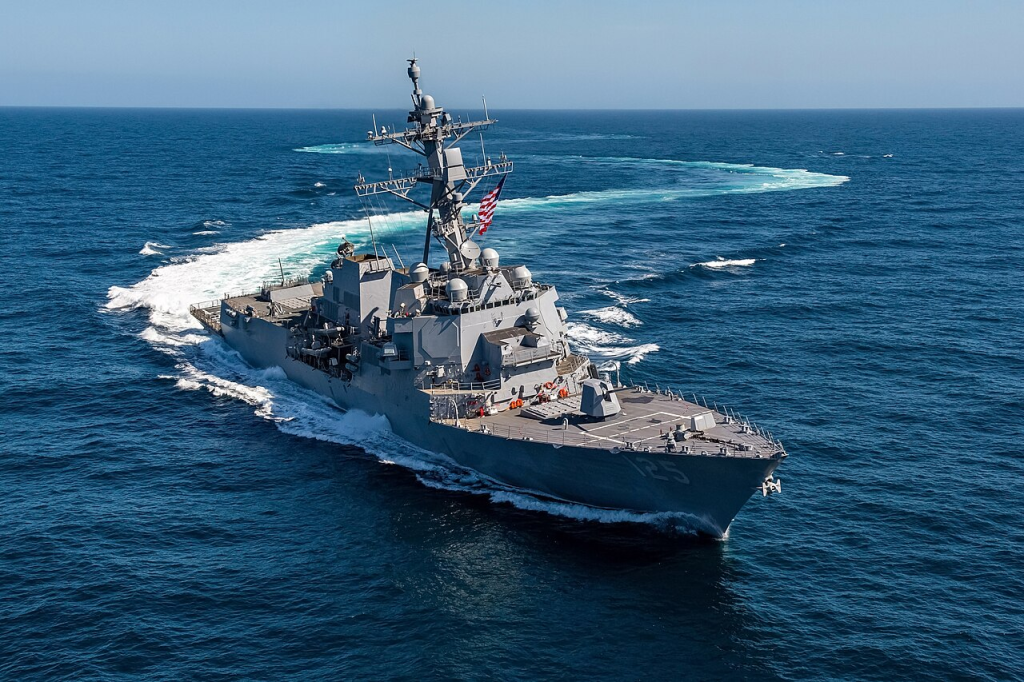
The unit cost of the Trump class has been put between 10 to 15 billion dollars, and the cost of the lead ships may exceed 13 billion dollars. These costs are of the same order as that of the aircraft carrier and the aspect of affordability is bound to remain in focus. Once again, the sole sourcing of the contract to Bath Iron Works and Huntington Ingalls Industries indicates that there is hardly any capacity in the United States for building large displacement ships.
7. South Korean Nuclear-Powered Submarine Plan
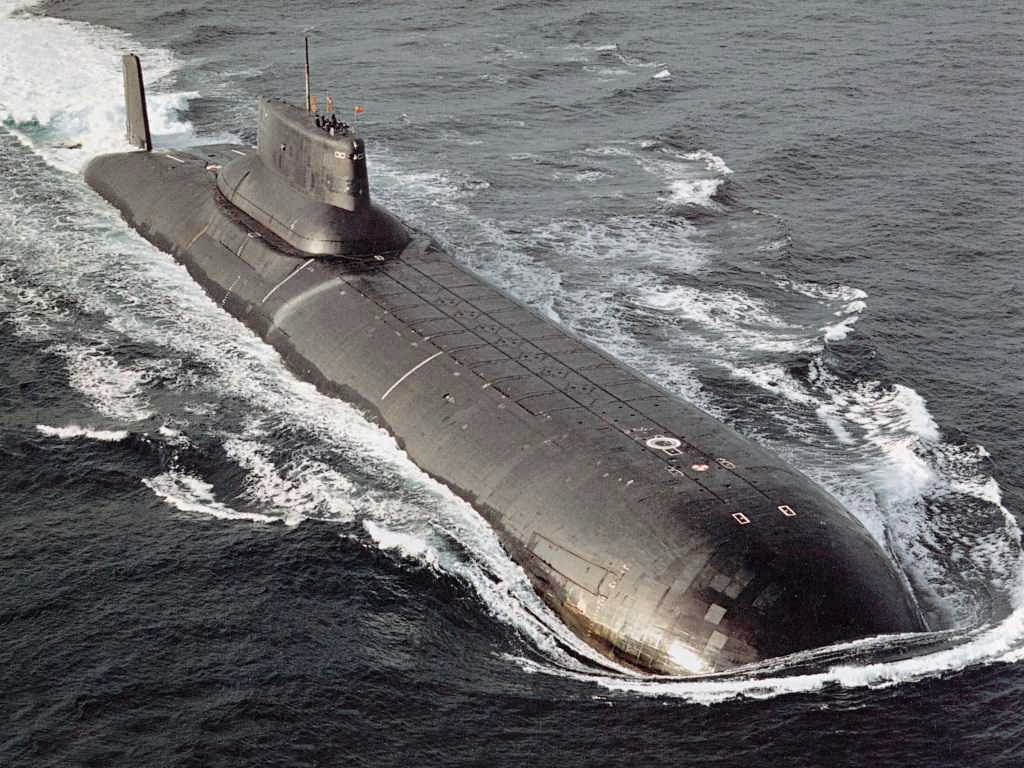
Trump has indicated his readiness for South Korea to proceed with the project of building nuclear-powered submarines, which would imply that South Korea would be the seventh country with SSNs. This will be very handy for South Korea in deterrence against North Korea and also in having access to US submarines for use in other realms. However, challenges exist in technology transfer and assembling them in Philadelphia.
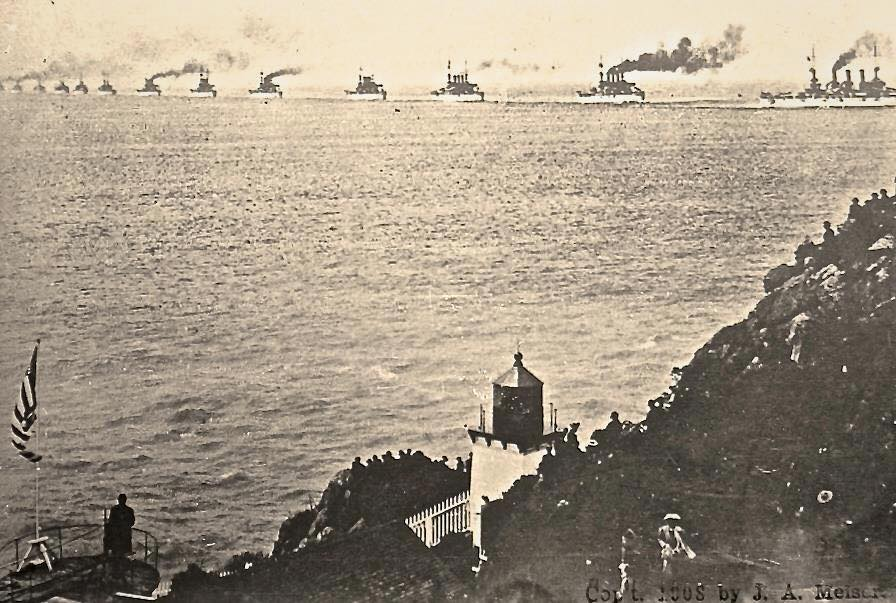
8. Geopolitics and Messaging: The Legacies of the Great White Fleet
Trump made connections between the Golden Fleet and the Great White Fleet under Theodore Roosevelt s administration, which made an appearance as a demonstration of U.S. military power around the globe. The project is definitely a response to Chinese actions in the Indo-Pacific, but Trump says this is all part of a counter to everybody. The engagement of the allied industrial countries is one way to relay this information, but consequences could come through economic retaliations by China in the form of Zapad exercises.
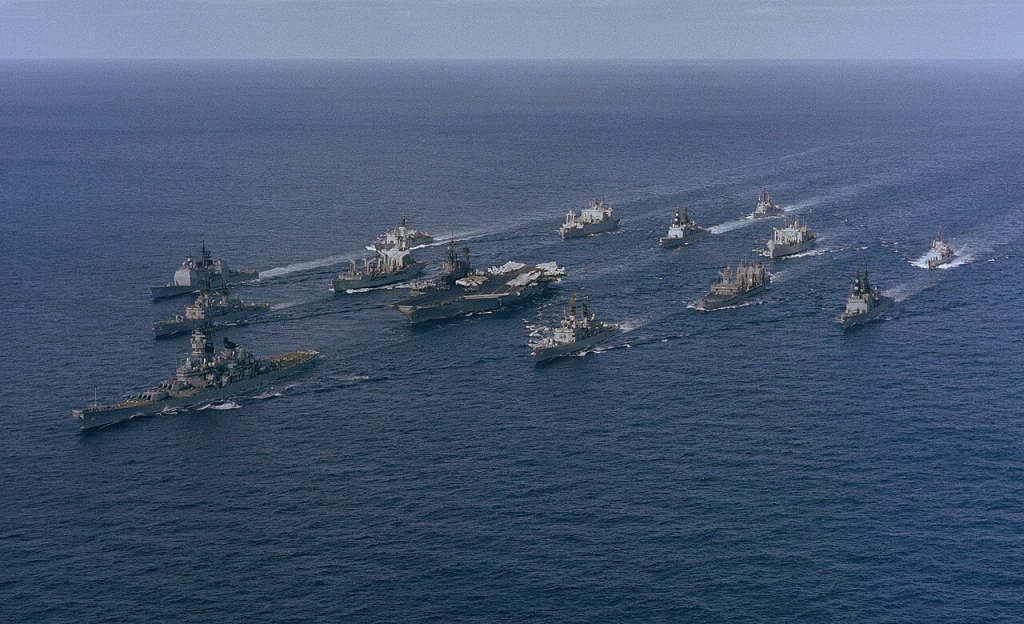
9. Integration of Smaller Combatants and Unmanned Vessels
However, the Golden Fleet is not all about battleships. A new class of frigates will be constructed that is modeled upon the Legend class cutter utilized by the Coast Guard, although smaller drones and corvettes will be included to support the capital ships. Hence, the plan is to develop an offset strategy that will give the fleet the flexibility to execute tasks in either contested or non-contested spaces. In this regard, this will not be an easy undertaking since the new ships will have to operate in a coordinated manner. Additionally, the Golden Fleet represents both a positive stride in technology and a risk with strategic overtones.
As far as a display of strategic ambitions and scope, it has all the makings of a bygone era of naval power, and whether it succeeds will depend upon it aligning with the continually emerging body of naval thought. As a observer of strategic issues regarding the military, the meaning of the Golden Fleet will be a barometer of allied industry and strategic ambitions capacity to achieve superiority at sea in an ever-changing strategic context.


