
Top generals’ death in a major urban area during a time of peace becomes an expected norm. However, Moscow alone has witnessed three incidents of this nature in a span of over a year, each of them meticulously planned and each with globally significant implications. The latest attack comes in the form of a car bomb that resulted in the death of Lt. Gen. Fanil Sarvarov.
Sarvarov’s death is anything but an isolated event. It is part of a larger pattern of targeted attacks against senior military leaders in Russia, which combine battlefield and urban assassination strategies. Such attacks cause a blurring of the traditional division between frontline engagement and deep penetration actions and thus make both sides reconsider security arrangements well away from active fighting.
The following are some of the most interesting elements related to the elimination of Sarvarov and its setting in terms of its operational and historical contexts.
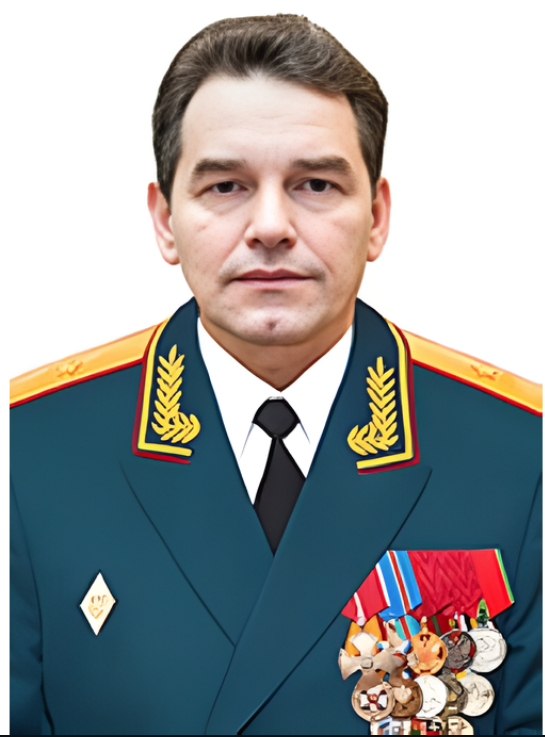
1. The Blast That Ended Sarvarov’s Career
Lt. Gen. Fanil Sarvarov, aged 56 and the head of the Operational Training Directorate of the Russian General Staff, was killed when an explosive device detonated under his Kia Sorento sedan on Yaseneva Street in southern Moscow. It was found that the bomb was located near the driver’s seat and was triggered as soon as the engine started. However, he could not be saved after his hospitalization. A criminal investigation was started by the Investigation Committee, with a claim that possibly the Ukrainian special services might be behind the attack.
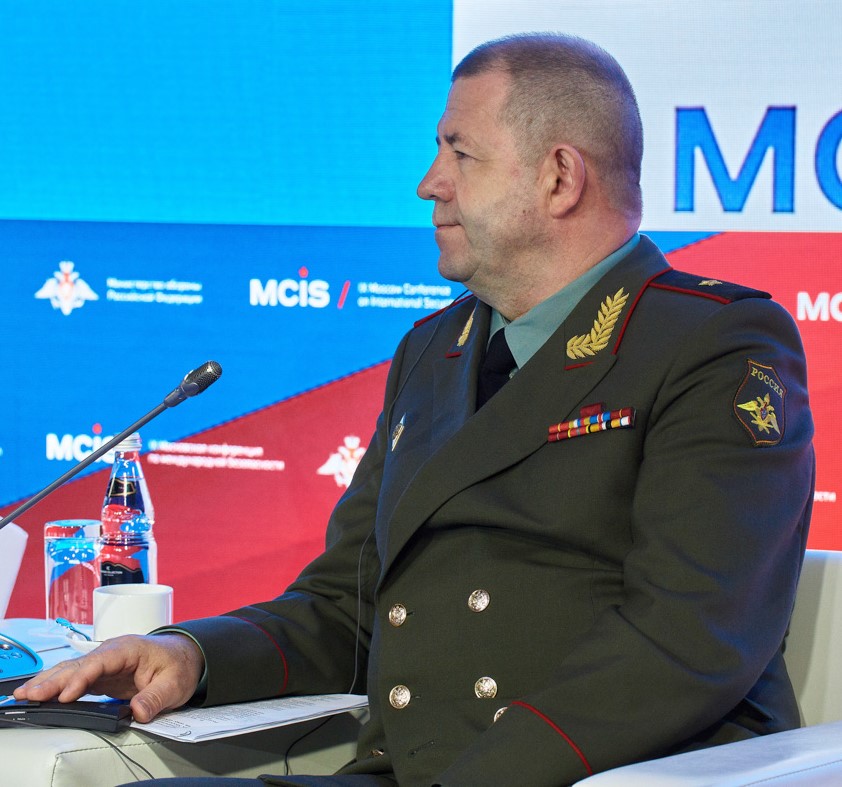
2. A Pattern of Urban Military Assassinations
The assassination is the third death of a high-ranking Russian general within the past year and a half. In April, Lt. Gen. Yaroslav Moskalik died after a device planted inside his car erupted outside his apartment complex. In December 2024, Lt. Gen. Igor Kirillov was killed when a bomb planted inside an electric scooter detonated. These acts demonstrate a pattern aimed at the upper ranks of the Russian military command within the capital region.

3. Kirillov’s Scooter Bomb and Legal Debate
Kirillov’s death received unprecedented legal attention in connection with his assassination. As assessed by professor of international law Michael N. Schmitt, the operation could presumably be considered lawful in international law of armed conflict since Kirillov was a combatant. The device was of the type defined as “other device” in Amended Protocol II to Convention on Conventional Weapons and was set to explode remotely in order to avoid civilian deaths. According to Ukrainian law-enforcement authorities, an Uzbek national received $100,000 from Ukrainian intelligence to conduct the attack; this relates to undefined law of outlawry.

4. Ukraine’s Hidden Influence Within Russia
Since February 2022, there have been accusations by the government of Kyiv of carrying out “targeted assassinations” inside Russia. While some of these actions have been confessed and included Kirillov’s killing, as stated by a Ukrainian intelligence person: “Revenge in respect to the guilty of international crimes is inevitable.” Sarvarov’s killing, even though it was not publicly claimed by Ukraine, has all the hallmarks of the previous operations it has been responsible for: precise and high-value targeting in order to undermine the Russian army’s chain of command and create a psychological shock.

5. Immediate Political Impact
Kremlin spokesman Dmitry Peskov has confirmed that President Vladimir Putin was personally informed about the death of Sarvarov. The career of Sarvarov was marked by his participation in combat in Chechnya, the conflict in the regions of Ossetia and Ingushetia, apart from fighting in Syria. The death of this operational planner in Russia’s military can influence preparations in Russia’s front lines in Ukraine in terms of slow gains.

6. Secondary Blast near the Scene
Only two days after the death of Sarvarov, a bomb exploded in the same district, killing two police officers and another person who came close to a suspicious individual. While there is no official confirmation from the Investigative Committee about whether these two explosions are related, it is very possible that they may be.
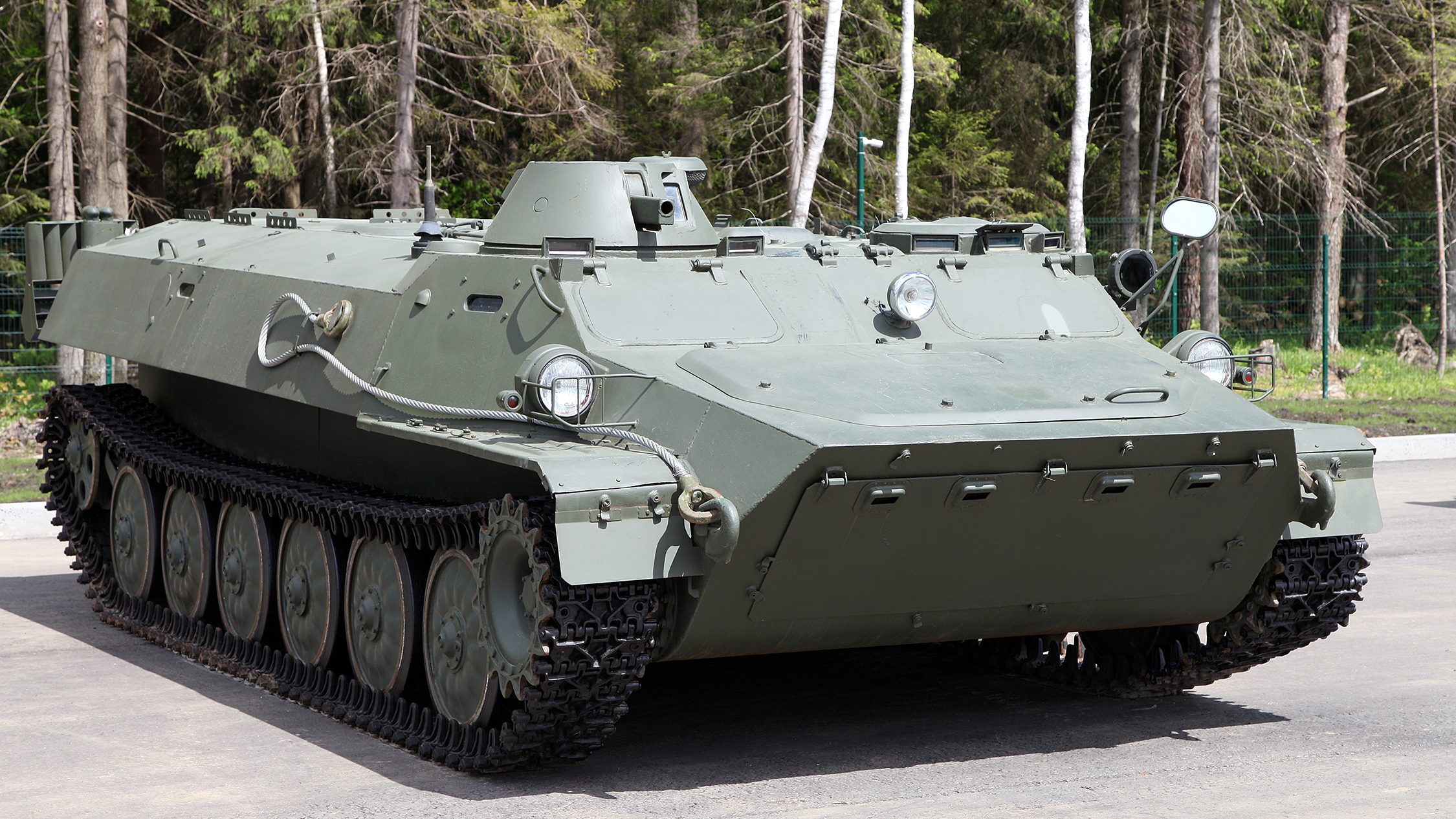
7. Battlefield Use of VBIEDs
However, while the Russians have to deal with car bombs on their streets, Russia is using vehicle-borne improvised explosive devices on the Ukrainian front. The old T-54/55 tanks, along with the MT-LB armored carriers, have been filled with six tons of TNT explosives, aimed at attacking Ukrainian positions. Some of these devices are now equipped with FPV drones, providing distant vision, inching closer to autonomy.
8. Historical Precedents in Kremlin Killings
The list of prominent murders in which Russian politics or military rivalry are implicated grows with Sarvarov’s killing, which spans from nerve agent murders to shootings in plain sight of the Kremlin. Deaths such as Nemtsov’s or Politkovskaya’s prove that Moscow has long been a destination where politically motivated fatal operations have been carried out, whether at home or abroad.
9. Strategic Messaging via Targeted Killings
Targeting generals within Russia itself has various effects: it deprives Russia of its best leaders and also weakens Russia’s morale as it knows that it can be attacked even within its boundaries. For the side of Ukraine, it might force Russia to guard against threats coming from within its borders as well. For Russia’s side, it enables it to project the crisis it is in as a result of the conflict and therefore requires it to work extra hard in its intelligence activities to prevent any threats as well.
Sarvarov’s death is simply a headline in the Russia-Ukraine war, but it is also a lesson in how modern conflicts have extended beyond traditional war zones. The intersection of urban terrorism and VBIED improvements, with a dash of historical context, provides a frightening glimpse into a frightening future that could see any number of high-profile targets hit regardless of their location.


