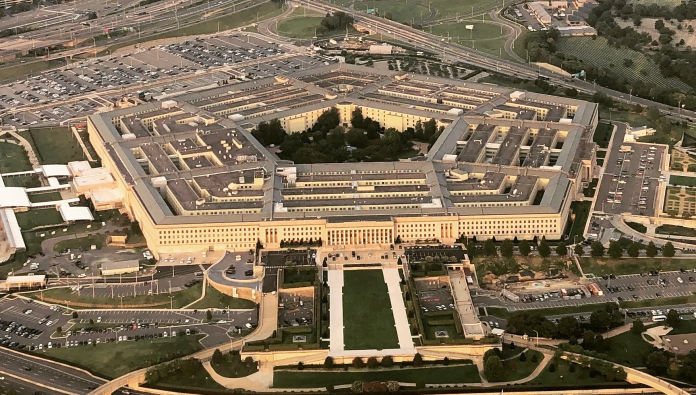
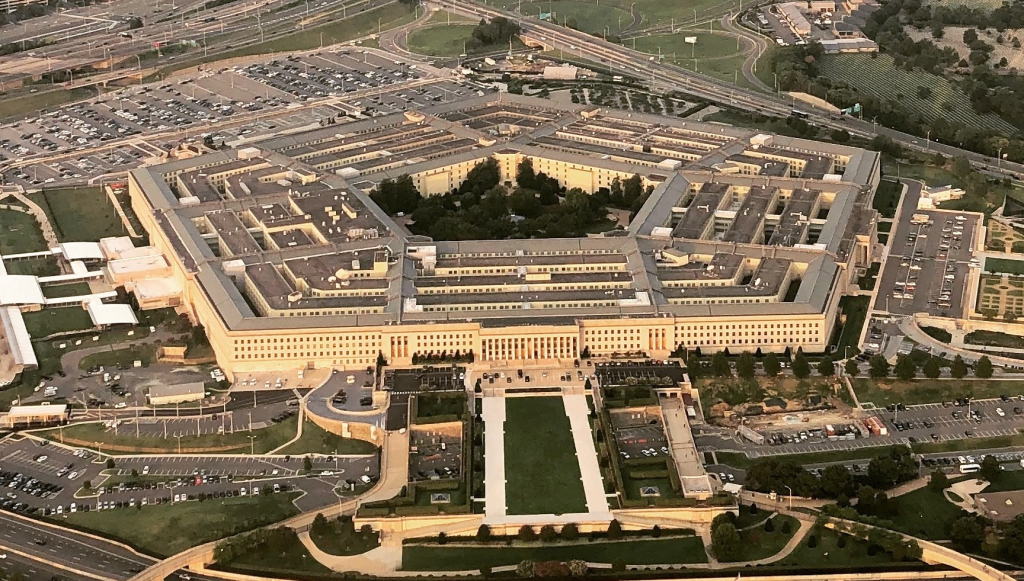
This announcement was made with limited fanfare but profound strategic significance. The U.S. Department of Defense confirmed multi-billion dollar contracts with both Lockheed Martin and Boeing, which marks a significant commitment to military aviation modernization efforts. Far more than simply acquiring planes and engines, these transactions are part of a larger commitment to address readiness gaps, extend the life of existing assets, and support alliances on several continents. In a period of history in which the U.S. Air Force has been presented with its smallest force in history and also the oldest, such contracts are not mere purchase endeavors but rather life-savers.
This comes against the backdrop of a slowly modernizing force, coupled with a rise in threats from China and Russia. To a defense expert or a military strategist, such contracts are an opportunity as well as a challenge in maintaining American dominance in the skies. Starting from the expansion of the C-130J’s operational reach around the world to the B-52’s complicated engine replacement program, every factor within both contracts indicates a strategy to strike a balance between short-term and long-term requirements. Below are nine critical components to focus on.
1. Contract Extension for the C-130J Aircraft
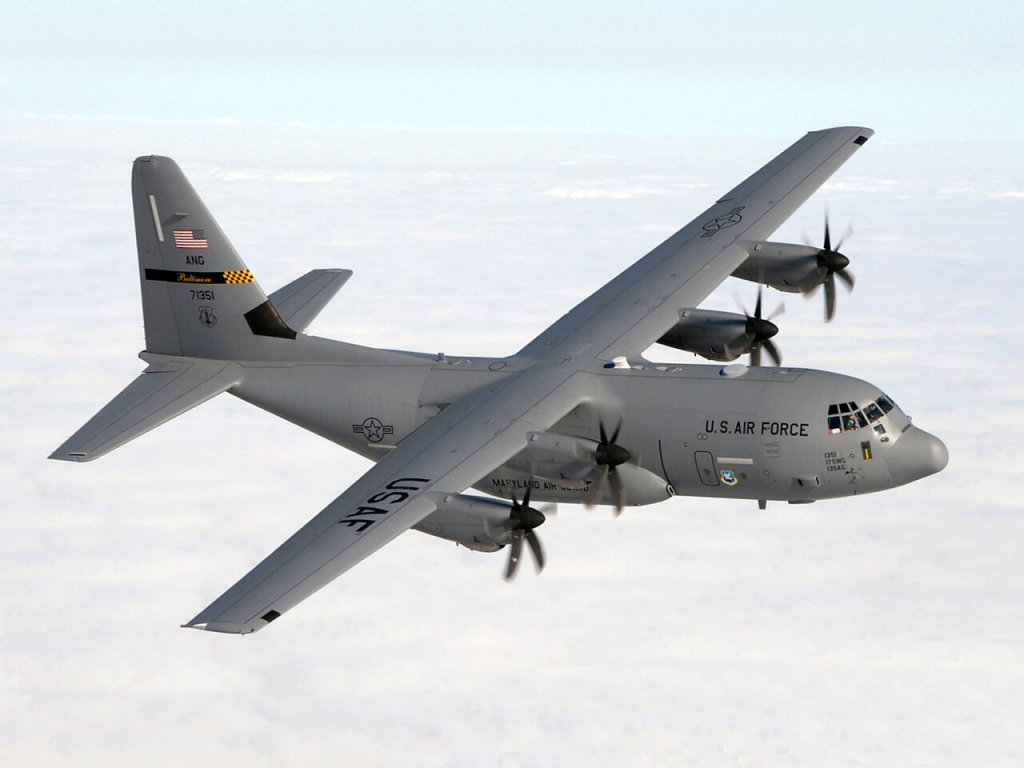
The Pentagon raised the Lockheed Martin C-130J procurement cap from $15 billion to $25 billion. It includes contracts for supply chinook helicopters, development, and engineering services. The supply chinook helicopters will be delivered to the US allies Egypt, Australia, New Zealand, France, Philippines, Norway, and Germany. This development marks a significant addition to the aircraft’s functioning as a tactical transport aircraft that can perform its duties in harsh environments. In expanding the contract’s terms, the U.S. is essentially making sure that the allied navies are kept compatible with their own military units. The C-130J’s avionics suite, better fuel efficiency, and increased carrying capacity ensure that it plays an integral role in coalition activities, especially in areas which require forward basing.

2. Boeing’s $2 Billion B-52 Engine Replacement
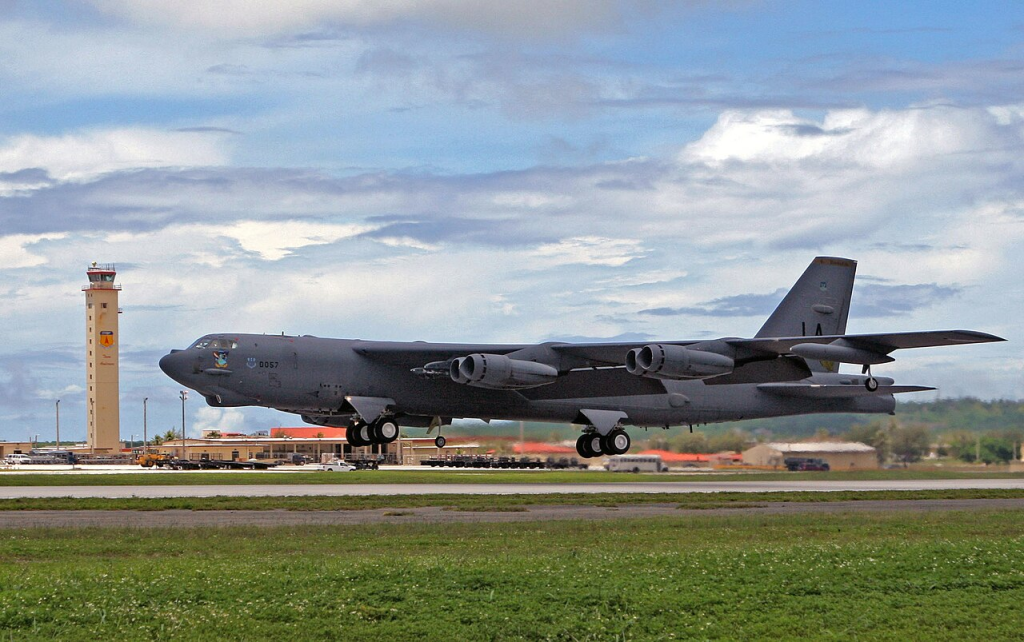
Boeing has obtained about 2 billion dollars under the Commercial Engine Replacement Program (CERP) contract related to the B-52H Stratofortress aircraft. The program involves the replacement of eight Pratt & Whitney TF33 engines with Rolls-Royce F130 engines, as well as struts and cockpit display equipment for the aircraft that will keep this bomber relevant until the 2050s. The plan has encountered setbacks partly in terms of delay, with the Government Accountability Office noting that problems with inlet redesign have caused critical design review to occur three years later than expected. Notwithstanding this challenge, initial operational capability is still envisioned in 2033.
3. Readiness Crisis Driving Modernization Urgency
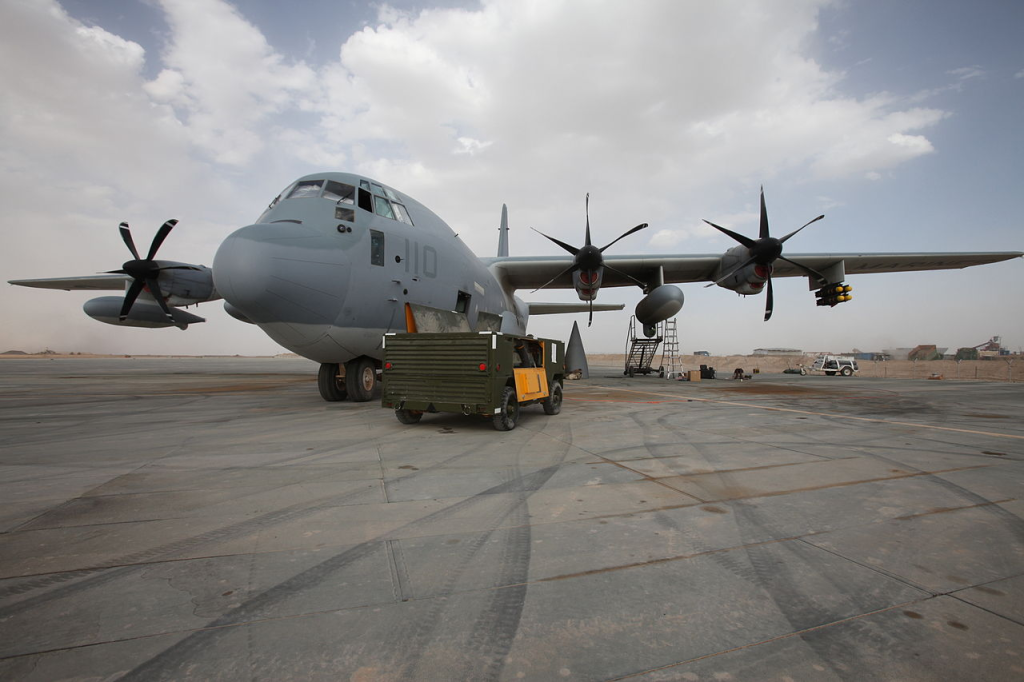
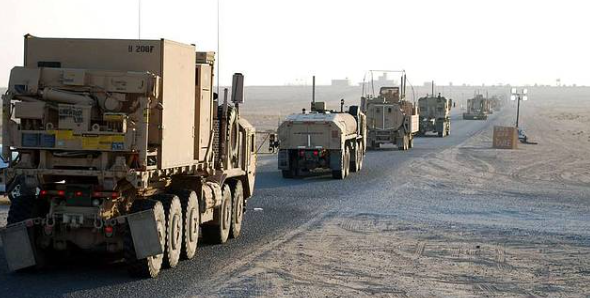
The average age of the Air Force’s planes has surpassed 31 years, with only 54 percent being mission capable any given day. These numbers are a drastic change from Cold War era readiness rates, in which “eight out of ten war-fighting aircraft were ready to prosecute a crisis effort immediately.” Air Force Chief of Staff Gen. David W. Allvin has indicated that “the capacity would allow only 523 fighters and 51 bombers to be deployed to the Indo-Pacific in a crisis” with fewer than two-thirds being mission capable upon arrival. These examples underscore the significance of contracts including C-130J growth or B-52 upgrades. These contracts represent more than new weapons; they express bridging the readiness gap that can place the US at a disadvantage during a peer war.
4. Engineering Rigidity As a Factor in Aircraft Sustainment
There is a cultural choke point in the sustainment community at Air Force: engineering officials possess sole approval authority for deviations to technical data. Being cautious, these officials, although ensuring airworthiness, could prevent aircraft from flying due to trivial concerns. Plans for a mobilization of engineers into a consultative capacity, in which commanders can weigh and decide in a calculated manner upon their readiness status, seek a balance between safety and operational needs. Otherwise, even with substantial modernization efforts, progress may be mitigated by inflexibility in procedure.
5. Challenges in B‑52 Radar Modern
Additionally, the B-52 fleet is currently being modernized with the replacement of outdated AN/APQ-166 with AN/APQ-188 radar. Despite the modernization efforts, such as re-engining and radar modernization, the project faces challenges related to qualification due to environmental factors, spares procurement, and software problems, resulting in an expected Nunn-McCurdy The finish date for the testing phase has now been pushed to 2028, with the production phase to follow in 2030. Though themodernization of the system is important for its use in navigation, target tracking, as well as avoidance of adverse weather conditions, the work is progressing slowly due to the lack of effective digital tools for its incorporation.
6. Missiles Procurement Boost for Allies
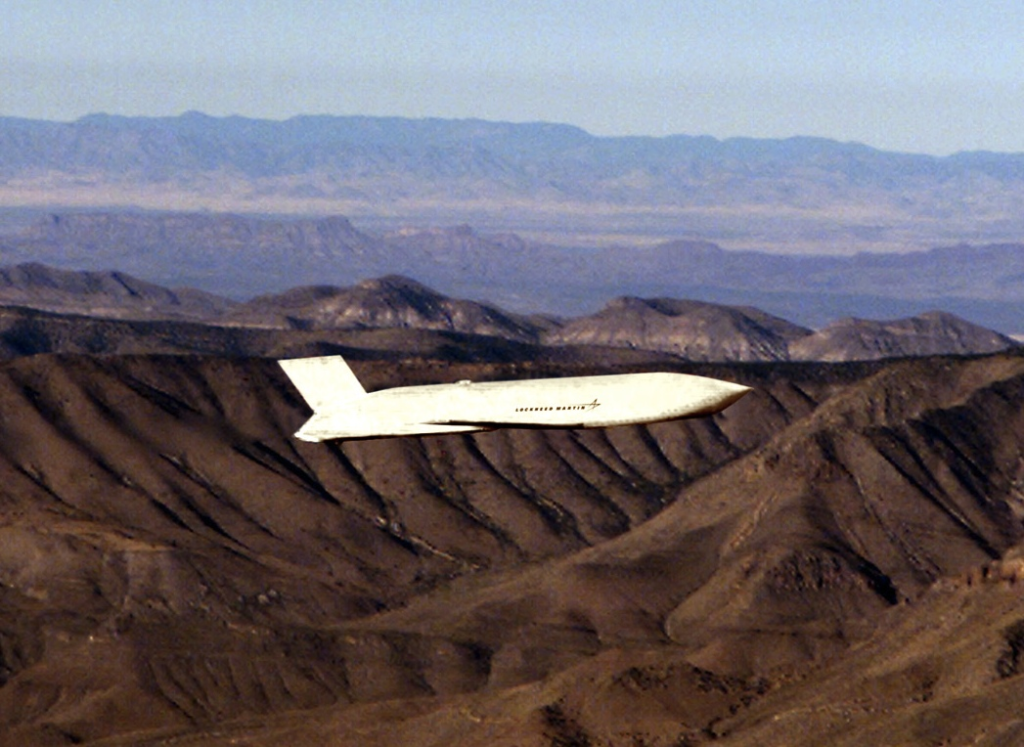
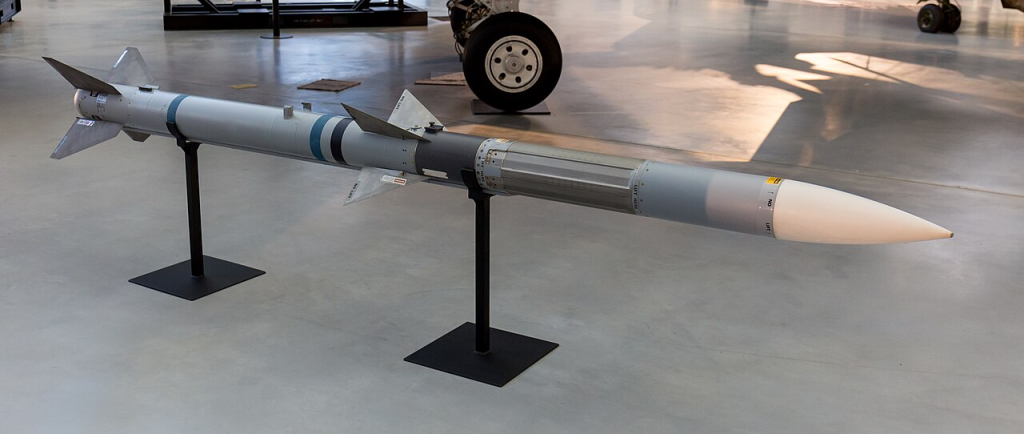
Concurrently with these airframe sales, the defense department has also awarded a contract of $7.8 billion for missiles to both Lockheed Martin and RTX Corporation. RTX will make air-to-air missiles with a contract worth $3.5 billion, which is the biggest contract in this program’s history. Lockheed’s deal worth $4.3 billion involves Joint Air-to-Surface Standoff Missiles (JASSM) and Long-Range Anti-Ship Missiles (LRASM). These will upgrade land attack and sea attack capabilities while also enabling improved deterrence with longer reach and, in turn, complicating enemy defenses.
7. Strategic Value of Allied Interoperability
The provision of high-quality aircraft and weapons to allies goes beyond sales it is about creating a force that can work together. The provision of C-130Js and AMRAAMs is essential in order for allies to work together as a unit with Americans. While in potential high-end conflicts, especially within the Indo-Pacific, allied support could mean hundreds of sorties per day, allied ammunition stocks remain limited to ensure an effective interoperability endeavor in terms of allied support.
8. China’s Accelerating Air Power Challenge
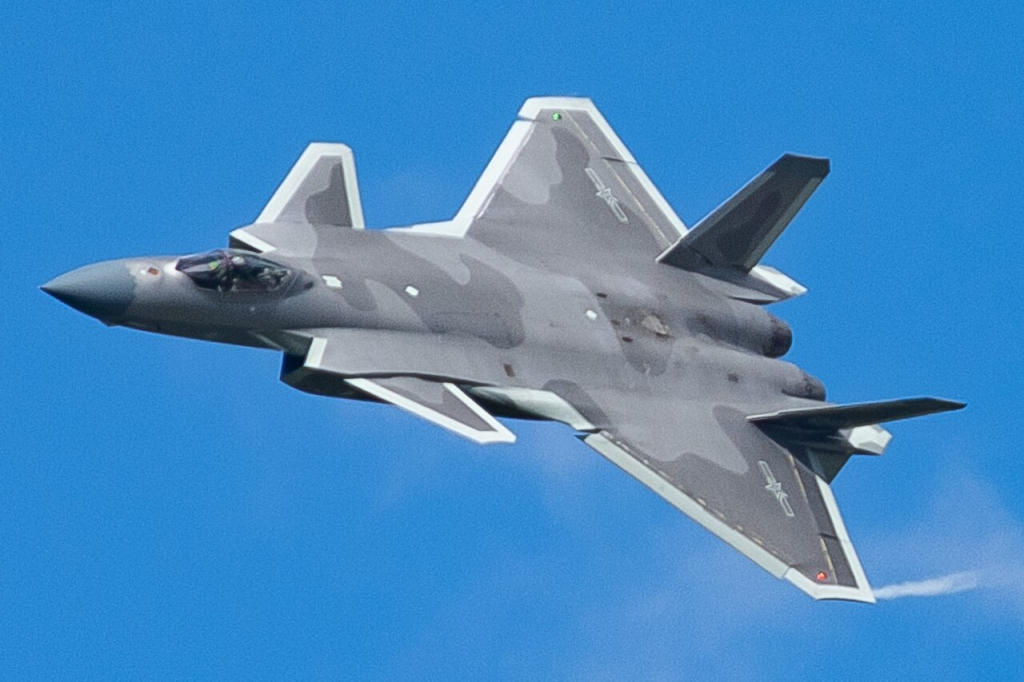
Over the past 14 years, China operated a average of 1,300 fighter aircraft capable of carrying nuclear missiles. This includes the fifth-generation J-20 fleet of just under 320 aircraft produced at well over the 120-per-year rate. This production rate surpasses the procurement of fighter aircraft by the U.S. Government. In this context, modernization projects in the U.S. are faced with the challenge of not only replacing aging fleets but also meeting production levels to rival its competitors’ production levels. Such contracts awarded to Lockheed and Boeing are a positive step in this direction but are however a long way off.
9. Industrial Base Constraints
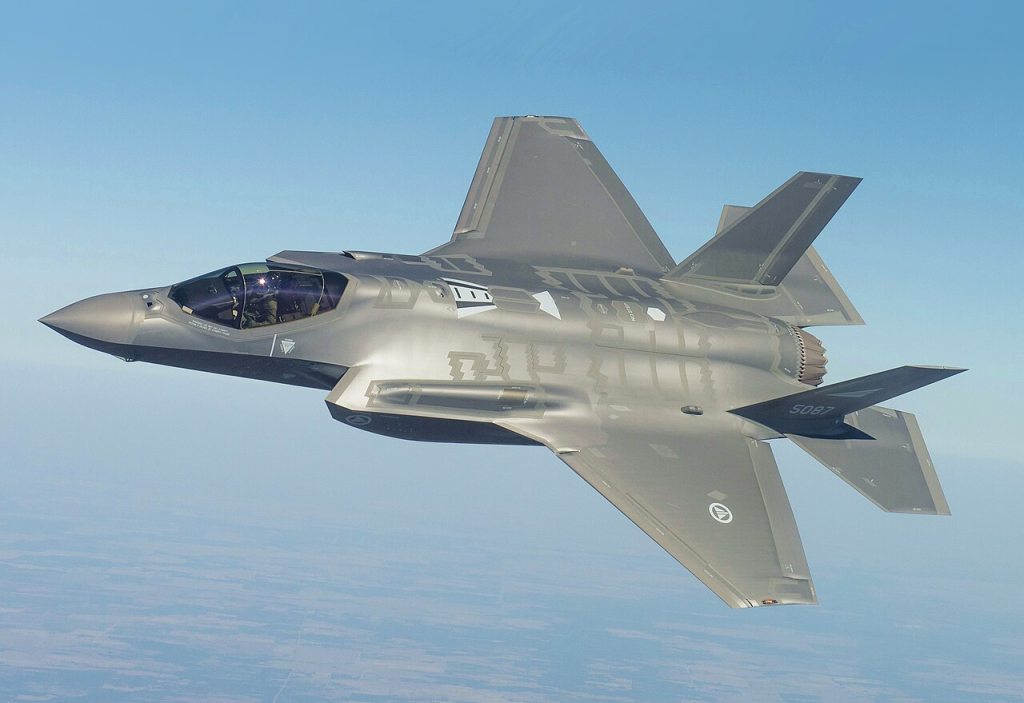
The 1980s saw the USA produce hundreds of aircraft every year, but it would now require years to increase the production of F-35, F-15EX, or B-21 bombers. The B-52 programs show how enhancements to old systems may be impeded by the sourcing of components. To overcome such challenges, there shall be an intensive investment and use of long-term procurement plans, with the adoption of digital engineering solutions to help speed up timelines. The contracts awarded to Lockheed Martin and Boeing are a move to strengthen the air capabilities of the U.S. and its allies against the backdrop of challenges associated with readiness and peer competitors.
Though the contracts amount to massive sums, their significance may be viewed from a perspective that entails how the contracts are able to overcome the various hurdles associated with their implementation to create actual combat capabilities. For defense experts, these contracts are indicative of positive developments whilst being a pointer to the enormity of the tasks involved.


