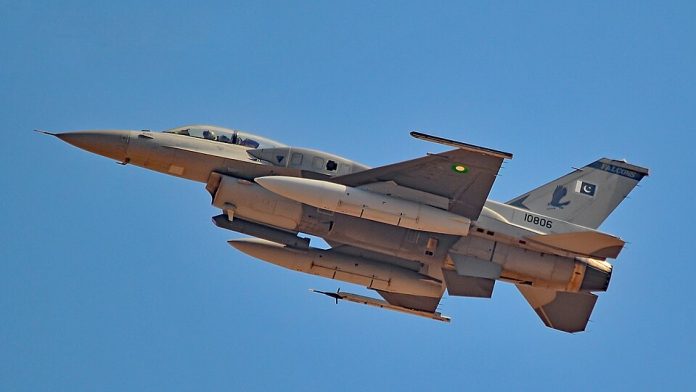
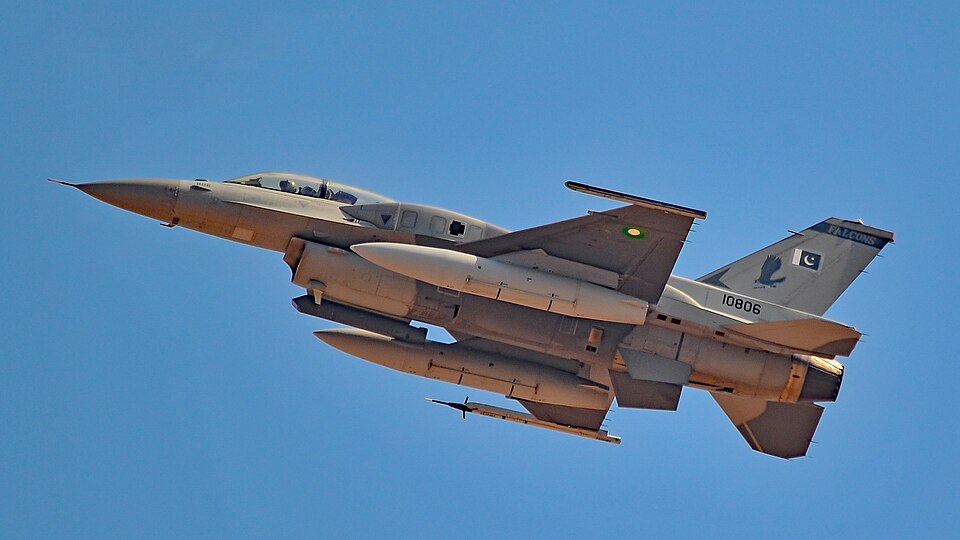
Few fighter aircraft have shaped or altered the air equation in South Asia like Pakistan’s F-16s. Now, a $686 million upgradation assistance plan proposed and greenlighted by the U.S. is set to breathe new life into these fighters through the 2040s. The agreement has been made possible through Foreign Military Sales.
This is not an acquisition of new fighter jets and sophisticated standoff weapons, but a full-spectrum sustainment program with an avionics system upgrade. The key would be “secure tactical networking capabilities” technology and safety of flight enhancements. For defense researchers and military aviation aficionados out there is insight into Washington’s management of strategic partnerships with these purchases.
1. Congressional Approval After Years of Delay
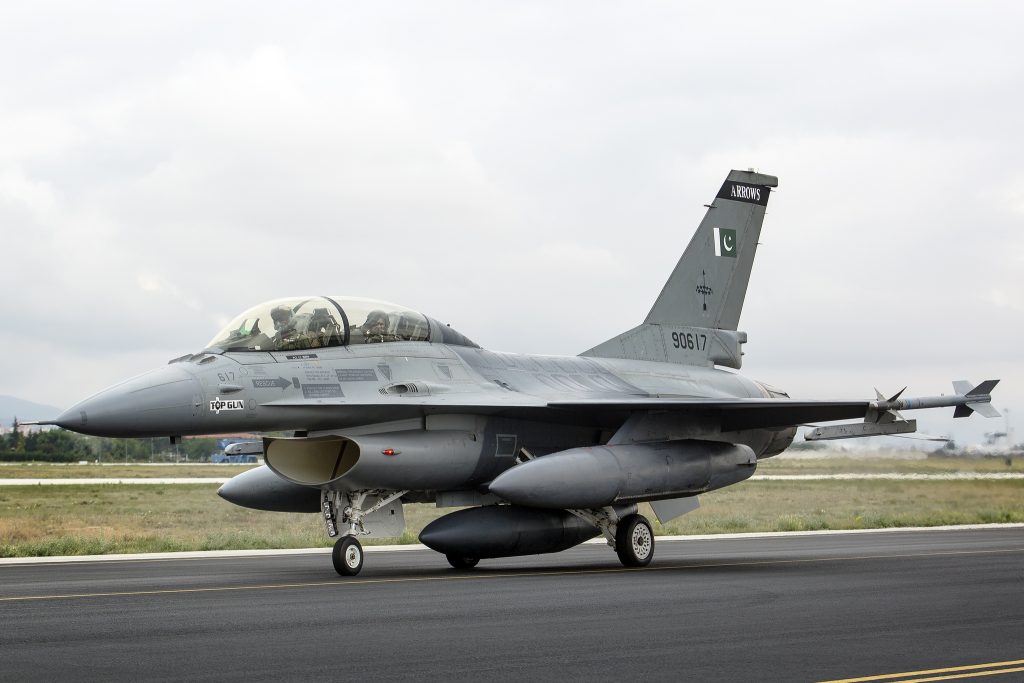
This demand by Pakistan for F-16 modernization has historical roots, beginning in 2021-2022. Although the DSCA supported this initially, political reservations were a cause for delay. Nothing much could be accomplished through a notice in December 2024 either. The real turning point came in December 2025 in the Trump administration when a fresh notice was sent to Congress. Since there was not a murmur of protest during this 30-day congressional notification period, under US law, this particular transfer had become a done deal automatically.
2. Lockheed Martin as Prime Contractor
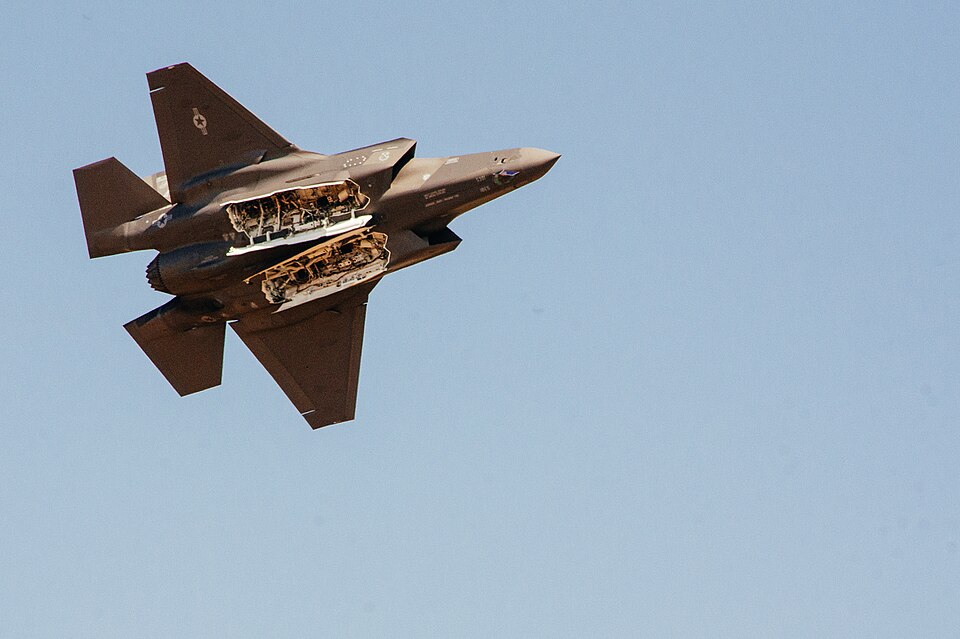
The upgrade program will be led by the primary manufacturer of F-16s, Lockheed Martin, together with US giants like L3 Harris, Raytheon, and Northrop Grumman for the subsystems. This will guarantee a degree of technology familiarity and strategic integration at Lockheed Martin, since they have immense experience in F-16 maintenance for international forces. This also attests to a strategy where Washington turns toward trusted partners concerning critical foreign military projects, especially regarding advanced avionics and communication systems.
3. Link-16 Tactical Data Link Integration
The major piece of Major Defense Equipment in the deal is 92 Link-16 tactical data link communications. With Link-16 networking, which is based on NATO standards and uses encrypted messages that are also resistant to jamming, positional information, sensor information, and weapons information can be shared in real time between aircraft, ships, and ground stations. What this means is that Pakistan’s F-16s will be able to integrate in an optimum manner with their American cousins during combined sorties.
4. Favor Sustainment over New Development
Of this total of $686 million, only $37 million is for Major Defense Equipment. The balance of $649 million will go for the upgrade of avionics systems, secure communications equipment, cryptographic devices, and mission planning tools. No aircraft acquisition, long range stand-off weapons or advanced air-to-air missiles will be procured as part of this package.
5. Service Life Extended to 2040
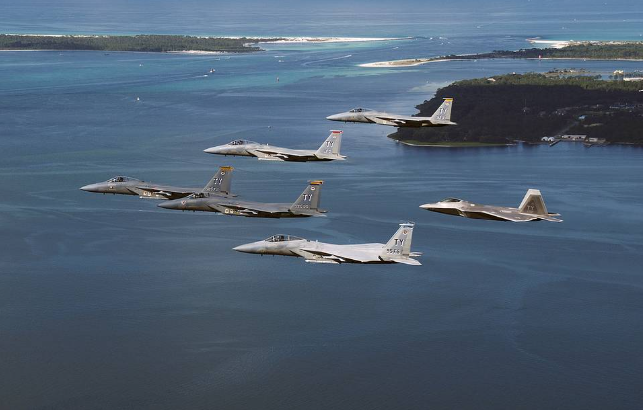
Under this sustainment program, fighter jets of Pakistan will address such problems as structural fatigue and major flight safety issues. In view of the Service Life Extension Programme carried out on the USAF’s fleet, all the F-16 Block 52 and Mid-Life Upgrade F-16 Block 52+ of Pakistan will remain serviceable beyond the upcoming twenty years. The improvements will also include bulkhead replacements, wire redesign, and system architecture designs so that it retains its Multiservice capabilities up to the 2040s.
6. Sensitive and Classified Components
Included in the suite are Mode-5 IFF systems, key loaders for carrying by hand, and other reprogramming equipment involved in built-in-test functions for munitions. Some of the equipment in the suite are classified due to their integral involvement in secure operations. The Mode-5 IFF gives functions that provide encrypted and anti-spoofing identifiers that cannot show fratricide in complex airspace.
7. Strategic Interoperability Objectives
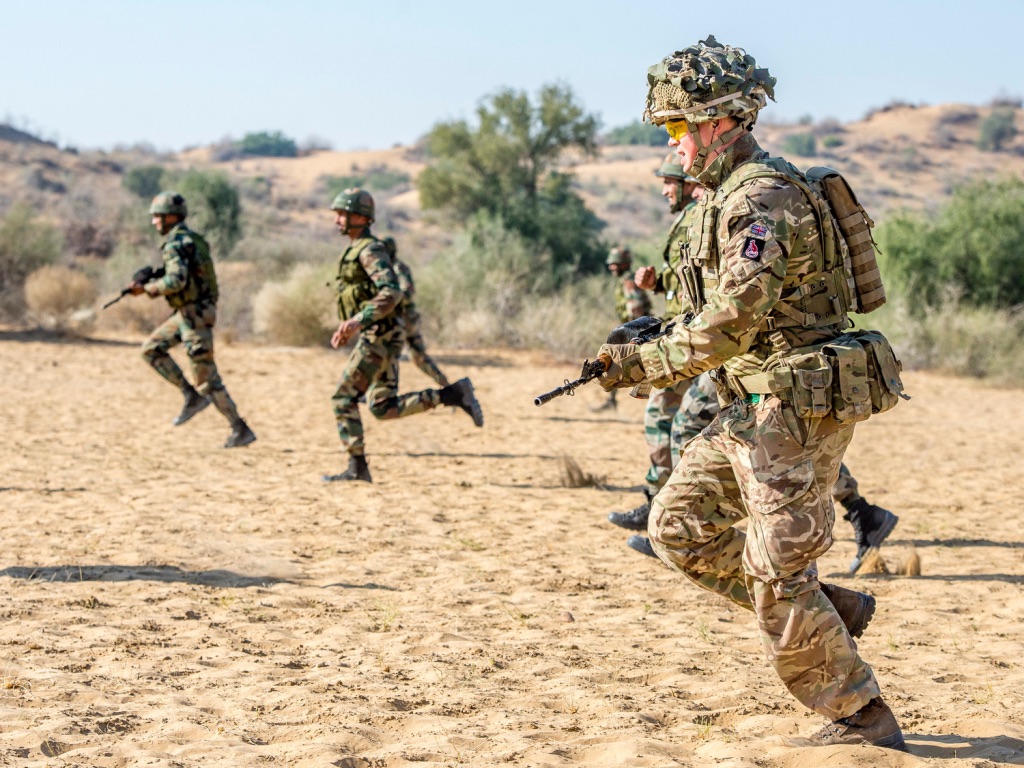
The DSCA press release is characteristically blunt in its assertion that the transfer of the system is essential to supporting the foreign policy and national security of the United States through maintaining Pakistani interoperability with the United States as well as its allies. Such activities as joint exercises and counterterrorism efforts will be better served through the sharing of tactical information as well as the use of common procedures. Such is the focus of Pakistan on the greater coalition that its cutting-edge networking capability of Link 22 is not required.

8. Regional Impact and Indian Perspective
Indian defense experts have also pointed out that while the upgrade retains the deterrence potential, it doesn’t affect the balance of power. “It is an irritant, it is not a game-changer,” noted Air Vice Marshal Pranay Sinha (retd), referring to the overall advantage enjoyed by the Indian air forces. The government’s decision to choose Link-16 instead of more advanced options suggests an attempt by Washington to increase Pakistani “utility without ratcheting up tensions in the region.”
9. Lessons from U.S. F-16 Modernization
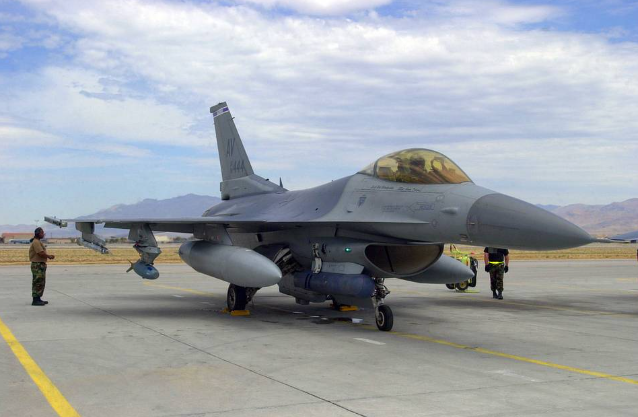
The U.S. Air Force’s Post Block Integration Team upgrades offer insight into the Pakistan upgrade program. U.S. F-16s are being modified with the addition of APG-83 Active Electronically Scanned Array (AESA) radars, comprehensive electronic warfare systems, and cockpit upgrades in order to keep the aircraft relevant well into the 2040s. While the Pakistan upgrade is unambitious at least it follows the paradigm that refurbishment of a fourth-generation aircraft combined with modernization of electronics can help a fleet remain relevant in a changing threat environment.
The $686 milllion F-16 upgrade sale to Pakistan is a carefully choreographed mix of sustainment, security, and regional stability. In this way, the U.S. administration’s prioritization of avionics upgrades, network security, and structure life Extension ensures a regional balance of power despite the serviceability of the Pakistani frontline jets being brought up to date. To the defense observers, this sale affair indicates how a strategic alliance in the defense sector can be strengthened by technological modernization.


