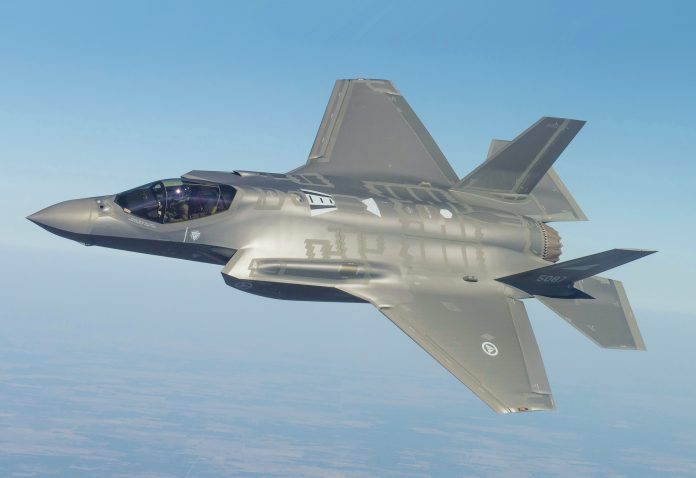
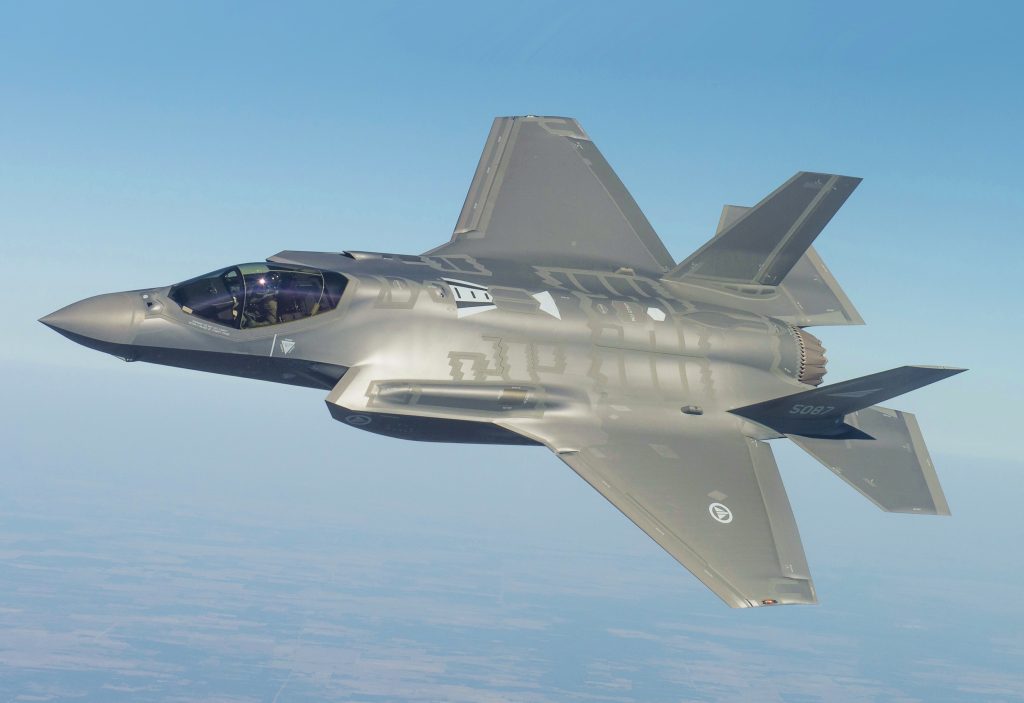
“After nearly 20 years of aircraft production, the F-35 program continues to overpromise and underdeliver,” the Government Accountability Office concluded in their recent assessment. For defense industry experts and military observers, these words are more than a litany of current problems the implication is one of what is to come for the most expensive weapon system used by the Pentagon.
The development of the stealth fighter aircraft was meant to form the centerpiece of airpower for both US and allied militaries; instead, it is now bogged down with rising costs, delayed schedules, and a litany of performance deficiencies.
The current eighth successive failure of the Pentagon audit has only revealed the problems associated with the F-35’s failure to report its spares and deliver them in a timely manner to the U.S. Department of Defense. Although the Lockheed Martin Lightning II is yet to be equaled in its other respective mission scenarios, problems associated with its modernization process and global backlash are gradually changing the face of global acquisitions. The following listicle attempts to break down the most serious problems associated with the F-35’s crisis and its effects upon rival fighter jets being sold in the global market today.
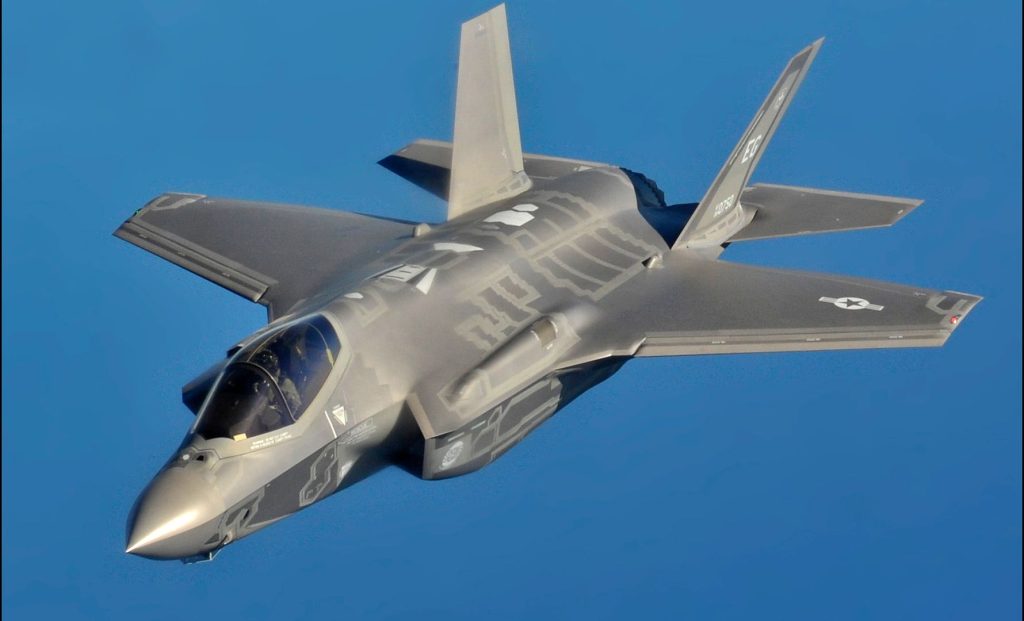
1. Chronic Delivery Delays
In 2024, all F-35s delivered were late by an average of 238 days. The main problem went to Technology Refresh 3 (TR-3), which comprised necessary hardware and software modernization. This meant the contractors would be paying .6 billion in block 4 modernization. Delivery would be expected by April 2023. However, TR-3’s unreliability and problems in supply chains moved delivery years ahead. The contractors still collected incentive fees despite their plans to be late by 60 days.
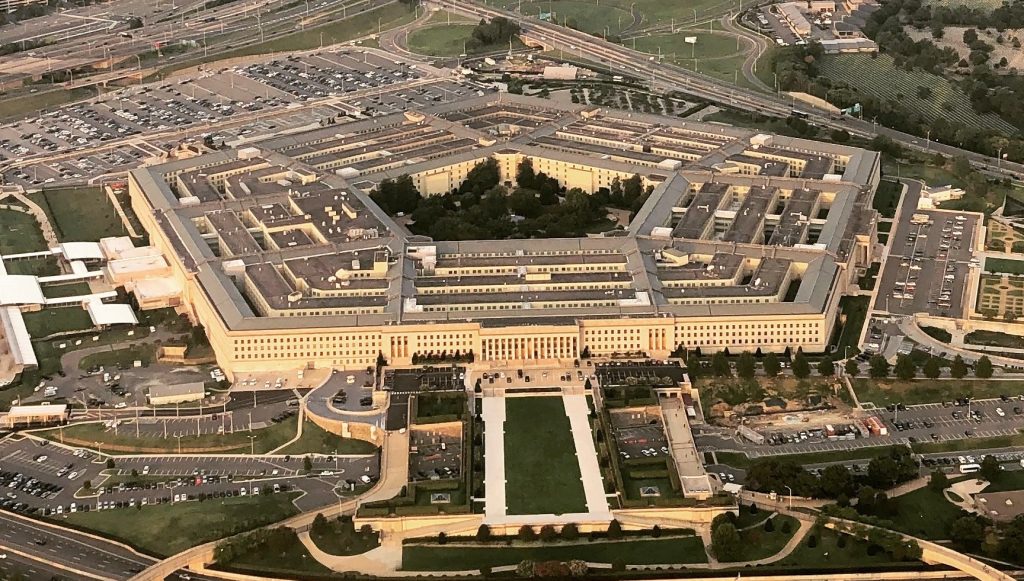
2. Increasing Acquisition Expenditures
The total procurement price of the fighter program has substantially escalated beyond $485 billion, almost 10% compared with the preceding year, soaring double the original 2001 plan. Moreover, the entire life cycle costs together with sustenance have surpassed $2 trillion, making this procurement the costliest in the entire history of the United States. This has resulted in a pause in production by the Pentagon to mitigate risks associated with costs, which has further pushed back the delivery schedules.
3. Audit Failures and Unaccounted Assets
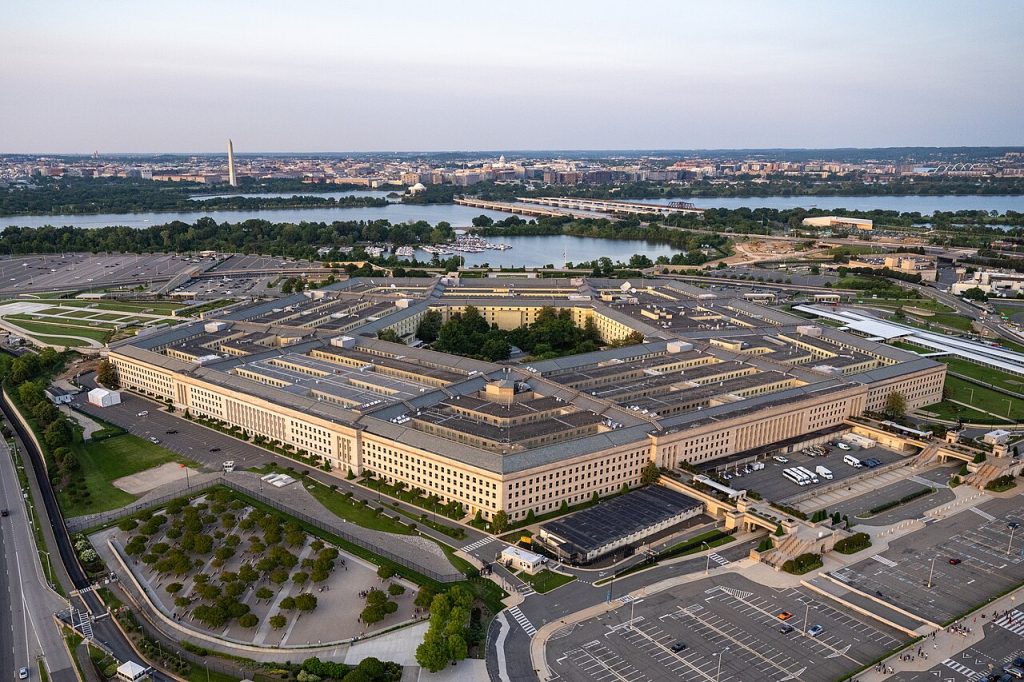
The Pentagon’s eight failures since 2018 was a result of a material inconsistency found in the Joint Strike Fighter Program’s financial statements. The DoD could not establish that the financial statements included Global Spares Pool assets that existed or could be verified. The lack of financial reporting is a problem when considering that this program is an international operation and various international forces depend on shared spare parts.
4. Availability Rates Below Requirements
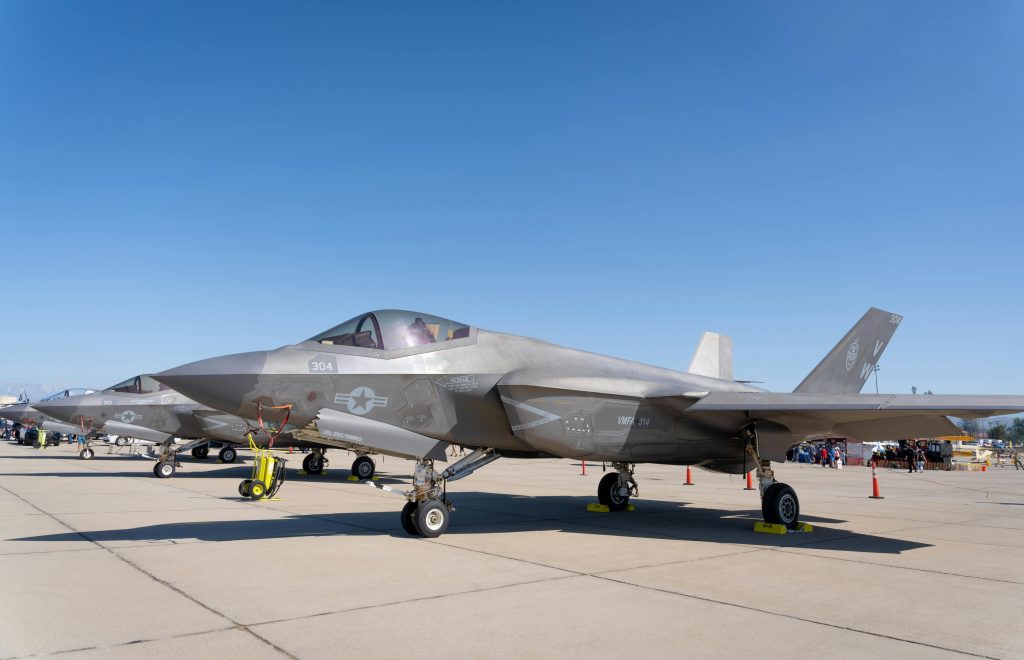
As reported by the Defense Department’s Inspector General, the 2024 operational rate for the F-35 jets is only 50%, 17% below the required standards for its minimum performance level due to insufficient levels of contractual readiness and poor inspection standards and enforcement. Yet, Lockheed Martin was awarded approximately 1.7 billion dollars without adjustments despite not meeting operational readiness standards necessary for use during combat missions.
5. Block 4 Capability Reductions
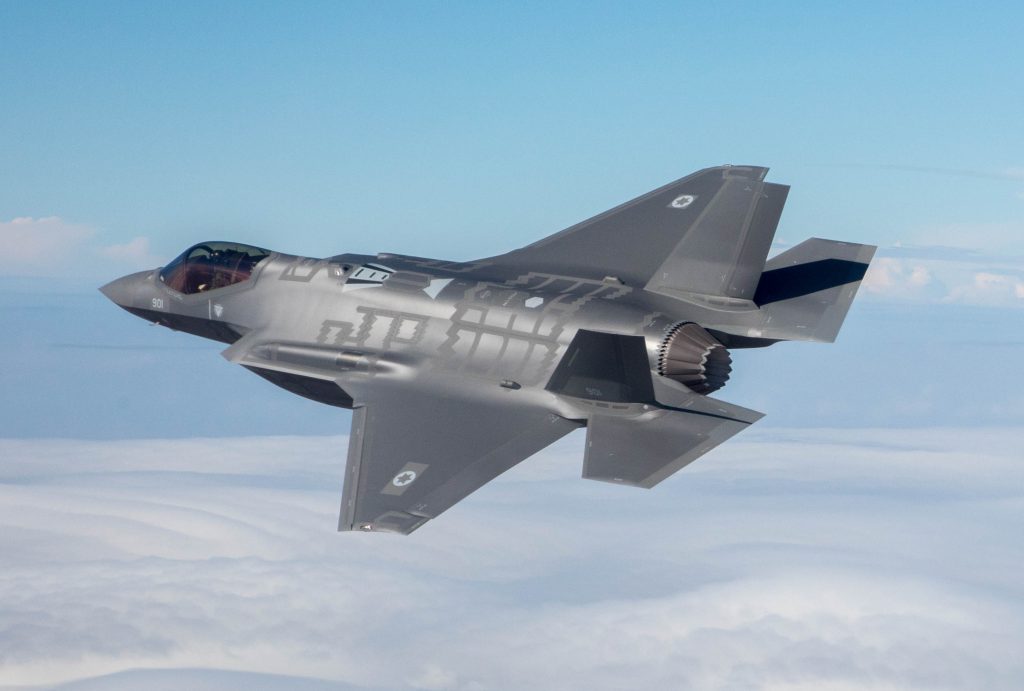
With an initial requirement to bring 75+ upgrades, the Block 4 has been reduced in scope due to issues with cost and timelines. Those with engine and cooling upgrades will be pushed only in 2031 and 2033, respectively. According to officials in the program, until TR-3 can function at an optimal level, a majority of Block 4 capabilities will be out of reach for access.
6. Software Development Bottlenecks
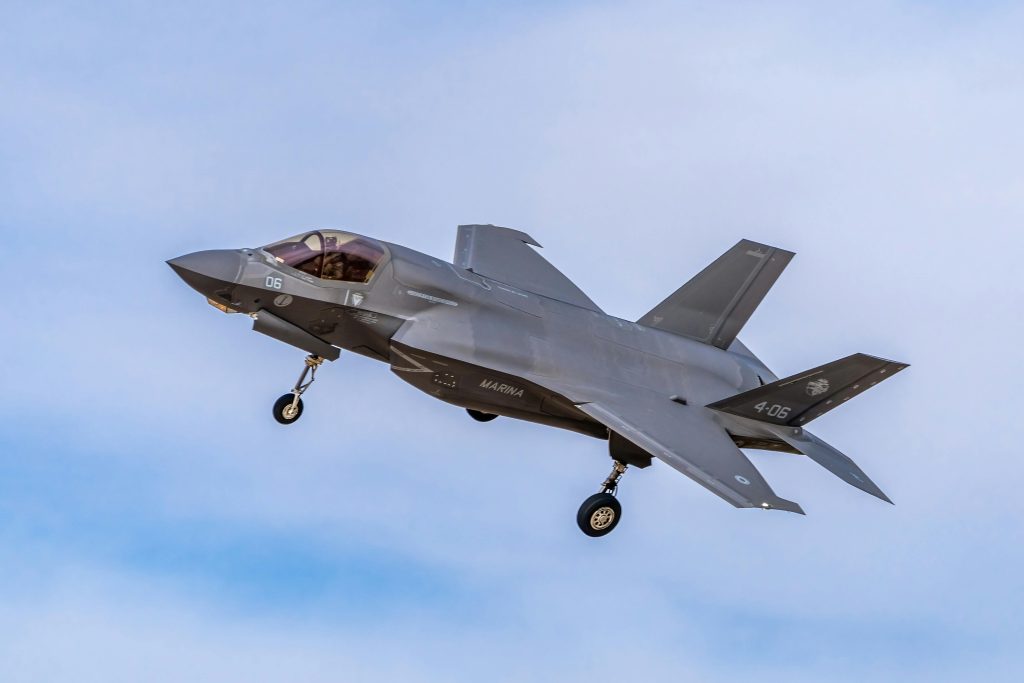
The Pentagon’s testing office found no progress in meeting software development schedules. The avionics modernizations in TR-3 have halted progress in fixing existing systems and incorporating new capabilities, with full operational testing now expected in fiscal year 2026. “This concurrent effort to sustain and operate TR-2 aircraft and develop and transition TR-3 has contributed to a cascade of delays throughout the fleet.”
7. Failures in Reliability and Maintain
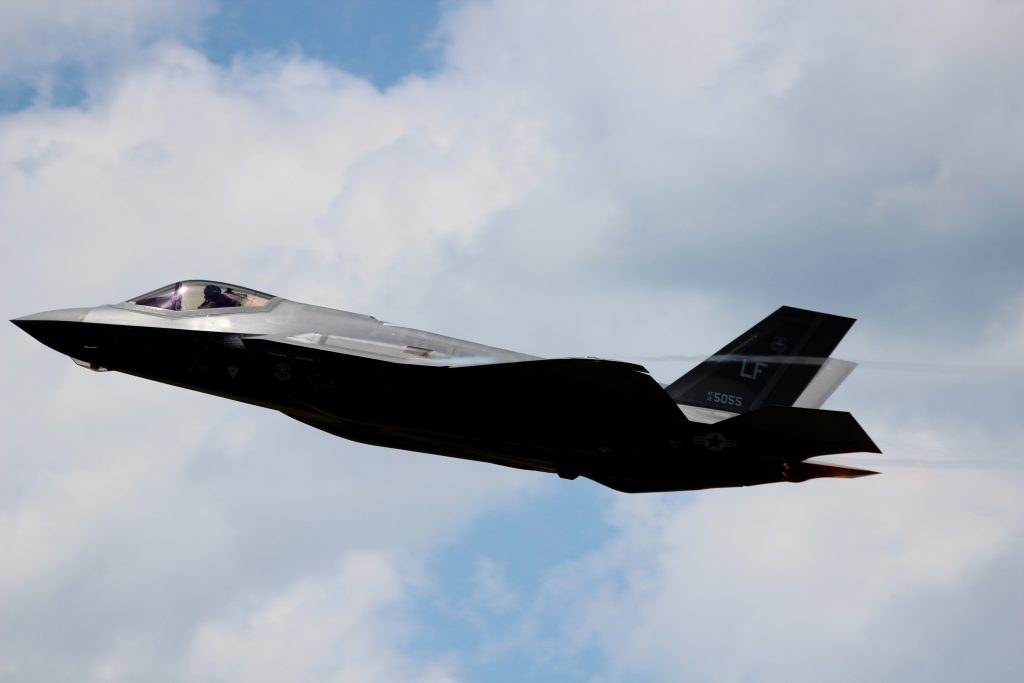
Reports on the Operational Test and Evaluation of the F-35 indicate the aircraft has not met the requirements touching on availability, maintainability, and reliability, with the exception of maintainability. The mean time between unscheduled maintenance activities is still measured at only two flight hours, with scheduled maintenance activities taking up to nine hours per flight hour on the military variant.
8. Logistical Footprint Problems
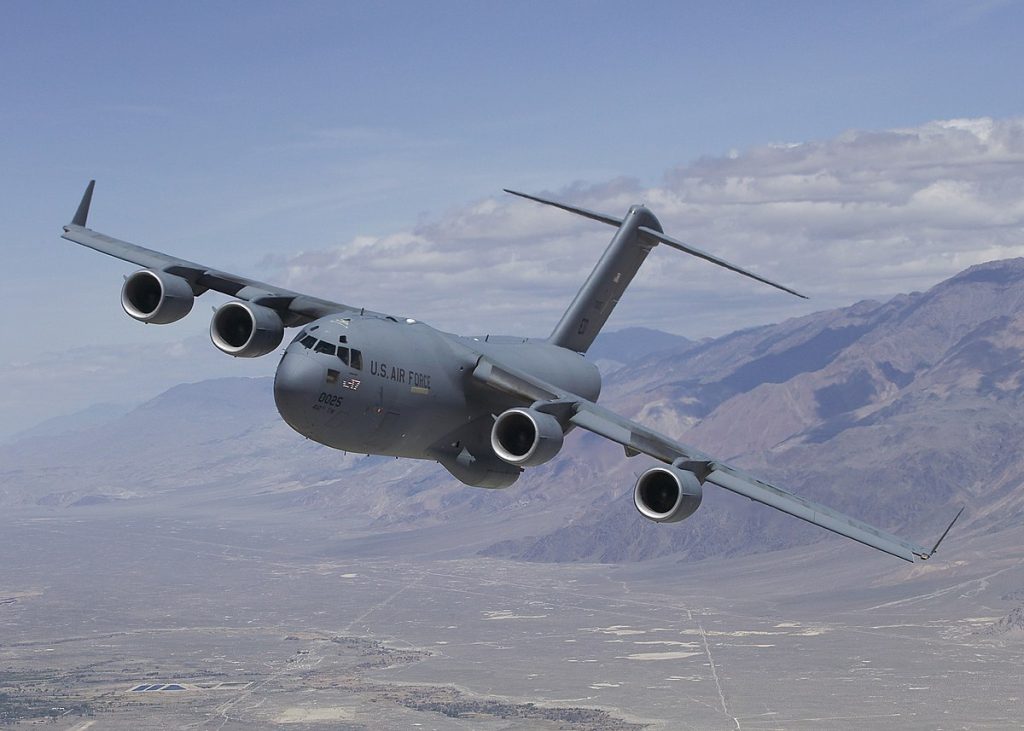
There is also support equipment that exceeds the requirements of its intended use by almost twice for land-based employment and additional C-17 transport. The Marine Corps requirements for the F-35B cannot be addressed in numbers for amphibious assault ships. Only the carrier-based F-35C meets its logistic footprint targets.
9. Stealth Maintenance Problems
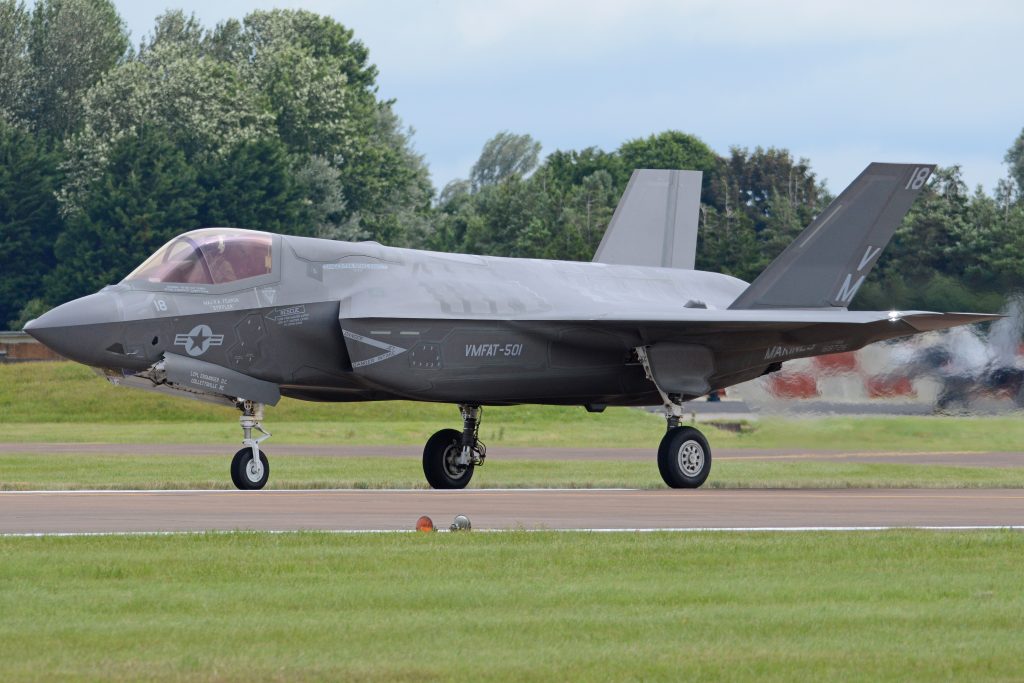
Low observability is a key signature and was difficult to maintain during these tests. Non-compliant stealth signatures were used on all F-35A flights, and 80 percent of F-35B flights had non-compliant signatures as well. There are implications here related to the ability to remain stealthy during operational scenarios or when operating forward from austere locations.
10. Guns Accuracy Failures
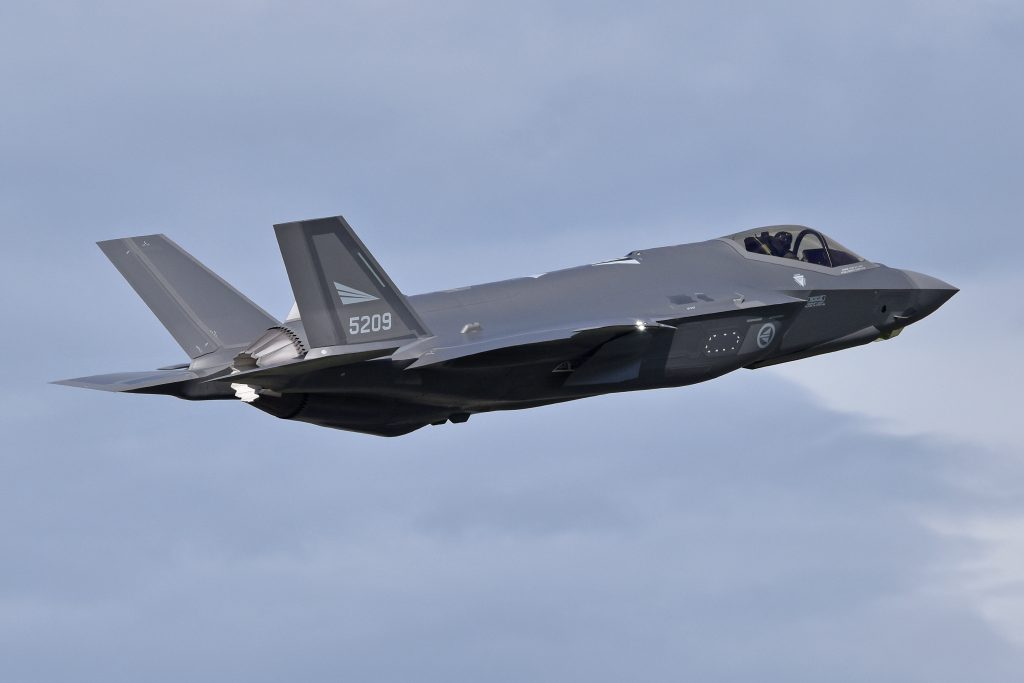
The F-35A internal gun also has design and installation problems that continue to render it incapable of hitting a target. Although software upgrades will be able to address issues with targeting data, corrective measures for predictable grouping, which will rectify the design and installation issues, will take years.
11. International Market Backlash
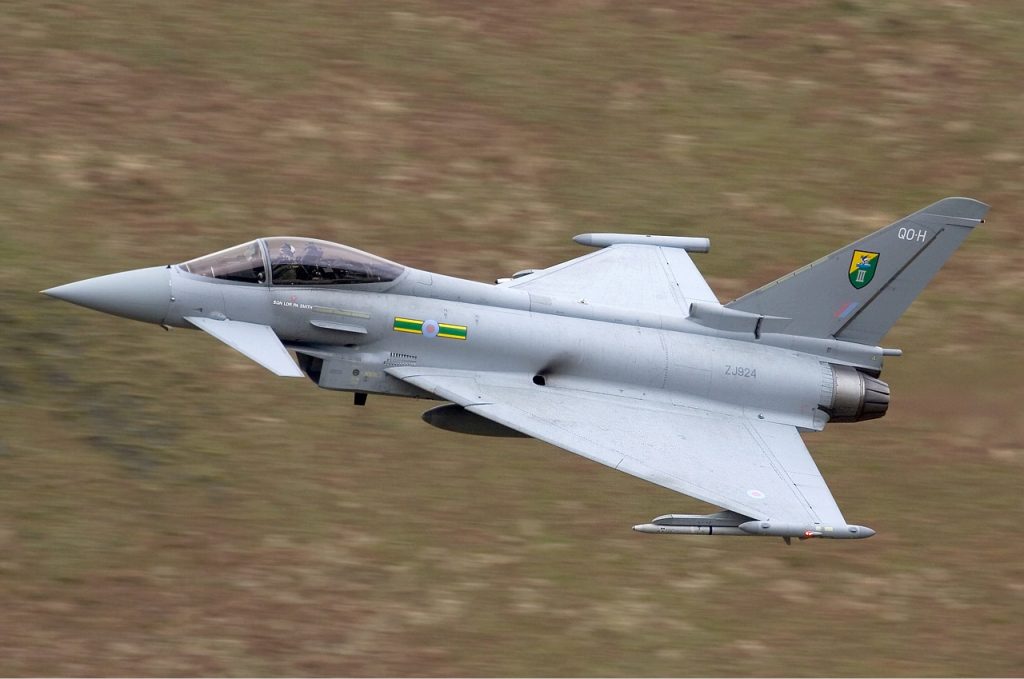
“Delivery delays, price hikes, and perceived lack of bang for the buck in terms of industrial spillovers have caused some countries to rethink their plans to acquire F-35 jets,” according to Defense News. Some countries, like Spain, have already eliminated F-35 jets in their fighter procurements in favor of either Eurofighter jets or the FCAS, while Canada is already torn between acquiring F-35s and Saab Gripen E jets. The F-35’s operational edge continues to have no equal in certain role considerations; however, the program’s systemic issues, from delays in production to sustaining stealth characteristics, are undermining confidence in the alliance’s support network and spurring questions about strategy at home.
As a community of defense specialists, one thing that the F-35 program demonstrates is the intersection of technological aspirations, complex acquisition processes, and industrial responsibility in shaping the future of national defense capabilities in the global fight against threats in the skies.


