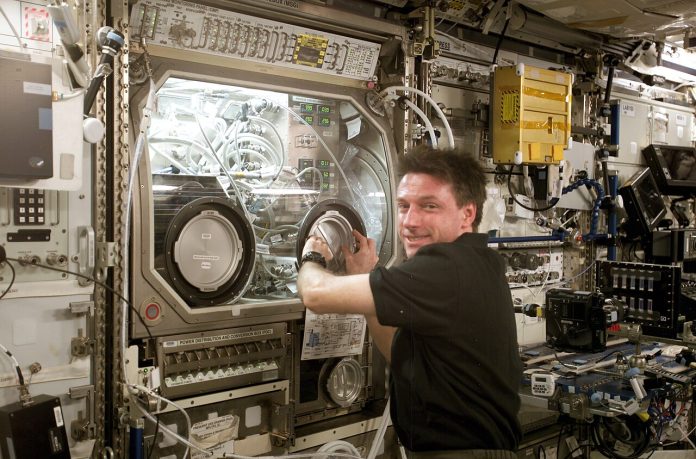
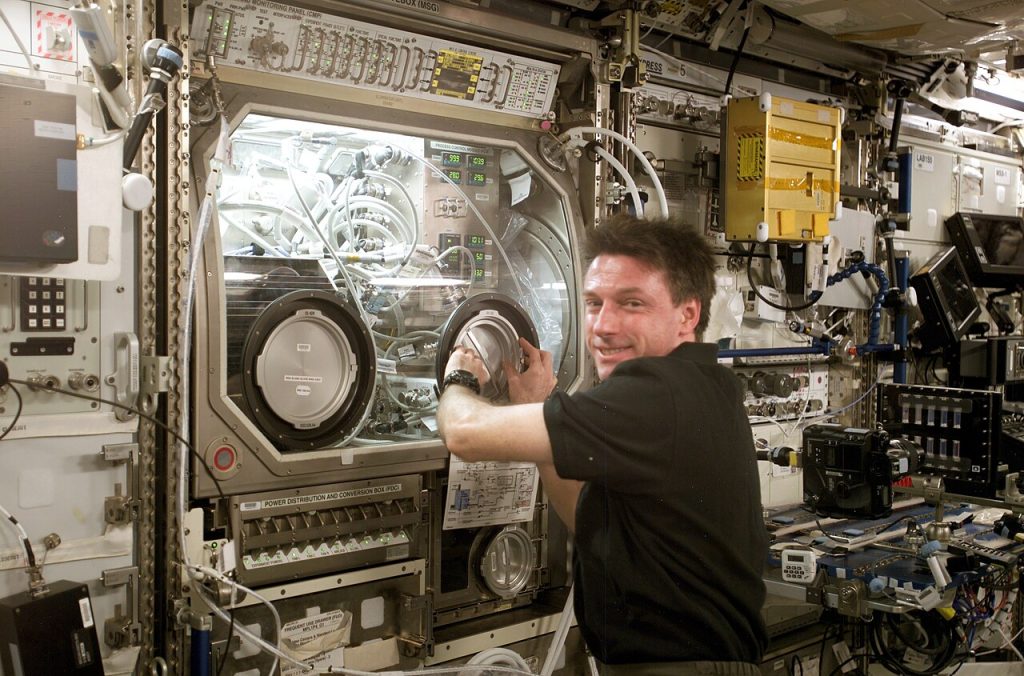
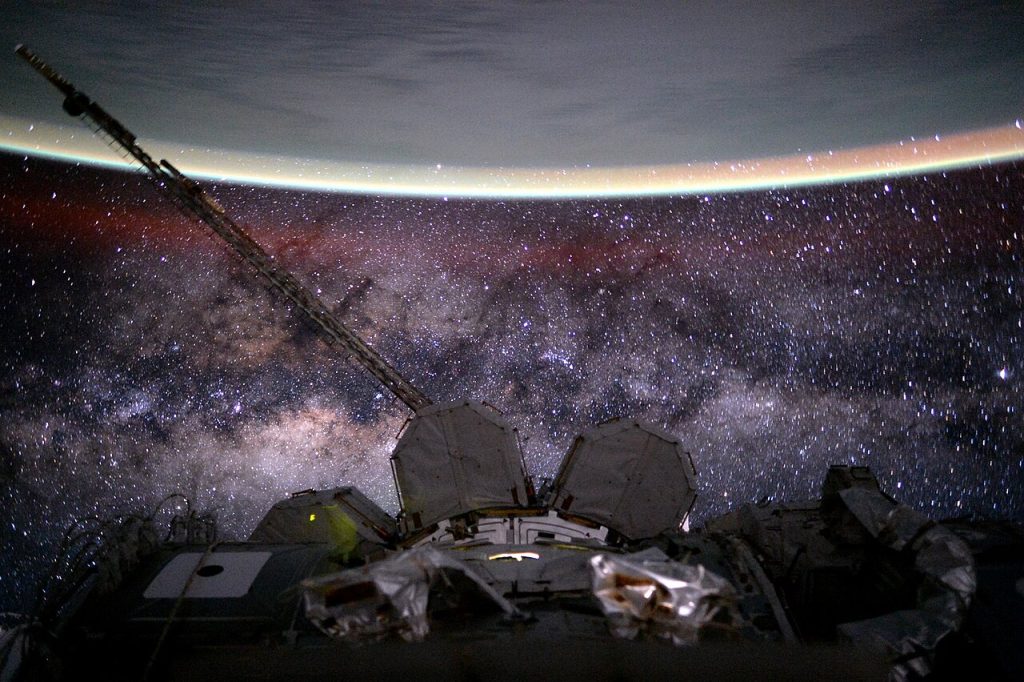
What is the costliest thing ever produced by humankind? A skyscraper or an aircraft carrier does not begin to approach the answer. It is a football field-sized laboratory orbiting 400 km above our surface: the International Space Station, or ISS. This orbiting laboratory has been occupied for 25 years by astronauts from all around the world, a hotbed of discovery, a monument to an unprecedented global collaboration. However, there is a reality behind the peaceful space station panoramas of our blue globe that “is trying to kill you.”
There has not been a single day since November 2000 when there have not been human beings in space. ISS has already welcomed more than 290 persons coming from 26 states. It has also witnessed the impact of micrometeoroids as well as the presence of orbital debris. It is nearing the end of its life in the year 2030. ISS is not only famous for its discoveries but also for its incredible achievements in terms of engineering and the resilience of its crew. There are top ten aspects about its performance that need to be discussed.
1. “The First Building Block”: Launch of Zarya Module
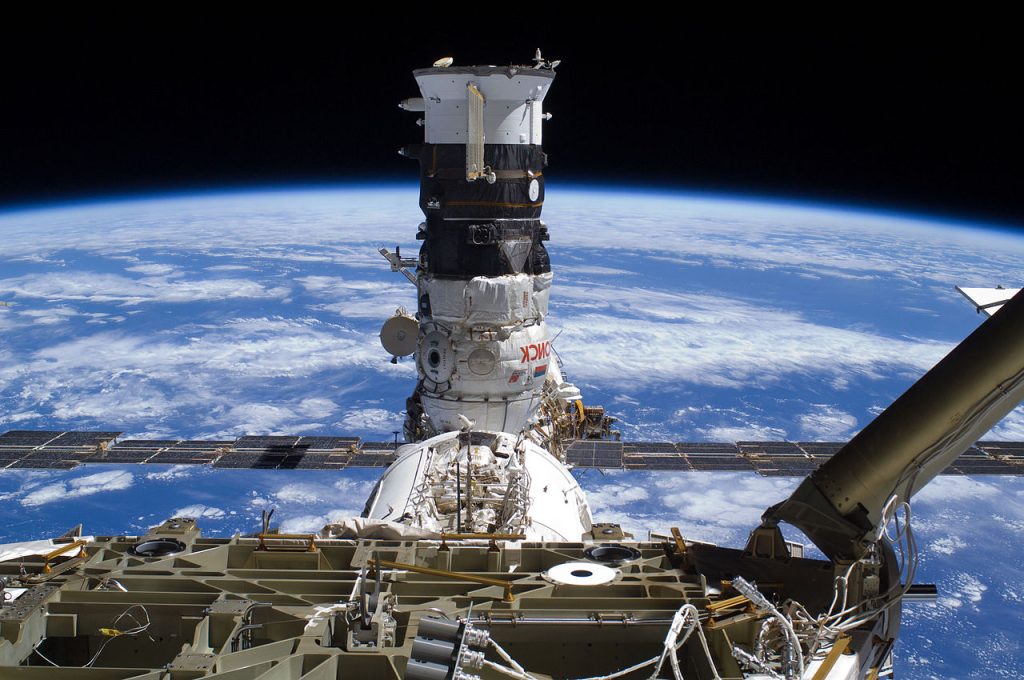
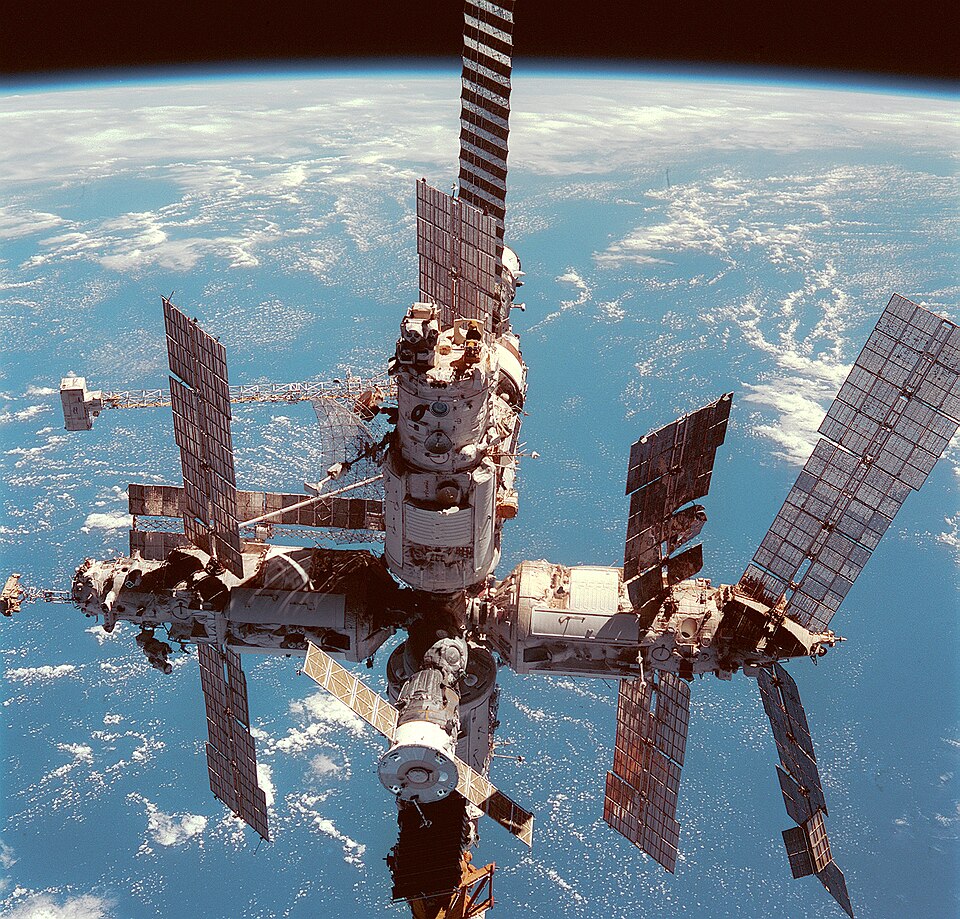
The ISS started with a single module named Zarya that was launched from Kazakhstan in November 1998. Zarya was a Russian segment of a compromise scheme that replaced the US Freedom components when that project was canceled. Zarya was coupled with modules named Zvezda and Unity in the ISS framework. Zarya, Zvezda, and Unity remain the heart of the station today.
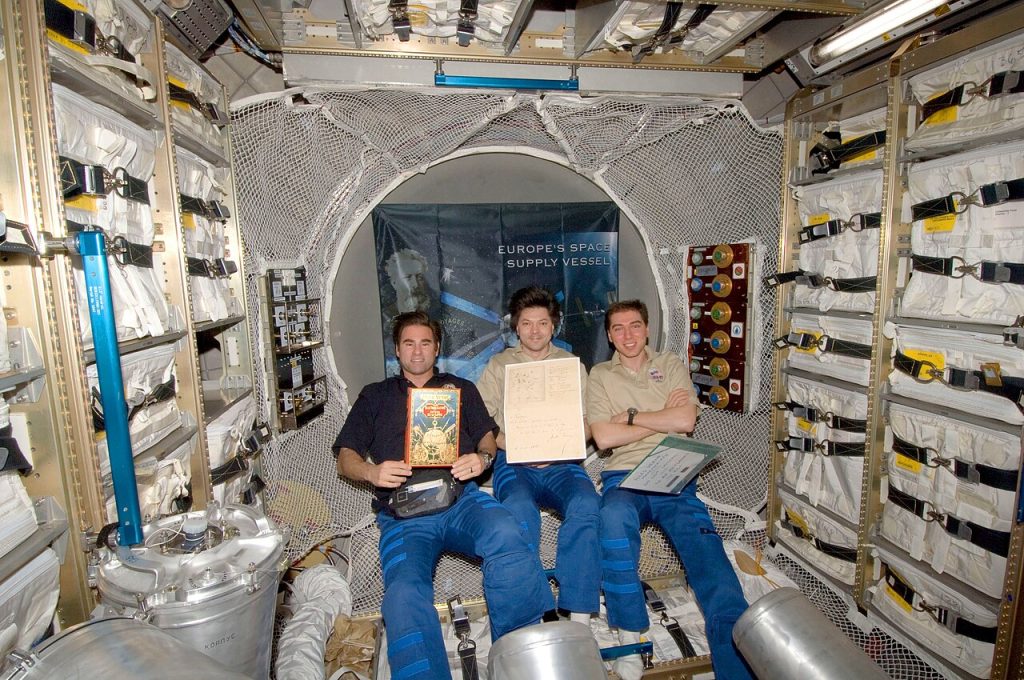
2. Living Space the Size of a House
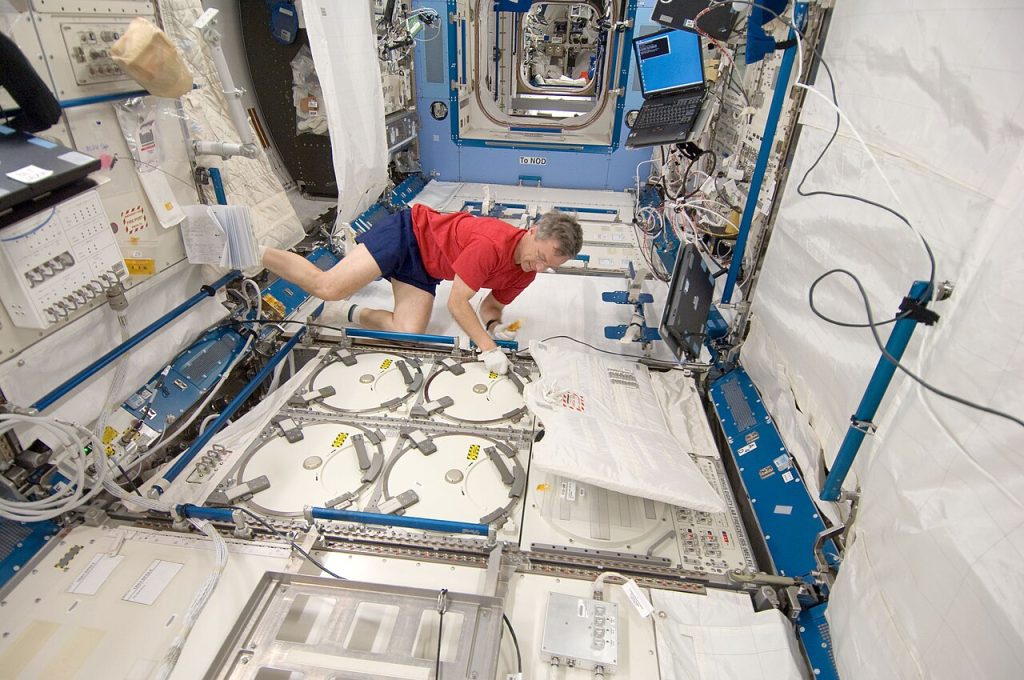
With a habitable volume of 388 cubic meters which is equivalent to a space six bedrooms large the ISS is enough space to work, rest, and exercise. Because of microgravity, all walls are utilized; however, to avoid confusing which side is which, floors and ceilings are labeled. Space travelers also have their space inverted for recreational activities; however, most of these are filled with equipment and experiments.
3. Exercise as a Survival Need
Space affects muscles, bones, and even eyesight. To combat this, astronauts spend two hours exercising on treadmills, cycles, and resistance machines. Such hard work has made it possible to achieve what took place in space, such as “Tim Peake’s marathon run in orbit.” Without it, “returning to Earth would be fraught with health dangers.”
4. Recycling 98% of Water
“The ISS Environmental Control and Life Support System has a water recovery system capable of harvesting as much as 98% of the water in breath, sweat, and urine,” according to Jill Williamson, subsystems manager at NASA’s Johnson Space Center in Houston. “The crew members are not drinking urine,” Williamson points out. “They are drinking water. .. cleaner than water we drink here on Earth.”
5. Record-Breaking Space Stays
Long-duration spaceflight is no longer a novelty. NASA’s Frank Rubio has set a record for the longest time spent in space as an American with 371 days in 2023 and is helping with research into nutrition, exercise, and physiology. Missions of this type will help pave the way for a multyear trip to Mars and whether minimal gear is adequate to preserve a healthy crew.
6. Scientific Breakthroughs in Microgravity
The ISS provided the environment that could never be created on Earth for tasks like the production of Bose-Einstein condensates, the identification of cool flames that burn invisibly, and the growth of protein crystals for the purpose of health care. Over 4,400 papers on scientific topics ranging from quantum physics to drug development were published.
7. The Ever-Looming Danger Of Space Junk
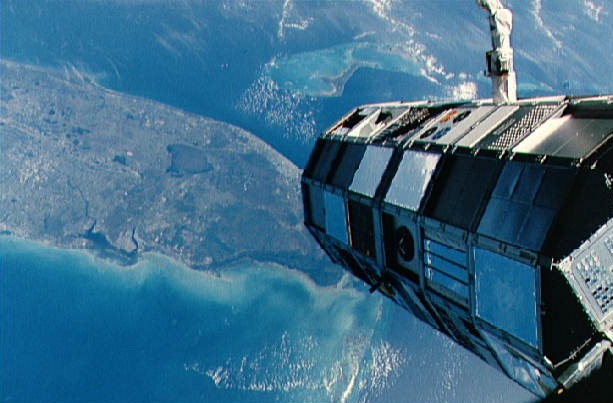
Since 1998, the ISS has made 39 maneuvers to avoid space debris. In 2024, it swerved to avoid pieces of a retired satellite that had come close to 4 km. Small particles of paint can hole hole shielding at orbital velocities. Collision risks have increased with anti-satellite missile tests, exemplified in 2021 by Russia’s destruction of Cosmos 1408.
8. Engineering Marvels: Canadarm2 and Dextre
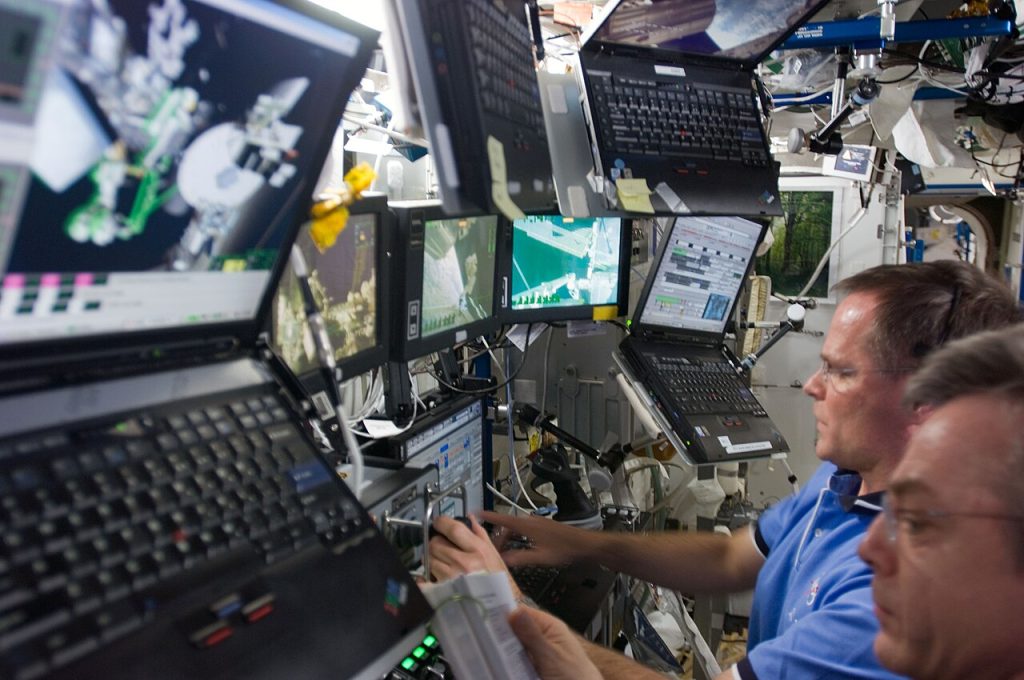
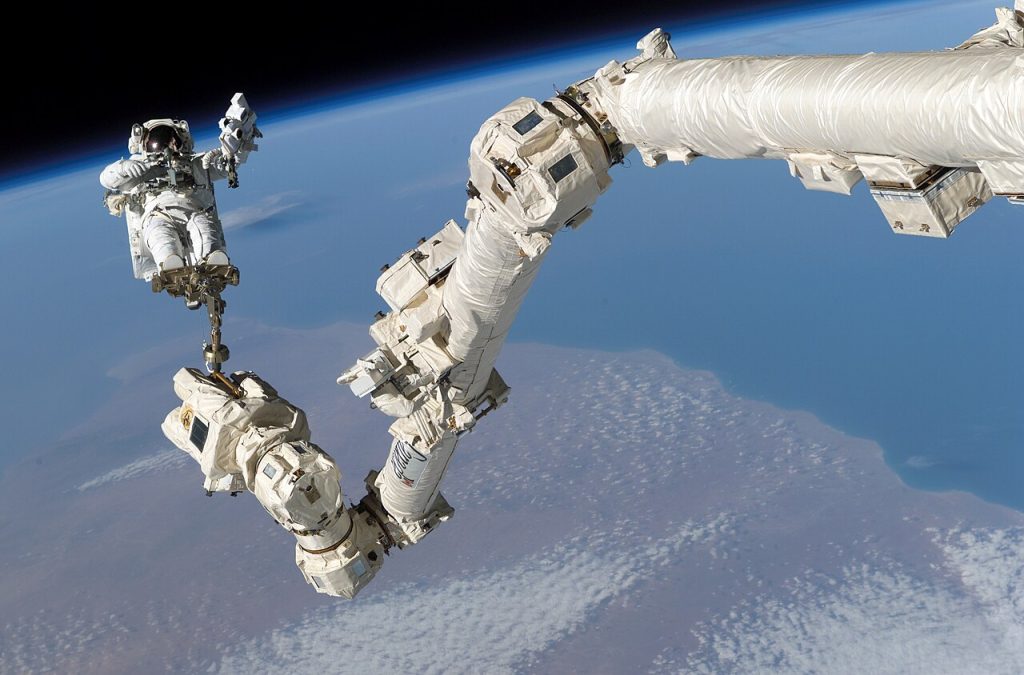
“The seven-membered Canadarm2 and its agile partner, Dextre, are vital for assembly, docking, and maintenance. They have also transported astronauts to their destinations.” These robots are examples of global efforts that required adaptability in addition to accuracy.
9. Private Astronaut Missions
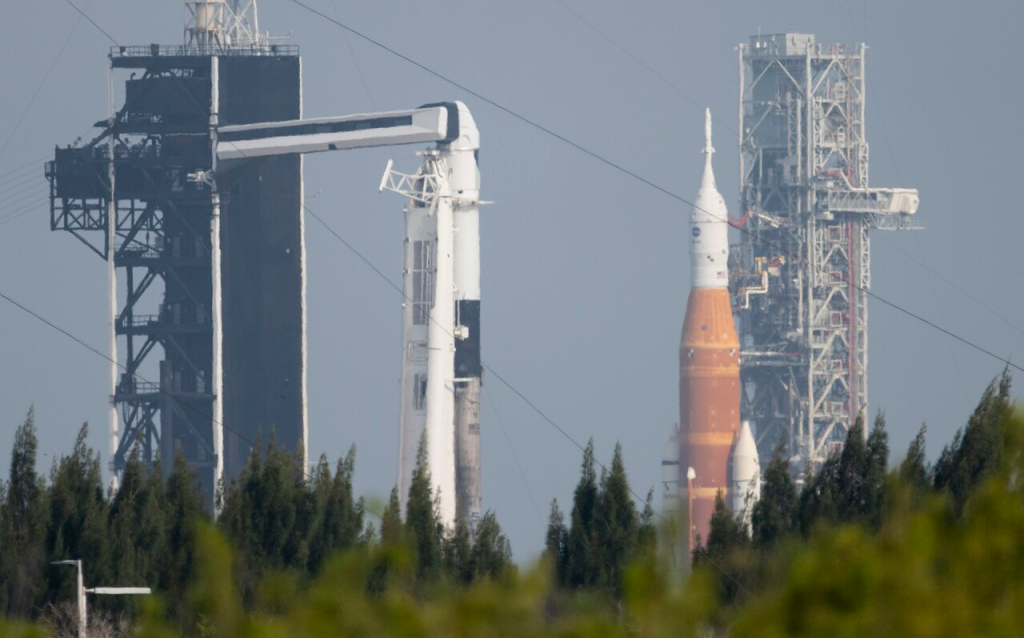
The ISS is no longer the exclusive destination for government-operated crews. Individuals now pay around 55 million dollars to experience an expedition, with tough trainee programs. Corporations like Axiom Space already have plans for mission expediencies, with separate modules that will detach to establish commercial stations.
10. Preparing for the End
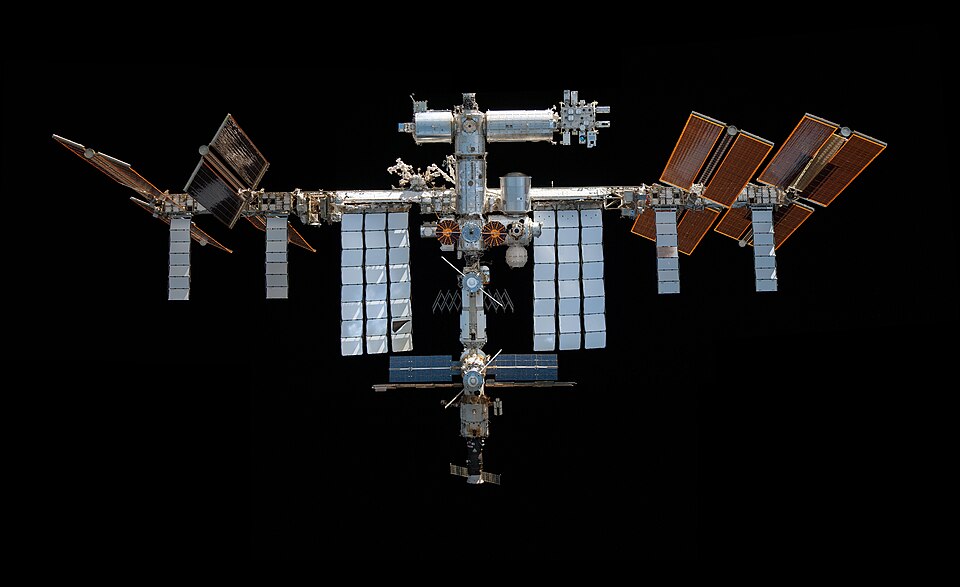
The ISS is planned to be decommissioned by 2030 by NASA using a specially designed US De-Orbit Vehicle to safely guide it to a distant region of the ocean. The stations, however, are lined up to continue human space activity in LEO via commercial stations and Chinese Tiangong space stations. After 25 years of operation, the ISS represents a technological achievement and an example of global cooperation.
The ISS’s technology-driven solutions will pave the way for further exploration, while the scientific research on the ISS has revolutionized the aspects of physics, biology, and the Earth itself. With the final phase of the ISS approaching, it will leave a legacy on the spacecraft that will continue the journey of humankind into space.


