“How can negotiations be conducted when rockets are still being dropped?” is the paradox the Ukrainians are facing as they experience one of the most extensive arial attacks carried out by the Russian forces in months amid negotiations with the U.S. and other international allies.
These attacks have taken place when intense debates regarding a new peace framework are also happening in Florida, London, and Brussels. The leadership of Kyiv, Washington, and Europe is faced with a situation where it has to balance the realities of the battlefield with political necessities while Moscow seeks to test the defenses of Ukraine. It is against this background that there have been some key developments that are influencing the strategic realities.

1. Russia’s Overnight Drone and Missile Attack
From the Russian capital of Moscow, 653 drones and 51 missiles landed in Ukraine, injuring eight people and hitting 29 spots. According to Ukraine’s air force, it had destroyed 585 drones and 30 missiles, but critical infrastructure was still damaged. The Zaporizhzhia nuclear power plant lost power temporarily, posing a threat to safety. French President Emmanuel Macron called on Russia to continue applying the pressure to achieve peace.
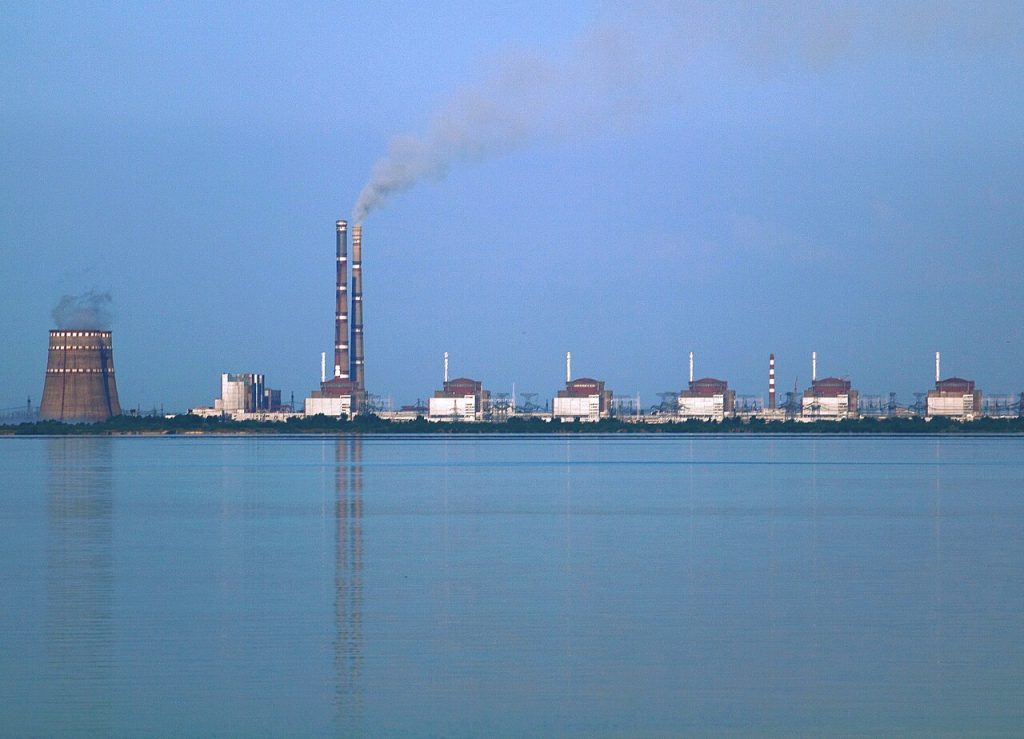
2. Extended Loss of Power at Zaporizhzhia Nuclear Plant
The biggest nuclear station in Europe has repeatedly experienced record outages that have lasted over 72 hours and has been forced to take up the workload of emergency diesel generators. The situation was found to be “deeply concerning” by the director general of the IAEA, Rafael Grossi, since a repeat of power outages does lead to accidents in a nuclear station. The Ukrainian government has argued that Russia uses the nuclear station as a negotiating trump card, and satellite imagery has confirmed that new lines will soon link it to Russia.
3. Ukraine’s Low-Cost Drone Inter
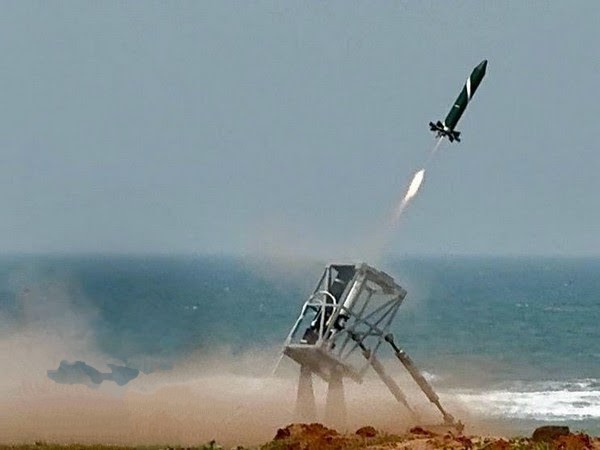
Kyiv has come up with ways to combat these attacks every night by designing their own Sting and Bullet-interceptors at a cost as low as $1,000 in order to counter Russia’s Shahed drones at a cheaper cost because their value could be up to $300,000, as stated by military analysts as a foundation of counter-unmanned aircraft systems.

4. Strikes on Russia’s Ryazan Oil Refinery
Ukrainian drones have targeted Russia’s fourth-largest refinery, Lukoil, resulting in the stoppage of crude distillation unit operations and petroleum product sales. The refinery, with a total processing capacity above 260,000 barrels per day, has witnessed various fires and capacity losses due to attacks. Such attacks are part of a string of Ukrainian attacks against refineries, storage facilities, and shipping ports in an attempt to limit Russian capacity in supporting military actions.
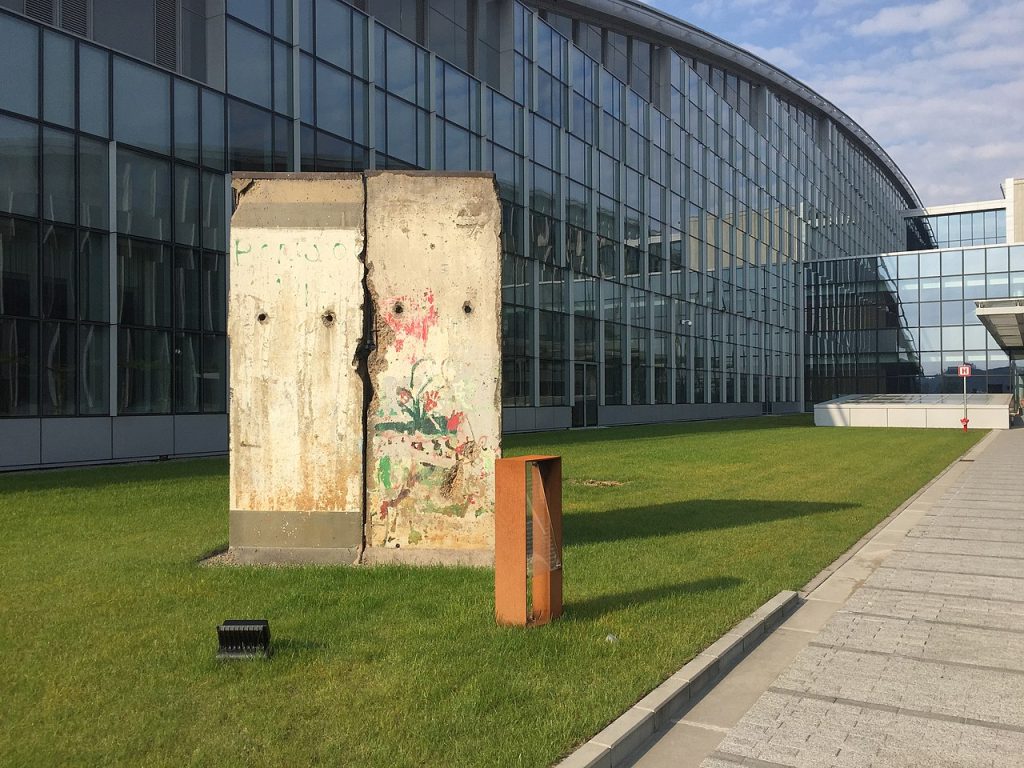
5. Battlefield Stalemate and Attrition Logic
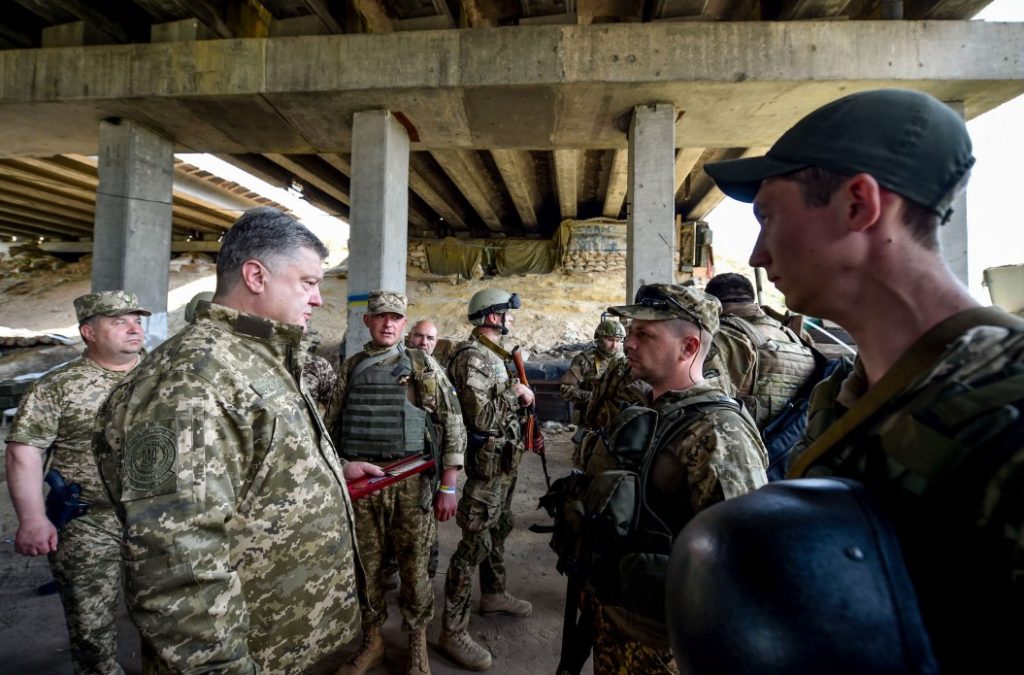
Over the past year, neither side has enjoyed significant breakthroughs. This is because “a 15-20 km kill zone has, through the heavily fortified zones in Ukraine and prepended fire, effectively calibrated a kill zone that is now prohibitive.” This is despite Russian losses reported at thousands per week, yet Moscow is set in its ways and is patiently waiting out what will finally be the weakening of the military and will power of Europe and Ukraine. Both sides are busily increasing their production levels, with Europe set to equal Russian artillery production levels by 2026.
6. Evolved Peace Plan and Security Guarantees
That initial 28-point plan for USMEFMM was pared down to a 20-point plan, but there remained outstanding points of contention involving control of the Zaporizhzhia station and control of the Donbas region. Ukraine is demanding ironclad assurances of security similar to NATO’s article 5 assurances but is not prepared to surrender an inch of territory. Like their transatlantic brethren, these leaders are resolute to draw no more than “hard-edged” assurances to preclude future aggression.
7. Long-Range Missile Dynamics
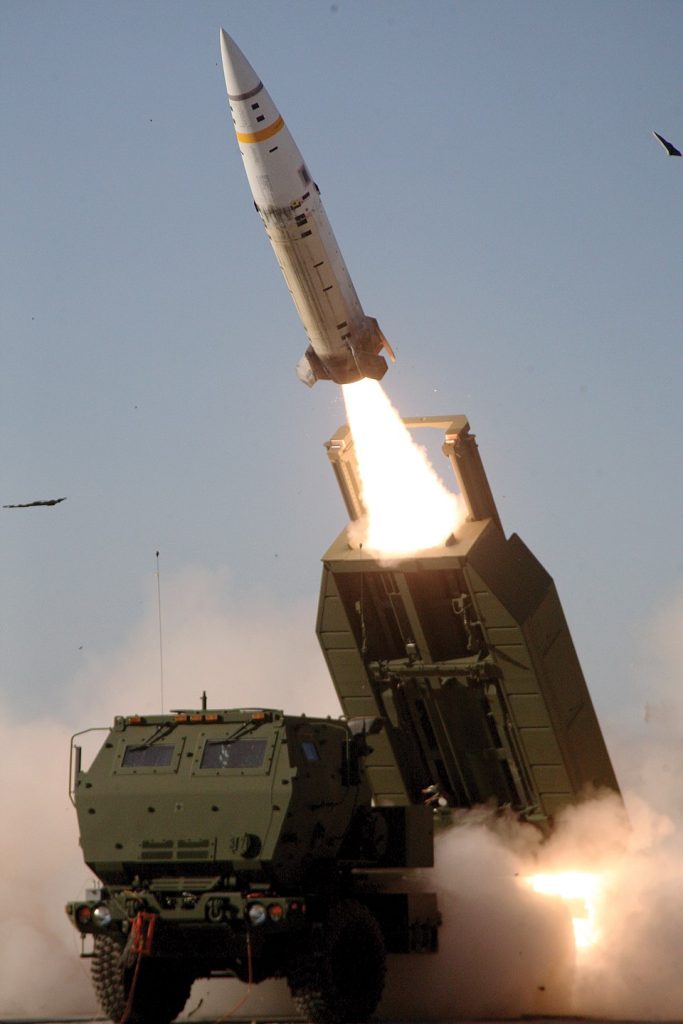
After US approval, towards the end of 2024, the Ukrainians unleashed their ATACMS and British ‘Storm Shadow’ missiles against Russia, with varying results. Russia has been showing their hand with the Mach 10 ‘Oreshink’ missile, featuring six ‘mid-course splittable warheads.’ The Ukrainian air defenses, now incorporating PAC-3, have progressed to successfully tracking launch aircraft, with a number of successes against ‘unstoppable’ ‘Kinzhal’ missiles.
8. Western Military Assistance to Industrial Output
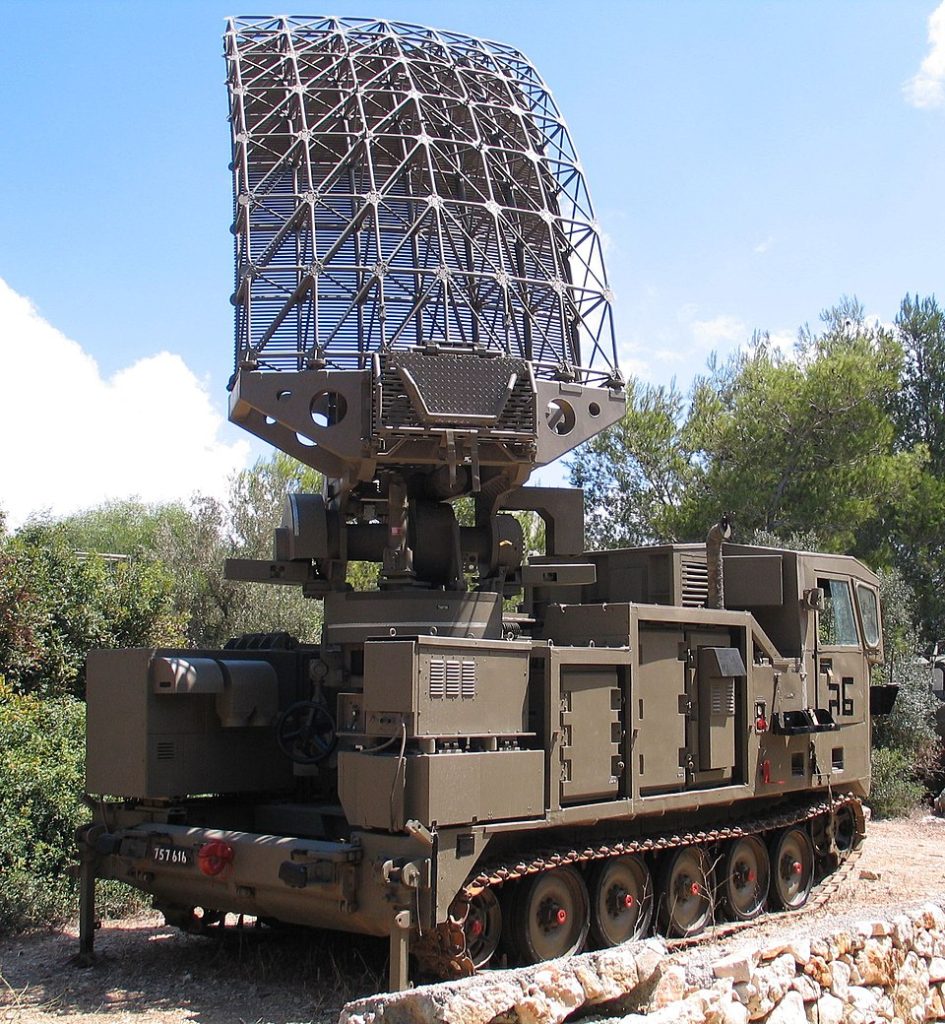
A lot of the initial advantage Ukraine has on the front lines has very strong ties to Western provision: counterbattery radars, long-range strike systems, and high-end air defenses. The United States Senate approved an aid deal of $60.6 billion-аddlmost of which will be channelled directly towards domestic production in the United States related to Ukraine. It has been observed that there could be a resurgence in operational maneuver capability by Russia if aid is not provided.
9. European Hesitation and Strategic Unity
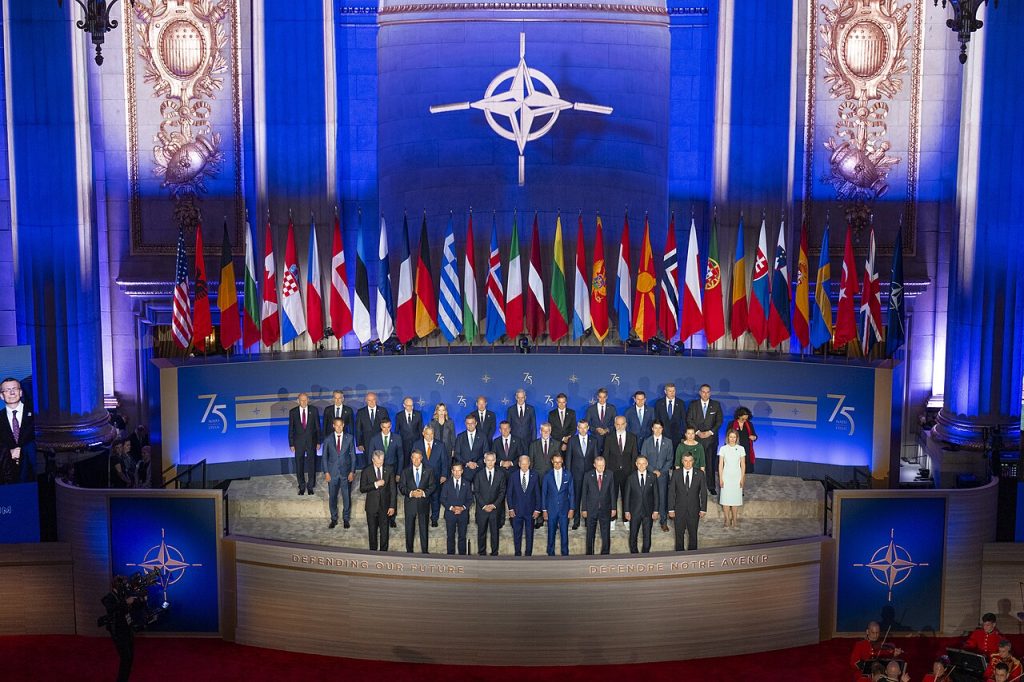
Though leaders in London, Paris, or Berlin are in support of US-led negotiations, there are doubts about forgoing any concessions. Any relaxation in measures such as a 165 billion euro loan in repayment of reparations or a complete energy disconnection with Russia may well provide breathing space to Moscow. NATO leaders whisper about the return of aggressive deterrence, realizing that any pause in action is perceived as weakness in the Kremlin.

10. Economic Burden of Russia and Its Negotiation Position
The sanctions and lost investment have caused Russia a.fecha few hundred billion dollars in terms of stagnant growth. Public support for the conflict has decreased from 81% to 74%, and 61% are in favor of negotiations but with victory dividends. Then again, the Kremlin would be focused on a position that would ensure control on the domestic side, with sanctions removed and territorial gains guaranteed, utilizing the negotiations in a position that would split Ukraine from their partners.
The fact that there is a lot of fighting on the fields of Ukraine, the dangers of nuclear safety issues, and fragile diplomatic discussions point towards the multidimensional character of the conflict. Each bombardment, each negotiations session, and each new technological application enters a kind of strategic equation in which the indicators of military resistance must couple with the indicators of political leverage.


