
Will great surface warships after World War II present a new concept of naval power, or will it be just an old mistake in shipbuilding? While Defense Secretary Donald Trump’s idea to construct new “battleships” in order to complete his Golden Fleet plan is not only raising hopes, but also skepticism regarding this undertaking, Trump, together with military leaders, attending a meeting at his Mar-a-Lago resort, vowed, “We will construct ships that would be 100 times more powerful than any battleship ever built.”
Such warship designs, starting with USS Defiant, would be conceptualized on multi-purpose giants who would have the capability for hypersonic missiles, nuclear-cruise missiles, electromagnetic railguns, and high energy-lasers. However, because of their record-breaking size, cost, and innovation on their design, there would be decision dilemmas. The following are the top nine factors that would influence the future development of Trump Class Warships.
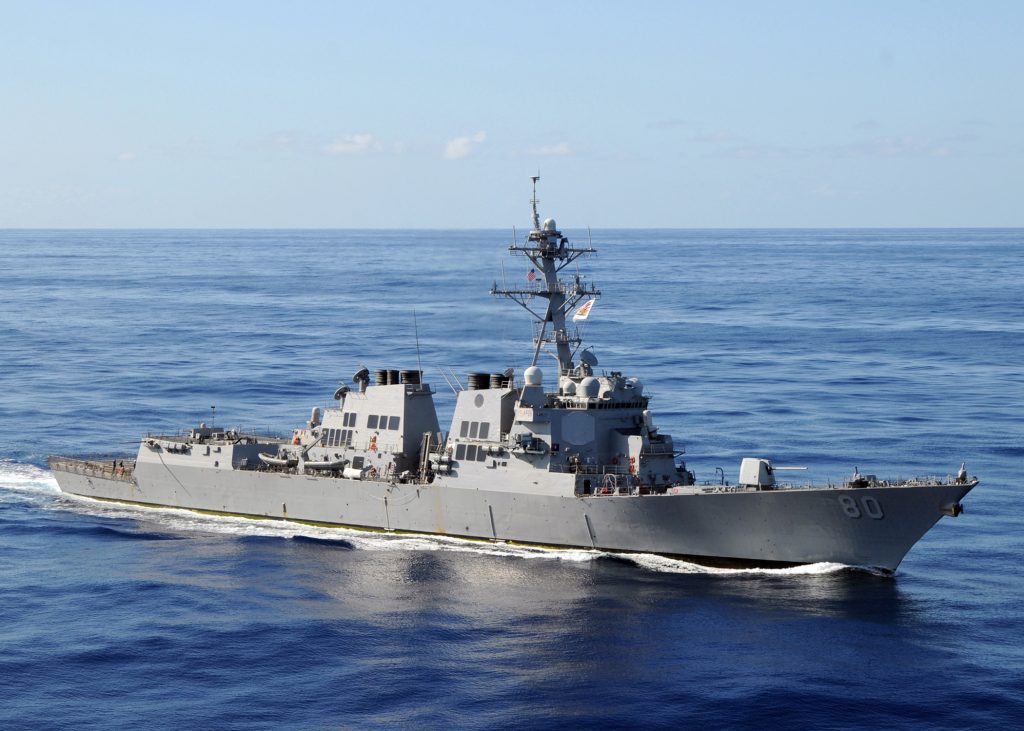
1. The Largest Surface Combatants in Decades
displacing between 30,000 and 40,000 tons, these new Trump-class ships are to be the largest surface warships in operation within the U.S. Navy since the Iowa-class battleships. They are to be three times the size of an Arleigh Burke-class destroyer and twice that of the Zumalt-class ships at 880 feet in length and in excess of 105 feet in width. They may be shorter than their Iowa-class predecessors that tipped the scales at 55,000 tons when fully loaded, but equipped in their arsenal are more advanced capabilities to combine historical ship power and new lethal capabilities.
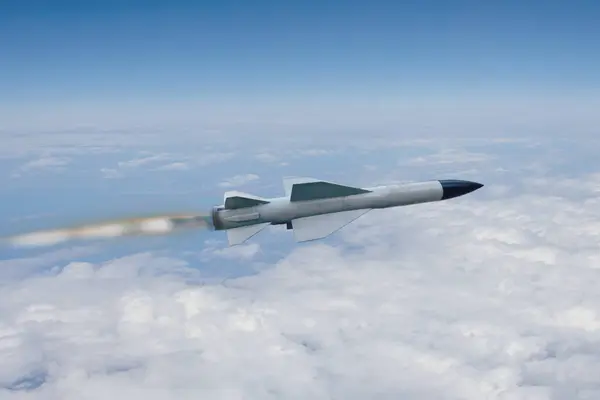
2. Hypersonic & Nuclear Strike Capability
A major feature is the addition of 12 Conventional Prompt Strike hypersonic missiles, which will be able to fly at speeds over Mach 5 and deliver precision-strike missions over long ranges. Additionally, the ships will be equipped with the Surface Launched Cruise Missile-Nuclear, which is a tactical nuclear-capable missile and will be the first time since 1991 that such a missile system has been employed by an American surface navy ship. As described by Navy Secretary John Phelan, “This is a ship that is meant to reach out and ‘smite the archers,’ to extend our deterrence and strike range beyond what has been the traditional Navy.”
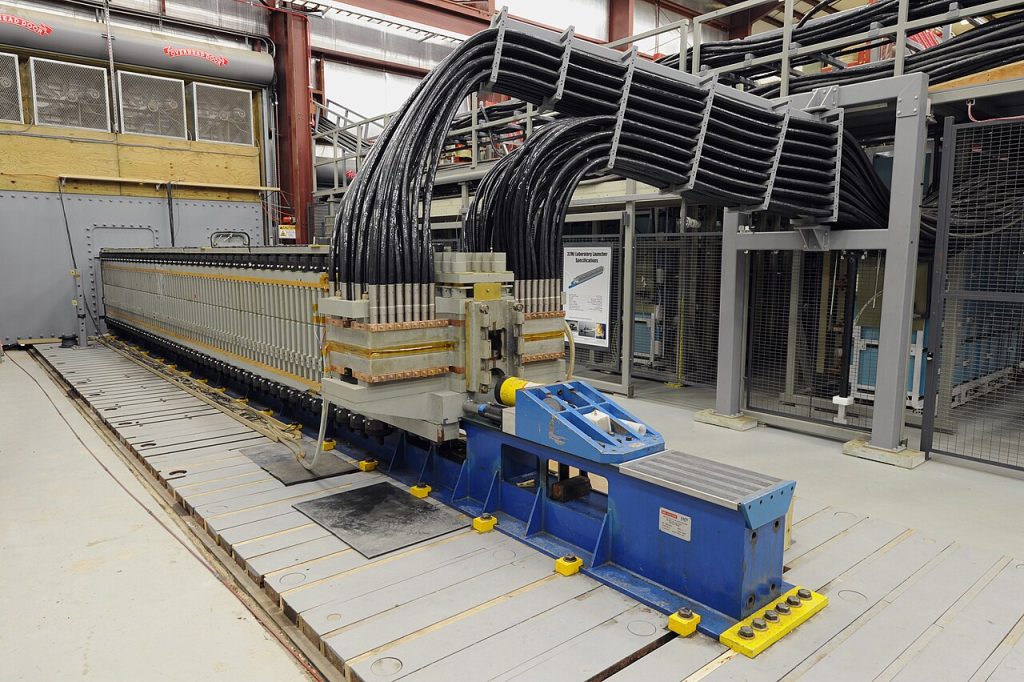
3. Electromagnetic Rail Gun & Directed Energy Weapon
The arsenal also has a 32 megajoules electromagnetic railgun, as well as several energy lasers with 300 to 600 kilowatts, integrated with Optical Dazzling Interdictor Navy tools, providing support against drones. The railgun has taken several decades to develop, but it has never been used, and it promises to launch projectiles to the hypersonic velocity domain without relying on chemical propellants. The energy lasers have endless magazines for the Close-In Defense role.
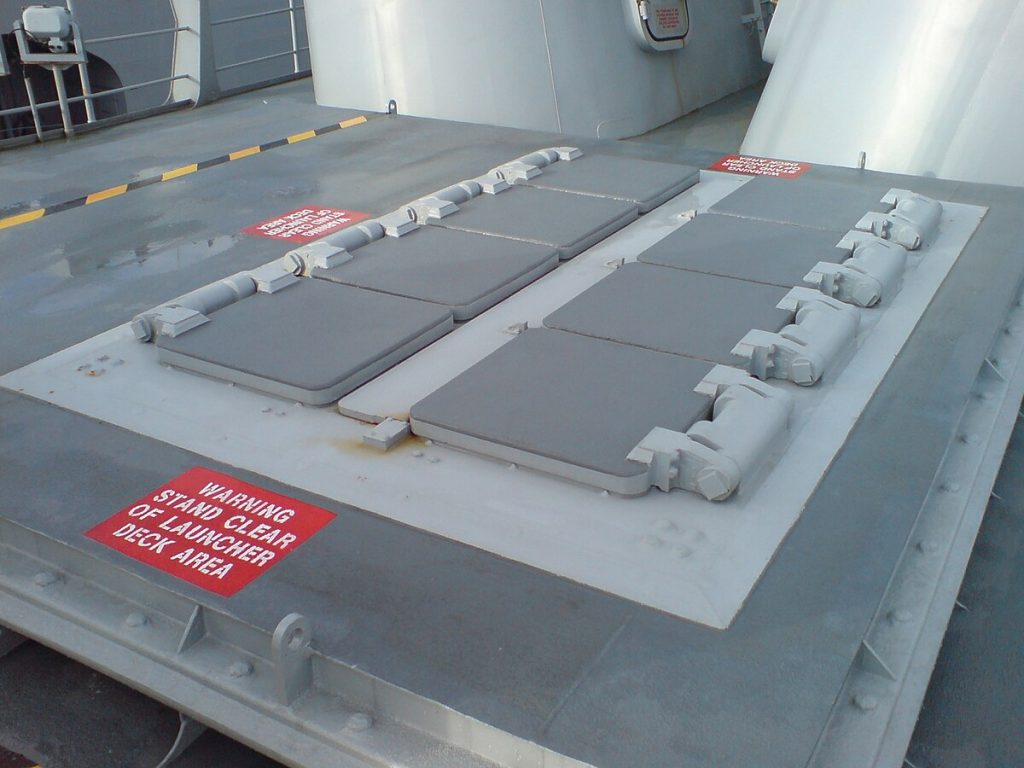
4. Vertical Launch System Launchers
“The Trump-class will have 128 MK 41 VLS ports, which can launch a mix of SM-series air defense missiles, Tomahawk land attack cruise missiles, and anti-submarine missiles ASROC,” said the report. “The design of the missile launch magazines has been conceptualized in terms of three main VLS launchers, which include two at the front side of the vessel and the other at the rear portion of the vessel, along with the hypo missiles’ tubes. This large magazine has been designed to cater to the impending deficiency of the number of available missiles in the existing fleet of the Navy due to the retirement of Ohio class submarines and Ticonderoga class cruisers.”
5. Command and Control Flagship Role
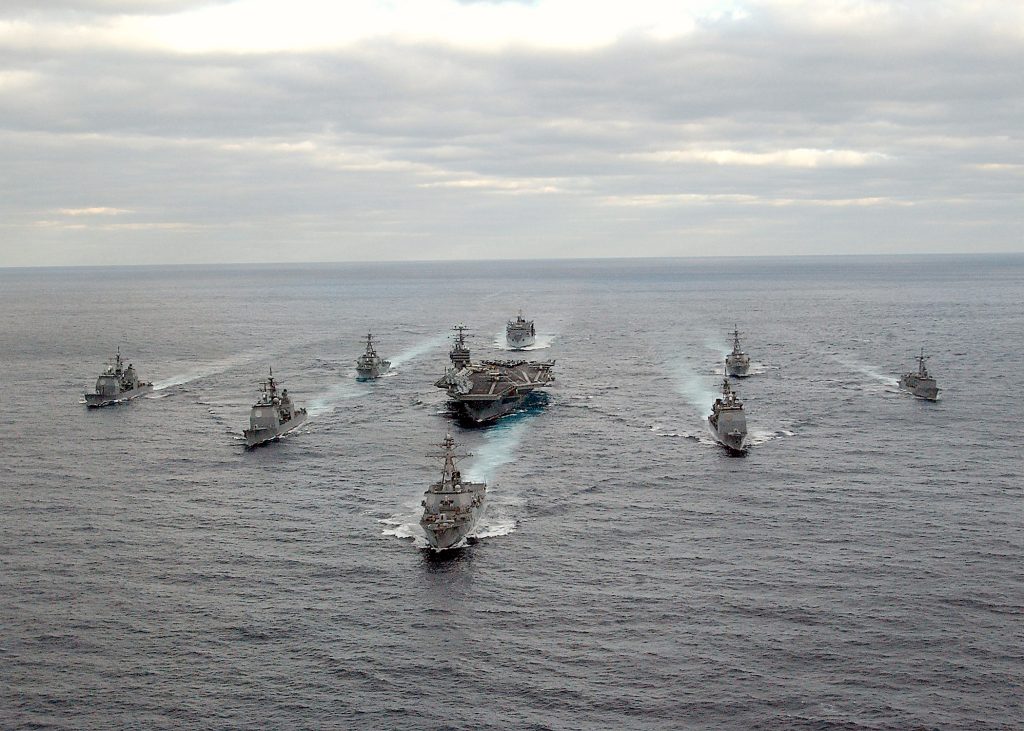
In addition to the weaponry capabilities of the ships, they are designed as fleet command nodes. These command nodes will be able to command control of both manned and unmanned platforms over a large area. The command nodes have the capacity to lead a carrier strike group, a Surface Action Group, as well as an independent operation with high-end networks. These command nodes align with the distributed maritime operations of the Navy. However, these command nodes are prone to being a single point of failure since they are packaged in few high-value assets.
6. Industrial Base and Job Creation
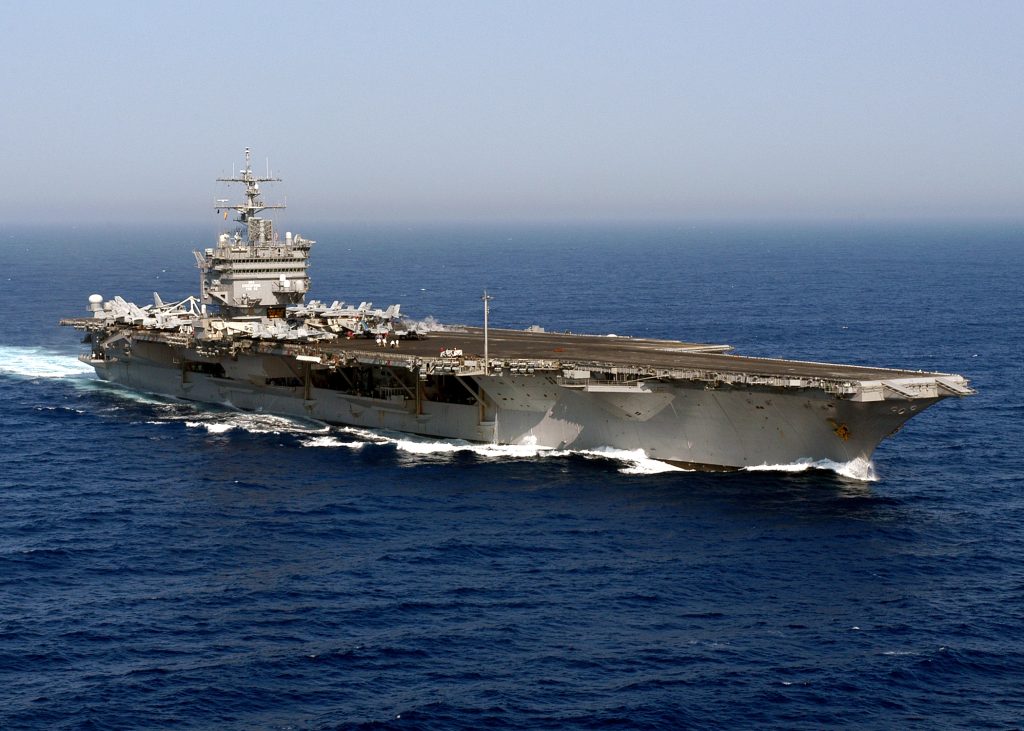
Trump pointed out the significance of local ship-building, mentioning “1,000 suppliers in almost every state” and thousands of jobs. The LHX program is currently going to be replaced by the USS Enterprise-class replacement program’s successor. The major shipyards, like HII’s Ingalls Shipbuilding and General Dynamics Bath Iron Works, have expressed their intentions to participate. It replaces the current DDG(X) destroyer program with the first buys of the two ships set to happen in 2030. It is going to cost between $10 and $15 billion.
7. Strategic Context: Countering China and Beyond
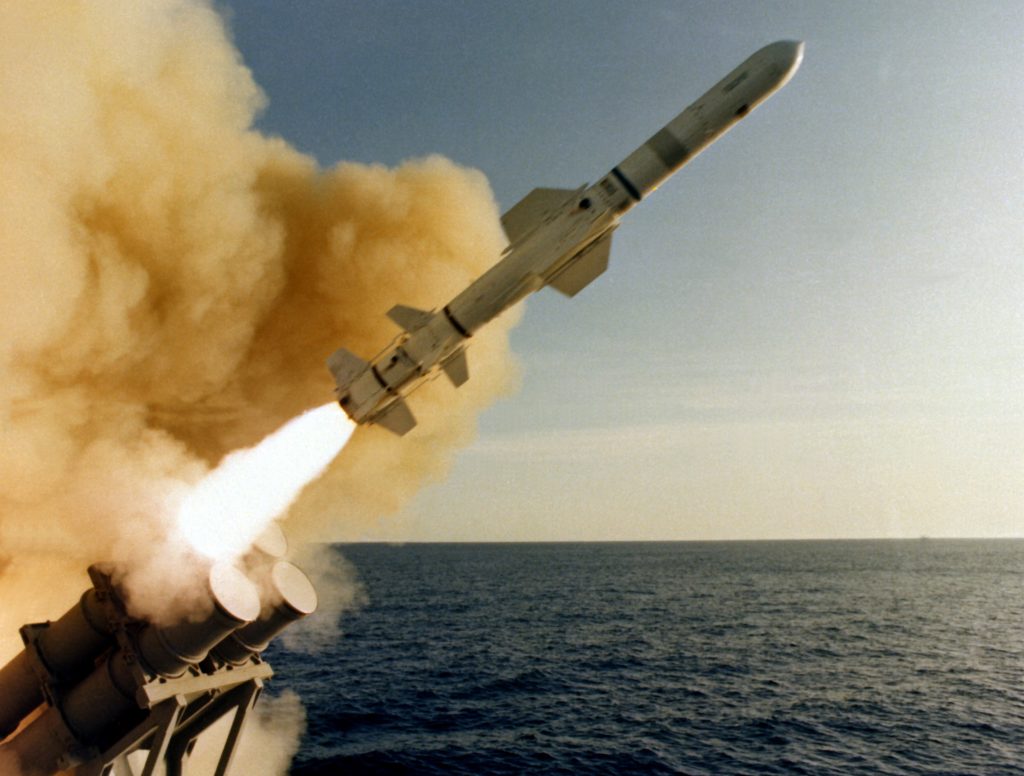
Though Trump asserted that these ships are “a counter to everybody,” within the framework of China’s increased naval forces of over 370 ships, it is possible to locate the idea of the Golden Fleet. As explained by experts, though these ships may serve a purpose in terms of support for area air defense and strike in these contested zones, they “are vulnerable to anti-ship missiles.”
8. Technical and Programmatic Risks
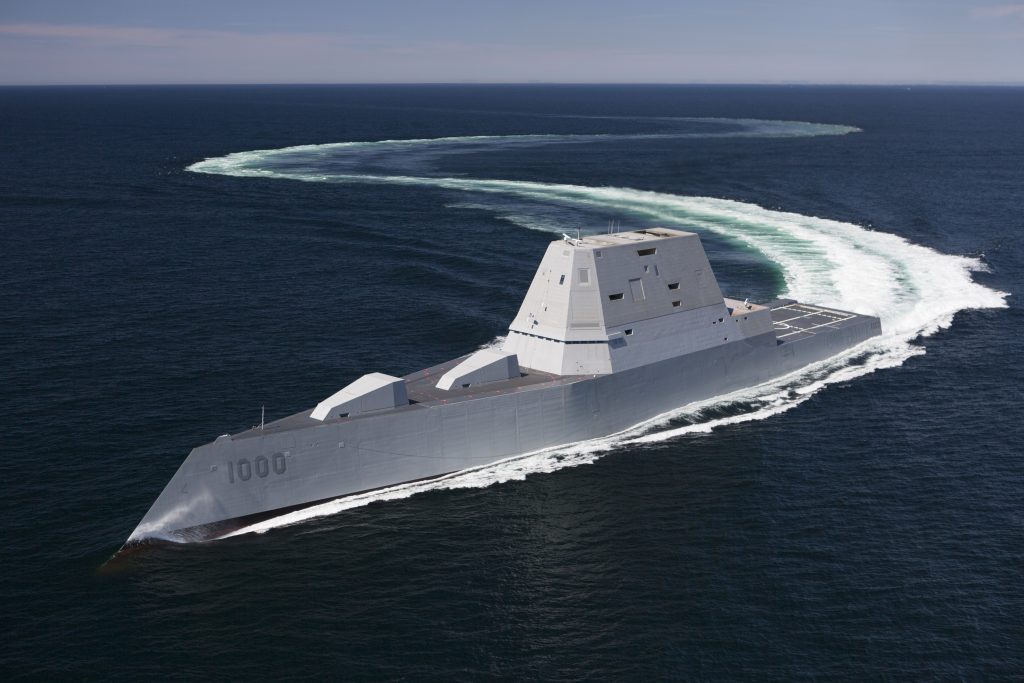
“The problem in merging various unproven technologies, for example, rail guns, high-powered lasers, and hypersonics, in one ship could potentially create a Zumwalt problem, where costs escalate exponentially while no ship is delivered.” As commented by Bryan Clark, an expert at the Hudson Institute, “The risk in having so many new technologies in the same time could potentially grow the delivery time and cost.” The initial ships will have an assembly time of up to 10 years, while the remaining ships can be fully assembled in 5 to 6 years.
9. Controversy of Symbolism & Names
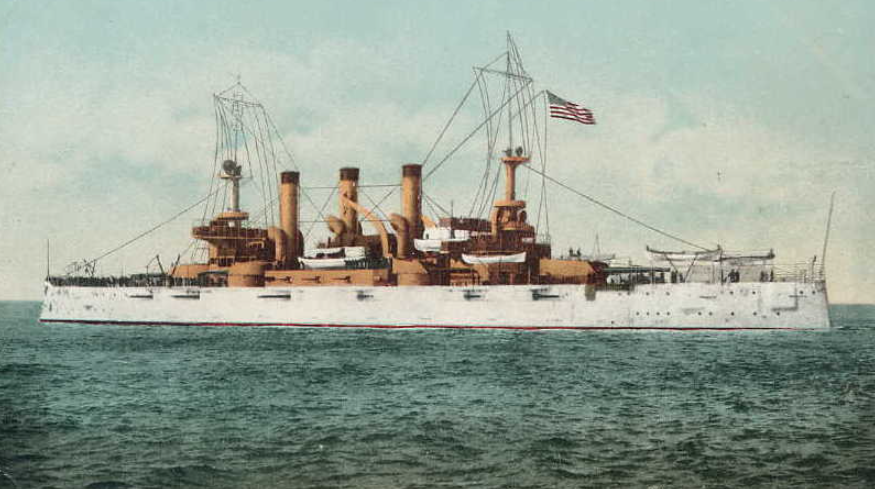
The naming representing a sitting president does not follow naval traditions, and the changing the names of the lead vessels to USS Defiant provides another unconventional aspect. The direct engagement with President Trump, based on design preferences, is typical for the politically-flavored effort. The resale of battleship names is based again on a symbolic purpose, like President Theodore Roosevelt’s Great White Fleet, demonstrated again with the Iowa class.
The Trump battleships embody both the promise and peril implied with prestigious defense projects. While promising much firepower, much technology, and much boost for industries, they must also contend with cost, maturity, and strategic roles. Whether the Golden Fleet may be more revolutionary or more cautions would be determined by the capacity to take a long view and find a strategy that could find value with more decentralized or flexible forces than with the grandiose battleships.


