
“American power is now back on the global map,” said Secretary of War Pete Hegseth in front of Donald Trump at Mar-a-Lago. But it was more than politically symbolic rhetoric because it marked the beginning of some of the largest and most complex Navy ships in existence the Trump-class battleships. For those who track the defense community, this particular announcement is much more than just about steel and guns. This is symbolic of a fundamental shift in priorities for the American navy and represents the end of an era of aircraft carrier supremacy that has been in effect for decades. The Trump program offers the promise of a bigger, faster, and exponentially more powerful naval force than has ever existed before. However, beneath the slogans, a complex landscape of design demands, manufacturing realities, and strategic considerations awaits exploration. In the following are nine factors surrounding the controversial program.
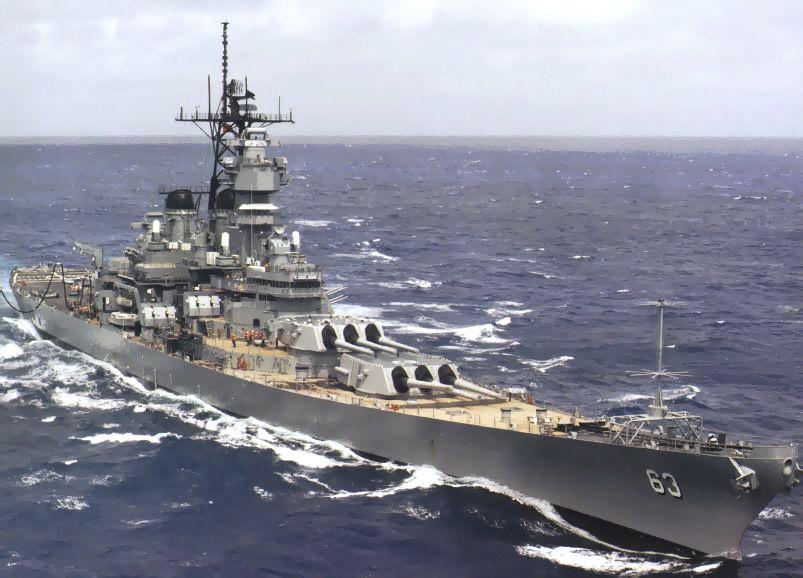
1. Largest Surface Combatants since WWII
The Trump class is expected to displace between 30,000-40,000 tons of water, making them the largest ships ever launched by the U.S. as far as surface warships are concerned since the Iowa battleships of World War II. They measure approximately 880 feet in length, comparable in size only to the USS Missouri. Their enormous size facilitates large-scale missile firepower, sophisticated radar systems, and even an operational flight deck for V-22 Osprey tilt-rotor aircraft. This multi-faceted quality makes them both strike vessels and command ships, an unusual assignment for battleships in the past.

2. Hypersonic and Nuclear Strike Capability
The offensive element of the Trump card is represented by 12 launchers for the Conventional Prompt Strike hypersonic missiles, capable of hitting their targets at speeds above Mach 5. Another component is represented by the SLCM-N, a sea-launched cruise missile that is nuclear-armed, a role that is not relevant for several decades. Additionally, the 128 vertically launched cells are designed to house Tomahawk cruise missiles, anti-ship missiles, as well as the missile defense interceptors. The ships will be able to engage various threats ranging from surface threats to ballistic missiles.
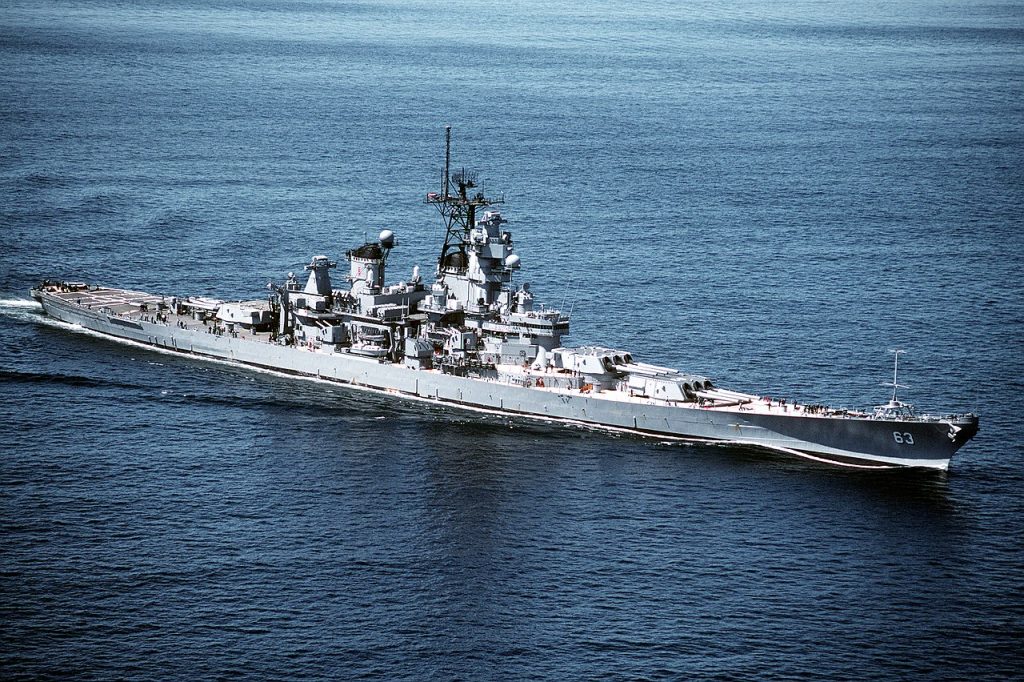
3. Directed Energy and Railgun Systems
Two 300-kilowatt laser guns that are expandable up to 600 kW have been incorporated in its design. The lasers are aimed at countering drones, missiles, and small surface targets cheaply. The lasers are solid-state lasers that address one of the Navy’s major concerns regarding magazine Exchange ratios in high-intensity battles. The ship will also be equipped with the 32 megajoule, water-cooled, and electromagnetically powered, railgun that will fire hypervelocity projectiles for long-range surface and air defenses. Though the Navy’s railgun was canceled, its inclusion in the Trump-class ship may revive the technology.
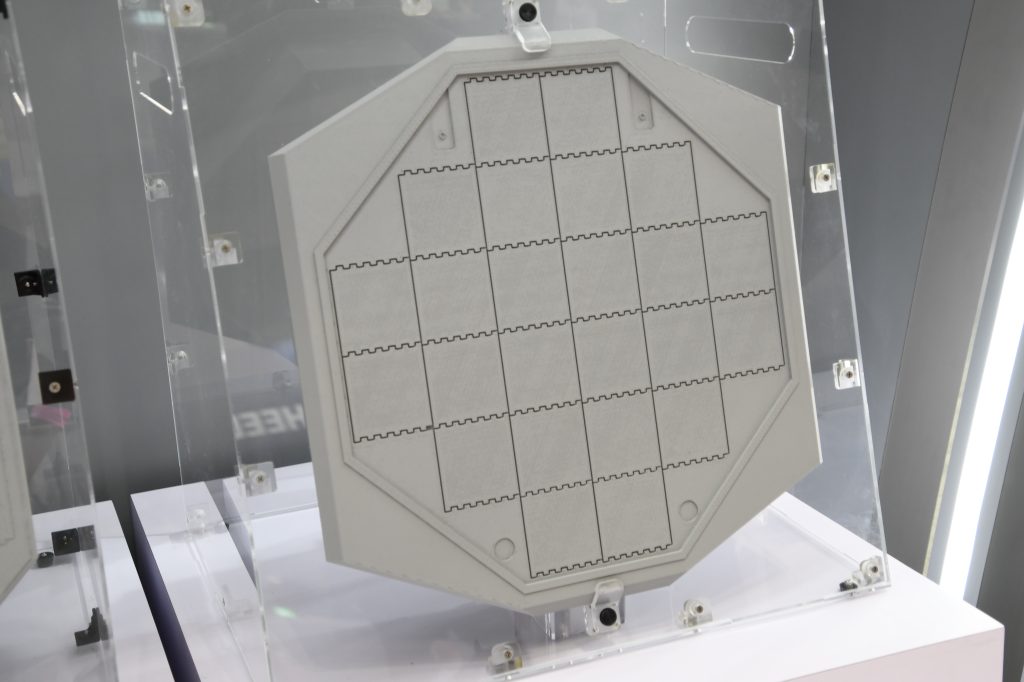
4. Advanced Sensors and Electronic Warfare
The centerpiece of the sensor packages in the Trump-class ships is the SPY-6 Air and Missile Defense Radar, which offers 360-degree protection. This sensor package is equipped with SEWIP Block III electronic warfare systems. The ships will also function as command ships and be equipped with C4I systems capable of either directing Surface Action Groups or operating with the structure of a Carrier Strike Group in order to enhance the operation of the ships as flagships.

5. Industrial Capacity Challenges
The United States shipyards are already overstretched, and this kind of ship building will necessitate reopening shut yards and/or building new ones. Navy Secretary John Phelan has announced that “all of our programs are a mess because of delays and cost overruns” on past projects. Analysts such as Carl Schuster point to the importance of having a national-scale recruitment and training program intended for shipyard workers, electrical engineers, and sensor experts alike. Otherwise, the times of production might just go far beyond initial estimates.

6. Foreign Partnerships in U.S. Shipbuilding
South Korea’s Hanwha Group is investing billions in the Hanwha Philly Shipyard with an aim of doubling its production capacity from 1-1.5 ships per annum to 20. The joint build model is based on the experience gained by Hanwha Ocean, thereby training U.S. workers overseas. Italian shipbuilders Fincantieri Marinette Marine as well as icebreaker specialists from Finland are also being shortlisted. This shows the willingness of the administration to tap the capabilities of allies in the Golden Fleet Program.
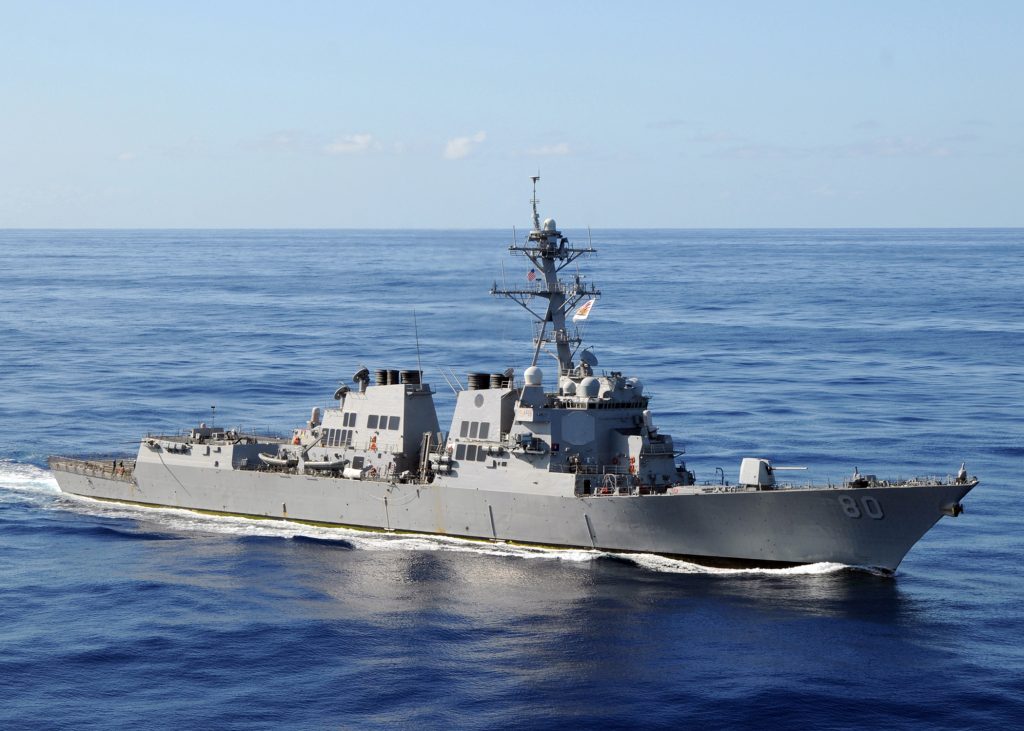
7. Cost and Fleet Composition Risks
The Trump-class could draw down an unfairly large amount of the Navy’s budget, estimated to cost as much as $15 billion per ship. Trump has proposed that they could replace Arleigh Burke-class destroyers, but to focus all firepower on one ship could prove to be difficult to strategize tactically. However, analysts have noted a concern regarding larger carriers’ susceptibility to anti-ship missiles and drones, suggesting that a more distributed fleet composition could provide improved robustness within a peer war environment by leveraging a volume of “small warships.”
8. Strategic Vulnerability in Modern Warfare
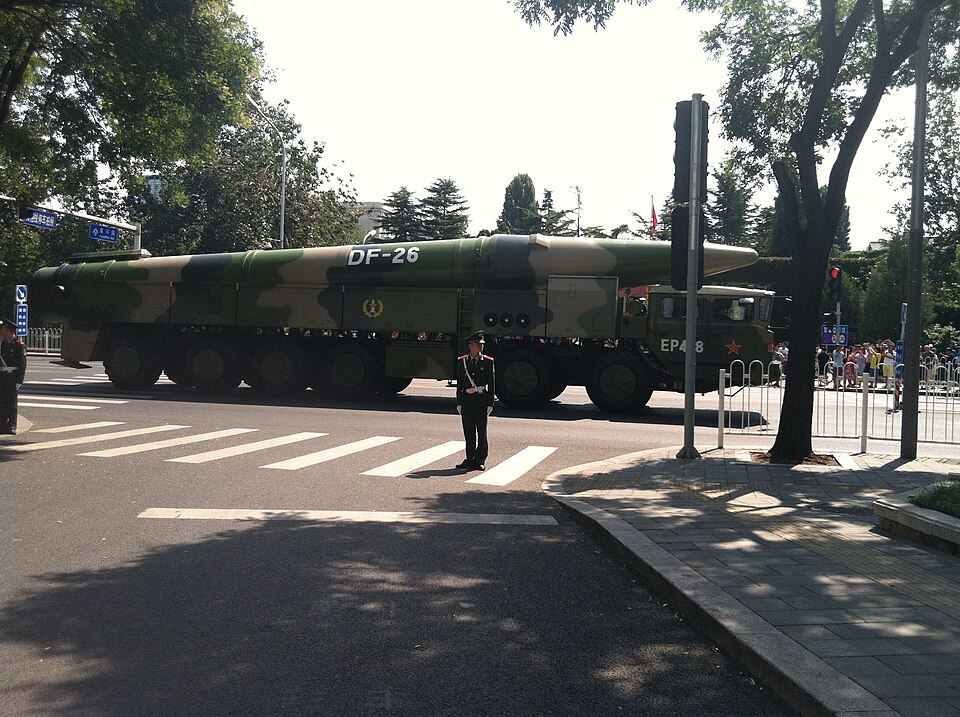
China’s DF-26 “carrier-killer” missile and new undersea drone technology are reminders of the problems of spending so much national treasure on the massive warships when some of those ships will be vulnerable to attack by these technologies in shared waterways. Scholars such as Yu Jihoon argue for spreading the firepower capacity over many ships to prevent having something of value to attack. The recent outbreaks of hostilities in Ukraine’s use of drones against Russians, for example, make a case for layered defenses.

9. Political and Symbolic Dimensions
The act of naming a class of ships after a sitting president is unheard of within U.S. naval history. Trump’s direct involvement in designing his ships, as he is himself “a very aesthetic person,” even adds a deeper meaning. Advocates look at the Trump class fleet with it as a modern-day Great White Fleet, with its power projection features. Critics see it more as a politically motivated wager that could put a strain on financial and industrial resources. The Trump-class battleships signify both technological advancement and politically loaded actions.
They promise unparalleled firing power and defensive capabilities and the resurgence of American ship-building prowess. However, their future relies on being able to overcome production constraints and staying relevant in a future in which warfare at sea is being redefined in terms of speed, scattering, and drones. Whether they end up in the annals of American greatness or serve as lessons in hubris is to be determined.


