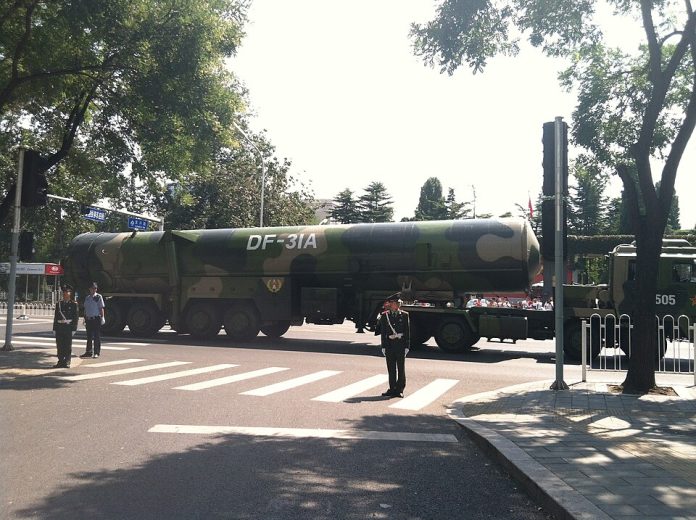
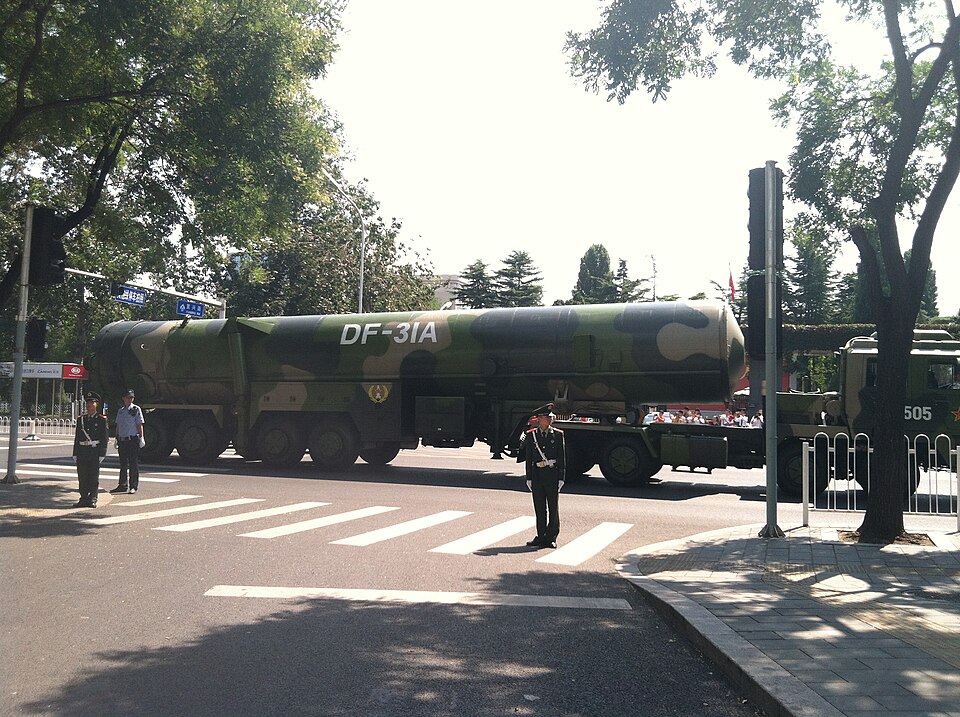
The nuclear programs of China are growing in a manner unprecedented in any country with nuclear capabilities, and it is now estimated by the defense agency of the United States that China has likely placed over 100 intercontinental ballistic missiles in China’s latest missile sites. And it is China’s unwillingness to engage in negotiations about any limits on these programs which are changing the strategic outlook for the United States.
However, from the perspective of military analysts or defense researchers, the relevancy tends to lie beyond the numbers and instead lies within the context or the intent that symbolizes the revolution or the challenge that is being expressed by the expansion. May it be the development of the nuclear attack capabilities or the corruption that tends to prevail in the Chinese military, the possibilities tend to be revolutionary.
1. Over 100 DF-31 ICBMS based in new silo formations
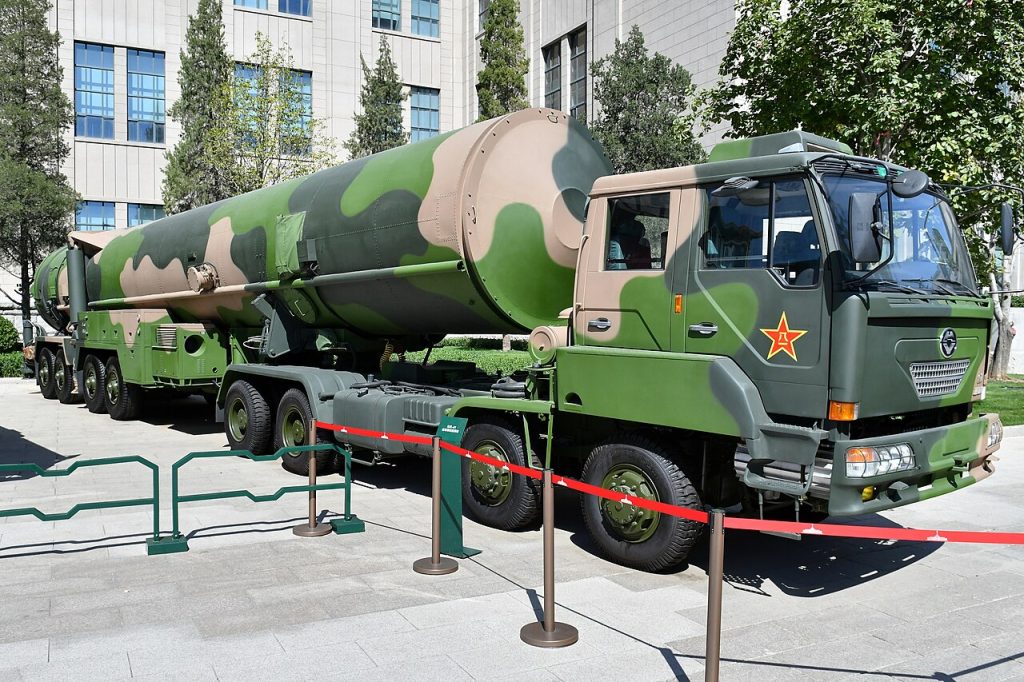
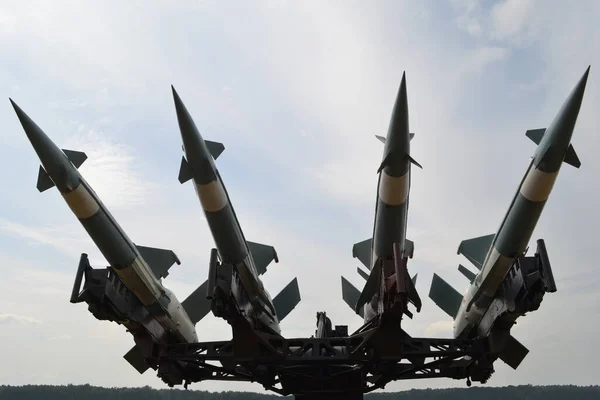
The leaked Pentagon document, as divulged by Reuters, shows a possible deployment by China of more than 100 solid-fueled DF-31 ICBMs within silo sites erected along the country’s borders with neighboring countries, including Mongolia. Although such silo sites have been known to exist, as confirmed by the Pentagon earlier, the deployment of missiles shows a degree of readiness by the military entity despite the country’s commitments to abiding by a “no-first-use” policy regarding their ranged capabilities development and use. China, as per the leaked document, has a low 600s-level number of total warheads, estimated to possibly increase beyond the 1,000 mark by 2030, as noted by the year 2024 estimates.
2. Display of Full Nuclear Triad in Public
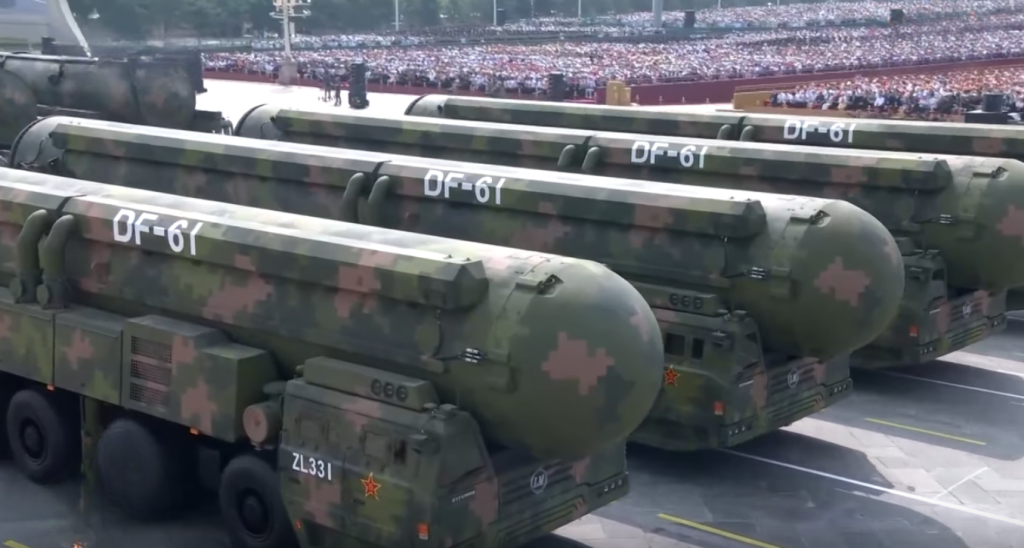
China for the first time showcased all components of its nuclear triads during its September 2025 victory parade. The nuclear forces included H-6N bombers with aerial JingLei-1 ballistic missiles, road mobile DF-61 and DF-31BJ ICBMs, and liquid fueled DF-5C missiles with multi-megaton warheads. China made its threat to Washington clear by showcasing only missiles that can strike targets on the United States continent but did not display other missiles to ensure its strategic position is mainly regional rather than strategic.
3. Launch-on-Warning Posture Emerging
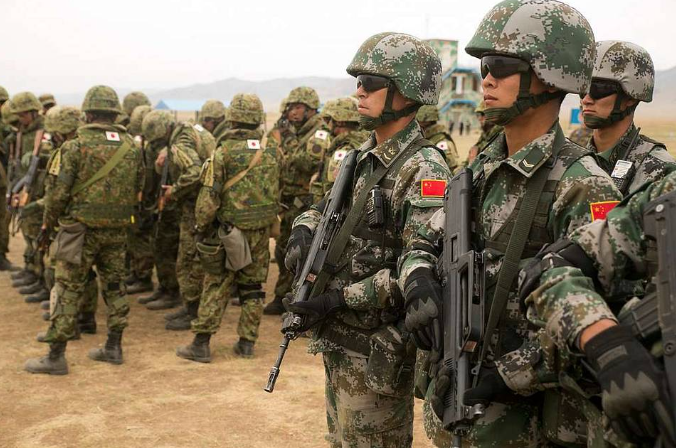
The Pentagon has indicated that military analyzes have found that China’s military intends to employ a launch-on-warning strategy by the approaching decade using a minimum of three satellites launched for early warning. The move also portrays a change in military alertness by the Chinese military from a low level of alertness that was maintained for a long time. The Chinese military has been involved in a simulated attack practice by the People’s Liberation Army Rocket Force.
4. Fissile Material Production Capacity Expanding
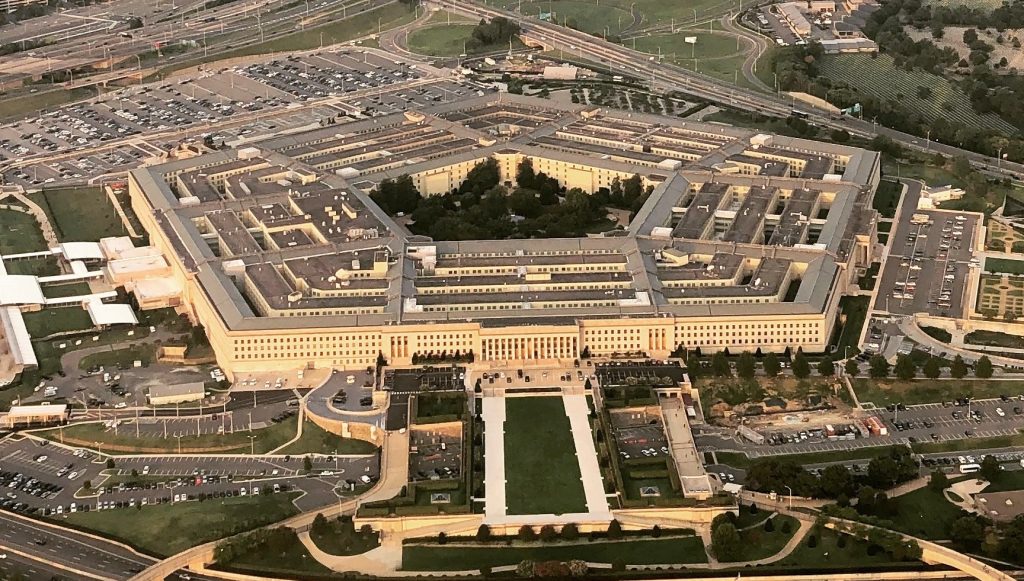
The expansion of the Chinese arsenal depends upon the production of fissile material. According to the estimate in the 2023 Report by the Pentagon, China has completed the construction of one of the two fast breeder reactors, codenamed CFR-600, located in Xiapu, and several reprocessing plants in the Jinta area. Once developed, the two reactors will give China the ability to produce over 330 kg of weapon-grade plutonium per year, which will help China meet its expected 1,500 warheads by 2035, according to the estimate of the Pentagon.
5. Corruption Purges Disrupting Military Modernization
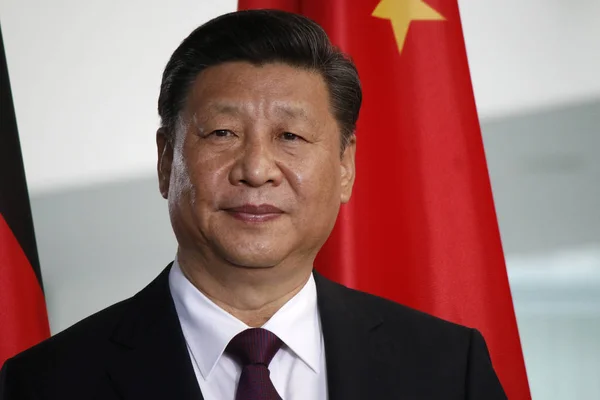
The anti-corruption drive initiated by President Xi Jinping has had ramifications at the highest level in the People’s Liberation Army, with at least 26 high-ranking officials in state-owned firms involved in weapons manufacturing being investigated and dismissed. The top Chinese defense firms’ revenue fell by 10% in 2024, as reported by SIPRI, with NORINCO registering a fall of 31%, as per reports. The drive has already delayed various projects related to missile, space, and shipyard construction, which could, in turn, affect the operational readiness of necessary assets, such as in a Taiwan response.
6. Strategic Messaging to Deter U.S. Intervention
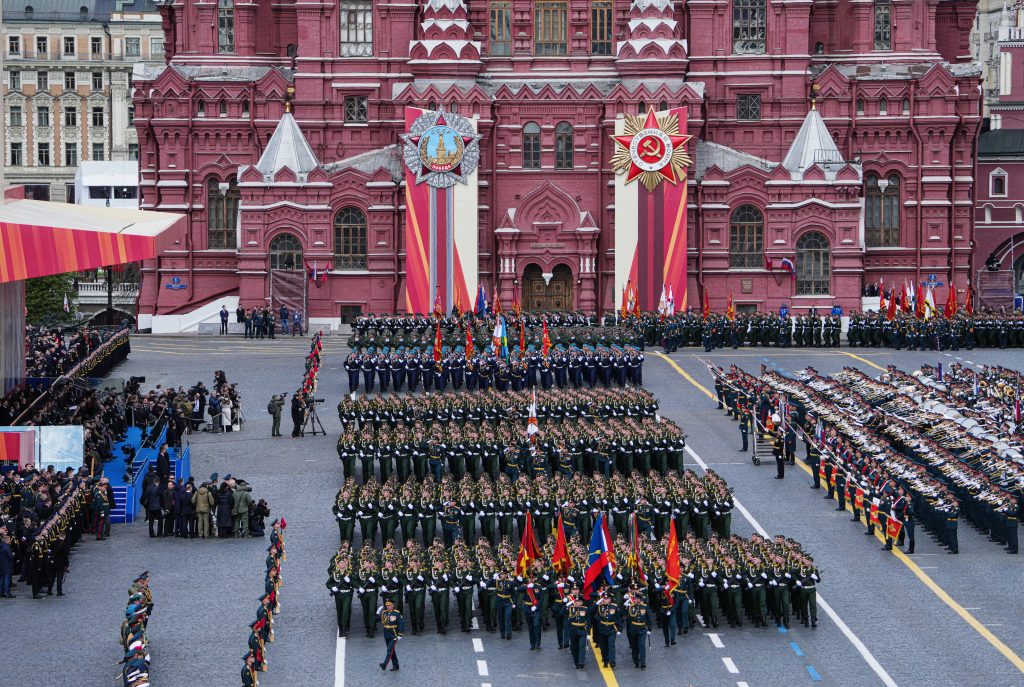
The fact that China chose to display only long-range nuclear forces during the Victory Day parade, along with leaders of Russia and North Korea, has further emphasized the image of a strategic partnership against America. There is evidence suggesting that China avoided displaying intermediate-range missiles, as they showed confidence in conventional missile power used for regional crisis management, while keeping nuclear power aside as a deterrence against US intervention, especially in the Taiwan issue.
7. Taiwan Contingency by 2027
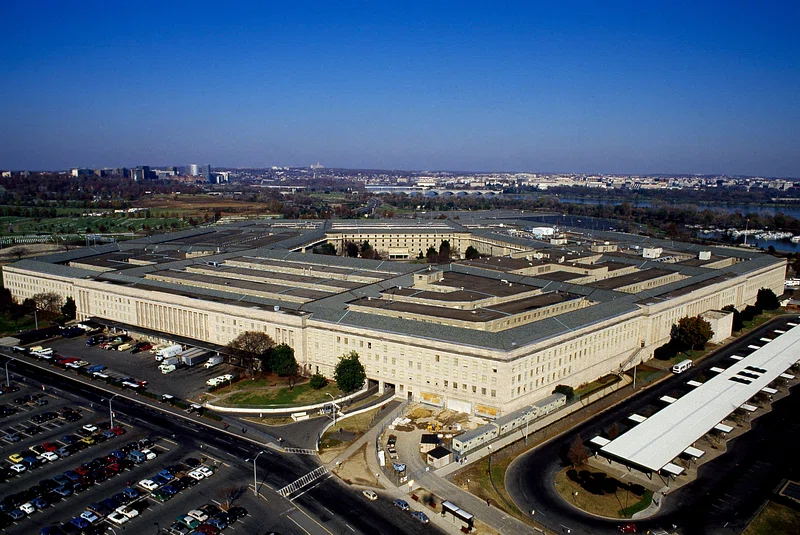
According to the report released by the Pentagon, China intends to be capable of “fight and win” a war against Taiwan by the end of 2027. The strike can be up to 1,500-2,000 nautical miles from China to engage the US in the Asia/Pacific region. The deadline of 2027 has been referred to as the “Davidson Window,” and this has pushed the Taiwanese government to embrace the porcupine approach to defend the country.
8. Arms Control Stalemate
Although the U.S. and Russia have been interested in the possibility of trilateral nuclear arms control, “there has been no appetite at all” in China. When New START expires in 2026, it has the potential for an “overall nuclear arms race” between the three. As explained by weapons specialists at the Arms Control Association, “More nuclear weapons and no diplomacy won’t make anyone safer.”
9. Risks of Hollowing Military Capability
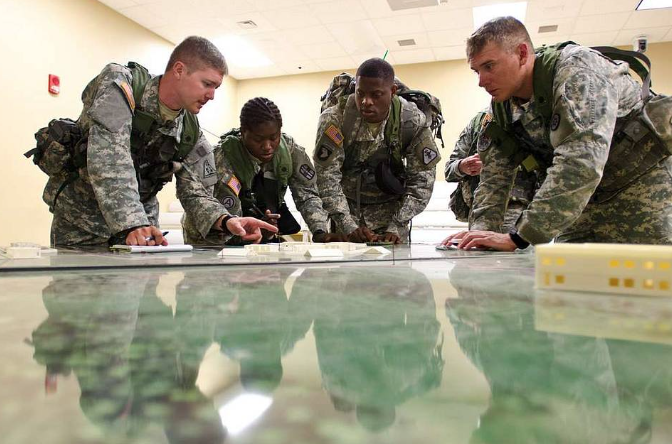
According to reporting from SIPRI and other organizations globally, there are concerns that “the PLA may find itself to some extent undermined in its operational effectiveness by corruption and promotion on political merits, such as has already been apparent in Russian involvement in the early phase of the conflict in Ukraine.” Fearful and centralized command could lead to problems in mission command that might be necessary in future joint operations.
The Chinese nuclear modernization “is certainly occurring in tandem with conceptual development and weaknesses within their nuclear industry sectors,” and strategic communications that aim to “radically alter ultimate deterrence dynamics.” From a military strategy viewpoint, “the challenge is to seek to discern whether Chinese nuclear modernization is likely to provide long-term superiority or whether it might also potentially be vulnerable.” With the architecture of nuclear control coming unraveled and timeframes related to potential conflict involving Taiwan becoming more pressing, all nations in nuclear capabilities must sustain the vitality of ‘deterrence dynamics.


