The single notion of a weapon that could destroy thousands of satellites within mere minutes is no longer science fiction; rather, it is reality, which NATO’s intelligence community presently warns against. The reporting of two members of the international alliance shows that the Russian government works on an entirely new anti-satellite capability focused on breaking up the ability of Elon Musk’s Starlink satellite network. Such a network has been critical to the battlefield communications of Ukraine and the West’s military in general.
But this new threat is part and parcel of a wider renaissance in counterspace ambitions being touted by the Kremlin, including development and testing of new missile systems and rumors of research programs for nuclear-armed satellites. Some have questioned whether such a system could be developed and operate in space without descending into unmanaggable chaos in low Earth orbit, but this is what passes for intelligence on these matters.
1. The ‘Zone-Effect’ Pellet Weapon Concept
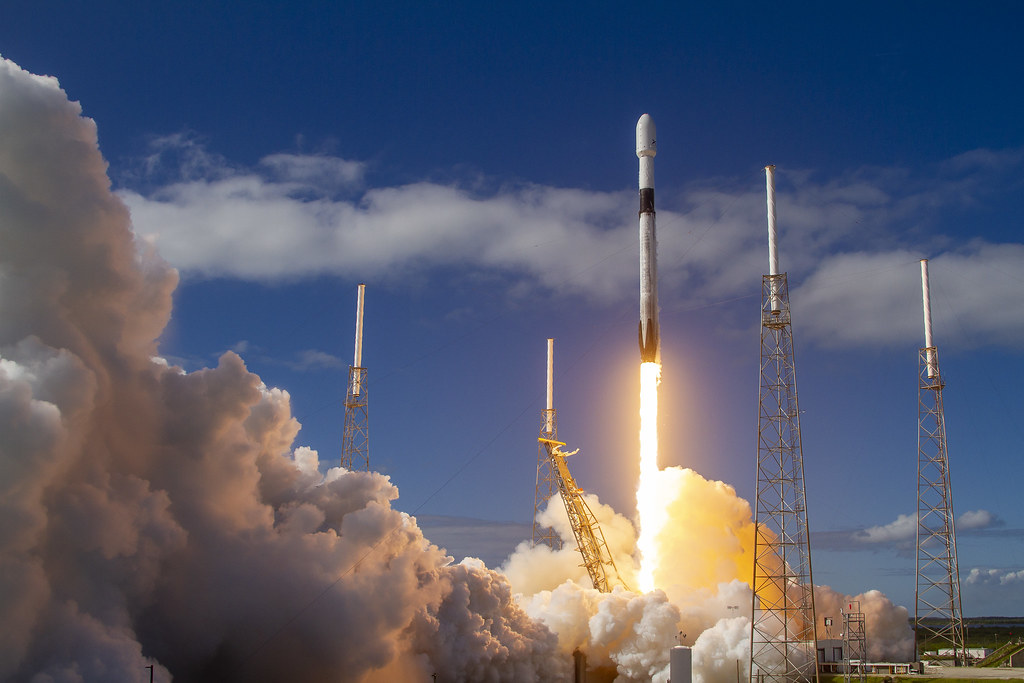
According to NATO research, an “zone-effect” weapon would be used in this manner: it would “deliver hundreds of thousands of high-density pellets into Starlink’s orbital paths.” In contrast to an attack aimed at destroying satellites with missiles, this method would potentially cripple multiple satellites at once. The small pellets, only “a few millimeters in diameter,” would also be “difficult to detect with current tracking methods.” This was made clear by Brig, Gen. Christopher Horner of Canada’s Space Division, who noted an attack of this type would “blind an entire orbital belt” of satellites across “similar altitudes,” calling it “an incredibly troubling” prospect. The unintended consequence of this type of attack would not only affect allies but could potentially damage the Russian or Chinese satellites as well.
2. Strategic Targeting of Starlink
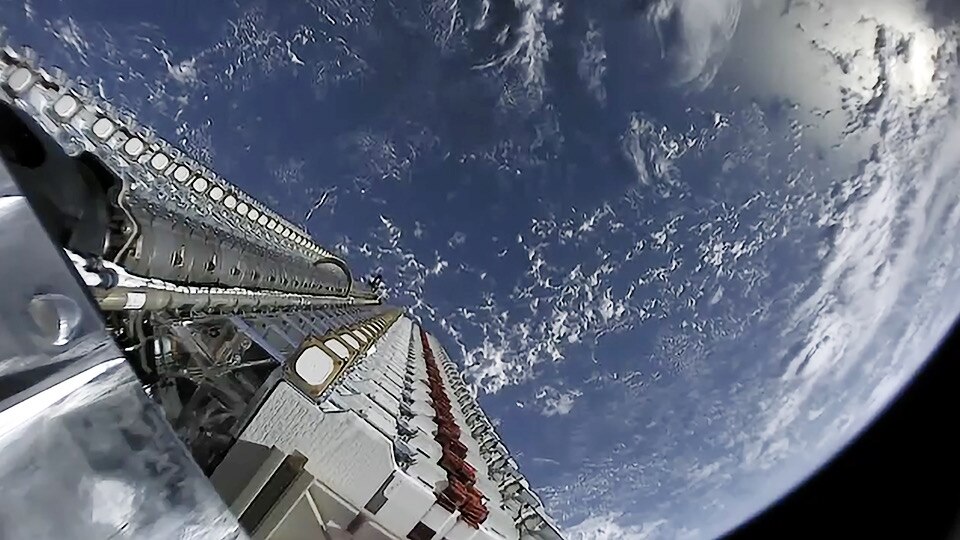
As part of the Ukrainian defense system, Starlink has been in the crosshairs. Since February 2022, Starlink has made sure that internet speeds in low orbit have been used for military purposes such as targeting, in addition to infrastructure. Russian officials have often warned that satellites used for supporting Ukrainian military could be fair game. It would destroy Ukrainian military coordination along with Western situational awareness if Starlink were weakened. This, however, will have far-reaching ramifications on the world’s communications, with two-thirds of low-Earth orbit satellites controlled by Starlink.
3. Space Debris Escalation Threats
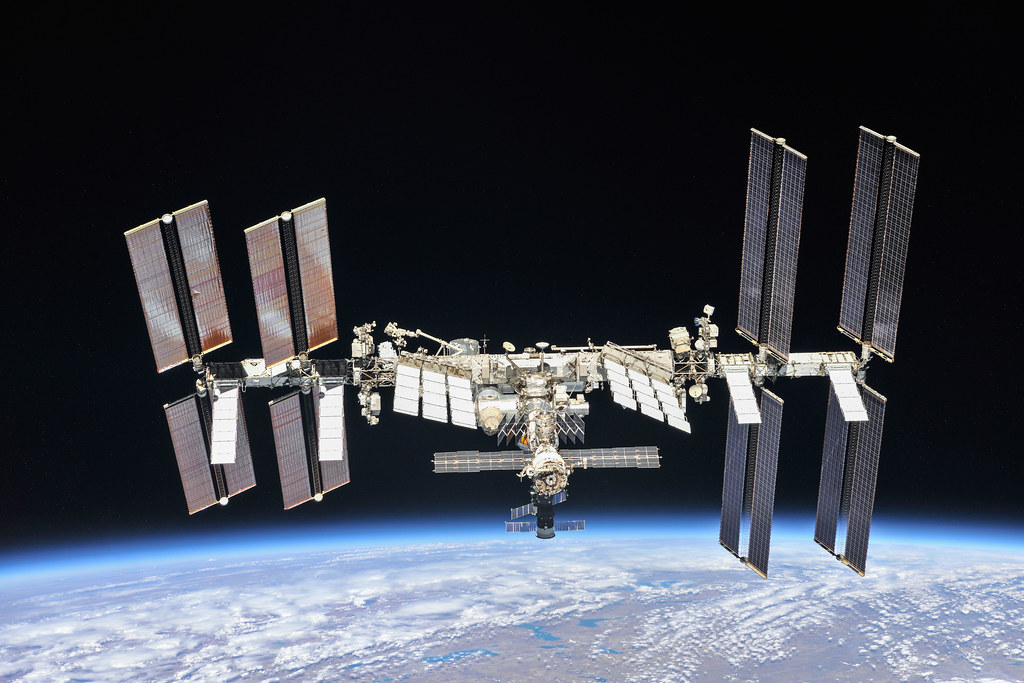
The use of pellets would generate “a debris cloud extending well above Starlink’s 550 km altitude.” The International Space Station and China’s Tiangong space station sit in lower orbits and may be impacted. Debris from previous anti-satellite ASAT experiments – such as the 2021 ASAT test conducted by Russia to destroy Cosmos 1408 – already threatens Starlink, with 6,079 close approaches tabulated to date. “Clouds of indiscriminate pellets” could quickly lead to “a Kessler syndrome effect” that makes “entire orbital corridors unusable for decades.”
4. Delivery Possible by Small Satellite Formations
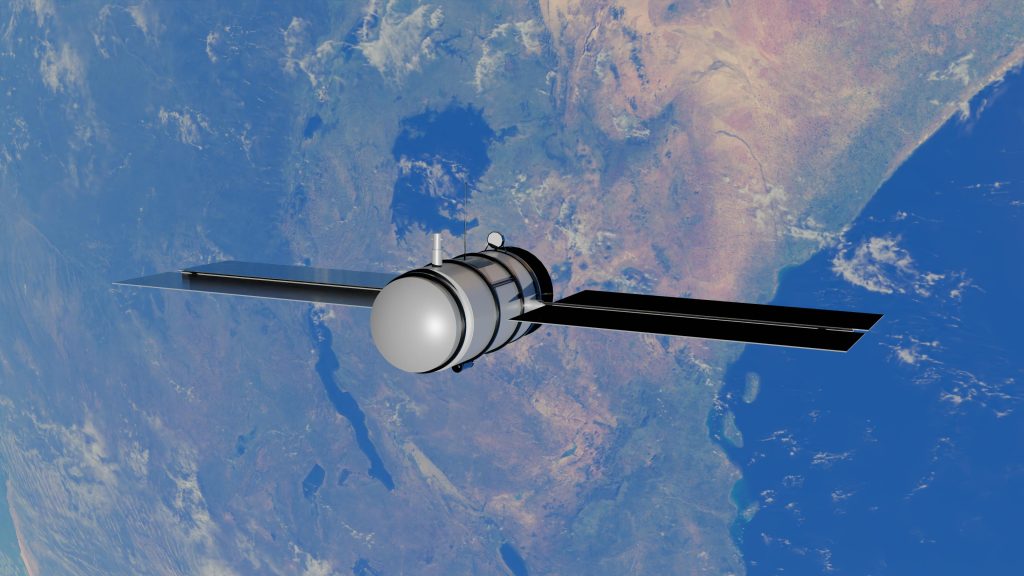
According to analysts, it is believed that formations of small satellites yet to be launched can result in pellet launches. It is an approach that will avoid ground-based launch detection systems and allow the pellets to launch secretly. This approach has been part of the developments in proliferated low-Earth orbit systems where many satellites are used for resilience. The irony is that such satellite systems (mega-constellations) of Russia and China could fall prey to the same technique.
5. The S-500 Prometheus Factor
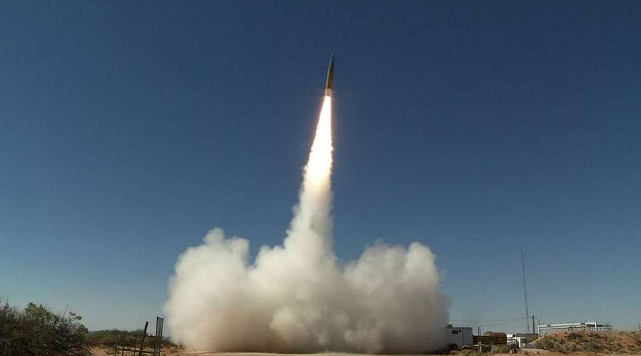
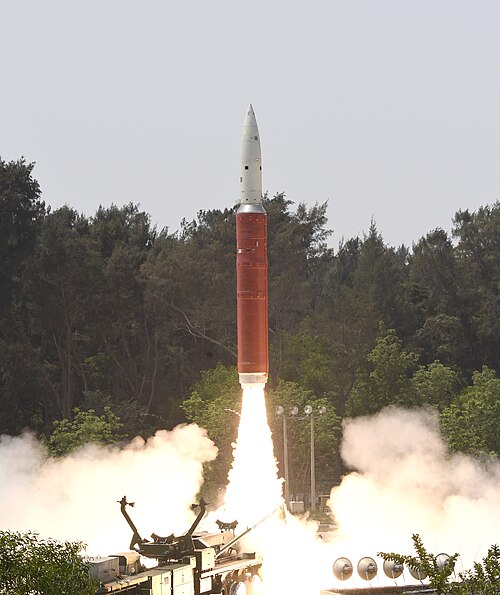
The newly developed S-500 has an operational range against low orbital satellites up to 200 km. While it’s a different mechanism than the pellet idea, its development does show that Russia is working on developing its capabilities in anti-satellite missions. The S-500 system has a multi-radar system and a hit-to-kill mechanism which is effective against ballistic missiles and satellites. It provides a more accurate, yet escalatory, counter-space weapon.
6. Atomic ASAT Charges
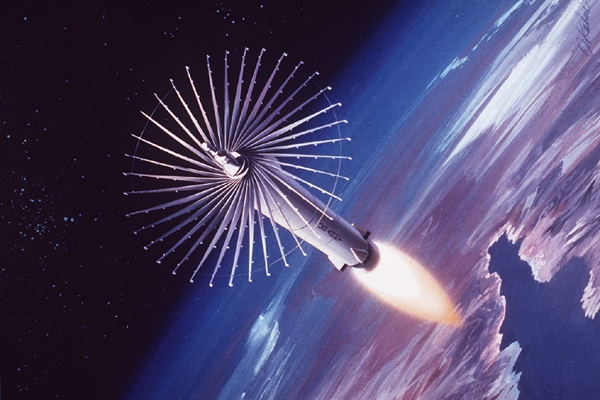
Notably running parallel to the reports of the pellet guns, warnings have been issued by US intelligence circles about Russian research into nuclear-equipped space-based weapons. A blast could disable several hundred satellites through radiation and electomagnetic impulses without producing debris, but would breach the 1967 Outer Space Treaty. Confirming the same, the White House National Security Communications Adviser, John Kirby has said, “That would be a violation of the Outer Space Treaty.” The Area-Sensitive Effects of Nuclear ASATs could affect allying as well as non-allying countries equally as much as enemy countries.
7. Legal and Diplomatic Fallout
The use of either pellet or nuclear ASAT would violate the set norms, particularly Article IV of the Outer Space Treaty, that prohibits the presence of any weapon of mass destruction in outer space. This could trigger an arms race in space, diminishing cooperation on such fora as the UN Committee on the Peaceful Uses of Outer Space. This comes at a tense time, more so when the New START treaty is due for expiry in 2026 and the level of distrust between Russia and the US is on the increase.

8. Weapon of Fear and Deterrence
Analysts such as Clayton Swope of the Center for Strategic and International Studies think the pellet system may be more about deterrence rather than an attack. Having the potential to create mayhem in space may carry some weight for the russians without having to fire a bullet. This was also cited by Victoria Samson of the Secure World Foundation, where concepts of space attack are sometimes used to force reactions or spend more on space attack defenses.

9. Operational Drawbacks for Russia
Because Russia depends on its native satellites for military, commercial, and scientific operations, indiscriminate use could be dangerous. This would mean that the use of a pellet or nuclear ASAT weapon would essentially shut off the use of space for Russia as well, according to an observation by Samson: this appears self-defeating as dangerous to Chinese systems. The NATO information on Russia’s supposed pellet antisatellite weapon acts as a reminder of the speed with which the space domain is being militarized.
Regardless of whether the technology is real, in the experimental stages, or simply a psychological warfare operation, monumental ramifications are the implications of this technology. It has never been more obvious than now that the next war will not be fought in the classic sense of missiles or laser beams but accomplished through clouds of debris.


