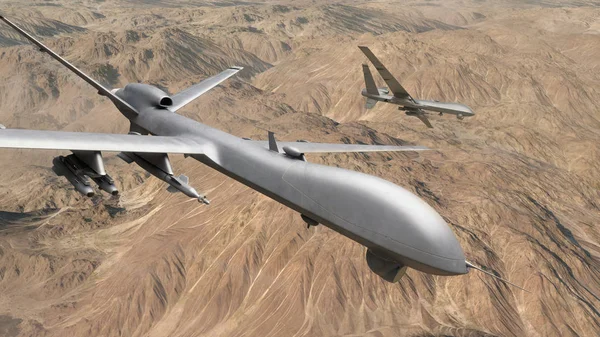
“The component is the battlefield.” This was once a conceptually defined mantra that was limited to defense think tanks but became reality in 2025 when the drone war between Ukraine and Russia reached unprecedented heights. This year has marked an unprecedented acceleration in the development and deployment of unmanned aerial vehicles at both sides of this now lightning-fast innovation cycle.
Rather than playing to the margins, drones are now the key to far-off warfare, upending the strategic order. Ukrainian attacks probed Russian territory more extensively than ever before, hitting oil refineries, airfields, and militarized infrastructure, as Russian efforts continued to mature and expand their own drone campaigns. The evidence suggests that the war is now being fought in an increasingly aerial way by tiny, cheap, and smart machines, and that has massive ramifications.
This breakdown captures the most significant trends from 2025’s historic level of drone activity, unpacking how the interaction of technology, geography, and strategy impacted the battlefield.
1. Drone strikes feature prominently on the Russia’s 2025 incidents map
In 2025, there were approximately 8,300 military strikes within Russia, with almost half of those, 4,000, being carried out by drones. Additionally, Russia shot down 3,400 other drones out of the sky, which gives an indicated magnitude of operations. This represented an increase of 33% in strikes over 2024, in addition to a 52% increase in those shot down.
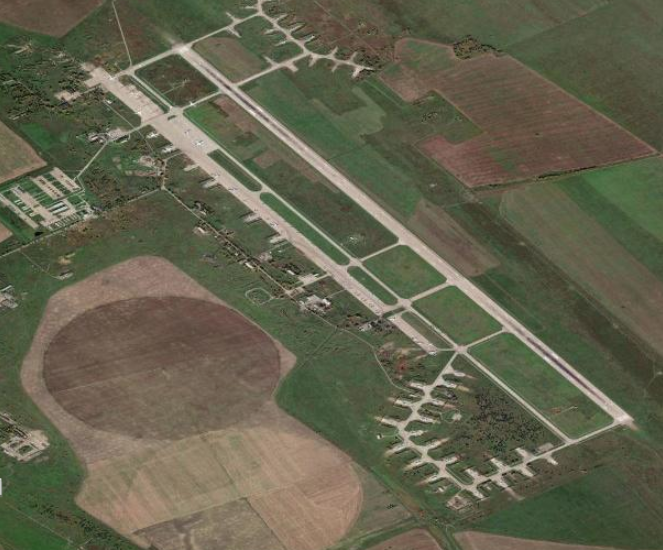
The greatest impact was on the Belgorod region, amounting to 57% of all strikes, although attacks have been recorded in at least 49 regions, including deep penetration attacks in Siberia. In one of these attacks, for instance, operation Spider Web employed truck-launched drones that struck the Belaya airbase in Irkutsk, which is over 4,000 km from Ukraine. An average of 20 drones daily either struck their targets or were eliminated on Russian soil.
2. Operation Spider Web’s Long-Range Breakthrough
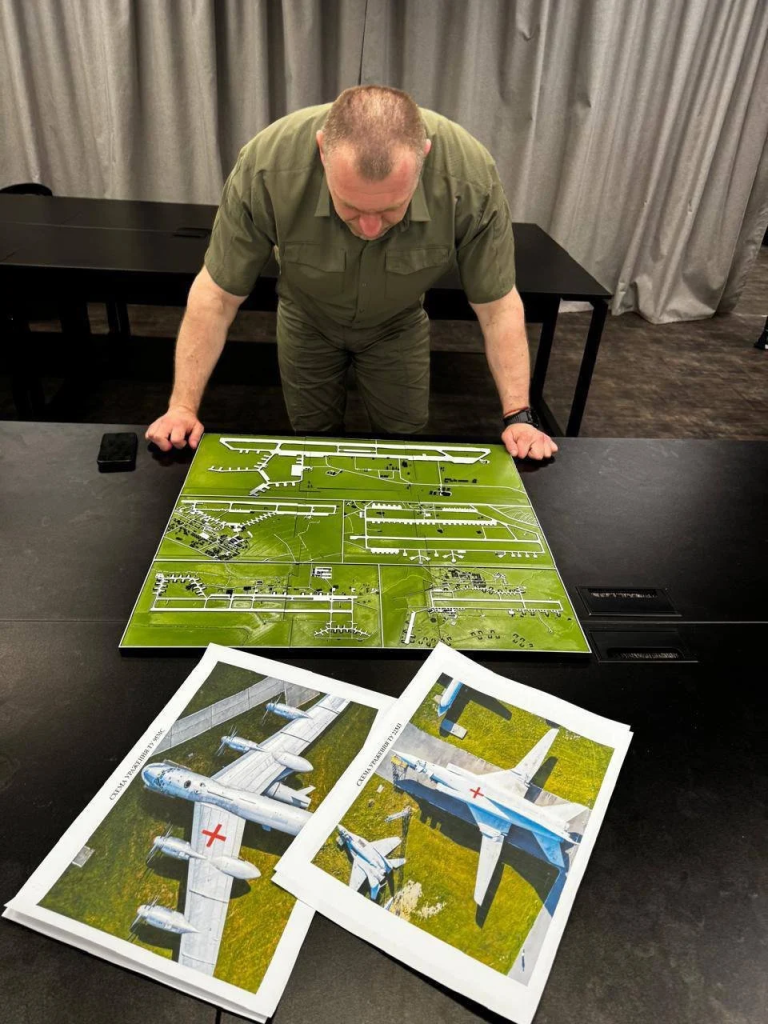
The cheek of “Operation Spider Web left everyone bewildered.” More than 117 drones, each staffed by a separate pilot, were smuggled into Russia hiding in lorry trailers and used to bomb strategic bomber bases as far apart as Murmansk and Irkutsk. The Ukrainian President, Volodymyr Zelensky, described the preparations: “One year, six months, and nine days.”
These targets involved bombers Tu‑95, Tu‑22, Tu‑160, which are no longer in production, and the A‑50 early-warning aircraft. The destruction, according to the Ukrainian intelligence service, involved no less than 13 bombers, while Russian losses in currency value were estimated as high as $7 billion. This proved the reach, as well as the ability to evade air defenses on multi-layer systems.

3. The Unparalleled Scale of the Ukrainian Drone Industry
The Ukrainian Defense Industrial Base has turned out to be a world leader in drone production, having an output of over 2 million items every year, exceeding the output of all NATO countries combined, and able to produce 4 million. About 200 companies are also involved in this niche in the private sector, and prototyping is done in merely weeks.
Technologies vary from AI-controlled FPV drones to seafaring strike craft with a range of 600 miles. These low-cost FPV models, priced between $300 and $400, operate in concert with high-end surveillance assets such as the Shark. This horizontally integrated system, combining civilian technology and manpower, gives Ukrainians a ten-to-one numerical superiority in their drone fleet over Russians.
4. Strategic Strikes on Russia’s Oil Infrastructure
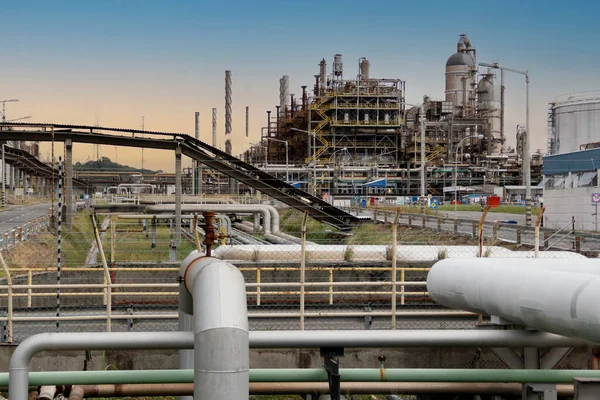
Since August, Ukraine has strengthened its strikes on the oil processing and export infrastructure of its neighbor, targeting Krasnodar, Saratov, Samara, and Crimea. As of October, the impact of these strikes had caused a 10% reduction in oil processing and a 21% reduction in oil and gas revenues for 2024.
The high-visibility attacks include the port strike at Novorossiysk, temporarily knocking out exports amounting to 2% of world output. The tactic employed by Kyiv involves attacking the same refineries to drain their maintenance capacity. Although there are excess refining capacities in Russia, which dampens the attack impacts, experts argue that persistent attacks could weaken its war financing capacity.

5. Russian Shahed Drone Campaign and Effectiveness Trends
The Russian Drone Campaign averaged an attack rate of 5,400 Shahed-type drones monthly since the summer of 2025, with peak levels of more than 200 drones in one day. Their accuracy rates tremendously differed between the scale of the attack and the number of drones involved. Small-scale attacks near the front line reached an accuracy of up to 50%, whereas the accuracy rate of cascades of 400+ drones averaged below 10%.
The presence of upgraded models like 16-element CRPA antennas, video transmission capability, and jet-powered types has made Ukrainian interception very difficult. These drones have dual mission profiles that include attacking targets and exhausting air defenses before missile strikes and are primarily focused on the Kyiv region and other critical regions, making interceptor deployment very strategic for Ukraine.
6. Pressure on Ukraine’s Air Defense System
By October 2025, the drone intercept level went below 80%, the lowest recording of the year, compared to over 90% in January. The missile intercept level recorded a lowest level of 54%. This has been due to the increasing number of barrages from Russia, lack of interceptors, as well as deteriorating weather conditions.
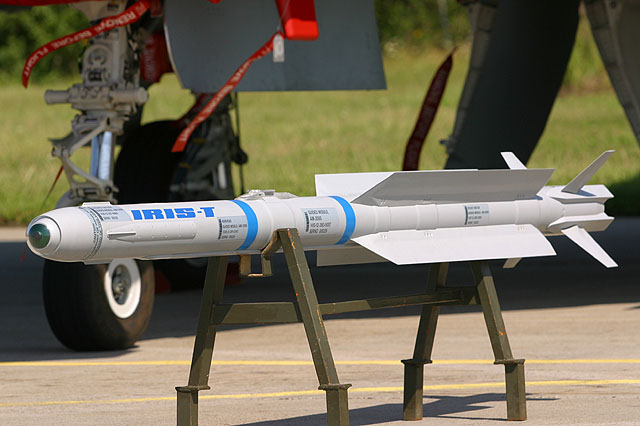
The high-cost defense systems known as Patriot and IRIS-T are expensive in comparison with the low-cost drones because the cost of the interception missiles is in millions of dollars as opposed to $20,000 in the Shahed drone. This has resulted in the increase in the use of electronic warfare defense as well as the defense of drones in Ukraine.
7. Air Defense Adaptation and the 10% Penetration Rule
Per analysis by RUSI, even against defended targets, as much as 10% of strike UAVs may succeed if air defenses are saturated. Attacks against hardened targets may involve salvos of 100-150 UAVs, in concert with missiles.
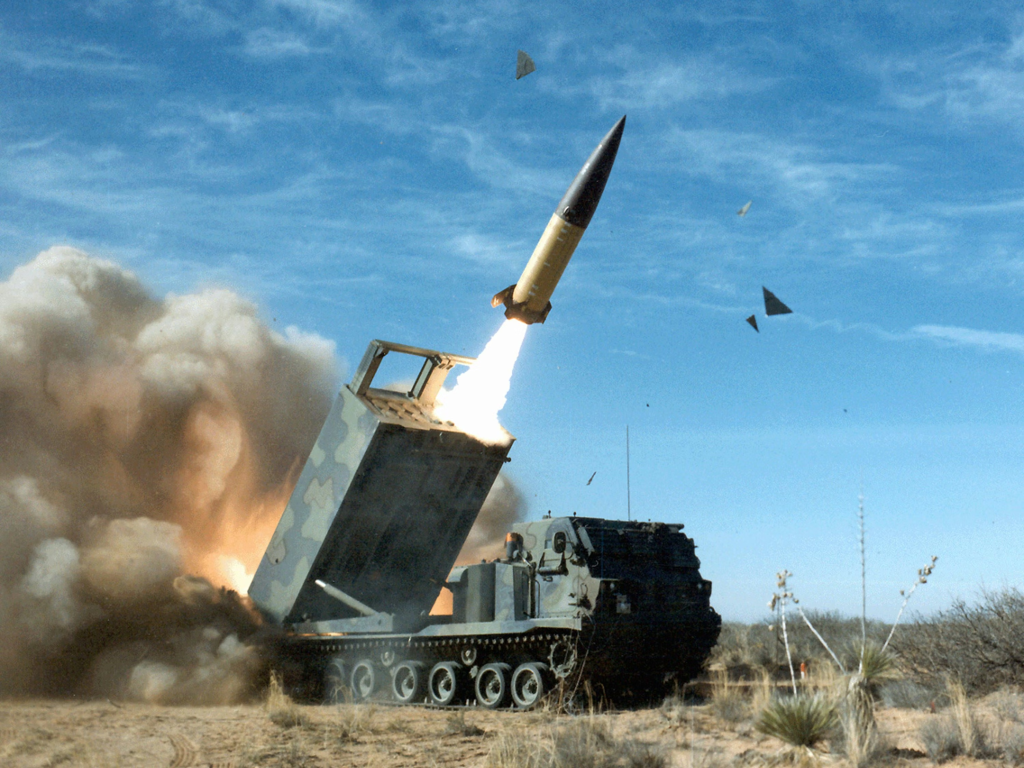
They have adapted to precison threats such as ATACMS and Storm Shadow and are now intercepting at higher rates and using up more missiles per target on them compared to before. But there are weaknesses in Russian consumables such as electronics and machine tool supplies that could be taken advantage of through cyberattacks or through sanctions.
8. The ATACMS and Storm Shadow Factor
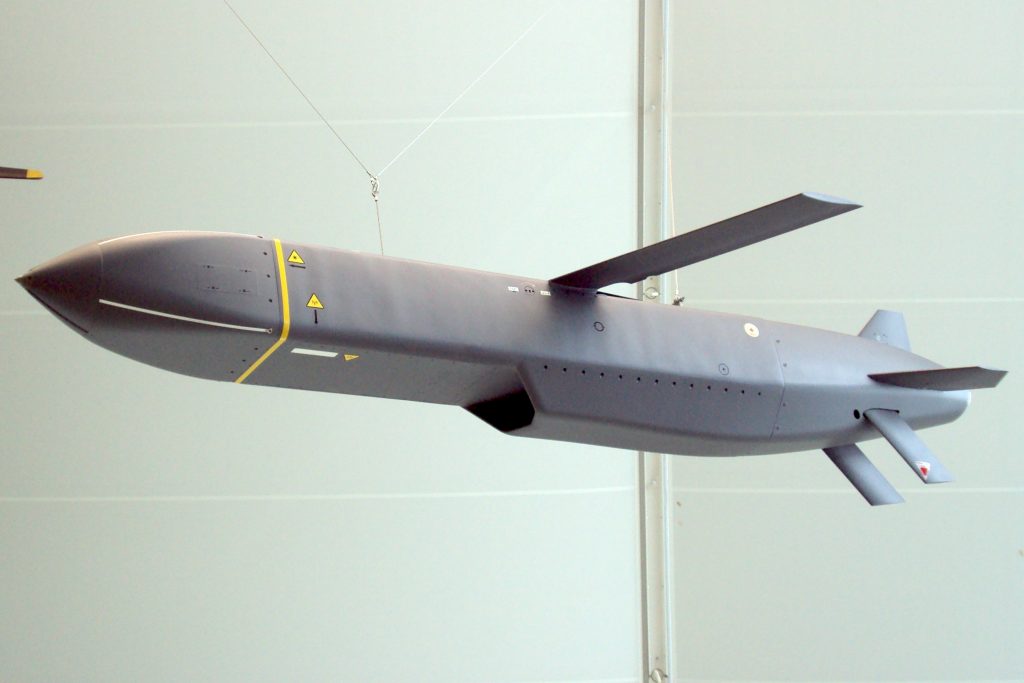
The provision of these missiles from the West allowed Ukraine to attack airfields, command centers, and air defenses in Bryansk, Kursk, and Rostov areas. Although effective at the level of tactics, the strategic influence has been relatively low because of their limited numbers and the subsequent transfer of targets over 300 km.
Multiple missiles are required to saturate the defenses, but by late 2024, many of the high-value assets had been moved back into Russia. However, their employment has caused the Russians to adjust their logistics and dispersal, which has made it difficult for them and has indicated to the Russians that rearguard areas are no longer sanctuaries.
9. Component Sovereignty as a Strategic Imperative
“The UAV’s strength in Ukraine has been mitigated in part by dependence on imported parts, especially Chinese sources. Export controls have, in effect, revealed these vulnerabilities, where expertise in crucial system elements, for example, sensors, secure control, and high-density energy storage in ‘batteries,’ remains an important deficit for indigenous UAV systems.” For NATO, the takeaway is simple: dominance within high-speed civil and military segments is a requirement to have any relevance on the battlefield. Modular procurement policies with an open architecture design could play a critical role within a military context to provide adaptability and control within potential drone wars.
The 2025 dronual war between Ukraine and Russia has proven that air power is no longer a domain reserved for manned aircraft and billion-dollar platforms. The key is in understanding and leveraging fast innovation cycles, manufacturing rates, and exploiting weaknesses in the rival’s defense network. As both adversaries look ahead towards 2026, it is not a question of who will produce more drones but who will learn faster and control the parts that make up a lethal weapon.


