A day does not go by when a high-ranking Russian general dies in the heart of Moscow, yet here it has happened. The car bomb assassination of Lieutenant General Fanil Svarov sent shockwaves to the very core of the Russian military establishment and reminded all concerned that the war frontier was no longer limited to the borders of Ukraine.
This most recent strike is not merely some showy headline publicity stunt, but rather part of a greater broad campaign of pin-point strikes, sabotage, and psych ops. This most recent strike is also taking place in conjunction with faltering Russian military advances, strained economies, and varied levels of complex geo-politics between the US, Europe, and China.
The following is an analysis of the most important factors at play with respect to Sarvarov’s murder, the assassination campaign, and strategic, economic, and military ramifications currently unfolding.
1. The death of Lt. Gen. Fanil Sarvarov
He was killed on December 22, 2025, when an explosion caused by a bomb planted in his car-a Kia Sorento-blew up in southern Moscow. Lieutenant General Fanil Sarvarov was the head of the operational training directorate in the Russian Armed Forces. “The bomb had been placed under the driver’s seat, and it exploded when he turned on the ignition,” confirmed the Investigative Committee in Russia.
Russian officials, headed by Kremlin spokesman Dmitry Peskov, described this as a terrible murder, while investigators announced that they were considering the hypothesis of the Ukrainian special services’ participation in this case. Sarvarov has been active throughout the Chechen wars and in Russian activities in Syria, as well as in managing combat readiness of the Russian troops in Ukraine.
2. The Pattern of High-Profile Assassinations
It is the third death of such a high-ranking Russian general in the past fourteen months, after Lt. Gen. Igor Kirillov in December 2024 and Lt. Gen. Yaroslav Moskalik in April 2025. These two generals were killed by explosive devices in or around Moscow, with responsibility for Kirillov’s death taken by Ukraine.
The strikes since 2022 have also targeted pro-war pundits, naval officers, and collaborators in the occupied territory. Ukrainian intelligence services have indeed owned up to a string of these operations, hailing them as justice being meted out for war crimes committed. President Volodymyr Zelenskyy warned in September 2024 that the Russian military chiefs ‘have to know where their bomb shelters are’ if the war goes on.
3. Ukraine’s Expanding Strike Capabilities
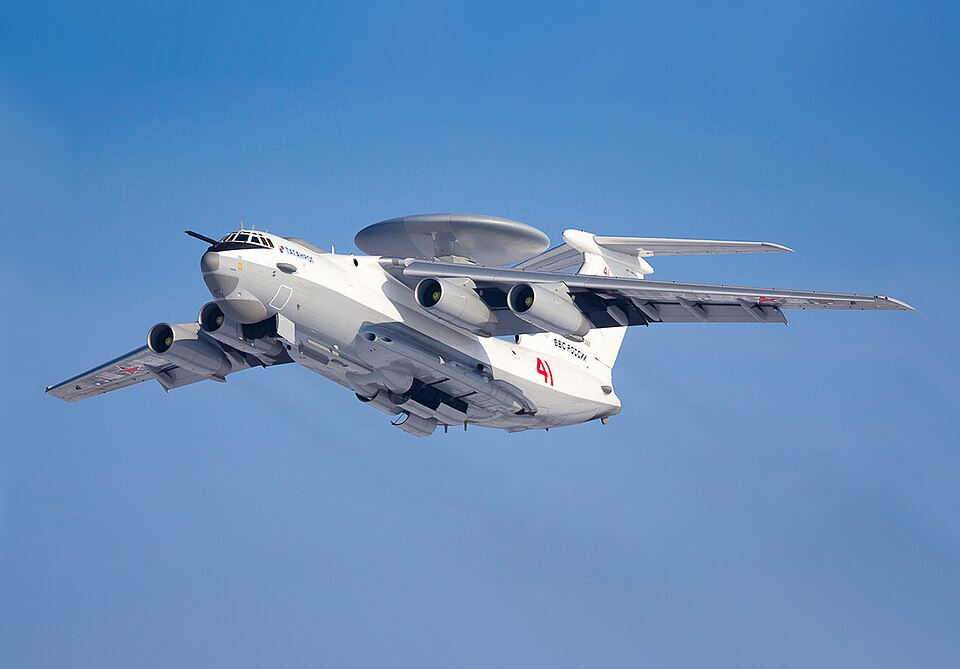
Meanwhile, the assassination campaign also develops alongside the development of long-range strike capabilities by the Ukrainian military-such as with the indigenous development of the FP-1 drone. It has a ~50 kg warhead, GPS spoofing resistance algorithm, and reportedly has destroyed depots, energy targets, and at least one A-50 radar aircraft.
Its derivative, FP-2, has traded range in favor of an increased payload and has been used to strike targets in occupied territory; these weapons, further developed alongside Ukrainian Special Operations Forces, have greatly enabled the Ukrainian government to project power far beyond the lines.
4. Failures in the Russian Security Service
There might be some variation in the format because the candidates need to look through a considerable volume of information. The successive attacks against top officials within Russia have exposed weaknesses in Russia’s security system. It was even characterized as a major blunder in Russia’s security services by President Vladimir Putin himself in the aftermath of Kirillov’s assassination.
But still, despite the expanded measures to guarantee their security, clandestine Ukrainian resistance groups managed some activities inside of Russia; thus, some weaknesses in their counterintelligence, surveillance, and protection of key individuals take place.
5. Battlefield Stalemate and Psychological Impact
It also comes as the Russian military faces only slow advances in Ukraine, which is nowhere near the swift ones the Kremlin had promised. With the attack in Moscow, Ukraine has shown that the conflict extends beyond the disputed areas to shake the disposition of Russian security at home.
Accordingly, these raids have both operational and psychological impacts – absorption of Russian domestic security resources and signals that the military leadership of Russia is no less controllable from Kyiv’s point of view.
6. EU Offers Ukraine Financial Lifeline of €90 Billion
Days before the assassination of Sarvarov, the European Union adopted a package of aid worth €90 billion in support of Ukraine for the period 2026-2027. The agreement was confirmed by the European Union President of the council Antonio Costa, who made it clear that it did not involve the use of Russian Frozen Assets but included a security guarantee.
President Zelenskyy welcomed the move, which he termed crucial for the country’s ability to deter its enemies. This package shows determination by Europe to help Ukraine in its war effort while negotiations between the US and some compromises regarding territorial settlement are moving forward.
7. Economic Burden of Russia and the “Guns vs. Butter”
Three and half years later, the Russian economy faces a slowdown in growth, high inflation, and depletion of foreign reserves. Military spending is up by nearly 8% of GDP because of government outlays on behalf of the conflict. The liquid assets of the National Welfare Fund have depleted by almost 60%, and oil and gas revenues, making up one-third of the government’s revenues, have been hindered by sanctions and price ceilings.
The signing bonuses for new recruits in less developed areas often exceed their annual salaries, giving rise to what is termed “death economics.” Meanwhile, some of the industries spurred by war-related activity have seen huge growth while the rest of the economy is stagnant.
8. China As Russia’s Economic Lifeline
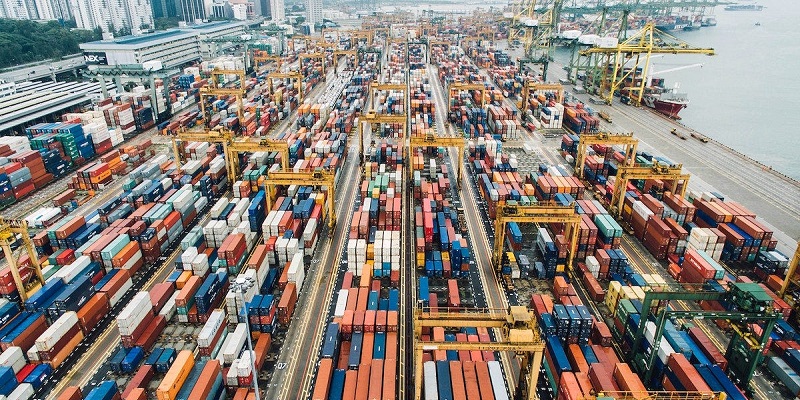
Having lost access to European markets, Russia suddenly sees China as its main trading partner, sourcing Russian oil and gas with deep discounts. China provided equipment, high-tech goods, and even sanctioned parts, 90% of which are used in high-priority military goods in 2023. This is a partnership of asymmetry, where Russia depends a lot more on China than the other way round, but this trade enables Russia to produce its military-industry products even while under Western restrictions against exports.
9. Training Deficiencies Within the Russian Military
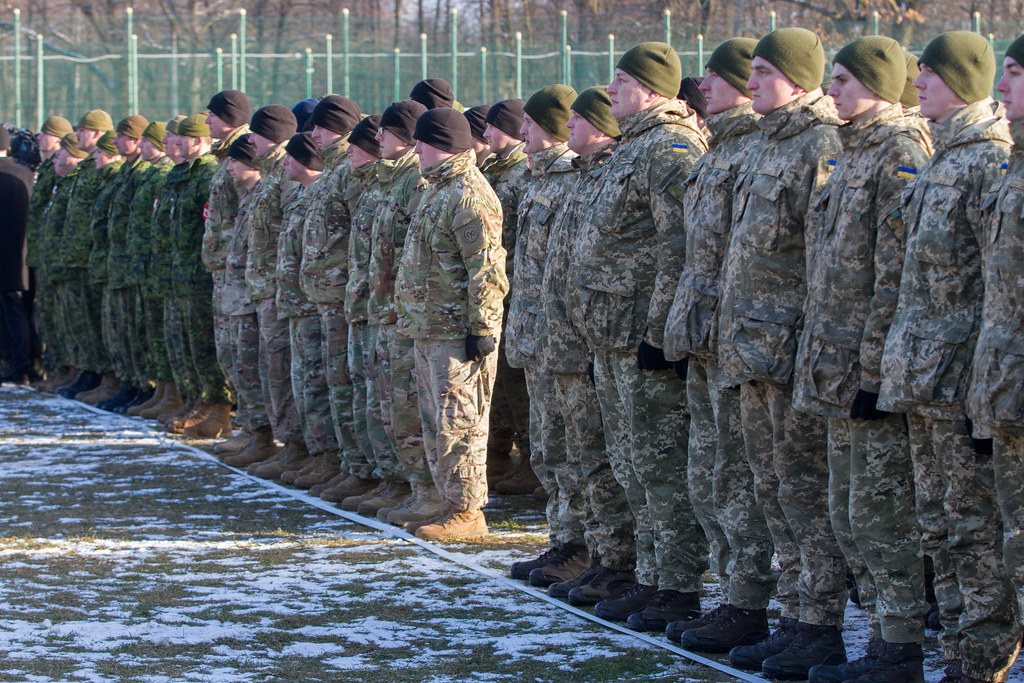
His position as an operative trainer’s boss shows that another weakness is Russian military preparation. Even since the changes began in 2009, there has been too much scripting in their war games, unit coordination is not effective, and there is still use of unsecured channels. In the Ukrainian army, the inadequacies have been responsible for losses in tactics, from convoy formations to ambush techniques. As more conscripts and reserves are mobilized to join Russia’s war efforts, it can be anticipated that the situation would deteriorate.
The killing of Lieutenant General Fanil Sarvarov is not an isolated incident; it is, instead, the result of a larger strategic contest being fought from the battlefield, through the economy, to the realm of the mind. The fact that Ukraine has been able to attack deep into Russia, with the pressure from the West not abating, with internal Russian woes mounting, indicates that the dynamics of this conflict are quietly shifting. “For the military leaders in Moscow, the war is no longer something fought only outside their country, it is now a struggle for security at home.”


