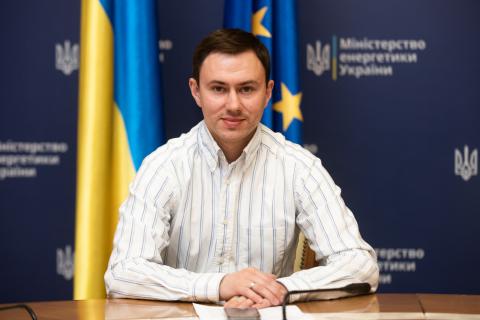
Energy has become a battlefield.’ These words of Ukrainian Deputy Energy Minister Mykola Kolisnyk aptly sum up the significance of the latest Russian strike, which cast a dark shadow over the entire country just before Christmas. This was not just another missile, another attack by drones – this was a deliberate assault of the Russian military targeting the Ukrainian power grid, as well as a political statement at a difficult time during negotiations about a peaceful settlement of the conflict.
More than 650 drones and 30 missiles were simultaneously launched in an attack that stretched across at least 13 different regions and took the lives of three individuals, including a four-year-old boy. The attack came on the heels of shuttle diplomacy being carried out by the US and its allies in Miami. Poland lifted fighter jet readiness, and Ukraine prepared to begin its winter besieged once again. This listicle explores the nine most important features of the attack: evolving Russian strike tactics; the resilience and vulnerabilities of the Ukrainian energy infrastructure; as well as the political implications of this conflict among major world nations.
1. Intensified Russian Strike Tactics
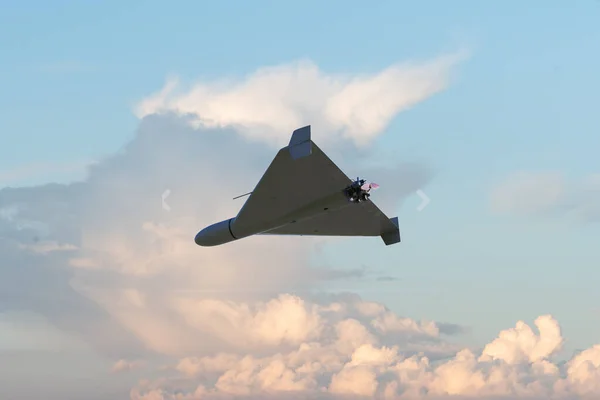
The recent attack by Russia embodies a clever tactic to overwhelm by targeting with both a massive number of drones as well as targeted missiles. It has also been observed by analysts that the Russians are opting for fewer but bigger attacks, stockpiling missiles to launch bigger attacks later on. In the recent attack, over 650 drones and more than 30 missiles are used, just as has happened in previous bigger attacks, where missiles such as the Iskander-M and Iskander-K have targeted Ukraine along with swarms of Shahed drones.

2. Enhanced Missile and Drone Capabilities
However, recent Russian improvements to the missiles have made them more diffcult to intercept. The Iskander-M has been equipped with radar deception and has been capable of changing course mid-course, and the Iskander-K has become more resistant to jamming and has more potent warheads. Iran’s Geran-2 drones, also known by the alias Shahed-136, now sport upgraded electronics and unsymmetrical fuel tank placement in addition to irregular routes that might utilize simple AI.

3. Energy Infrastructure as a Primary Target
The Ukraine Energy Ministry confirmed that “80% of the overnight attacks were targeted at the country’s energy infrastructure.” High-power substations and transmission cables were destroyed in order to disconnect the region, which Kolisnyk called “strategic strikes at the backbone of Ukraine’s power system.”This disrupted power to most of Ukraine, with three western provinces left with little to no power, thanks to emergency blackouts.
4. NATO Airspace on High Alert
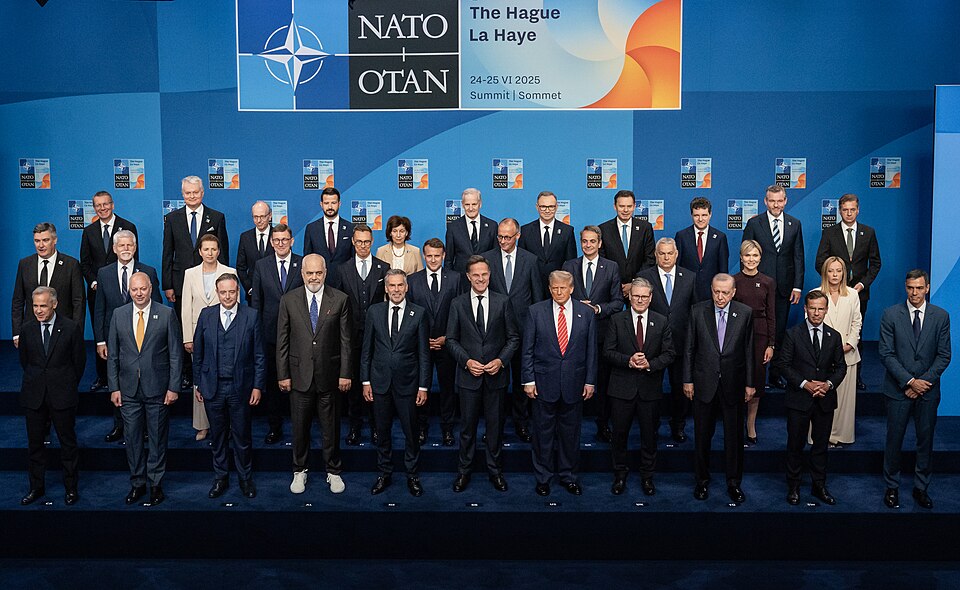
Poland mobilized its forces of alliance fighters and launched ground-based air defense systems in high alert as missiles approached its borders. Romania also picked drones that were approaching from Ukrainian airspace, triggering alerts in border counties but later canceling them. Though direct hits did not occur on alliance territory, the looming danger of escalation by Russian missiles near alliance borders demands a vigilant alliance.

5. Civilian Casualties and Urban Damage
This led to the death of three civilians in Kyiv, Khmelnytskyi, and a child in Zhytomyr, while at least 11 others were wounded. In the Odesa region, the damage affected ports, transport, industry, as well as more than 100 residential buildings in Odesa. Such cases underscore the two-fold effect of Russia’s operation in terms of its impact, for which urban areas are the worst affected.
6. Ukrainian Defensive Strategies
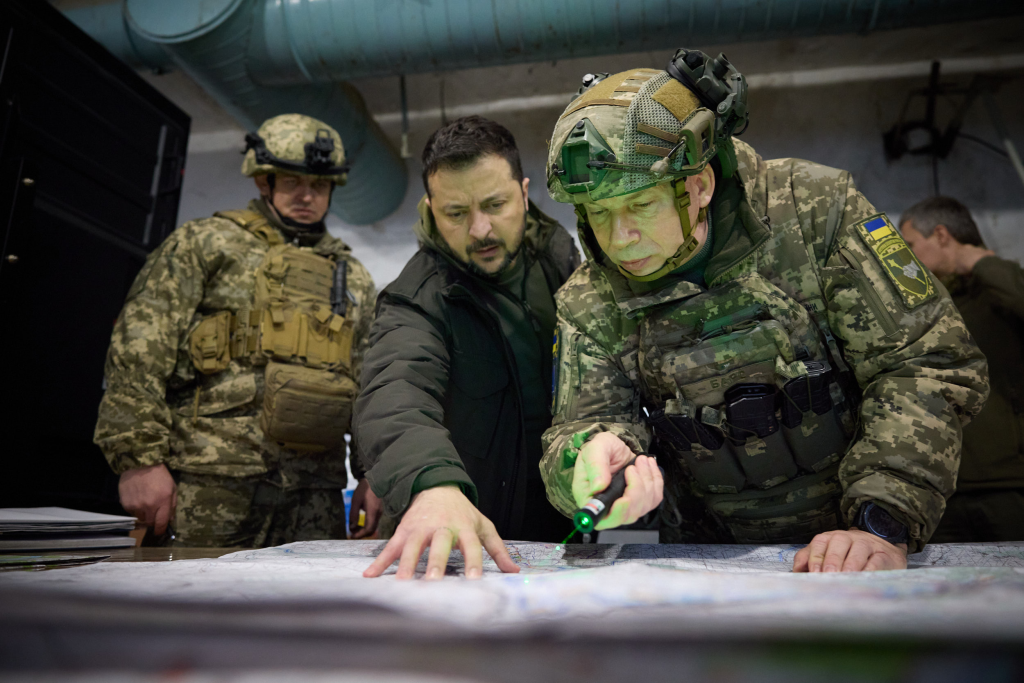
The Ukrainian air defense system is further being perfected with faster targeting solutions and radar to respond to unpredictable drones. Mobile fire points and intercept drones are being increased, and efforts are on to make substations resilient to attacks. Yet, advanced missiles and drones from Russia easily breach their defenses.
7. Winter Energy Security Challenges
The attack occurs in the presence of low temperatures and already limited power output. Although Ukraine has been able to reboot some of its power after managing to lose two-thirds of its dispatchable capacity, electricity grid capacity, which was at 56 GW, has diminished to 9 GW. Half of the country’s power output currently comes from nuclear stations, but local disconnections stemming from strikes may leave the front-line region facing shortages despite imports from the West.

8. Gas Infrastructure Under Fire
The natural gas sector is important for both heating and flexible power production. The sector has also been repeatedly attacked. The October strikes resulted in the loss of almost 60% production capacity, causing the country to import from European neighbors and from U.S. LNG imports. Loans have been received from EBRD, EIB, and Norway, but further attacks could increase the deficit, especially during a cold winter.
9. Reconstruction Costs and Strategic Resilience
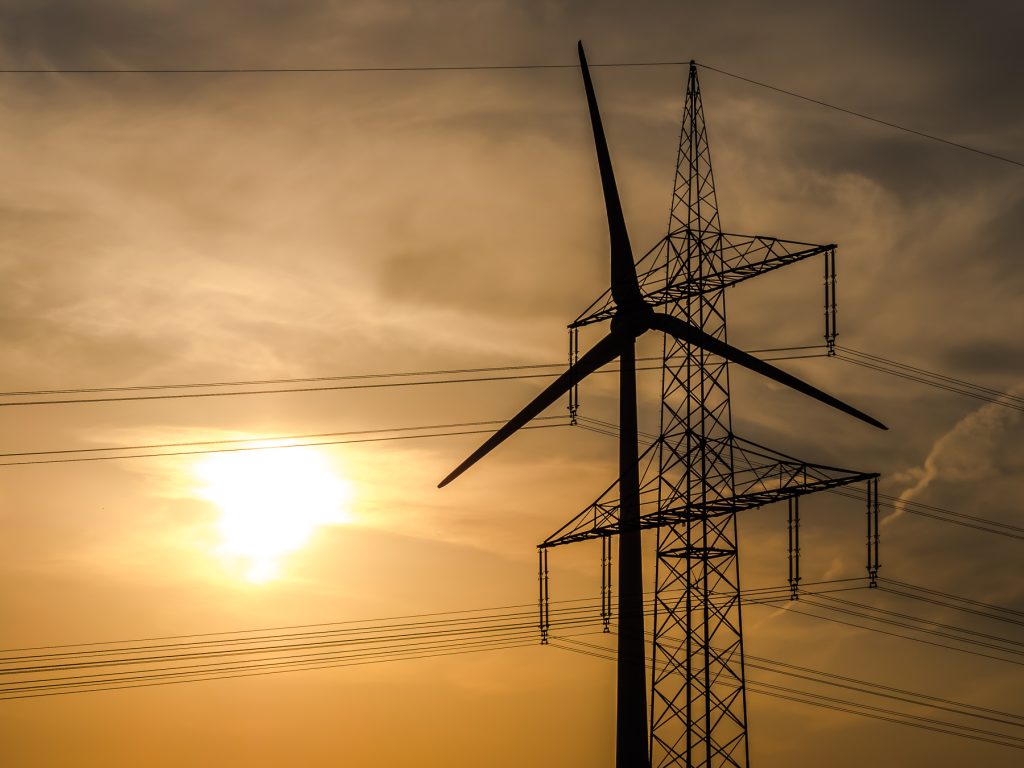
However, recent damage has pushed up the cost for reconstruction, expected to touch $524 billion in the next decade. The number of energy system damages has increased by 70% since January 2024. Decentralized energy sources solar, wind, and portable energy sources have been planned for mitigating the effects of large-scale strikes. These energy sources, if interconnected, will work even in the event of extensive aerial attacks. This was more than a display of force this was a test of Ukrainian defenses and willpower.
With the appearance of enhanced Russian capabilities and the vulnerability of Ukraine’s energy assets, the key to the country’s survival and the ability to overcome the winter months will lie in its ability to effectively respond and invest for resiliency. Only time will tell if such efforts will hold up under the strain of an adversary seeking to convert the provision of electricity and heat into weapons of war.


