“The upstream oil sector is sliding into a crisis,” warned Harvard’s Davis Center scholar Craig Kennedy, summing up the seriousness of Russia’s economic situation. “The Russian economy, which had been able to rely on their reserves and oil revenues, finds itself today in a position where they are threatened by sanctions, debilitated industries, and an upcoming crisis in the banking system.” For policy analysts and economists, the story goes beyond the figures and it has to do with the intersection of fiscal squeeze, industrial downturn, and geopolitics, which presents constraints for Russian strategy.
The war years of the last three years has led to the transformation of the Russian economy, but the situation may become unsustainable. “This listicle analyzes the most dangerous fault lines that is, the pressure points that, if unchecked, could shatter the economic motor that propels Moscow’s war machine by 2026.”
1. Oil Sanctions Driving Revenue Collapse
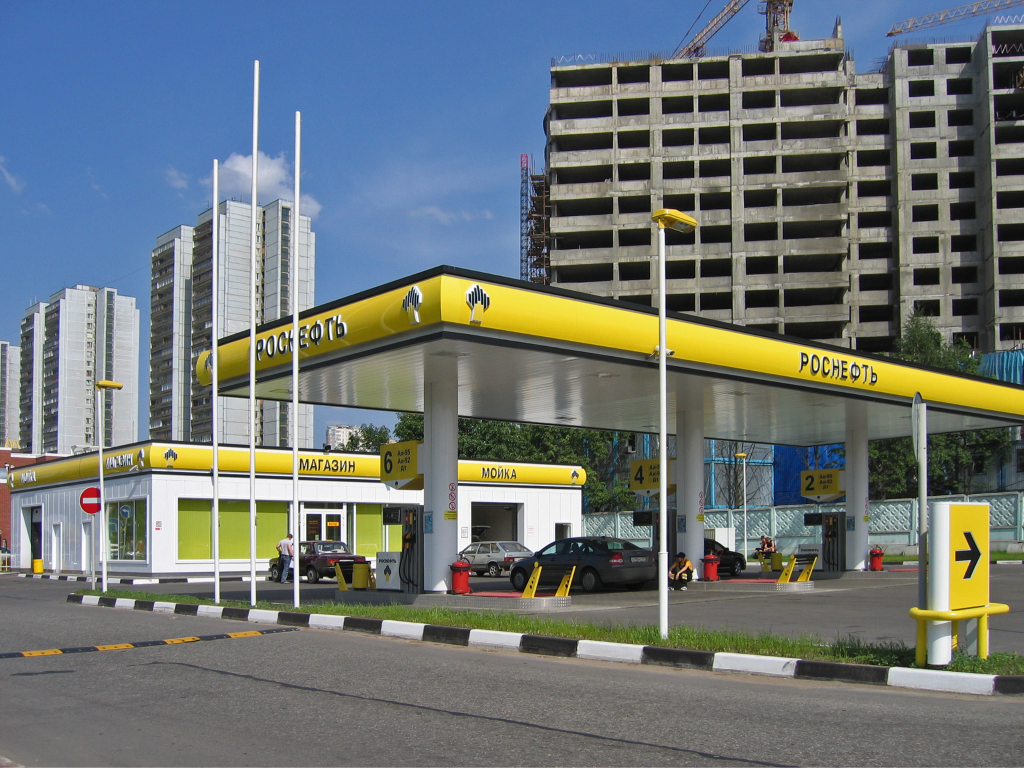
The sanctions imposed on Rosneft and Lukoil by the U.S. Treasury in October 2025 have led to Russia being forced to take a discount of over 20 dollars a barrel for Urals crude oil, with prices ranging around 35 dollars against a 69-dollar basing price for drafting a budget in 2025. As reported by Reuters, oil and gas taxes are projected to decrease by 49 percent in December on a yearly basis. Military expenditure has reached 149 billion dollars in just nine months. Sanctions have unsettled Russia’s crude export marketing, Kennedy predicting 1.6-2.8 million barrels a day could be stranded without firm buyers. This is further exacerbated by record discounts given on ESPO Blend crude sold in Chinese ports due to a lack of demand in the market because of rival Iranian oil.
2. Gazprom’s Fall from Cash Cow to Liability
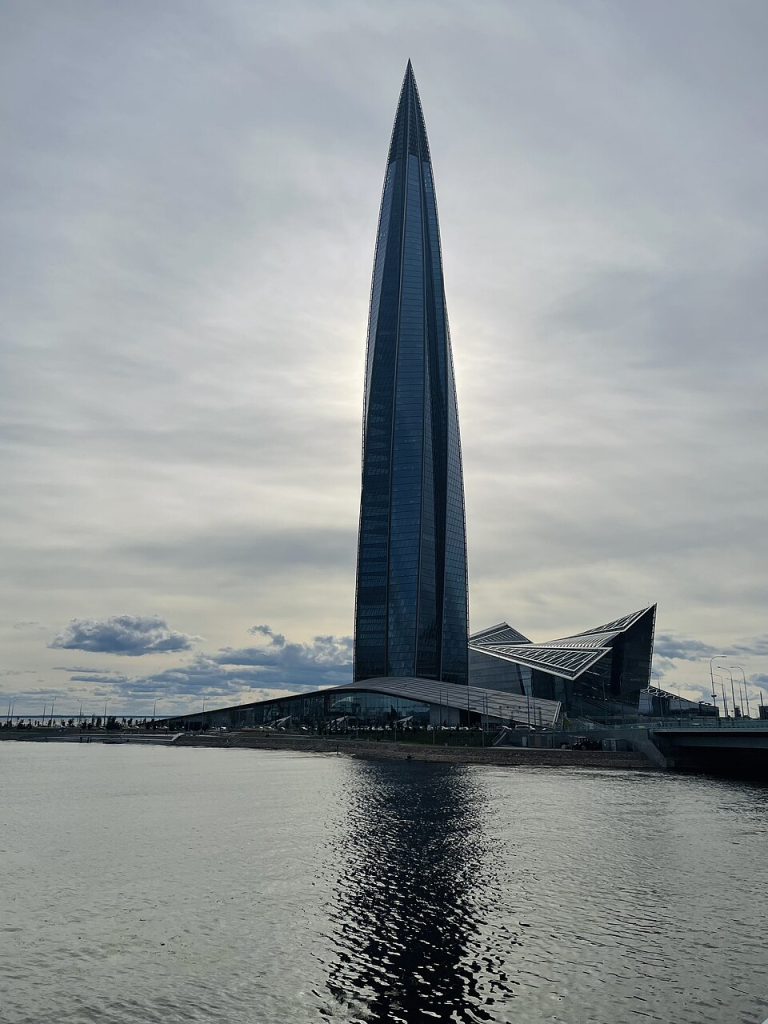
A stalwart of Russia’s fiscal system until now, Gazprom has been reduced to an empty shell following the loss of its market in Europe. It now has only $6-8 billion of its original $27 billion cash reserves from early 2022, with an increased debt of over $20 billion. The country’s gas monopoly registered an annual net loss of $12.9 billion, which hampers its contributions toward war funding. The tax concessions offered by Putin to Gazprom and Rosneft are a sign of desperation, with the short-term cost of keeping key firms afloat worth more than the immediate prospects they provide.
3. Banking Sector’s Hidden Bad Debt
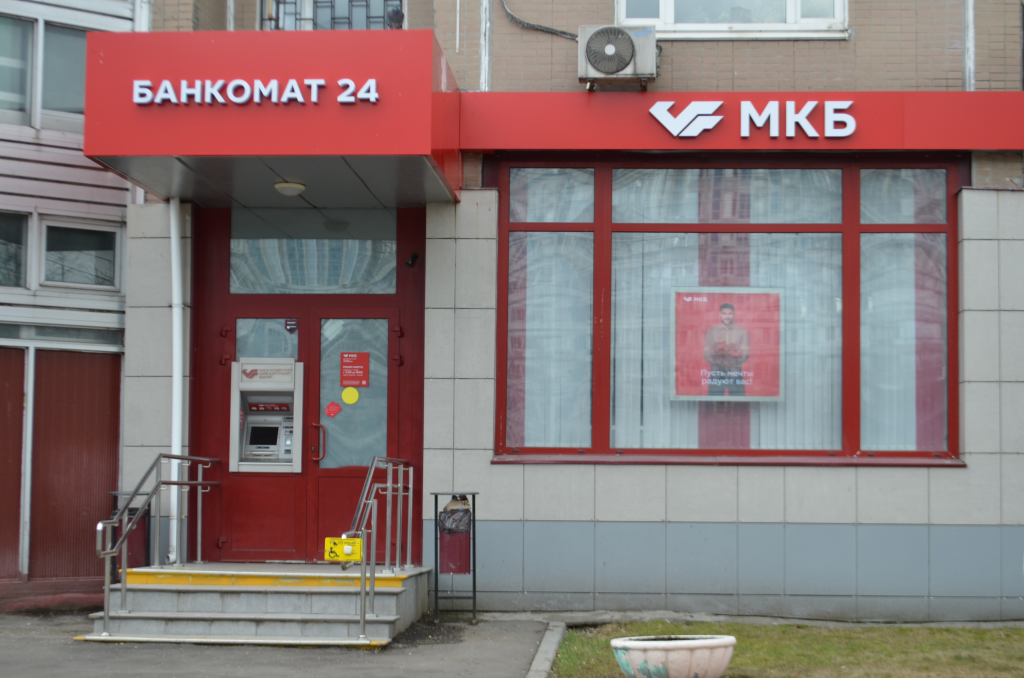
The corporate loan business escalated during wartime, particularly to defense industries that currently comprise nearly a quarter of loans in rubles, to approximately $202 billion, under less stringent rules. The actual degree of problematic loans is obscured by official figures. The Credit Bank of Moscow reported a sharp rise in delinquent loans to eight times their 2025 level, with 28% of its loan portfolio being impaired. The Kremlin-connected Center for Macroeconomic Analysis predicts that further defaults might cause a systemic banking crisis by October 2026, particularly if bank deposits fall.
4. Wage Arrears and Worker Strikes
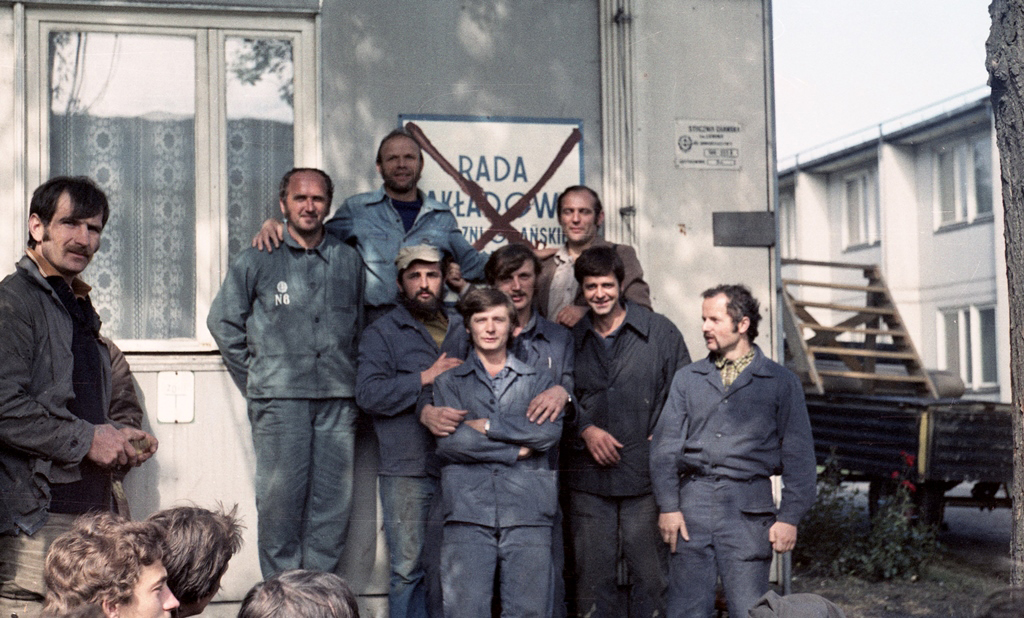
The unpaid wages levels have almost tripled from last year and currently stand at over $27 million, with over 26,000 complaints filed. Strikes have been reported in industries ranging from nuclear power projects to mines. According to Vazhnye Istorii data, wage arrears have increased four times between September 2024 and September 2025, affecting the construction, mining, and defense factories. Though the strategy adopted by the Kremlin will hold the spread of unrest at bay, it won’t be a solution for the liquidity problem.
5. Industrial Contraction Beyond the War Economy
Other than military sectors, employment has fallen by 5.4% since January 2025, based on estimates from the Center for Macroeconomic Analysis. Major companies in steel, coal, cement, and automobile manufacturing have reduced workweeks or furloughed workers to keep layoffs from happening. Cemros, the biggest Russian cement manufacturer, introduced a four-day working week, with carmakers Avtovaz and Kamaz also doing the same. The Kuzbass coal-mining region has lost 18 of its 151 companies. Additionally, the state of 30 other companies there is critical.

6. State-Owned Enterprises Delaying Payments
Payment arrearages for state-run organizations under the 223-FZ federal law have grown almost threefold, reaching 4.03 billion rubles in 2025. This practice of taking suppliers’ money for free has been going on for months in the IT sector, construction, and industry. Large players such as Russian Railways and Uralvagonzavod reported declining financial performance, leading to the establishment of a working group by the government to supervise arrears and set performance measures related to the clearance of debts.

7. Sanctions Enforcement and Evasion Dynamics
Western sanctions have maintained an historically unprecedented differential in the price of Brent and Urals crude oil, but the Russian “shadow fleet” of tankers and shift in sales to the Asian market suggest a degree of adaptation to sanctions. Avoidance of sanctions is costlier but doesn’t necessarily or completely eliminate the costs. Brookings analysts emphasize, “Enforcement needs to address both circumvention within coalition countries and avoidance through non-Coalition countries, especially China, whose imports averaged 2 million barrels per day in 2025.”

8. Consumer Retrenchment and Inflationary Press
The high interest rate, reaching a peak above 20% before easing to 16%, has impeded inflation but reduced household pockets. Spending on clothing, household, and personal items declined between 5% and 9% y-o-y in December, according to Sberbank statistics. Disposable incomes accelerated during the war-driven stimulus, although the momentum has been slowing. The inflationary strains from fiscal spending may yet undermine the social contract under which the country has enjoyed domestic stability.
9. Strategic Risk of Recruitment Funding Collapse
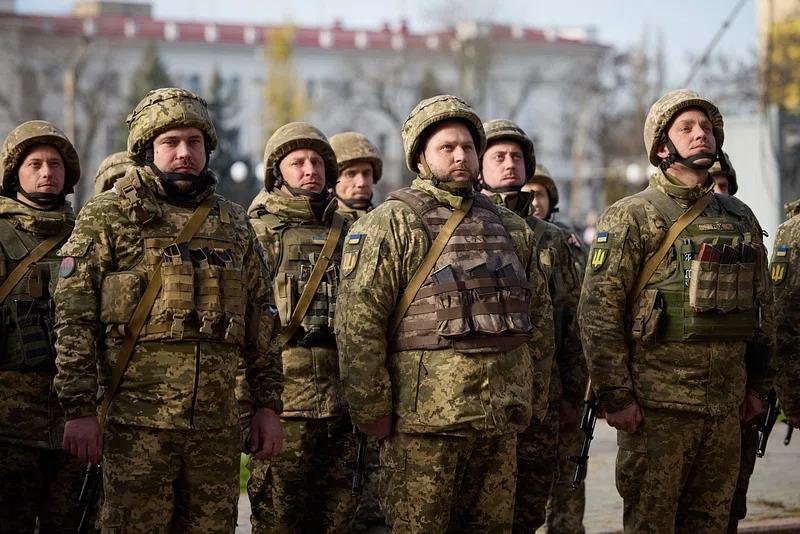
The dependence of Russia’s military recruitment system on payments since 2022 has relied on bonuses made possible by federal budget transfers. The effect of sanctions is reducing these budget transfers, placing the model in doubt. As a consequence of a reduction in recruitment incentives, a possible scarcity of personnel may change the calculus for the Kremlin on military force.
The Russian war-time economy has thus far resisted all prognostications of imminent collapse but is now pressing up against multiple crisis points that are weakening its buffers. Each trouble spot, from oil revenue to wages in arrears, is now more than just an economic challenge; it also serves as a potential vulnerability. For Russian policymakers, the view ahead is toward 2026 as a decisive year when accumulated tensions may provoke Moscow to make decisions that it has thus far avoided.


