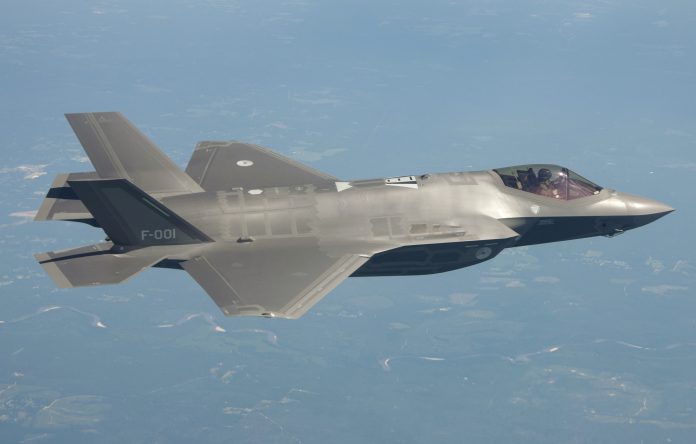
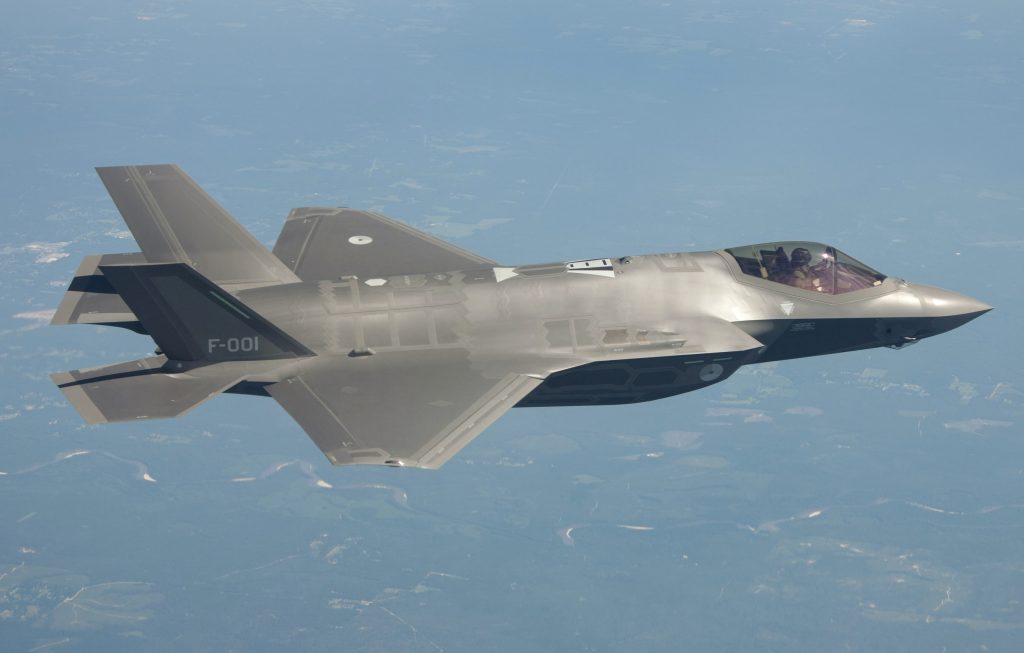
Half the time, America’s most advanced fighter jet can’t fly. That’s not the headline from a budget hearing; that’s the reality of the F‑35 fleet in the year 2024. The Pentagon’s own watchdog has laid the blame squarely on Lockheed Martin’s sustainment performance, laying bare systemic weaknesses in how the world’s largest defense program is maintained. For defense professionals and military analysts, this isn’t just about a single contractor’s shortcomings.
It’s about how procurement, sustainment, and accountability collide in modern airpower. The F‑35 program, with lifetime costs topping more than $2 trillion, serves as the cornerstone of both U.S. and allied air strategy. Still, persistent readiness shortfalls threaten to erode its operational edge. This list breaks down the most critical issues that have been uncovered by government audits, service data, and program updates—each of which stands as a contributing factor to the fighter’s ongoing struggle in meeting mission demands.

1. Availability Rates Far Below Requirements
The Defense Department’s Office of the Inspector General reported that in fiscal 2024, the F‑35 fleet averaged an unprecedented 50 percent availability-a statistic 17 percent below the minimum performance requirement. Half of the jets on any given day were grounded. The shortfall is not a statistical anomaly-it reflects chronic sustainment failures that have persisted across multiple services. The watchdog found that the Pentagon paid Lockheed Martin about $1.7 billion without adjusting for the fact that the aircraft were unavailable to fly roughly half of the time.
The main reason for this was the lack of enforceable readiness metrics in the AVS contract. Without contractual teeth, the F‑35 JPO had little leverage to force improvements, allowing the stagnation of availability rates despite ever-increasing operational demands.
2. Depot Maintenance Bottlenecks
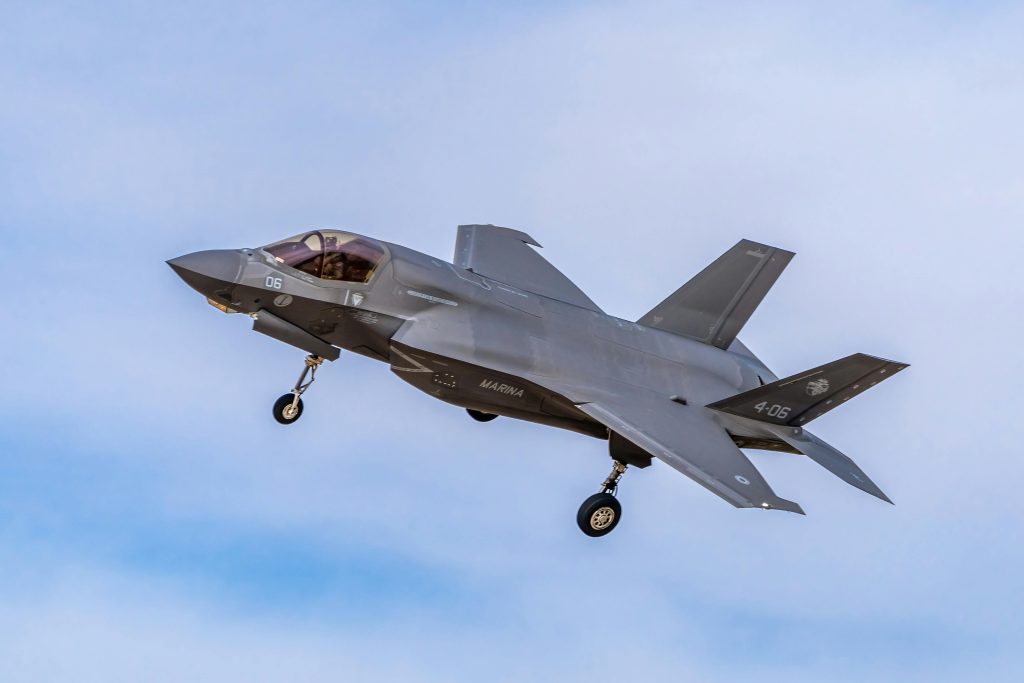
The Government Accountability Office estimates that depot-level maintenance for the F‑35 is years behind schedule. At military service depots-so crucial for complex repairs-the standup was slow to materialize, leaving upwards of 10,000 components backlogged awaiting repair. These backlogs maintain aircraft on the ground for longer-than-necessary periods and are among factors driving up costs of sustainment.
The effects cascade: squadrons are forced to cannibalize parts from other jets; operational units end up short; and the queue to get into the repair facility grows. Unless depot capacity expands and turnaround times increase, the fleet’s readiness ceiling will stay well below program goals.
3. Supply Chain Shortfalls
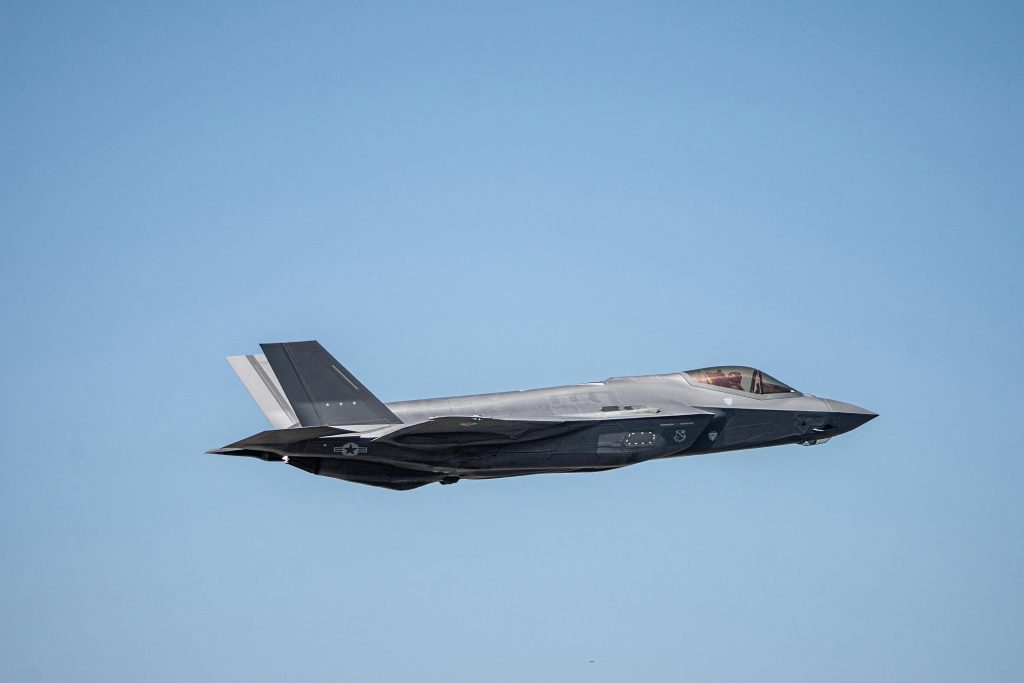
Delays in supply are a recurring readiness killer. The GAO found that a lack of support equipment and slow parts delivery frequently prevent the jets from returning to service. Logistical challenges impede repairs even for priority commands like U.S. Air Forces Central, which receive preferential allocation of spares.
The challenge was conceded by Lockheed Martin’s own program leadership when the company said spare parts inventories needed to grow with the fleet. Until that happens, the F‑35’s operational tempo will be constrained by the weakest link in its sustainment chain.
4. Lack of Technical Data and Training
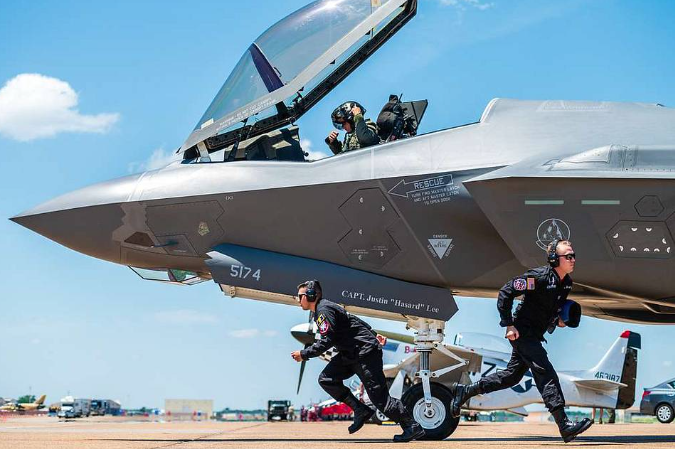
This has been compounded by a lack of technical data and training for the maintainers at the organizational level. The GAO stressed that without access to critical intellectual property, military services cannot assume sustainment responsibilities from contractors.
Training gaps further exacerbate the problem. Technicians who are inadequately trained on the complete system or who lack current technical manuals have difficulty in diagnosing and resolving problems efficiently. This dependence on contractor expertise slows down repairs and reduces the services’ ability to control readiness outcomes.
5. Software Upgrade Delays: TR‑3 and Block 4
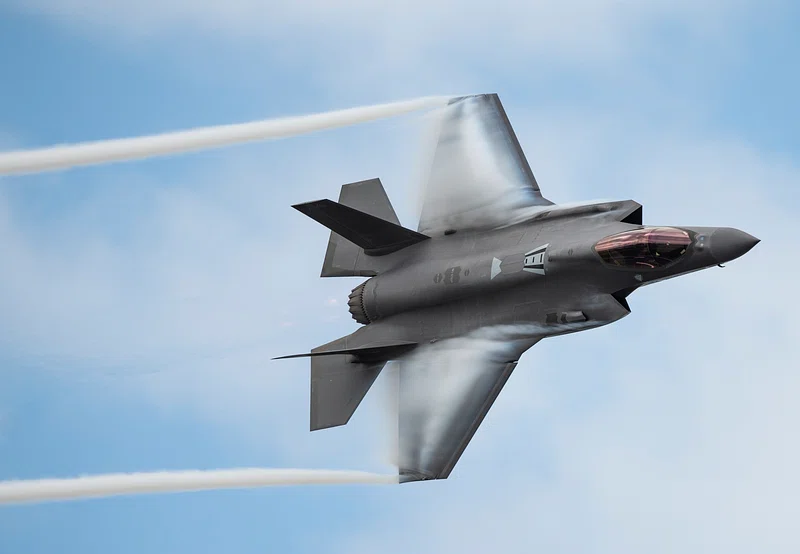
The F‑35 is a creature of software, but the crucial midlife upgrade known as Technology Refresh 3 (TR‑3), which is supposed to pave the way for future Block 4 enhancements, has been delayed. Aircraft are stacking up at storage sites, awaiting TR‑3 certification before delivery. The bottleneck doesn’t just involve new production; fleet modernization is also suffering.
Block 4 will bring full weapons integration, along with enhanced sensors and electronic warfare tools. Continuous rescoping and schedule delays, however, have fueled criticism that the jet’s full potential remains well out of reach. Without timely software delivery, the technological edge of the program is threatened to stagnate.
6. Contractor vs. Government Sustainment Roles
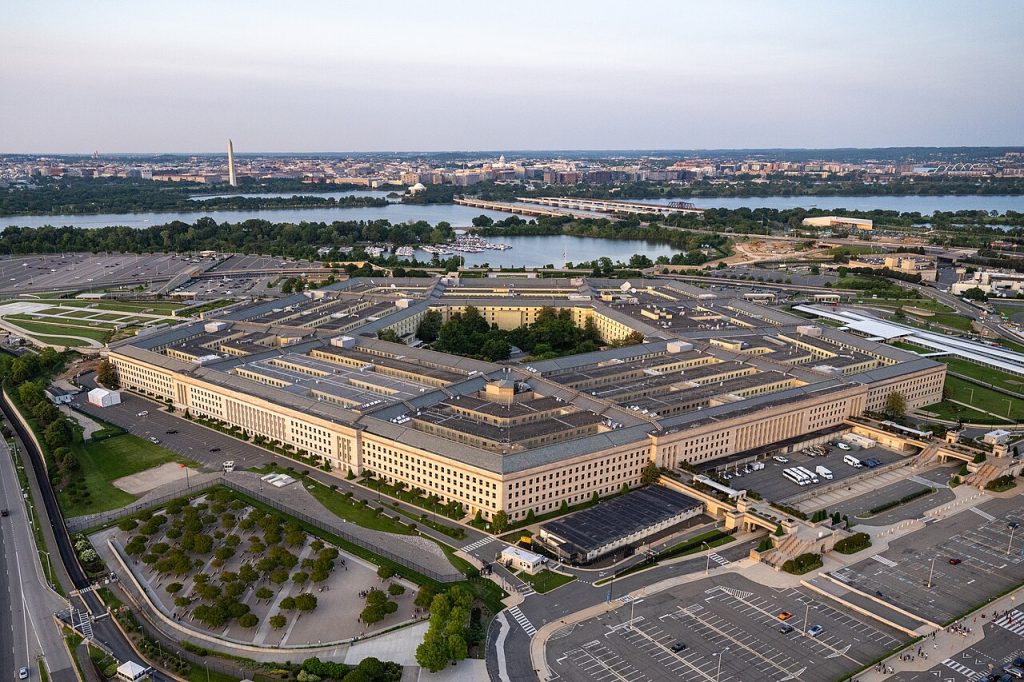
The Pentagon intends to transfer sustainment work from Lockheed Martin back to the military services by October 2027. However, the GAO found DOD does not know the most effective arrangement between government and contractor long-term roles-or has obtained the technical data necessary for a such a transfer.
This ambiguity makes the program vulnerable to performance gaps when the transition occurs. In the absence of clearly defined leadership structures, resource allocation, and intellectual property agreements, the transition has the potential to exacerbate readiness problems instead of solving them.
7. Rising Sustainment Costs
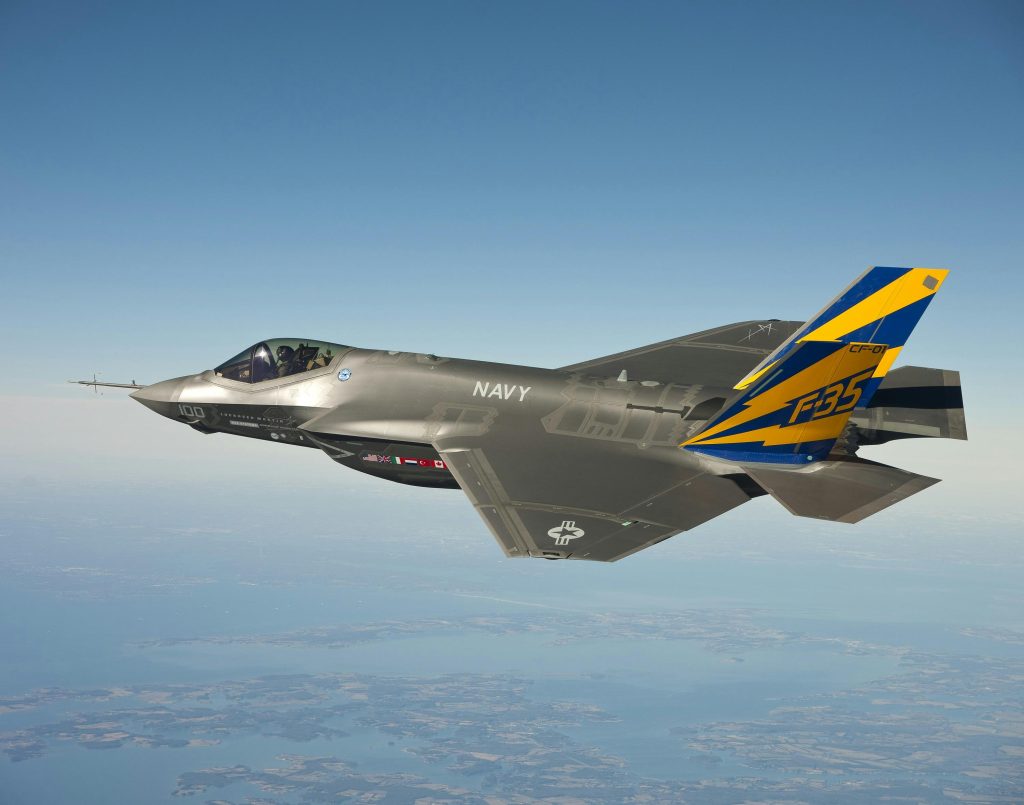
While the procurement costs for the F‑35 have indeed declined since early production, the sustainment costs have continued to rise. Of its $1.7 trillion projected lifecycle cost, $1.3 trillion is related to operating and maintaining the aircraft. These figures have reignited debates over affordability, especially as availability rates remain low.
Advanced systems mean an endless array of updates and upgrades, and migrating from ALIS to ODIN has been taking longer than expected. Along with pandemic-era supply disruptions, all these factors keep the sustainment costs under pressure and make budget forecasting hard for the Pentagon and allied operators.
8. Issues of International Readiness
Readiness of the F‑35 is a global issue, with more than a dozen nations operating or having ordered the aircraft. Some allied fleets have better mission-capable rates, but consistency is hard to find. Training pipelines, spare parts inventories, and software upgrade schedules are highly variable across operators.
International cooperation has paid dividends in the form of jointly developed simulators and standardized tactics. But allied confidence in the program will only be restored when it can demonstrate its ability to meet availability targets in a range of different operational environments a challenge that remains unmet.

9. Strategic Risk to Air Dominance
Air Force Chief of Staff Gen. David Allvin has warned that a decline in aircraft availability from 73 percent in 1994 to 54 percent in 2024 imperils the service’s preeminence. The F‑35A mission-capable rate tumbled to 51.5 percent in 2024 compromising the fighter to be the fleet’s cornerstone. While sustainment maintainers do fantastic work keeping the jets flying, Allvin warned that “the margin for sustaining readiness is eroding.” Absent systemic fixes, the U.S. risks losing its qualitative edge in air combat a prospect with grave implications for deterrence and warfighting capability.
This crisis of readiness with the F‑35 is itself the result not of a single failure but rather several linked failures in maintenance, supply, training, software delivery, and program governance. The lesson that emerges for the professional defense industry and military planners is that advanced capability can mean little without its sustained availability. How these nine critical issues are addressed will determine whether the Lightning II ever plays the role of anchor for allied airpower or serves as a cautionary tale in the history of defense acquisition.


