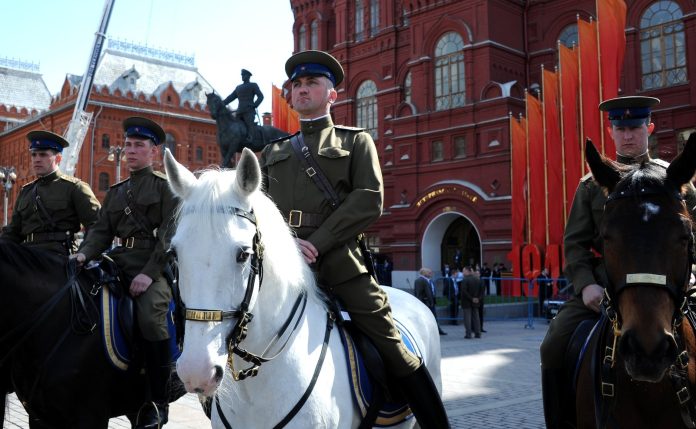
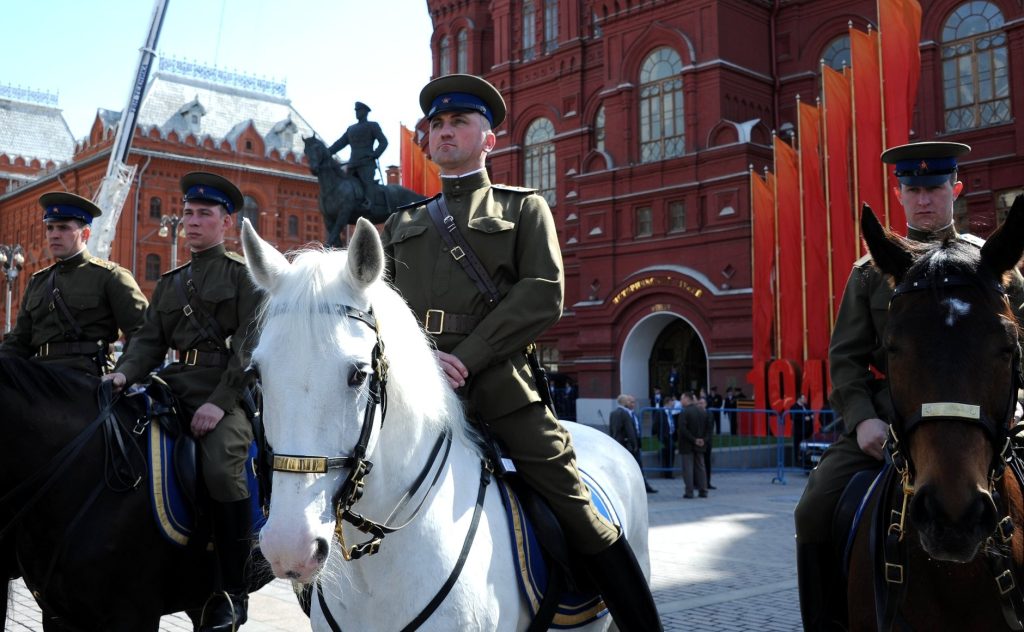
Could a 21st-century battlefield see a cavalry charge? Yes, it could. This winter, it happened in Eastern Ukraine. But it was intercepted mid-gait by drones. The battle fought north of Myrnohrad was more than a curious footnote in history. It was a revealing vignette into the kind of combat that is itself being rewritten.
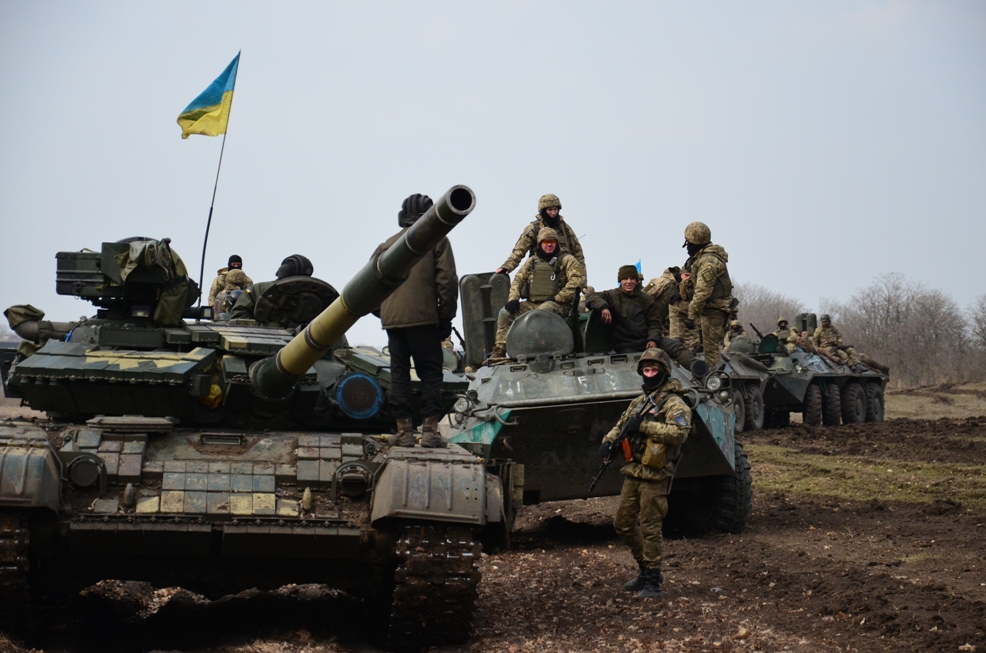
“The attack in the area close to the village of Razine involved tanks, infantry fighting vehicles, and even transport in the snow – and horses. However, thanks to mines, artillery fire, and ‘thermal drones,’ they managed to hold off the attackers even in the fog.” The important thing is that this is now not only a case of drone warfare, but also elements of weather, transport, and even horse power taking effect.
This listicle is going to examine nine interesting trends that have been observed in the wake of the developments taking place in the context of Ukraine in the realm of drone warfare that are either quite unorthodox or of the very best defense technologies.
1. Horses On the Modern Battlefield
Russian troops from the 92nd Separate Assault Brigade-sectored area were identified riding horses towards Oleksiivka. Videos highlighted the attack of horsemen by Ukrainian drones, which resulted in the horses being splashed in the open fields. There is a note from the 92nd Brigade in which Anatolii Tkachenko described the particular weapon as the first the Russian troops saw, in which horses were reported as quieter in motion than motorcyclists. The horses would more conveniently move in the mud as opposed to motorcyclists. Russian troops resorted to manual approaches in which Russian troops ultimately incurred heavy losses in their mechanized vehicles through attacks conducted in the rear.
2. The Fog as a Tactical Weapon
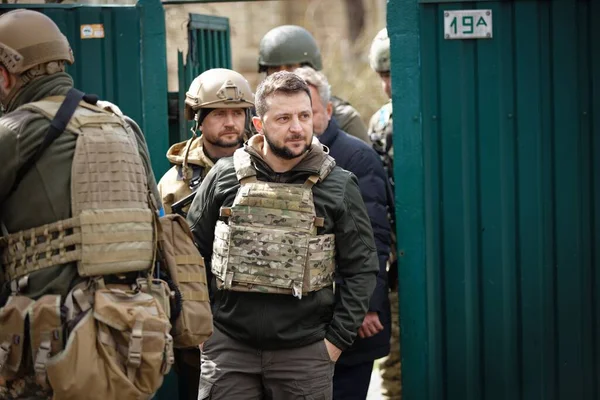
The winter fog has also become one of the factors that increases the impact of Russian attacks. The scenario that highlighted this is the Pokrovsk incident, in which the dense fog impaired many optical drones used by the Ukrainians, and the Russians advanced further into the city thanks to motorcycles and civilian vehicles. Ukrainian leader Volodymyr Zelenskyy has also acknowledged that weather conditions favor attacks. The impact of weather conditions is more significant, especially considering that some optics-carrying drones are equipped with thermal imaging, which cannot function well under thick fog.
3. Thermal Drones Piercing the Mist
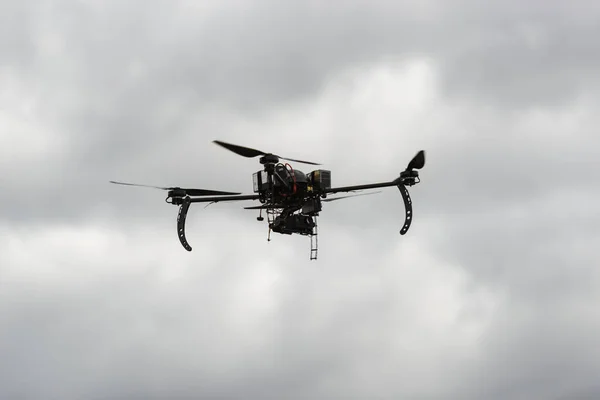
In the Razine assault, the Ukrainian UAVs featuring thermal imaging sensors managed to breach the fog cover provided by the Russians to conceal their assault. The adoption of thermal vision-enabled UAVs makes it possible to track enemy heat radiation, including personnel and vehicles, regardless of the environment, hence making it possible to engage effectively despite the stealth provided by adverse weather conditions. The technology, hitherto the reserve of special forces, can now offer real-time targeting data to ground forces even under low light and fogged conditions.
4. Baba Yaga Heavy Bomber Drones
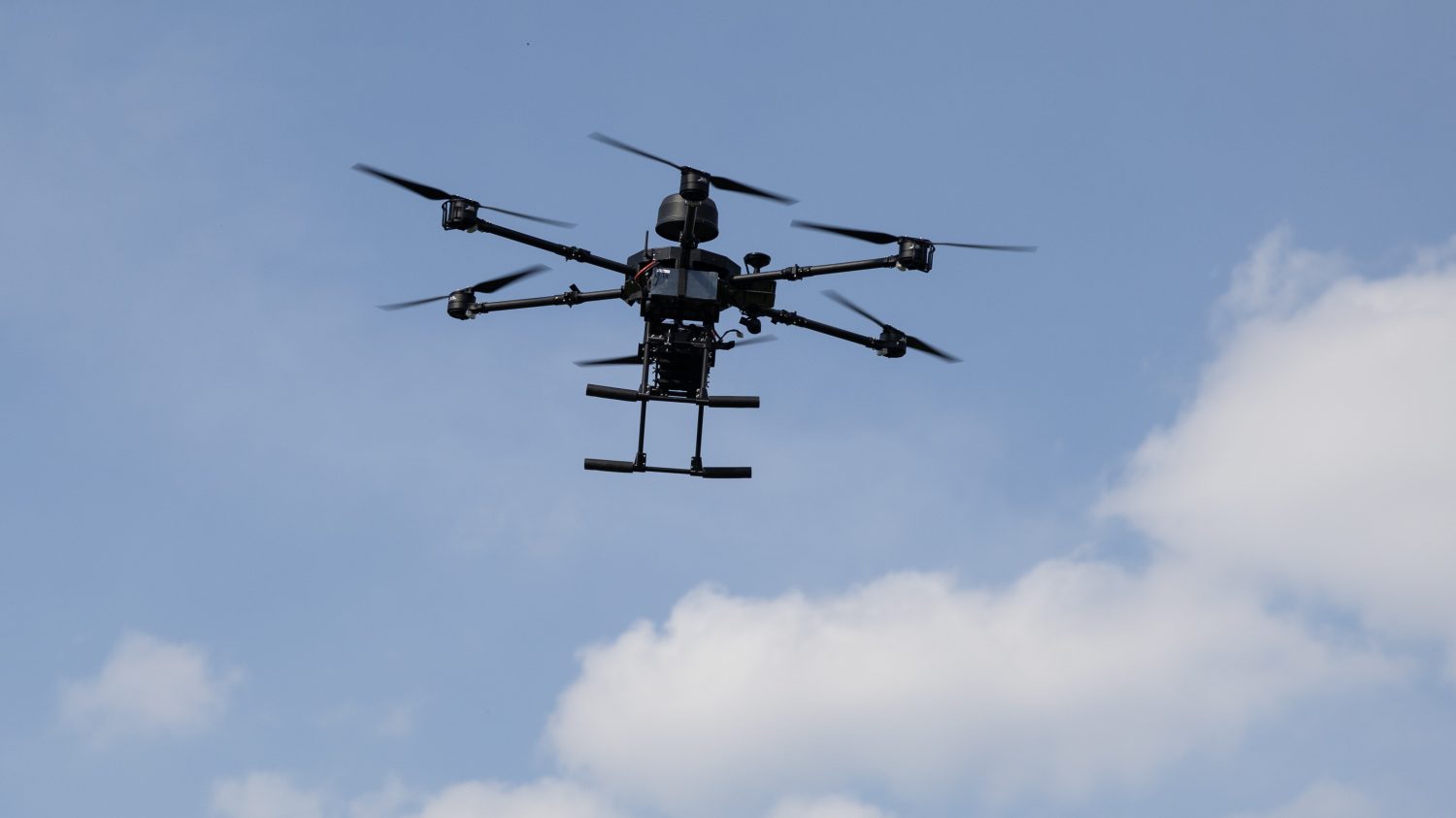
“Baba Yaga” heavy bomber drones play a critical role in fighting massed attacks. Vampires and R18s carry a weight of up to 15 kg of mortar shells and recycled anti-tank mines. Its ability to carry out night-time strikes is guaranteed with the aid of thermal and optical sensors. Its ability to strike in high fog and with the presence of strong winds is apparently better compared to other small FPV models. Modern engagements have shown that “Baba Yaga” bombers conduct strikes on bunkers, hard buildings, and camouflage tanks with their models using Starlink connections to increase distance but with lower carrying capacities.
5. Kamikaze Drones & Artillery Integration
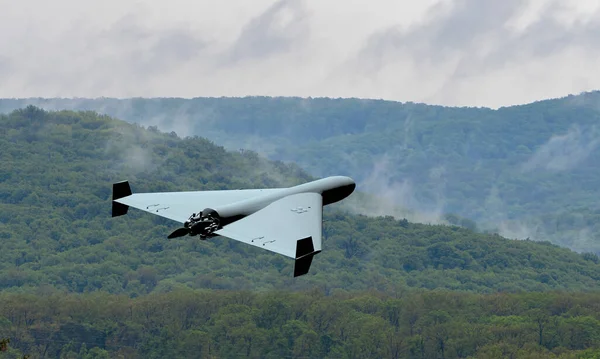
Miniature kamikaze drones, which have the first-person view and can also be created from commercial drones for racing, have completely changed the efficiency of battles. These mini-drones are operated by a soldier wearing a virtual reality helmet, attacking the most vulnerable spots of the targeted cars and/or the military men. The so-called kamikaze drones and artillery combined create a fast-speed kill chain process that consists of observation, attack, and correction in the shortest period of time – minutes. Contrary to the relatively small cargo, the FPV has good accuracy of targeting moving objects. Nonetheless, FPV has the vulnerability of interference.
6. Low-Tech Logistics Face Drone Threats
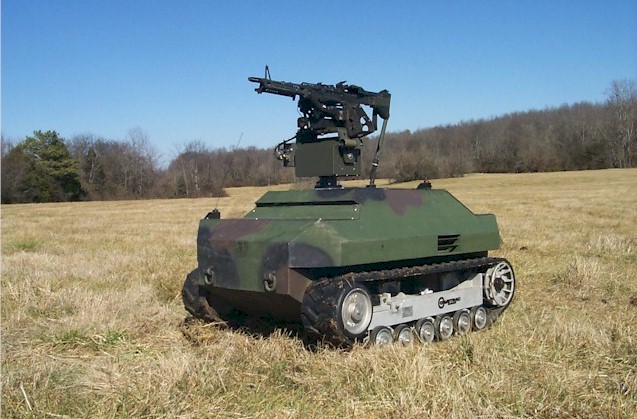
The Russian army, as well as that of Ukraine, has been forced to reassess their supply chain networks due to observations by drones. The Russians have been forced to carry ammunition using pack animals, camels, and donkeys in such environments where the soil is moist and trucks may become lodged in it. The Ukrainian army has been using unmanned ground vehicles for up to 90 percent of their need for delivery on the front line due to constraints on the operational ground available.
7. Artificial Intelligence & Semi-Autonomous Drone Control
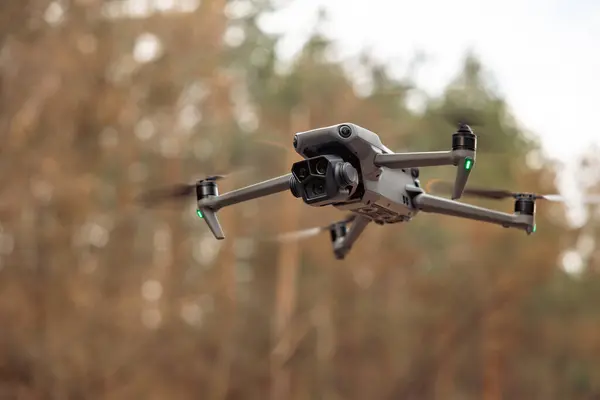
In view of EW threats, Ukrainian software developers are designing software capable of letting FPV drones attack targets and strike before being jammed on control communications. These semi-autonomous terminal guidance capabilities are comparable to those in Switchblade 300 drones, which allow drones to finish an attack mission without human control. While autonomous drones remain rare and not always more efficient than manned drones in some situations, semi-autonomy in navigation and targets may alleviate personnel issues associated with pilots in pilot training.
8. Crowd-Sourced and Commercial Tech in Combat
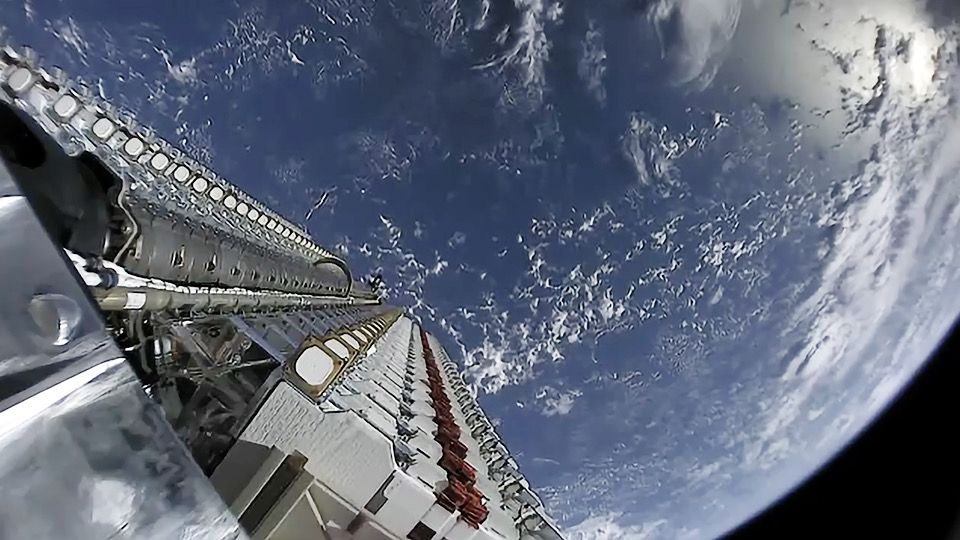
The Ukrainian drone industry is a blend of military engineering and civilian innovation. Crowdfunding initiatives have enabled the massive production of low-cost drones. Electronics, such as smartphone processors and the Starlink communication system, are used in the drones. The start-up culture in this industry enables innovation through rapid design cycles, which are completed in a short period of weeks. Large-scale manufacturing of drones by Russia challenges the cottage industry edge of the Ukrainian innovation industry. Software innovation, in collaboration with manufacturing, is required.
9. Strategic Geography Meets Drone Warfare
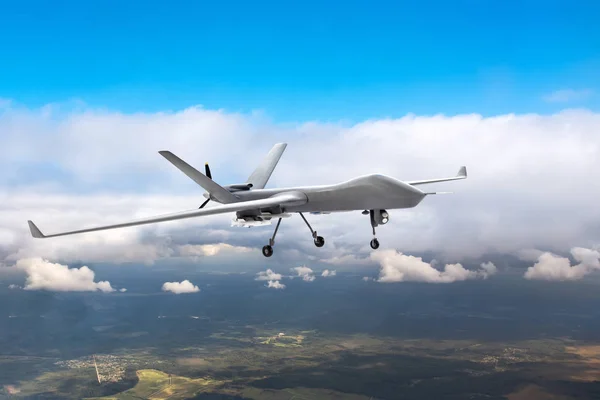
Although the Dnieper River retains its strength as a natural barrier, it affects both the attacking side and the defenders. The narrowing of the landmass progresses in predictable fashion, illustrated by the attack at Razine in the region of the River Kazenyi Torets. While the development of range-rich drones and missiles has diminished the traditional strategic depth factor, troops are needed for control of the territory, with the addition of support through the drones. Though influenced by geographic characteristics, the use of landmass-based drones retains potential.
While the horse cavalry attack by troops, which was repelled by drones in the region of the town of Myrnohrad, was an interesting aside, it symbolized something of an indicator for the battlefield in a type of transition. Innovation in the thermal imaging genre through AI-powered kamikaze drones through pack animal transportation warfare has reached a point in the Ukrainian conflict inasmuch as it has become something of a proving ground for hybrid wars that utilize the best of historic strategies combined and completed with modern innovation. This type of thing provides such valid insights in terms of perspective within military thinkers inasmuch as the symbiotic relationship between adaptation, natural war strategy, innovation, through tactical effectiveness.


