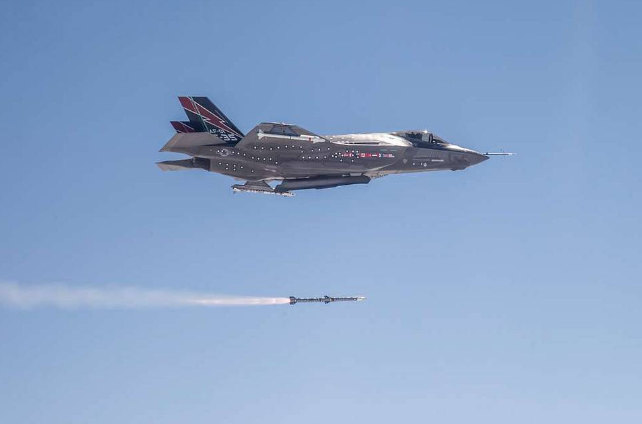
What does the Air Force get in this $240.9 million weapons deal? Well, in this case, it’s taking a leap ahead in stealth with regards to its F-35As. Earlier this year, the DoD has firmed up a contract with Norwegian firm Kongsberg Defence & Aerospace’s Joint Strike Missile or JSM-a largely short and long-range cruise missile that can easily be accommodated in the F-35 without going against its stealth design characteristics.
This is not just a line in the procurement budget. The JSM reflects a momentous shift in strategic thinking about precision strikes from a distance that keeps pilots well away from the most hostile airspace. Looming crises from Eastern Europe through the South China Sea mean the Air Force has placed a strategic bet on a weapon capable of fulfilling the often diverging demands of survivability and superior firepower.
Following are nine key features of this upgrade that will intrigue the most military personnel and enthusiasts in aviation.
1. Reduced Size to Ensure Stealth Maintenance
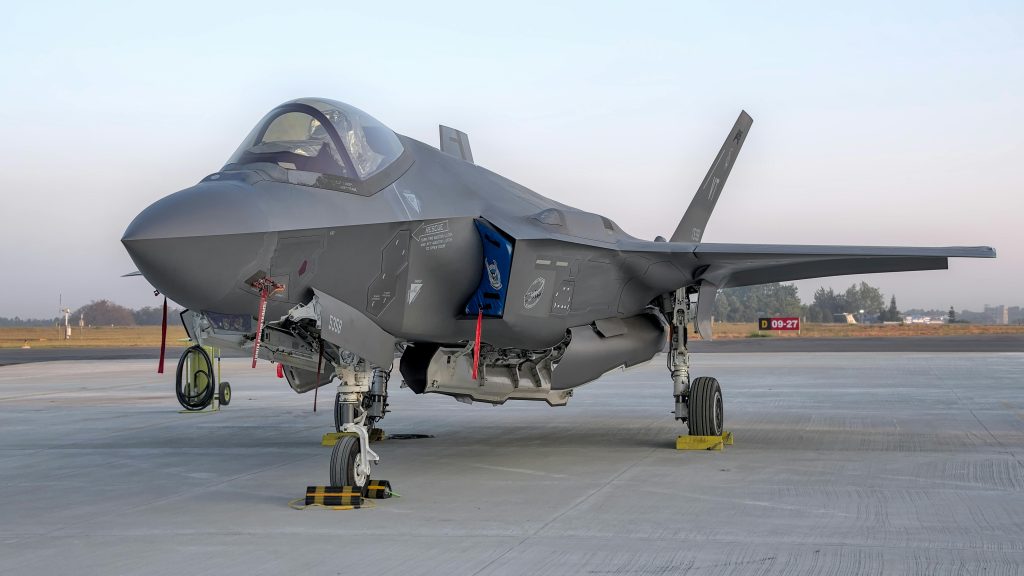
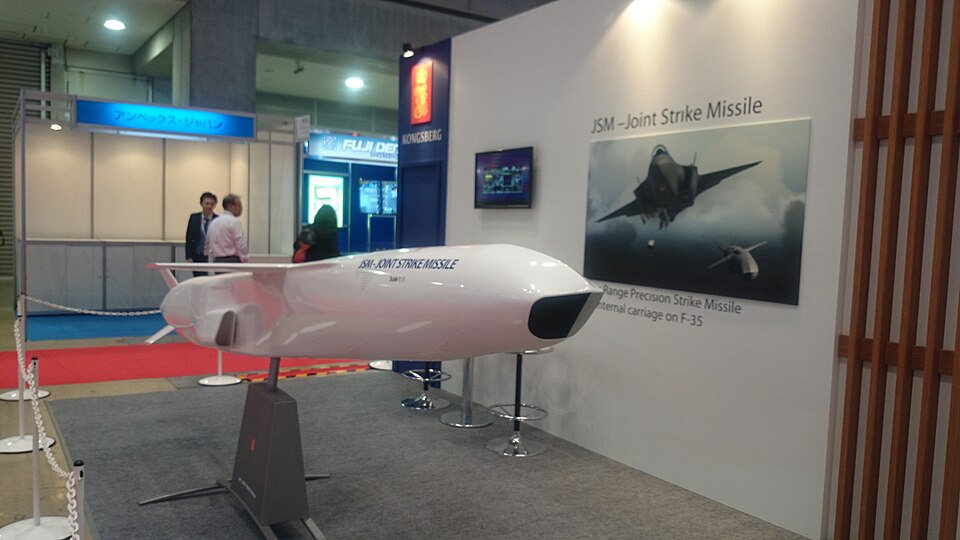
The F-35 has a weapon bay that is internally carried, something that is both an advantage and a disadvantage; this causes it not to be able to carry a large payload for it to be stealthy. JSM had curtailed this problem because it has a small size, hence can be accommodated internally in an aircraft and still give a great wallop. It is just over 13 feet long and weighs 917 pounds, making it a third of the Tomahawk’s weight.
2. Long-Range Standoff Capability
Kongsberg’s JSM has a missile range that easily exceeds 500 kilometers, which means it will be capable of hitting both ships and targets on land well beyond adversary air defenses. This provides ample opportunity for targets to be struck without an F-35 necessarily entering areas of threat to the aircraft.
3. Advanced Navigation & Targeting Systems
GPS, inertial, and imaging infrared seeker guidance provide autonomous low-altitude flight in defended regions. This is accomplished by terrain-following, which contributes to avoiding missile detection, and infrared imagery contributing to correct hit of the target in the final stages of flight.

4. Based on Proven Technology behind Naval Strike Missile
The JSM draws its heritage from the Naval Strike Missile, which has already been operationally deployed with several members of the NATO alliance. It is this heritage that provides the military with an already tested design, versatile for both sea and land target attacks.
5. Operational Testing of F-35A Fleet
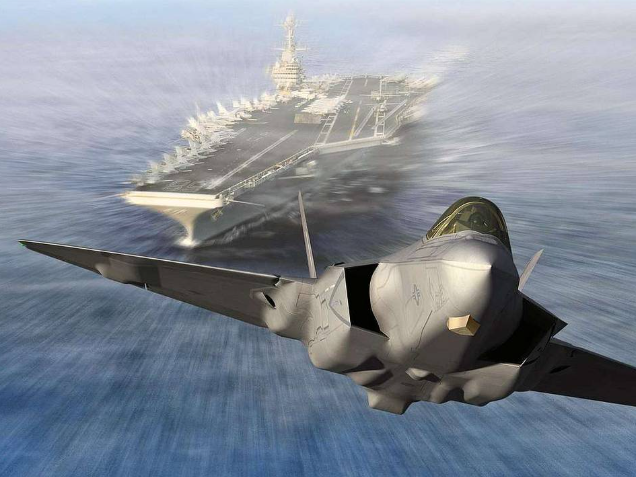
Meanwhile, the U.S. Air Force announced plans to begin its operational testing of the JSM from the F-35A next year to prove interoperability, capabilities, and mission-dedicated scenarios in preparation for its deployment for countries also committed to the missile, including Finland and Japan.

6. Strategic Turning Point Towards Stealth Long-Range Attacks
By investing in the JSM, “the Air Force’s message is that it wants to shift its focus from short-range weapons to those that have covert operation capabilities to strike at long ranges.” This is in line with the strategy of NATO in anticipation of the high-intensity conflicts that are likely to occur before the year 2030.
7. Complexity of the Guidance
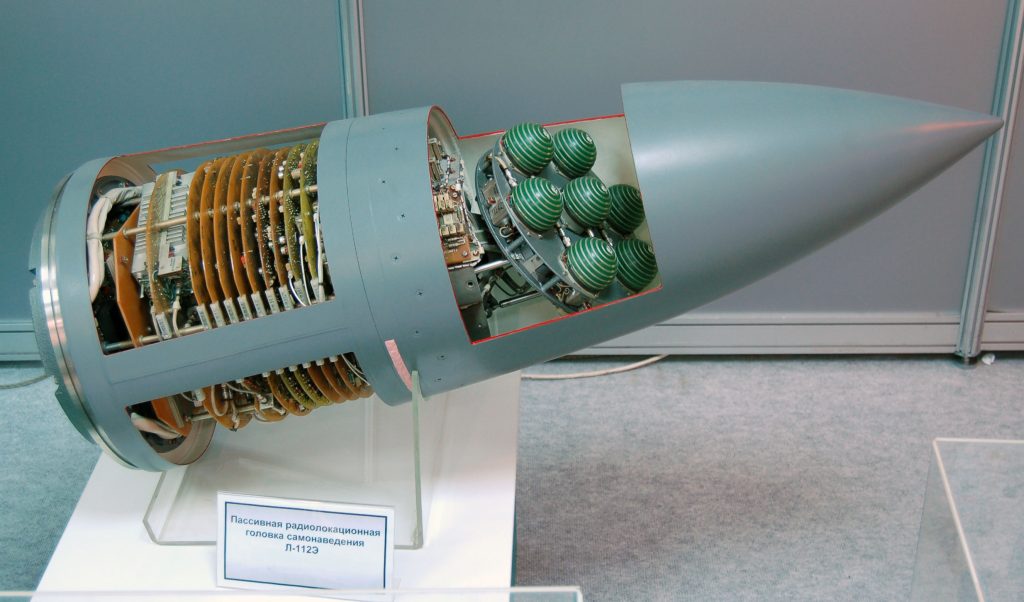
This manifests the modern principles of homing in its JSM seeker technology. The increased accuracy of the Terminal Guidance of Imaging Infrared has a great capability to track moving targets. The principle of passive detection is used, making it hard to detect.

8. Production & Industrial Footprint
The contract includes missiles, containers, and all other equipment related to it, whose manufacturing is to be continued in Norway until November 2028. Such sustained manufacturing means stability in the supply chain for the market.
9. Complement to Existing Missile Inventory
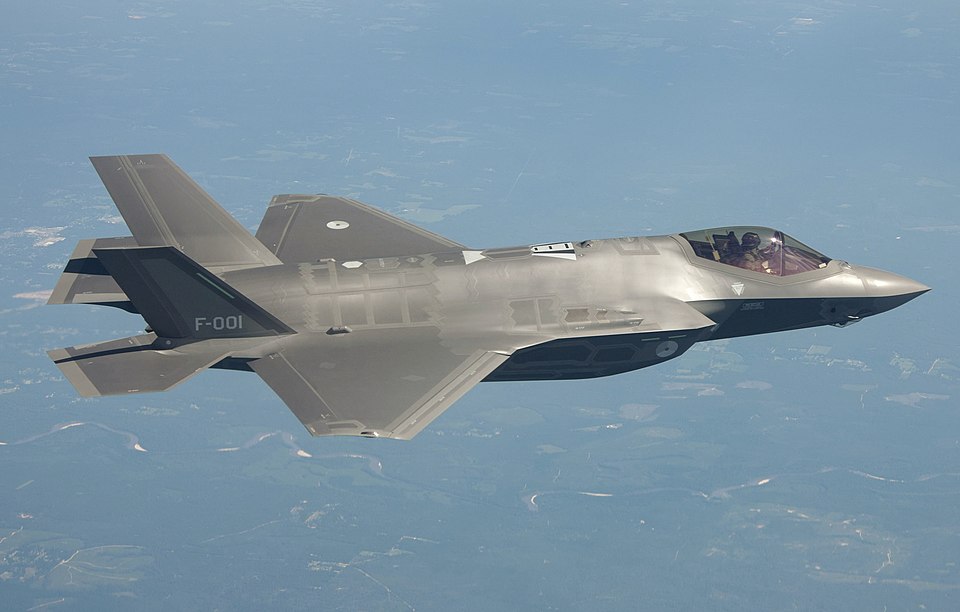
This would imply that even though long-range missiles such as Tomahawk can still be of use, JSM bridges a gap when stealth fighters require these missiles to be carried internally. JSM contributes toward offering flexibility in targeting strategies. The Joint Strike Missile contract is more than an acquisition event-it’s an investment in the F-35’s ability to strike hard and remain unseen.
By integrating small size, extended reach, and precision guidance, the Air Force has increased survivability and effectiveness of its preeminent fighting machine. Testing now underway, the JSM certainly is on track to join the arsenal of airpower in the years to come.


