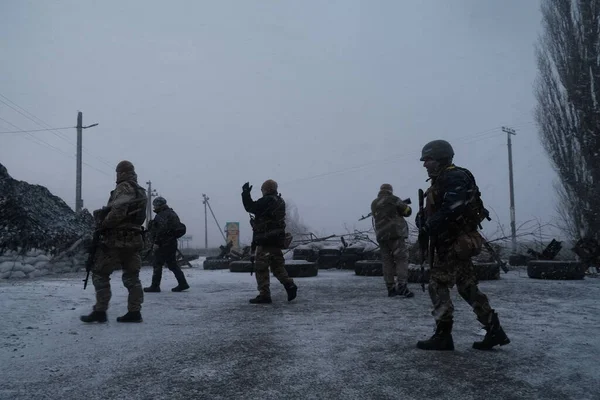
A winter assault of such enormous proportions in Eastern Europe has been a gamble in which history has counseled caution, but it seems fate has become an afterthought for Moscow. It may appear robust to initiate an attack of 710,000 troops in winter conditions in Ukraine, but beneath this veneer of power are complexities of logistics, technology, and strategy. It has become impossible for any defense expert in military history to disregard connections between Russia’s winter attack in Eastern Europe and historical instances of similar winter attacks in other wars.
This is not merely a question of numbers. The logistics efficiency that is required to maintain a military force of this caliber operate in extremely harsh weather conditions while confronted with a military that has disruption of Russian logistics among its key strategies. The new dynamics that have been brought along by drone operations, precision strikes, and the sabotage of critical infrastructure mean that Putin’s winter initiative is a trial by both endurance and strength.
1. The Scale and Timing of Russia’s Troop Surge
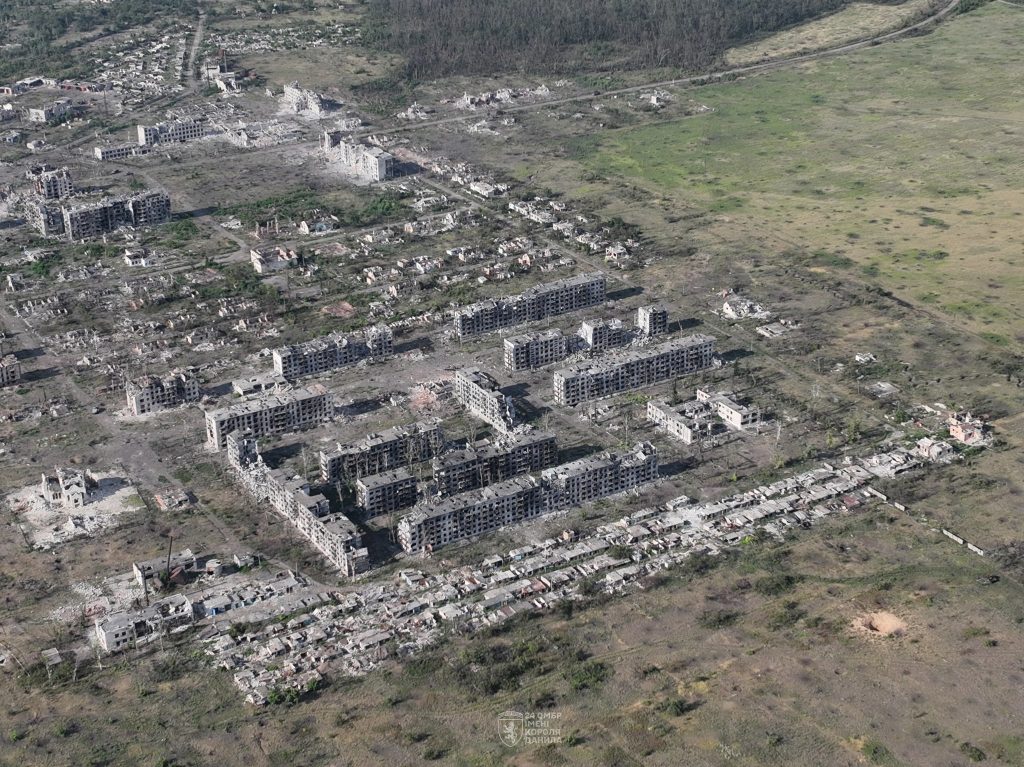
“Russia now has about 710,000 troops, which is an increase of 20 percent from previous projections in 2025,” Putin declared, although it appears this rise may be attributed to their own struggles within Ukraine as opposed to planning by the Ukrainian government, considering the significant military buildup took place after months of halted assaults in Pokrovsk and Chasiv Yar, where Ukrainian defenses have hindered progress with anti-tank ditches, concrete barriers, and minefields. However, this buildup also arrived during the depths of winter, as was the case in previous Eastern European operations.
2. Winter Logistics Impact on Offensive Activities
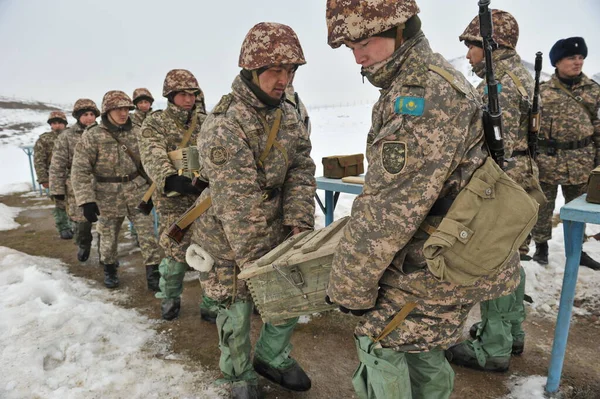
The presence of troops in sub-zero temperatures requires enhanced fuel, food, and services. Severe weather hampers transport links, leading to challenges in supply lines. Battle experiences of Eylau, as witnessed in the Winter War, establish that ambient factors can compromise combat strength more than enemy fire.
3. Ukraine’s Targeting of Russian Supply Lines
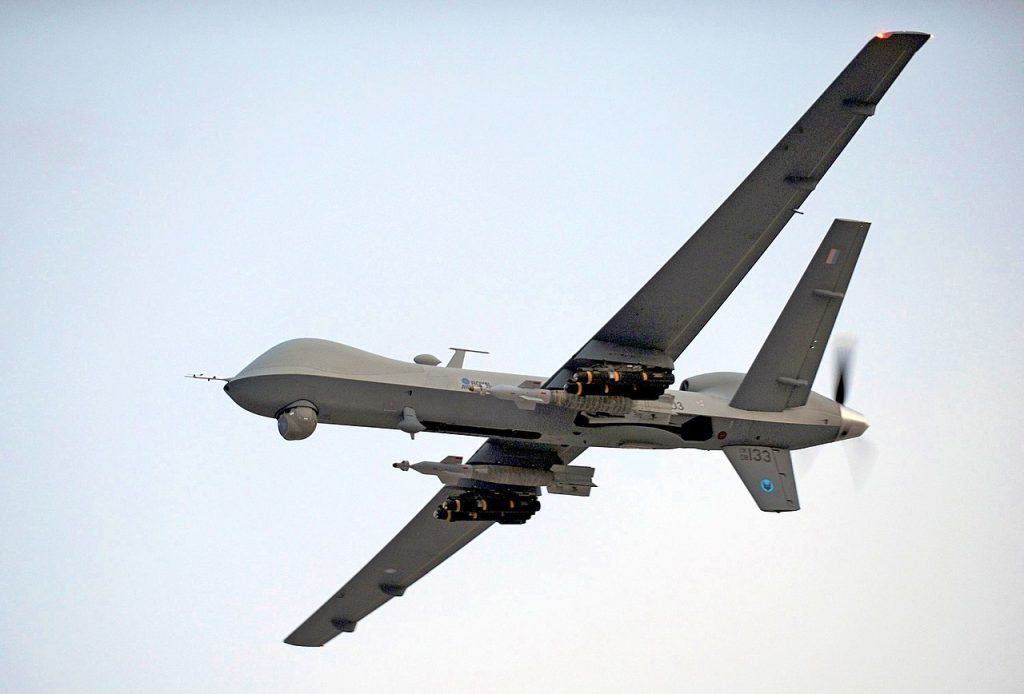
The campaign the Ukrainians have developed is centered on the interdiction of resupply nodes. The kill zones of the tactical drones target the vulnerable fuel and ammo carries, while the high-altitude drones target the train stations with fuel in Crimea and Russia. The success of this operation has been demonstrated through the recapture of Kucheriv Yar: Russian troops in isolated positions without resupply, forced into a defensive position before surrendering.
4. The Expansion of the Drone-Kill Zone
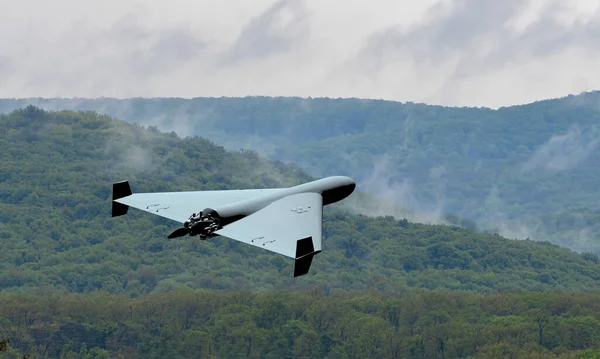
Since the year 2022, kamikaze drones that are cheap have increased the kill zone beyond the range of conventional weapons. Combat medics have noted that drones contribute to 60-70 percent of the injuries. Access routes remain under observation, and it’s risky to transport via conventional routes. Smaller groups of troops have become the norm, and a ground drone provides necessary requirements where manned transport will be risky.
5. Elite Drone Regiments As Strategic Assets
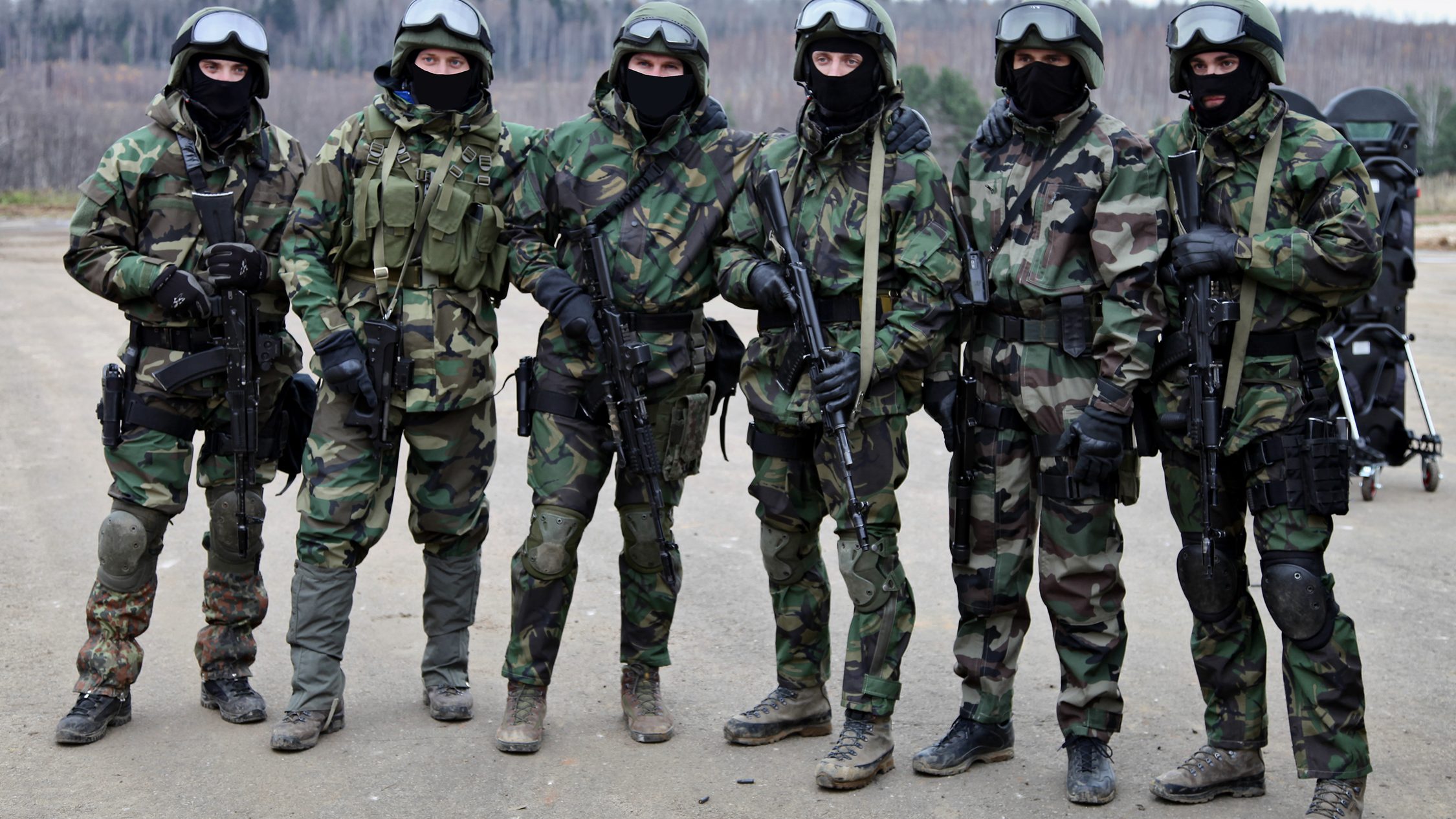
Commanders such as Yurih “Achilles” Fedorenko strike regiments deep into enemy territory 50-70 km, destroying their logistics, artillery, and UAVs. As result, these groups have become valuable to the Russian forces and indicate their importance on the battlefield. The operational approach to Fedorenko is to “knock out their eyes, cut off their sting, and sever the bloodline of war” logistics remain the vulnerability to target.
6. Russian Dependence on Fiber-Optic Drones
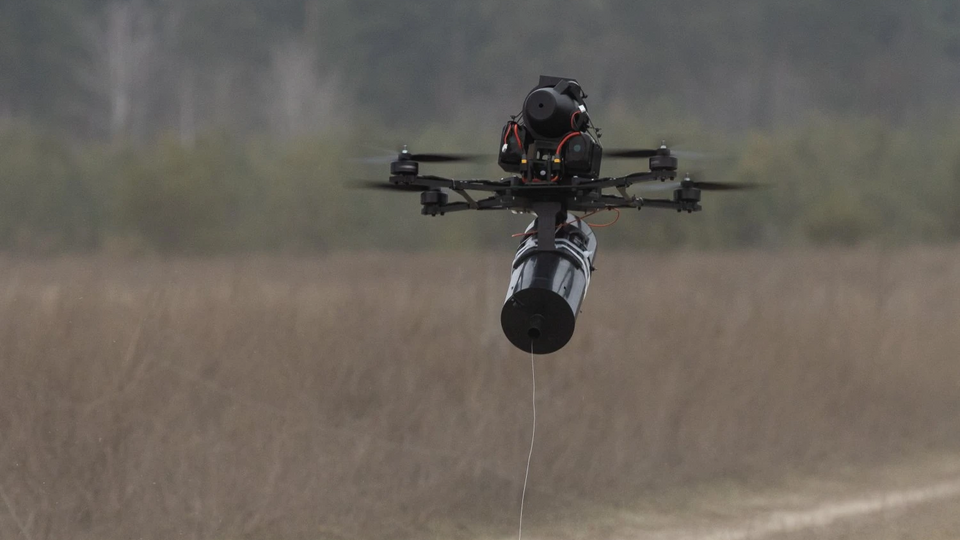
launched in the summer of 2024, fiber-optic drones are jamming-resistant, as they connect controls to extremely thin wires. According to Fedorenko, the nine-to-one delivery of such systems by China to Russia, compared to deliveries to Ukraine, has given the Russians the benefit of such technology, making it difficult to deal with by the Ukrainian side.
7. The Logistics Culmination Risk
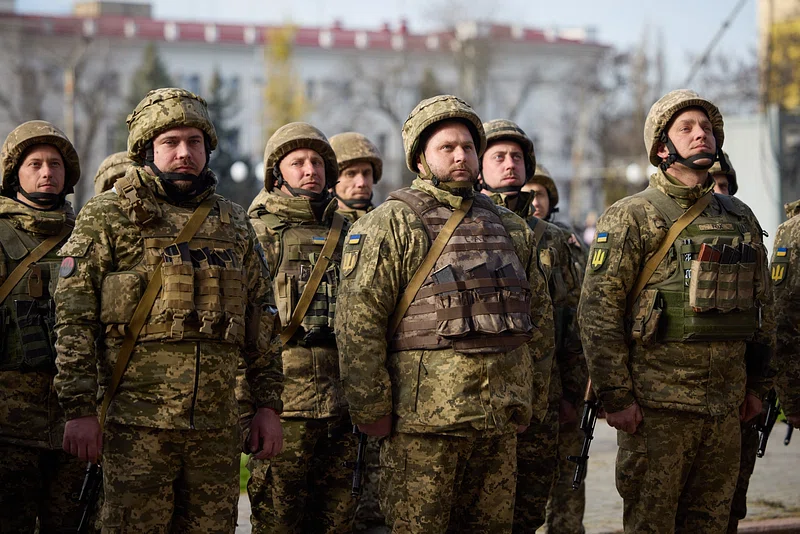
Russian troops will have to contend with the danger of “culmination” in which the supply capacity will no longer be able to keep up with the “operational tempo.” As they invade further, the distance of transportation will lead to less “turnaround” capacity. The Ukrainian attack on railways and bridges may further contribute to this effect and bring such advances to a standstill.
8. Historical Echoes: Winter War and Barbarossa
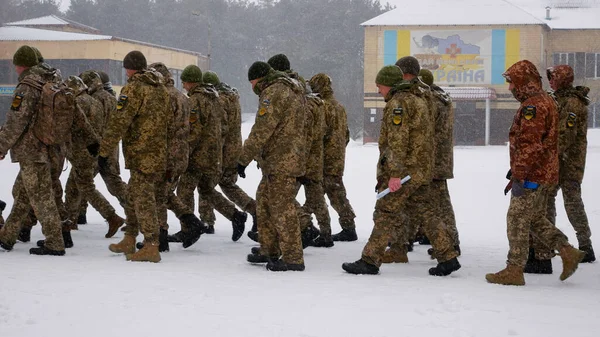
The Winter War between the Soviet Union and Finland during 1939-40 saw an army with superior strength brought to a standstill by inclement weather and logistical failures. The winter operation during Barbarossa is also a manifestation that logistical overload is easily possible to be nullified. Both instances convey that strength is easily lessened by factors that may be ignored by the Russians.
9. Energy Infrastructure as a Battlefield
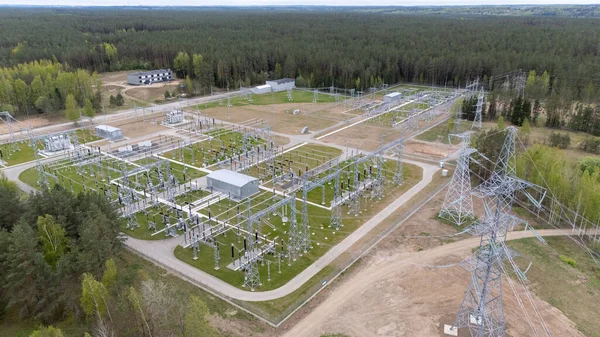
Recent attacks against Russian strikes involve Ukraine’s energy sector, where the intention is to cause “social instability through total blackout,” according to Deputy Energy Minister Mykola Kolisnyk. However, these attacks mean that sustainment efforts in these capacities for the Russians are being diverted, while the attacks on Russian energy resources by Ukraine also reflect attacks against sustainment capacity.
10. Drone Logistics Feedback Loop
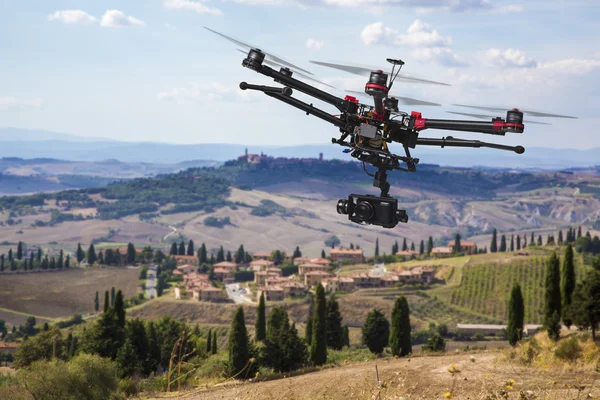
Ukraine’s integration of NATO-provided electronics in drones increases their autonomy and resistance to electronic warfare. With the increase in the lethal capability of drones, the logistics units of Russia will come under higher attrition rates, which will cause Russia to increase efforts in countering the drones. The cycle continues with logistics becoming the critical warfare arena. Russia’s winter mobilization of its troops is a move on the battlefield, but it also serves as a test of its entire logistics infrastructure in harsh conditions.
The strategy of combining drones in Ukrajnik’s overall concept of interdicting supply lines will accentuate all shortcomings in Russia’s logistic support. There are plenty of historical lessons available, but Kremlin’s bet seems based on a conviction that numbers will overcome any environmental and logistic challenges. For military logisticians, this will be a critical period in determining whether this move constitutes a watershed or a painful reminder of the eternal truth of military logistics.


