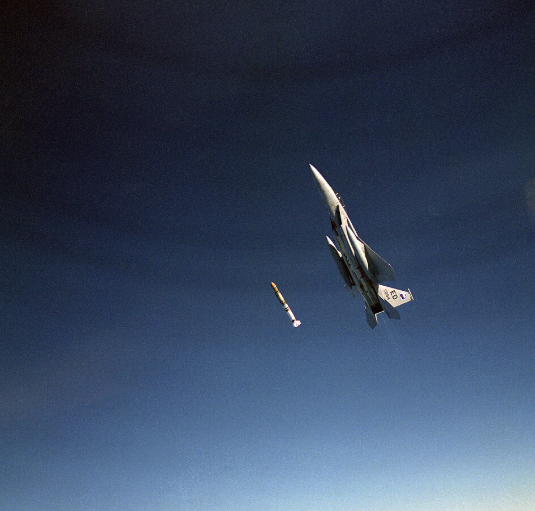
Could a cloud of millimeter-scale pellets knock the kneecaps out from under low Earth orbit? This is the hair-raising prospect posed by the threat assessment from the West that Russia is pursuing a ‘zone-effect’ anti-satellite (ASAT) weapon for targeting the Starlink system operated by SpaceX boss Elon Musk. The idea to cripple satellites en masse using hundreds of thousands of high-density pellets would certainly be an escalation in the art of counter-space warfare, but not without its own brand of indiscriminate orbital mayhem.
1. Strategic Target: Role of Starlink in Ukraine
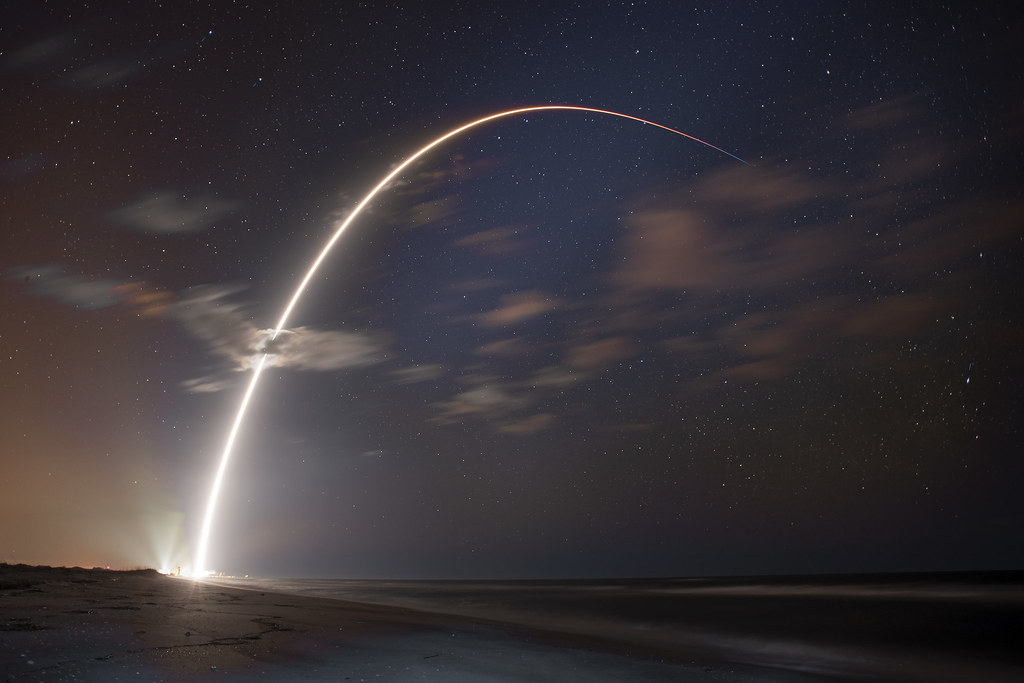
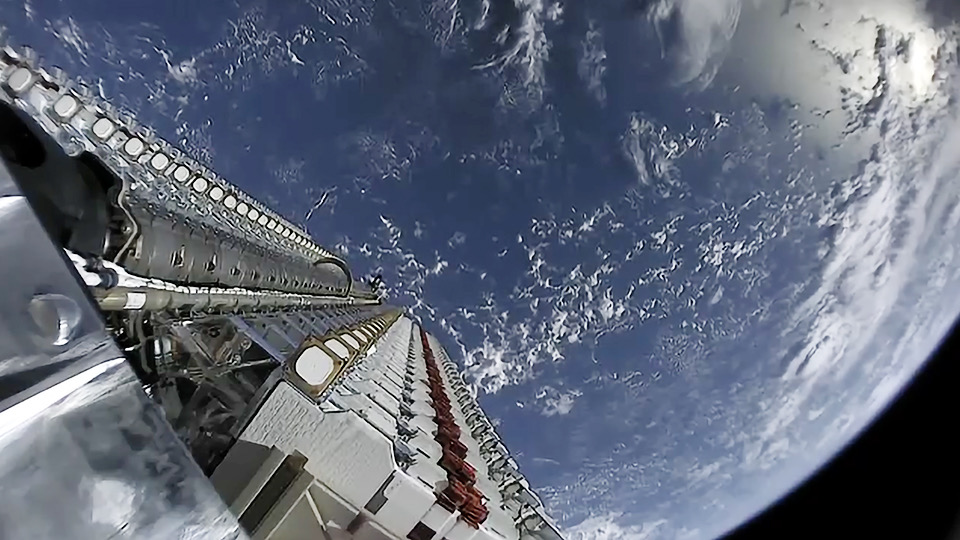
“The low Earth orbit satellite network operated by Starlink is a vital communications hub for Ukraine’s military and critical infrastructure. Operation at an altitude of some 550 kilometers with well over 2,000 working satellites makes the system viable for command and control of troops on the battlefield as well as communications in the case of an attack or other emergencies.” Ukraine’s military has used Starlink communications to intercept Russian communications and launch drone strikes against the enemy. Russian spokesmen routinely assert that “communications satellites used by the Ukrainian army” are “legitimate targets.” Clearly, Starlink is firmly fixed in the cross-hairs of the Russian regime.
2. The ‘Zone-Effect’ Concept
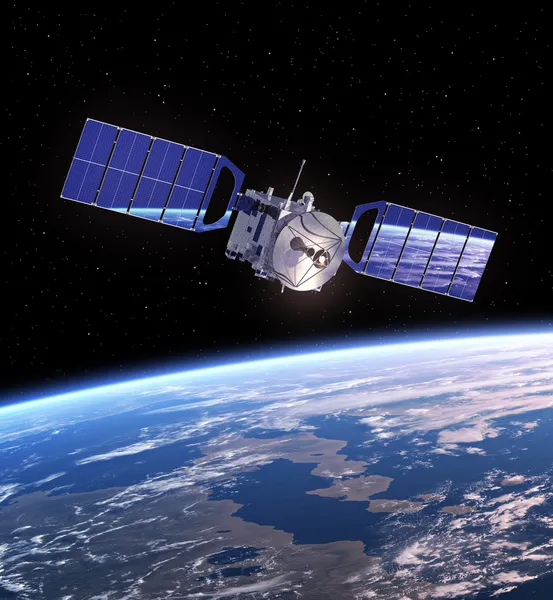
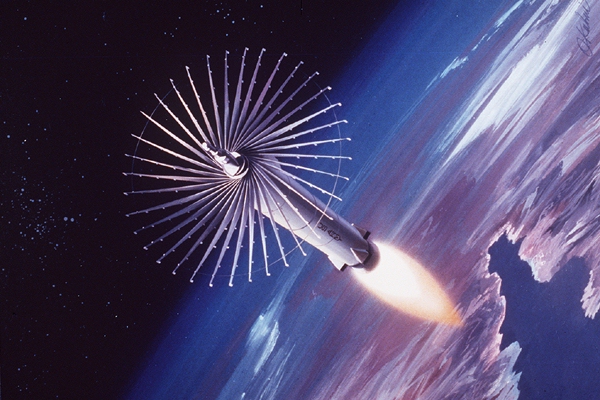
Intelligence reports that this proposed system unleashes a thick cloud of pellets measuring only a few millimeters in diameter against the orbital environment of a satellite like Starlink. These pellets fall below detection requirements of ground and space surveillance systems, thus their origin is hard to trace. These pellets may originate from a flock of small satellites that can cover an orbital shell with a proposed satellite system intended for a targeted orbital shell. This was how Brig. Gen. Christopher Horner of Canada’s Space Division characterized this effect when he said that this proposed system can “blow up a box full of BBs” that can “blanket an entire orbital regime” and thus eliminate all satellites with aSimilar orbit to that of Starlink satellites.
3. Physics of Kinetic Damage
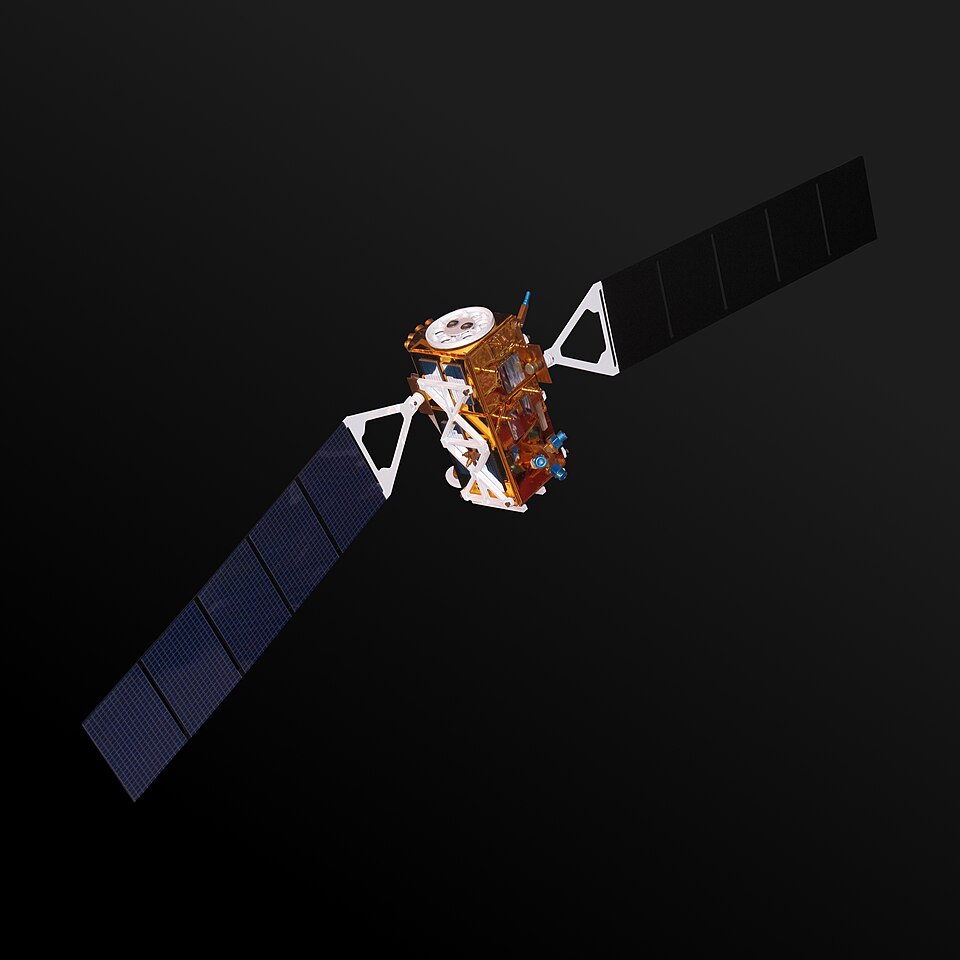
At LEO speeds of 7.5 km/s, even small fragments can cause devastating destruction. ESA’s Sentinel 1-A satellite was hit by a strike hole measuring 40cm on its solar array panel by an object estimated at mere few millimeters in size. Solar panels, communication antennas, and optical instruments are some of the components of the satellite that can be easily destroyed. This is considering that even an object as small as a pellet can be capable of destroying an entire satellite array surface. Additionally, because of their small size, objects cannot be detected at all.
4. Catastrophic Collateral Risks
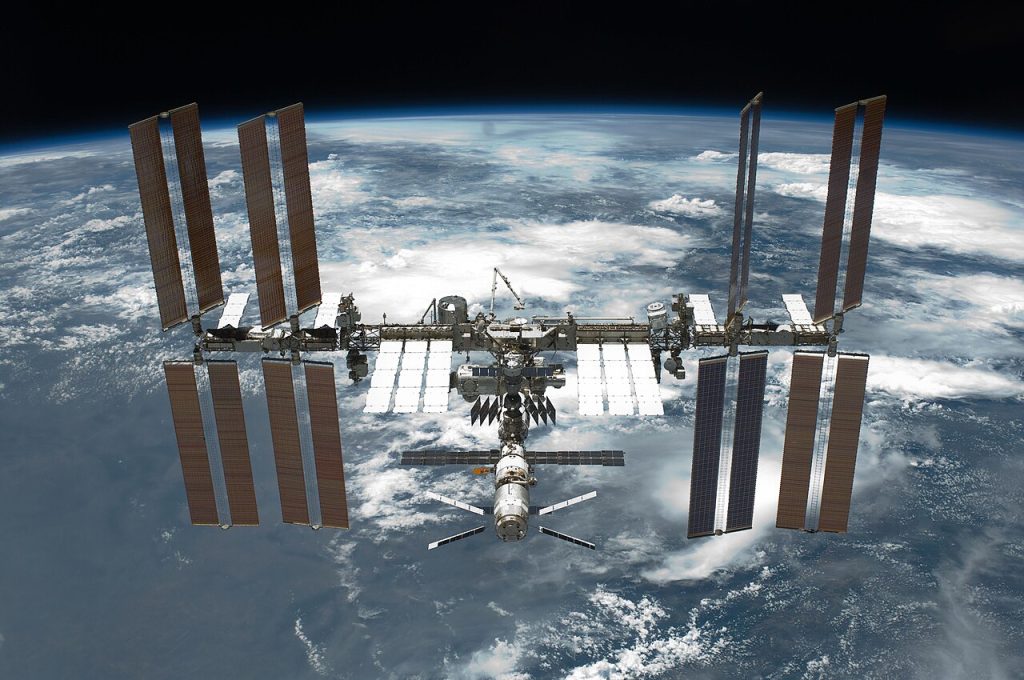
“The indiscriminate nature of the zone-effect weapon means collateral damage is inevitable.” Starlink’s orbital shell is intersecting with several other commercial and military constellations, as well as earth observation satellites and scientific missions. “Debris clouds from such a strike may migrate into Lower Orbits with potential to strike the International Space Station and even the Chinese Tiangong station.” Collision cascades as envisaged by the Kessler syndrome are dangers that experts predict as a result of rising debris levels spread over several decades, making whole orbits unusable.

5. Challenges in Detection and Attribution
The US Space Surveillance Network can effectively trace an object that is over 10 cm in LEO, but pellets a few millimeters in size are well below that size. Though radar technology can trace a small object for a short duration, orbital tracing is impossible. As this satellite remains invisible, linking forensics could prove troublesome, and a possible motive might be deduced only if several satellites “wink out” due to unexplained damage. According to Clayton Swope of CSIS, “If satellites start winking out with damage, I guess you could put two and two together.”
6. Russia’s Broader Counterspace
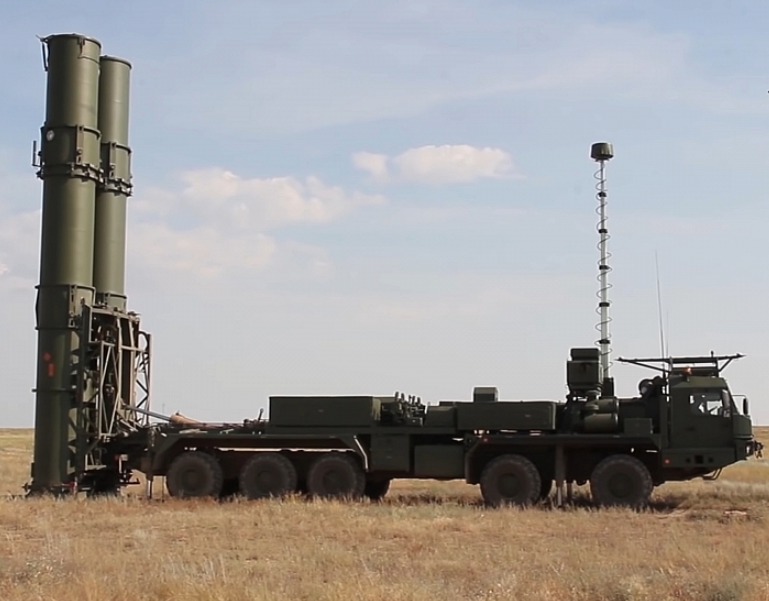
The putative pellet weapon is a part of a larger Russian counterspace development. The Russian Federation has been known to test direct-ascent HIT-TO-KILL missiles, as exhibited by the 2021 NUDOL missile attack on COSMOS 1408, creating more than 1,500 tractable debris elements. Co-orbital ASATs such as the Russian “nesting doll” satellites have exhibited proximity demonstrations and projectile firing capabilities. Ground-based lasers and jamming capabilities further layer a comprehensive dispossess mission. The recently deployed S-500 PROMETHEUS further expands Russian counterspace capabilities, reaching low-orbit targets with missile defense and ASAT capabilities utilizing interceptors reaching Mach 16 velocities.
7. Legal and Proportionality Concerns
Under Article 52(2) of Additional Protocol I, Starlink can be classified as a military object as it makes an effective contribution to the defense of Ukraine. Nevertheless, the principle of proportionality in Article 51(5)(b) does not permit attacks that result in excessive loss of life to the civilian population. In the case of Starlink’s dual-use character, any kinetic attack on the constellation will affect the internet in all countries lacking alternative infrastructure. This will violate Article 51(4) on attacks that are not directed at a particular military object but produce scattered debris.
8. Limits of Mitigation of Orbital
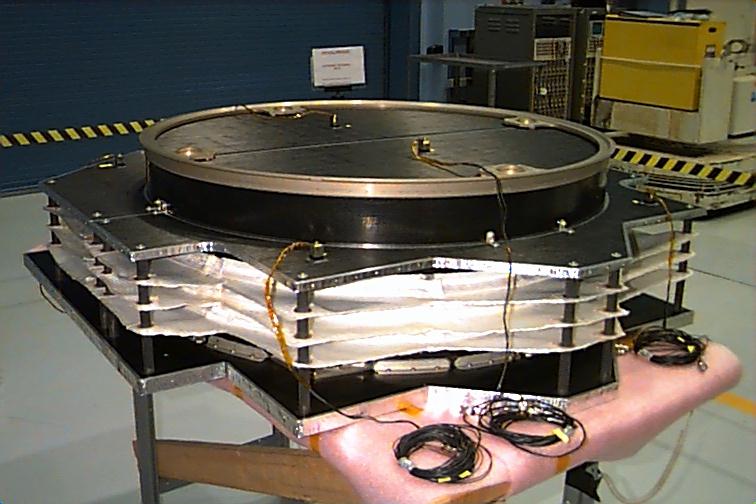
Debris removal techniques that exist or are proposed, like ESA’s ClearSpace-1 and ADRAS-J of Japan, target large, traceable objects like old satellites or rocket components. They do not provide any solution for clouds of millimeter-sized pellets. Debris shielding, like ISS’s Whipple shield, can protect against particles of up to 3mm, but not on an orbital scale. Left unremoved, the consequences of a zone-effect collision could remain hazardous for decades.
9. Geopolitical Implications
Specialists suggest that the Russian work on the indiscriminate orbital pellet-based weapon indicates the lessening dependence on infrastructure for the Russian Federation when compared to the United States of America, China, and India. This state of affairs has lessened the Russian Federation’s threat of use of those that create debris. Some scholars state that the use of economic pressure by China and India, the two nations that rely highly on their infrastructure, may be pivotal in dissuading the Russian Federation.
10. A ‘Weapon of Fear’
While Even without its deployment, having a weapon like this in existence can qualify as strategic coercion. This non-specific attack on critical orbits of significance will always have its pressures on its adversaries without any actual shots needed. As noted by Swope: “It definitely feels like a weapon of fear, looking for some kind of deterrence or something.” Deploying it would always pose threats to its satellites.
The proposed zone-effect ASAT weapon, should it exist, is the intersection of sophisticated orbital dynamics theory, kinetic kill physics, and geopolitical posturing. Its characteristic of being indiscriminately destructive of satellite communications infrastructure highlights the vulnerability of the common space environment and the need for robust global norms to preclude space from becoming a battlefield dotted with trackable shrapnel.


